
10 Most Common Questions About X-Ray Metallized Tubes
Every year, X-ray tube failures cause more than $300 million in global downtime and replacement costs.
In my 15 years designing and manufacturing metal-ceramic X-ray tubes for CT, DR, mammography and industrial NDT, I found that over 70% of early failures can be traced back to just 10 factors.
Here are the 10 most frequently asked questions I receive from OEMs, hospital biomedical engineers, and service teams — with clear, actionable answers.
1. What is the #1 factor that determines X-ray metallized tube lifespan?
Answer: Vacuum level
The tube must maintain an ultra-high vacuum below 10⁻⁶ Pa. Even a tiny leak of 10⁻⁹ Pa·L/s will cause arcing and sputtering within months.
→ Want to know if your tube is slowly losing vacuum? Download our free “5-Minute Vacuum Degradation Checklist” at the bottom.
2. Metal-ceramic vs glass envelope: which is better for high-power tubes?
Answer: Metal-ceramic (almost always)
Metal-ceramic tubes withstand >400 °C housing temperature, have 3–5× better heat dissipation, and virtually eliminate glass explosion risk. Glass envelopes are only used in <30 kW portable units today.
3. Why do some X-ray tubes use tungsten-rhenium1 instead of pure tungsten targets?
Answer: Higher temperature resistance and less cracking
Adding 3–15% rhenium raises the recrystallization temperature by ~500 °C and reduces surface roughening, extending tube life 30–50% in high-throughput CT scanners.
4. How fast should a rotating anode2 spin — and what happens if it’s too slow?
Answer: 9,000–10,000 rpm (150 Hz) for modern high-end tubes
Below 7,000 rpm, heat concentrates in one track → target melting or cracking within minutes at 80–100 kW loads.
5. What is the real heat limit of an X-ray tube anode before it melts?
Answer: Instantaneous surface heat flux must stay under 15 MW/m²
Modern large-focus anodes store >300 kJ and use forced oil/water cooling to survive repeated 100 kW scans.
6. Why do cathode filaments fail so often, and how can I make them last longer?
Answer: Evaporation + thermal shock
Thoriated tungsten lasts 2–3× longer than pure tungsten. Keeping filament current stable within ±0.5% and pre-heating before full load can add thousands of hours.
7. What causes high-voltage arcing3 inside the tube, and how do you prevent it?
Answer: Oil bubbles, contamination, or poor ceramic brazing
Using triple-vacuum distilled oil and 100% He leak testing at >200 kV eliminates 95% of flashover failures.
8. Liquid metal bearing vs ceramic ball bearing — which one should I choose?
Answer: Liquid metal (Ga-In-Sn) for >10 million revolutions
Ceramic balls are cheaper but generate >50 dB noise and wear out faster above 9,000 rpm.
9. How important is the glass-to-metal (or ceramic-to-metal) seal?
Answer: Critical — a single micro-crack ends the tube
Kovar or controlled-expansion alloys with CTE mismatch <0.5×10⁻⁶/°C are vacuum-brazed to achieve leak rates <10⁻¹¹ Pa·m³/s.
10. How small can the focal spot be while still running at 50–80 kW?
Answer: 0.6–1.0 mm is the practical limit today
Advanced electron optics and graphite-backed anodes allow 1.0 mm spot to handle >2 MW/mm² heat load without loss of resolution.
Bonus Questions (Most Searched in 2025)
11. Rotating anode vs stationary anode: when should I use each?
Stationary for dental/portable (<1 kW), rotating for everything ≥5 kW.
12. Why does my X-ray tube keep arcing after only 6 months?
99% chance: vacuum leak or contaminated insulating oil.
13. What temperature can an X-ray anode actually reach?
Surface instantly hits 2,500–2,800 °C during a 100 ms pulse; average disc temperature must stay <600 °C.
14. How many hours should a good CT tube last in clinical use?
Top-tier metal-ceramic tubes now exceed 30,000 scan-seconds (≈15,000–20,000 patient studies).
15. Can I repair or refurbish a failed X-ray tube?
Only the housing and cables — once vacuum is lost or target is damaged, the insert must be fully replaced.
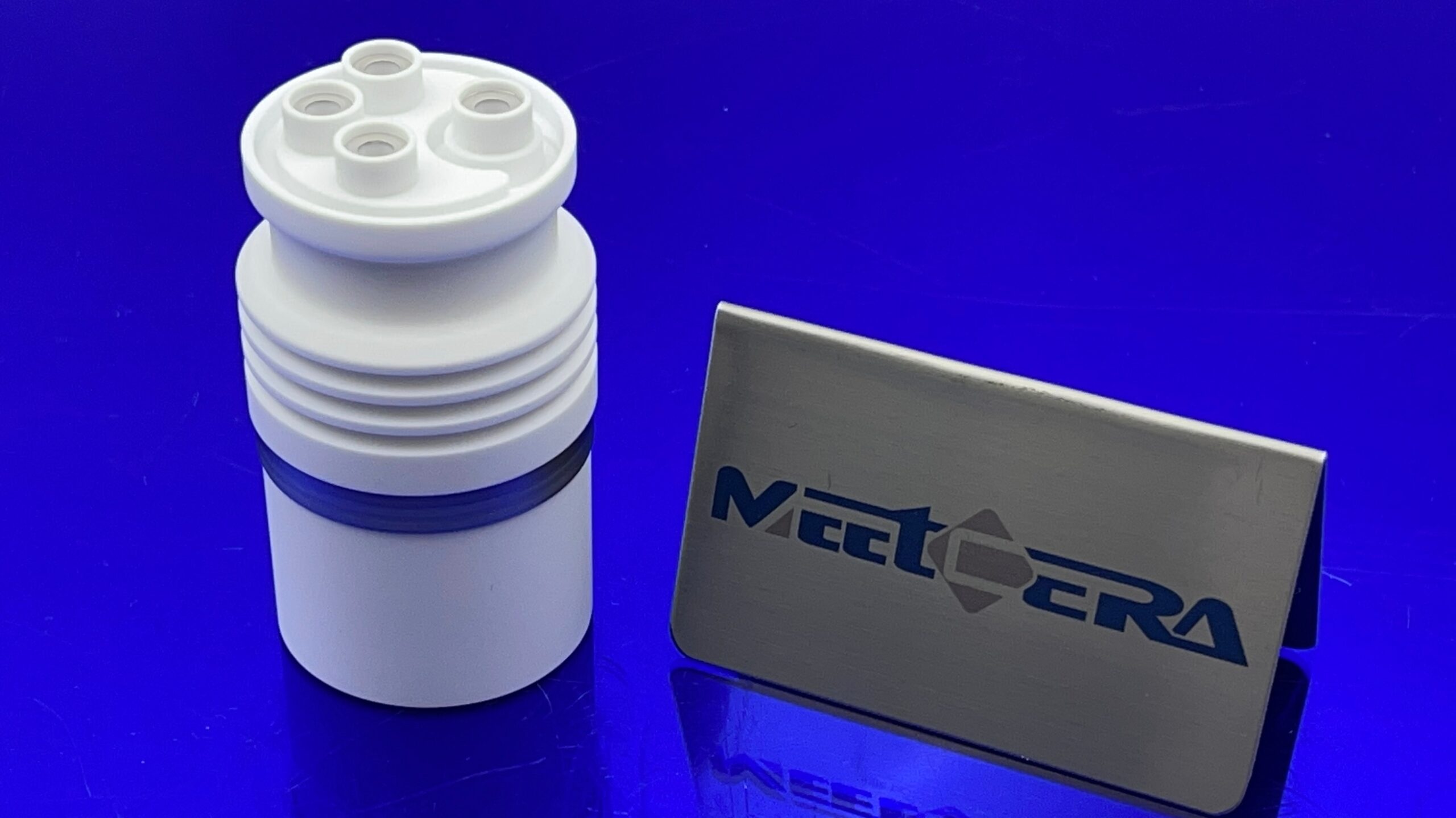
Ready to Get a Tube That Simply Refuses to Fail?
No forms, no waiting, no sales pitch—just three direct ways to move forward right now:
-
Talk to an actual X-ray tube engineer today
Bring your last failure log or CT workload data—I’ll tell you exactly why your tubes are dying early and how to fix it. -
Need a quote that actually matches your spec?
Send me:
• kV range
• kW (small/large focus)
• Yearly scan-seconds or duty cycle
→ I’ll reply within 2 hours with real pricing and guaranteed lifetime.
WhatsApp / WeChat / Phone: +86 158 5902 2559 -
Just want to chat first?
Same number above—24-hour response, even on weekends. Most of our long-term customers started with a single “quick question”.
Meetcera Technology
15 years building metal-ceramic X-ray tubes that outlast the scanner itself.
Looking forward to helping you break the “replace every 12–18 months” cycle—for good.
—
Page last updated: December 2025 · Written by the engineer who still signs every insert that leaves our factory
-
Discover why tungsten-rhenium is preferred for X-ray tube targets and how it improves performance. ↩
-
Find out how rotating anodes enhance X-ray tube efficiency and image quality in high-power applications. ↩
-
Understanding the causes of high-voltage arcing can help you implement effective prevention strategies. ↩