
Metallized ceramics are an advanced functional composite material that deposits a metal coating (such as a molybdenum-manganese Mo-Mn base layer, followed by nickel or gold plating) on a high-purity ceramic substrate (e.g., alumina Al₂O₃ or zirconia ZrO₂). This perfectly combines the insulating, high-temperature resistant, and corrosion-resistant properties of ceramics with the conductivity and weldability of metals.
These materials are widely used in the medical device field, including X-ray tubes, vacuum electron tubes, implantable cardiac pacemakers, defibrillators, cochlear implants, diagnostic imaging equipment, and precision components in high-vacuum, high-pressure environments. They offer excellent biocompatibility, hermetic sealing (leak rates as low as 10⁻¹⁰ Pa·m³/s), high-voltage insulation strength, and thermal stability, ensuring reliable operation of devices under extreme conditions.
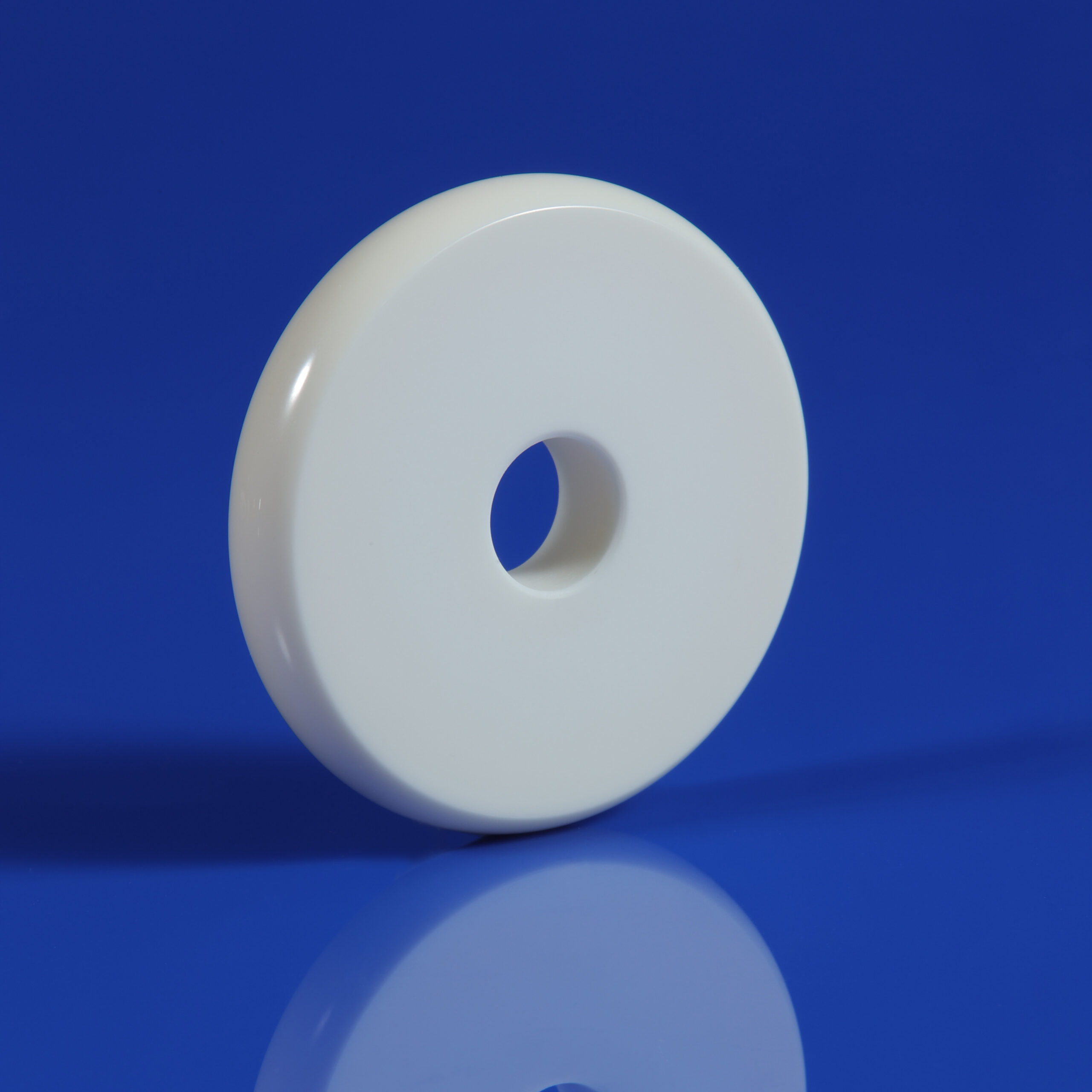
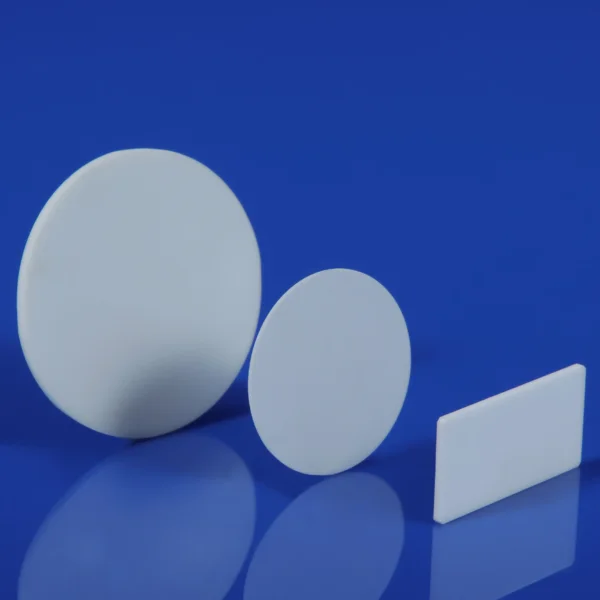
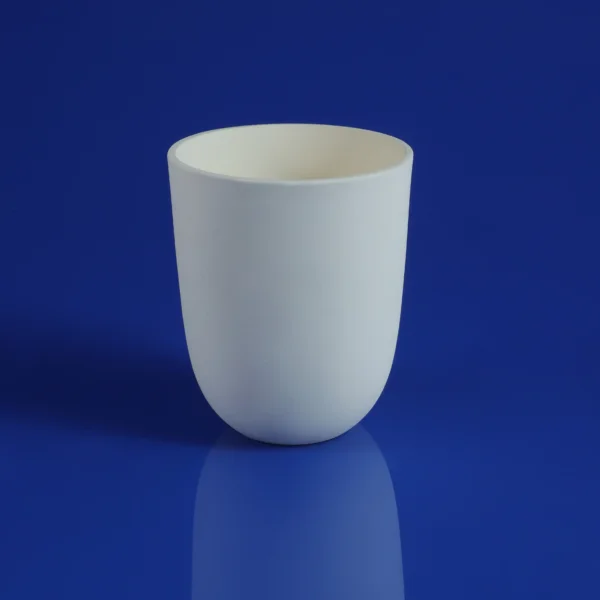
Typical preparation processes for metallized ceramics include thick-film printing, sintering, and electroplating, with coating thicknesses precisely controlled at the micron level. They support precision machining of complex shapes (such as tubular, annular, or flanged structures) and meet medical-grade ISO 13485 and biosafety requirements. The overall appearance is clean white and smooth, with metallized areas showing a silver-gray finish, embodying the aesthetic beauty of high-precision manufacturing along with engineering reliability.