
5 Critical Factors When Designing Metallized Ceramic Insulators
Metallized ceramic insulators play a vital role in high-performance electrical and electronic systems. They provide excellent electrical insulation while enabling strong, reliable bonding between ceramic and metal components. From vacuum devices and power transmission equipment to aerospace and medical applications, the demand for high-quality metallized ceramic insulators continues to grow.
To achieve optimal performance, engineers must consider several critical factors during the ceramic insulator design process. This article explores the five most important considerations when developing reliable and durable metallized ceramic components.
1. Selecting the Right Ceramic Material
Material selection is the foundation of successful metallized ceramic insulator design. Different ceramic materials offer varying levels of electrical insulation, mechanical strength, thermal conductivity, and chemical resistance.
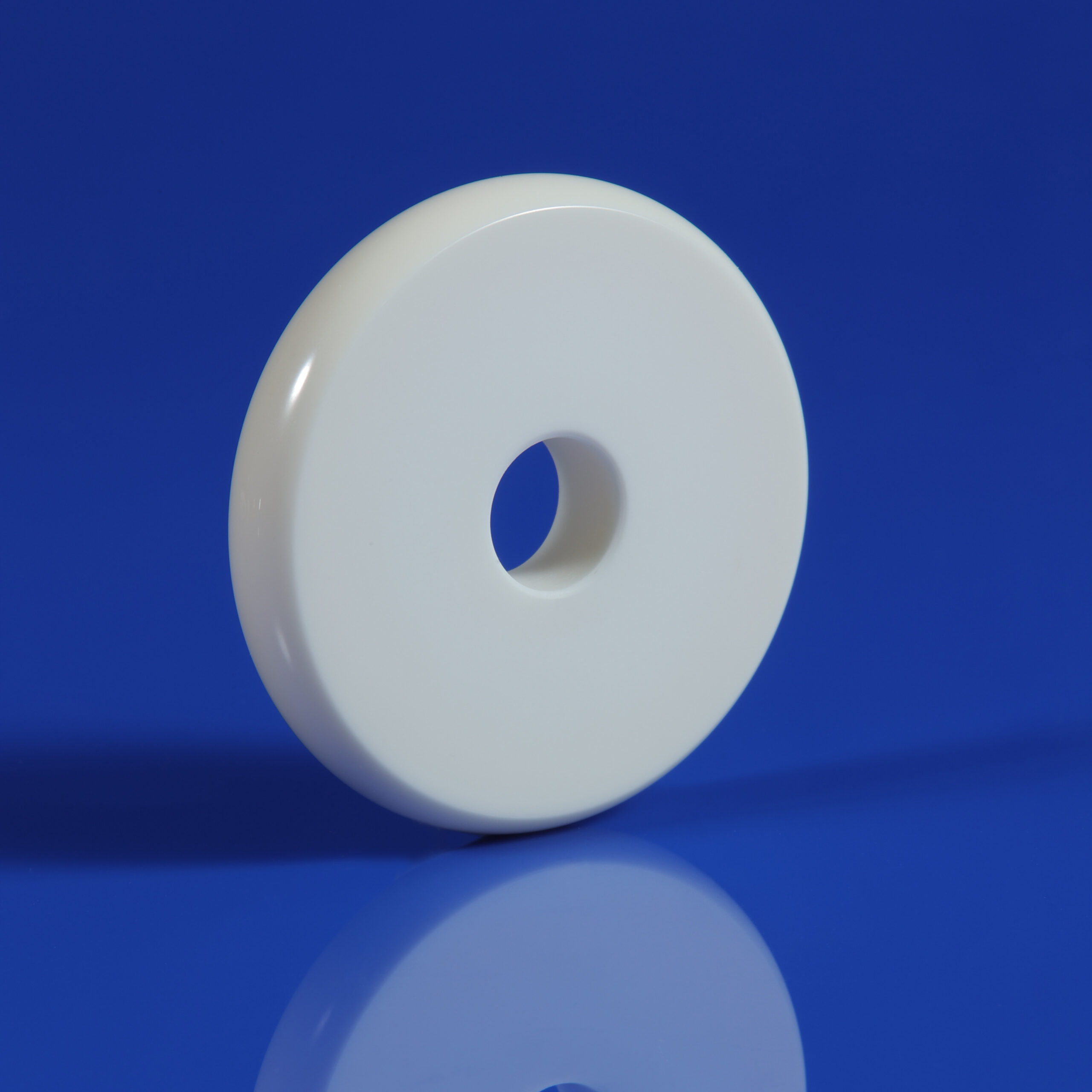
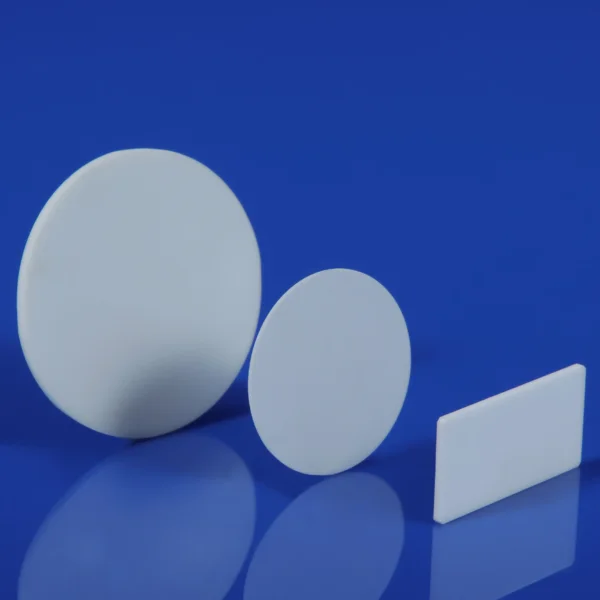
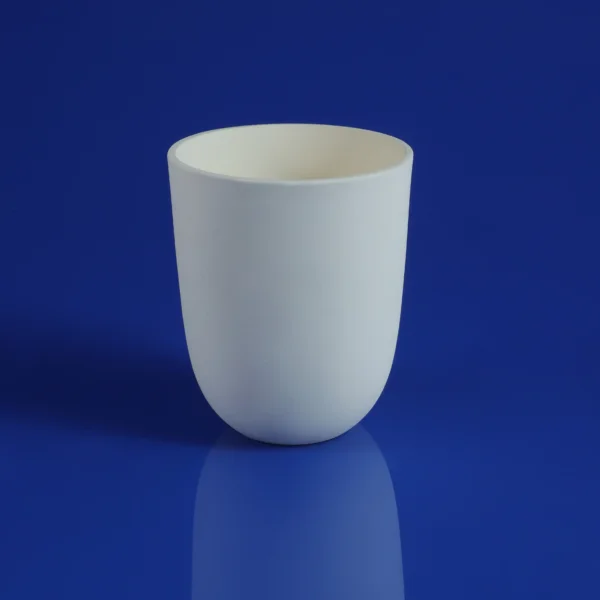
Among all available materials, alumina ceramics are the most widely used due to their excellent balance of properties, including:
- High dielectric strength
- Superior mechanical durability
- Excellent wear resistance
- Good thermal stability
- Cost-effective manufacturing
For specialized applications, zirconia, aluminum nitride, or beryllium oxide may also be considered depending on thermal and electrical requirements. Choosing the appropriate ceramic material ensures the insulator can withstand operating conditions while maintaining long-term reliability.
2. Metallization Quality and Adhesion Strength
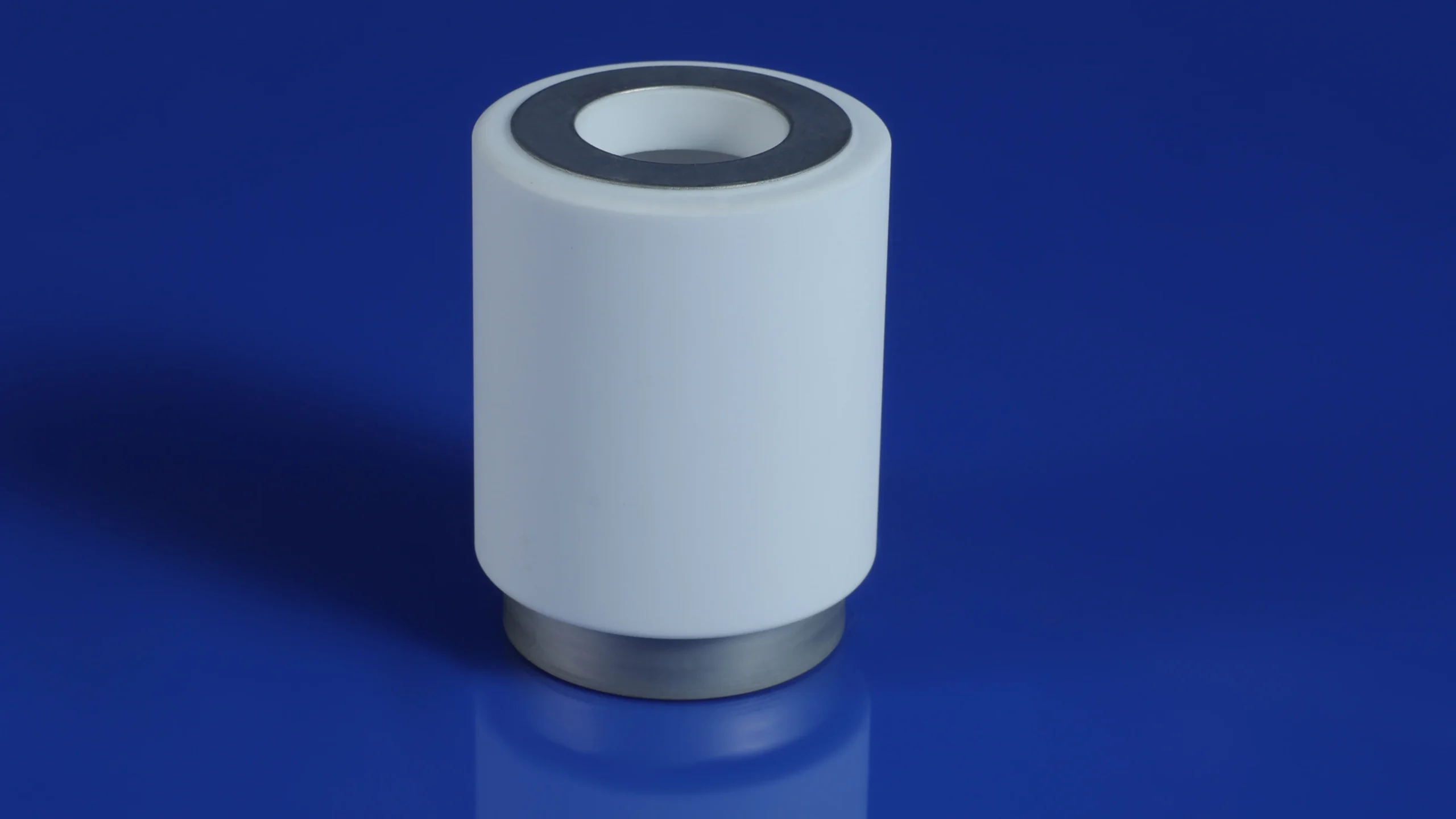
The performance of metallized ceramics largely depends on the quality of the metallization layer. Metallization creates a surface that allows ceramic components to be brazed or soldered to metal parts, forming robust ceramic-to-metal seals.
Several factors influence metallization quality:
- Surface preparation of the ceramic
- Metallization paste composition
- Firing temperature and atmosphere
- Metallized layer thickness
- Bonding process parameters
Poor adhesion can lead to cracking, leakage, or seal failure, especially in demanding environments such as vacuum systems and high-pressure applications. Therefore, achieving strong metallization adhesion is essential for long-term performance.
3. Thermal Expansion Compatibility
One of the most common causes of failure in ceramic-to-metal assemblies is the mismatch in coefficient of thermal expansion (CTE) between ceramic and metal materials.
When components experience temperature changes, different expansion rates generate stress at the bonding interface. Excessive stress can result in:
- Cracking of the ceramic
- Delamination of metallized layers
- Seal leakage
- Reduced service life
To minimize these risks, engineers carefully select compatible metals such as Kovar, molybdenum, or stainless steel. Proper CTE matching helps maintain the integrity of ceramic-to-metal seals throughout thermal cycling. This consideration is particularly important for vacuum ceramic insulators used in semiconductor manufacturing equipment, electron tubes, and scientific instruments.
4. Electrical Performance Requirements
Electrical characteristics are among the most important design considerations for metallized ceramic insulators.
Designers must evaluate:
- Operating voltage
- Insulation resistance
- Dielectric strength
- Creepage distance
- Clearance distance
- Frequency range
For high-voltage ceramic insulators, geometry plays a significant role in preventing electrical breakdown and surface flashover. Features such as ribs, sheds, and extended creepage paths can significantly improve insulation performance under harsh environmental conditions.
Accurate electrical analysis during the design stage helps ensure safe and reliable operation in demanding industrial applications.
5. Manufacturing Precision and Customization
Modern industries increasingly require custom ceramic insulators tailored to specific application requirements. Precision manufacturing directly impacts product performance, assembly efficiency, and overall system reliability.
Critical manufacturing factors include:
- Dimensional tolerances
- Surface finish quality
- Hole and thread accuracy
- Metallization placement precision
- Brazing and sealing consistency
Advanced manufacturing technologies such as CNC machining, precision grinding, and automated metallization processes enable the production of highly complex ceramic components with exceptional accuracy. Working with an experienced manufacturer ensures that custom designs meet strict quality standards while achieving optimal performance in the final application.
Conclusion
The successful design of metallized ceramic insulators requires a comprehensive understanding of material properties, metallization technology, thermal management, electrical performance, and manufacturing precision. By carefully considering these five critical factors, engineers can develop reliable solutions for demanding applications ranging from high-voltage power systems to vacuum and aerospace equipment.
Advances in ceramic-to-metal sealing technologies, supported by authoritative research, continue to enhance the reliability and durability of metallized ceramics in next-generation technologies. Selecting the right materials, ensuring thermal compatibility, and following precise manufacturing standards remain essential for optimal performance.