
Can Aluminum Oxide Ceramics Be Brazed to Stainless Steel?
Aluminum oxide ceramics (Al₂O₃, commonly known as alumina ceramics) are highly valued for their exceptional hardness, high-temperature resistance, and excellent corrosion resistance. They are widely used in aerospace, electronics, and medical devices. Stainless steel provides outstanding strength and durability. Can these two materials be reliably joined through brazing? Yes—but it requires careful management of challenges like the mismatch in thermal expansion coefficients (CTE). This guide covers key properties, challenges, solutions, and applications to help achieve strong, hermetic joints. Thermal stresses from CTE differences are a primary cause of failures in ceramic-to-metal brazed assemblies, making optimized processes essential.
1.Material Properties & Compatibility
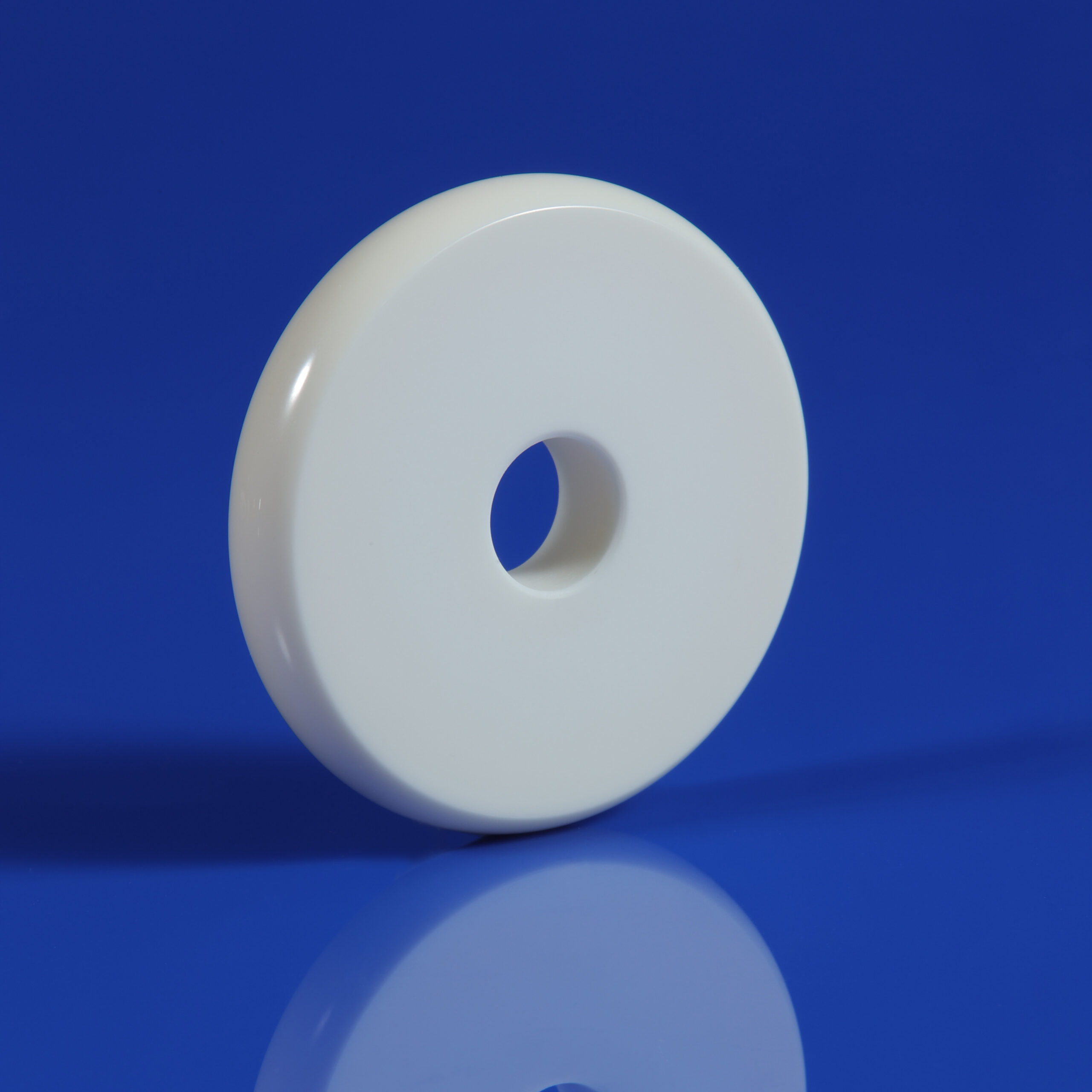
Alumina ceramics (Al₂O₃) have a low CTE of about 7–8 × 10⁻⁶/K, a melting point >2000°C, and excellent electrical insulation and wear resistance. Stainless steel (e.g., 304 or 316) has a higher CTE of 16–18 × 10⁻⁶/K, plus good strength and corrosion resistance. These complementary properties suit them well for hybrid components such as sensors, vacuum seals, and insulators.
However, the CTE mismatch can create significant stresses during cooling, risking cracks in the ceramic. Proper alloy choice and joint design can effectively manage this issue, as shown in many high-performance applications. For more details on CTE mismatch and joint behavior in vacuum brazing of 304 stainless steel to alumina using active alloys, see this study: Characterization of Vacuum Brazing of SS 304 and Alumina Ceramic with Active Brazing Alloy.
| Property | Alumina Ceramics | Stainless Steel (e.g., 304) |
|---|---|---|
| CTE (×10⁻⁶/K) | 7–8 | 16–18 |
| Melting Point (°C) | >2000 | ≈1400–1450 |
| Hardness (Vickers) | 1500–2000 | 150–200 |
| Key Advantages | High wear resistance, insulation | Ductility, corrosion resistance |
2.Main Challenges & How to Overcome Them
Brazing alumina ceramics to stainless steel involves several core challenges, but each can be addressed with targeted solutions:
Thermal Stress from CTE Mismatch
During cooling, the ceramic experiences tensile stress while the metal experiences compressive stress, which can lead to edge or core cracking.
Solution: Use graded interlayers or stress-relief designs (e.g., soft metal buffers like copper) to absorb strain, reducing deformation by up to 70% or more.Poor Wettability & Interface Reactions
The stable oxide layer on alumina makes it difficult for conventional brazes to wet the surface.
Solution: Employ active brazing alloys containing titanium (e.g., Ag-Cu-Ti series) to form reactive layers such as TiO₂ or Ti-Al compounds at the interface, dramatically improving adhesion and achieving shear strengths of 80–100 MPa. For more on the correlation between microstructure and mechanical properties in Ag-Cu-Ti brazed alumina joints, see this detailed analysis: Correlation between the mechanical properties and the microstructural behaviour of Al₂O₃–(Ag–Cu–Ti) brazed joints.Oxidation & Environmental Issues
High temperatures can cause surface oxidation.
Solution: Perform brazing in a vacuum or inert atmosphere (e.g., argon) to prevent oxide formation and ensure a clean interface.
These approaches are often combined with surface metallization (e.g., Mo-Mn coating) and have been proven in production to overcome ceramic brittleness and deliver reliable joints.
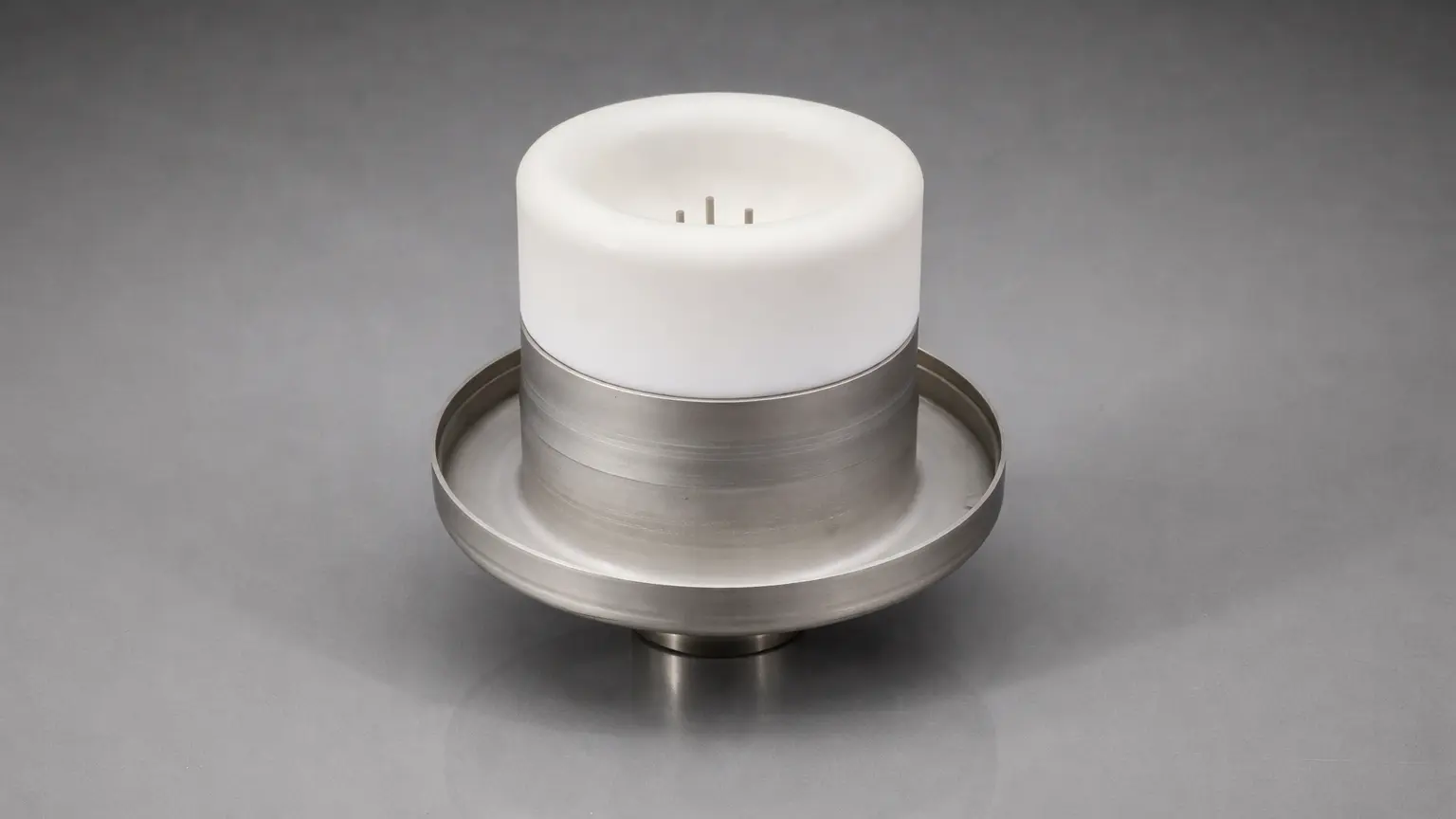
3.Recommended Brazing Techniques & Alloys
The most established methods are Active Metal Brazing (AMB) and Reactive Air Brazing (RAB), with some processes eliminating the need for pre-metallization.
Commonly recommended alloys:
| Alloy Type | Melting Point (°C) | Key Features | Typical Applications |
|---|---|---|---|
| Ag-Cu-Ti (e.g., Cusil ABA) | 780–900 | Active Ti promotes wetting; high strength | Vacuum seals, electronics |
| High-Entropy (e.g., Al-Zn-Cu-Fe-Si) | ≈1050 | Entropy-driven stability; shear strength up to 84 MPa | 3D-printed titanium with ceramics |
| B-Ni2 (Nickel-based) | 970–1000 | Excellent high-temperature resistance | Aerospace components |
Typical process steps:
(1). Surface preparation: Clean parts; metallize alumina if required (e.g., apply Ti diffusion barrier).
(2). Assembly: Place filler alloy between components and use fixtures for alignment.
(3). Heating: Raise temperature to 800–1100°C in a vacuum furnace and hold for 10–60 minutes (depending on alloy).
(4). Cooling: Control the cooling rate to minimize residual stress.
Best practices:
- Avoid fluxes in vacuum processes;
- Perform hermeticity and strength testing on finished joints;
- Prevent rapid cooling or temperature fluctuations.
4.Real Applications & Case Examples
Brazed alumina–stainless steel joints perform exceptionally in demanding environments. Here are a few representative cases:
Aerospace Sensors
In satellite components, active brazing with Ag-Cu-Ti alloys creates reliable seals that withstand thermal cycling, with joint strengths exceeding 50 MPa.Medical Implants
Alumina is joined to 316L stainless steel using high-entropy fillers, achieving biocompatibility and shear strengths up to 84 MPa, extending device service life by approximately 30%.Industrial Vacuum Components
In solid oxide fuel cells (SOFC) or reformers, RAB processes (with CuO additions) produce gas-tight joints that maintain aging resistance for over 1000 hours at elevated temperatures.
These examples show that, with optimized fixtures and process control, distortion can be reduced from 275 µm to as little as 8 µm, greatly improving overall reliability. For broader context on joining alumina to metals (including stainless steel) and emerging techniques, see this comprehensive review: Joining alumina to metals: Technologies, challenges, and future prospects for high-performance structures.
5.Summary & Call to Action
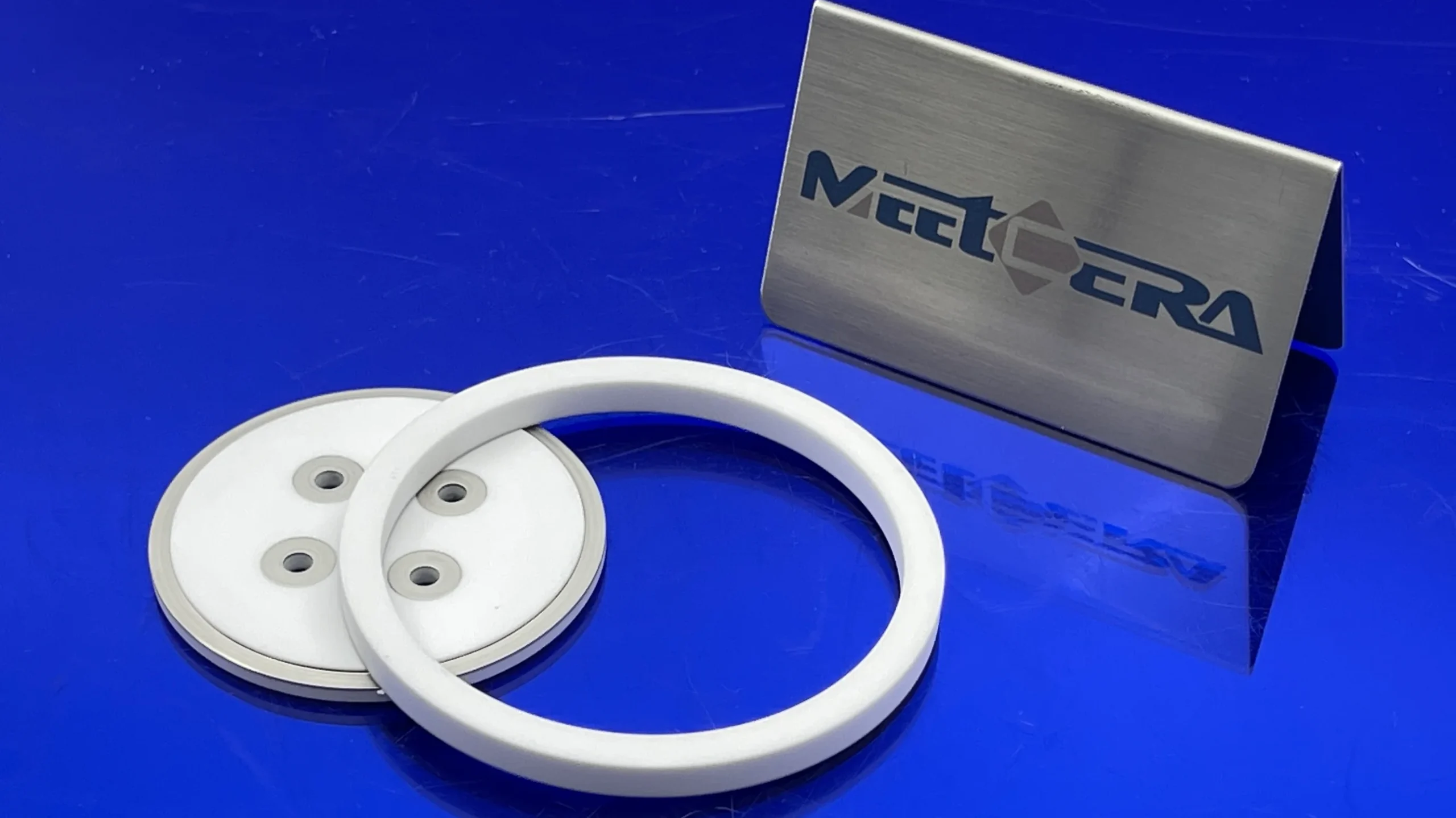
Brazing aluminum oxide ceramics to stainless steel is fully feasible and highly effective when using active alloys, controlled parameters, and thoughtful joint design. Mastering these techniques enables high-strength, high-temperature, hermetic connections.
Ready to start your brazing project? Feel free to contact Fuzhou Meetcera Technology Co., Ltd. We offer free consultations and technical sample support—reach out directly via WhatsApp. We’d love to hear your brazing experiences or questions in the comments below!