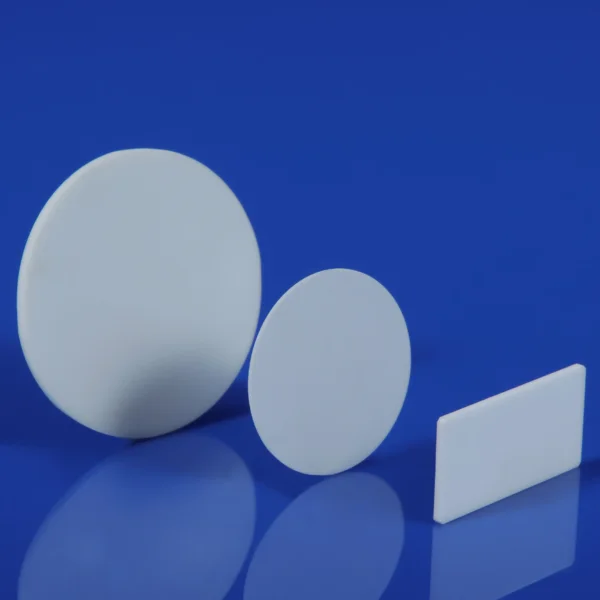
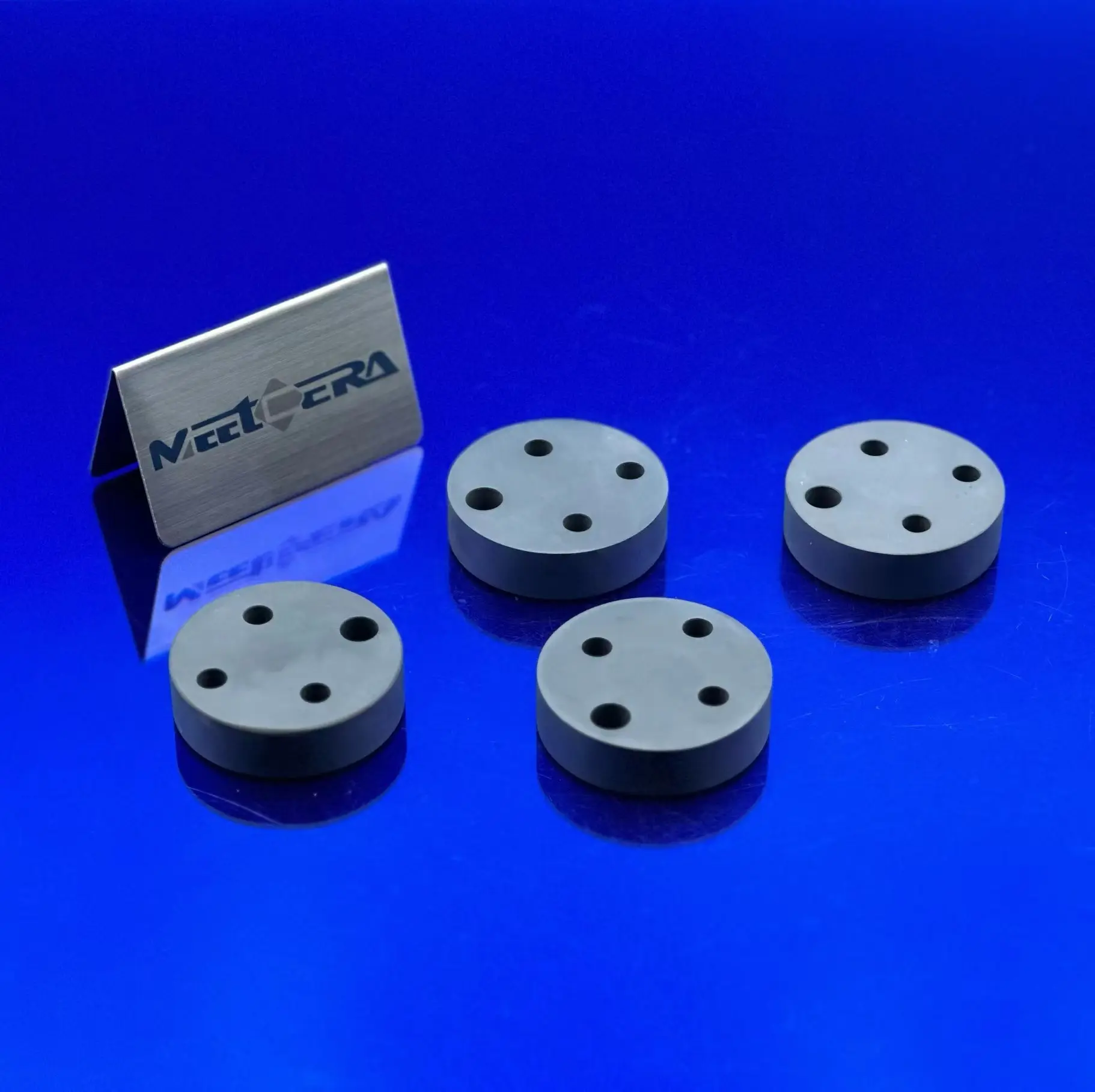
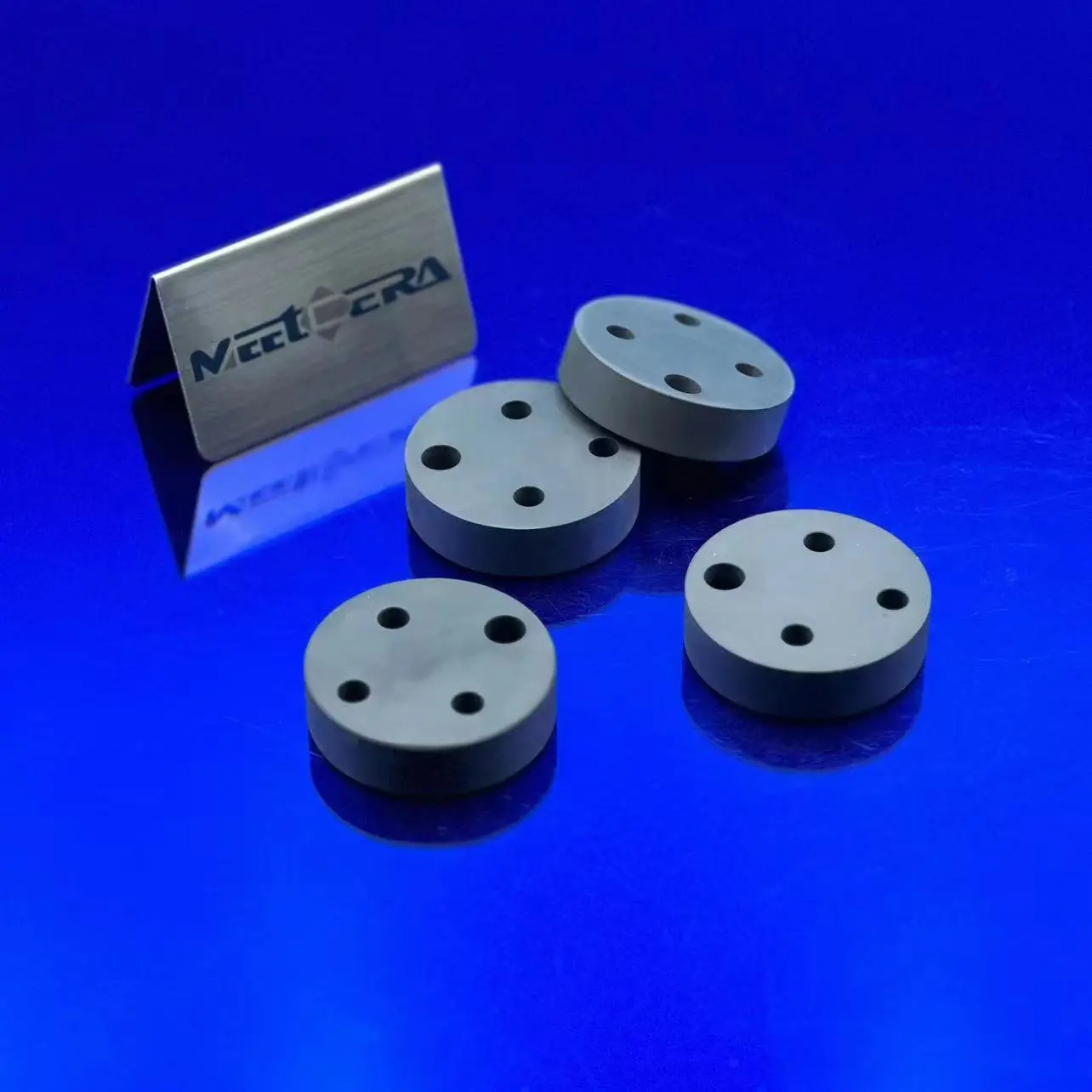
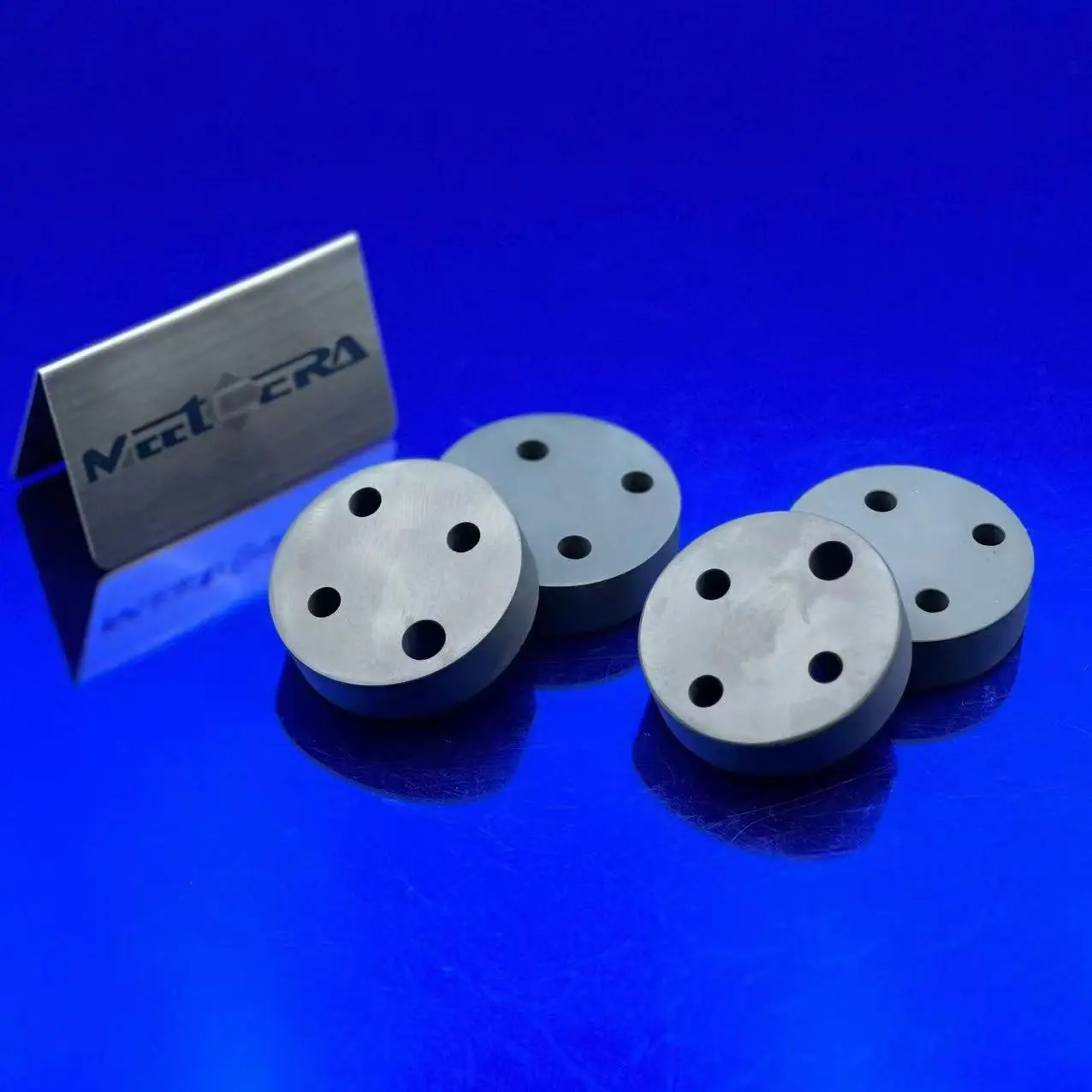
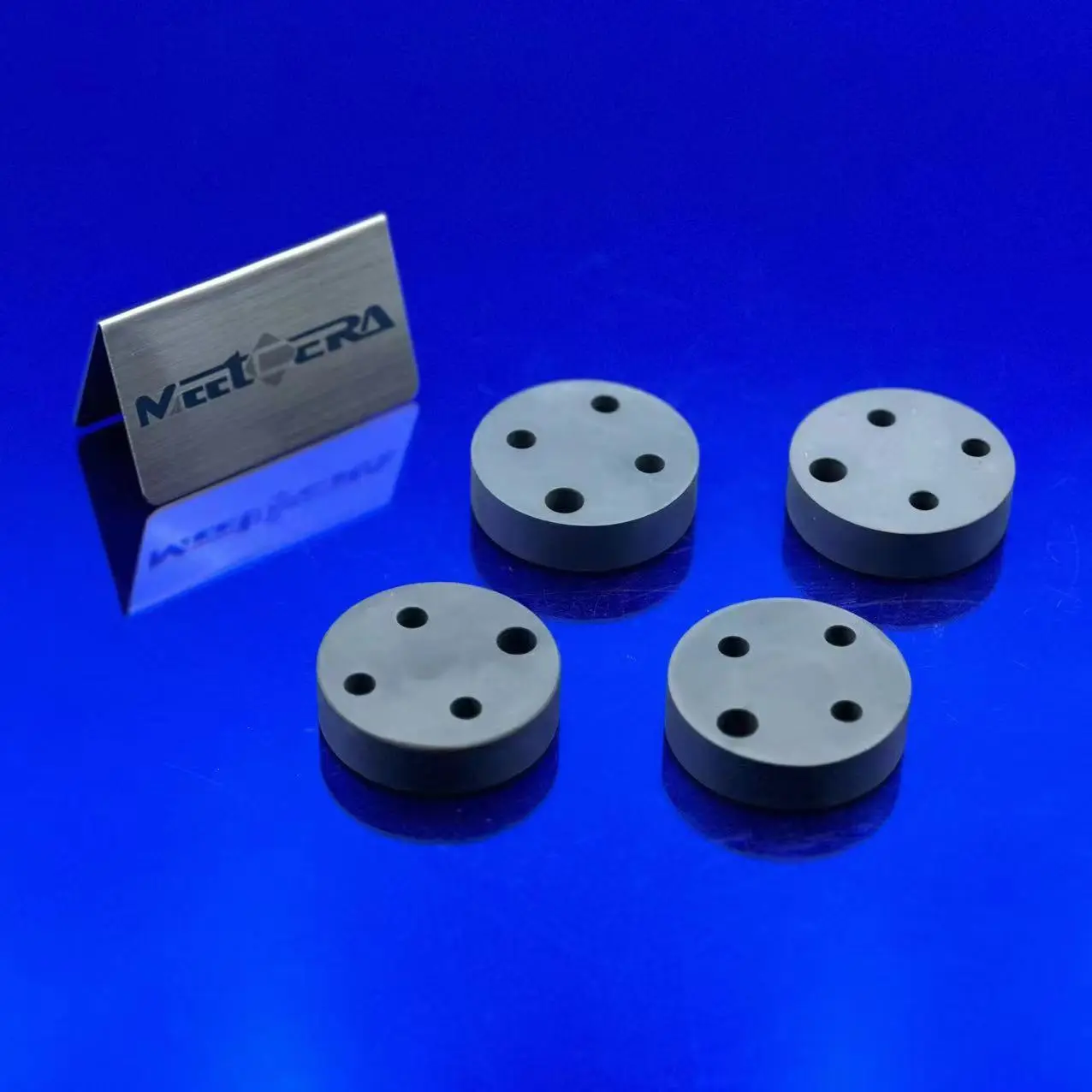
Silicon Nitride Plate
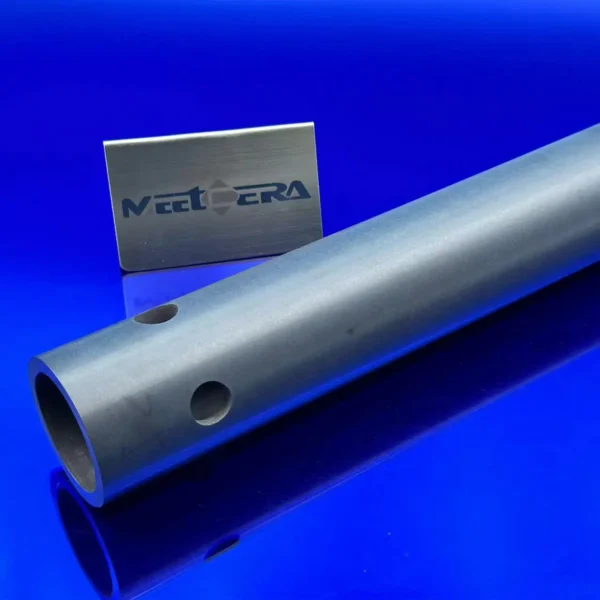
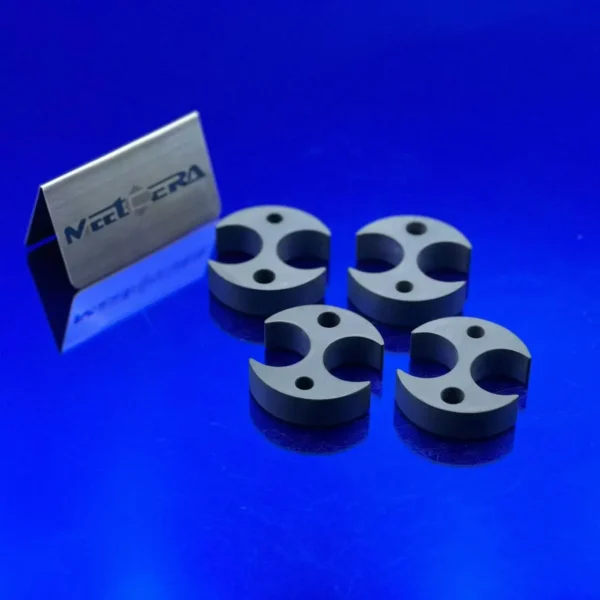
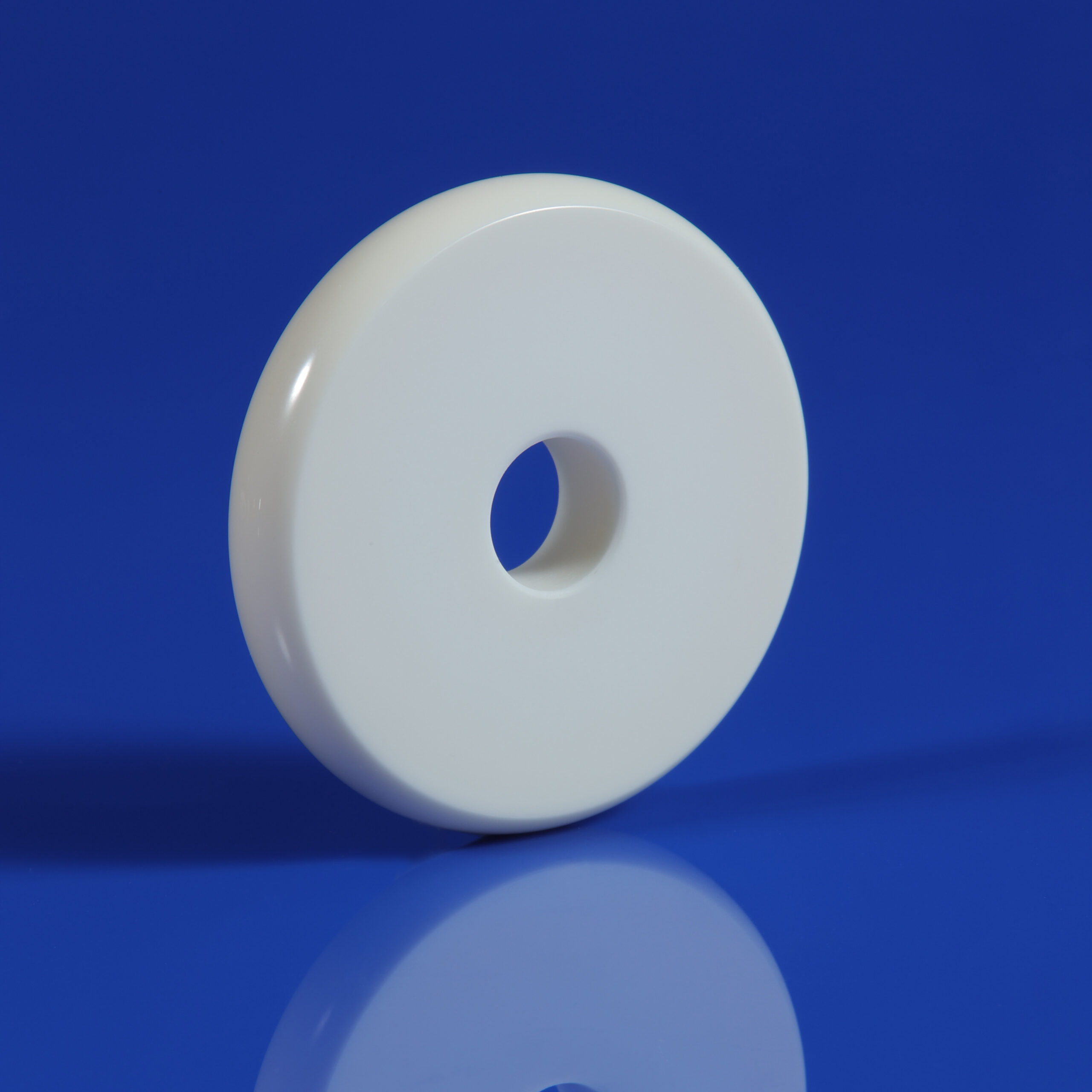
Silicon Nitride (Si₃N₄) ceramic substrate is a high-performance engineering ceramic known for exceptional strength, fracture toughness, thermal shock resistance, and wear/corrosion resistance. It excels in high-temperature, high-stress applications where metals and other ceramics often fail.
Product Features
- Exceptional fracture toughness and high strength at elevated temperatures
- Outstanding thermal shock resistance (ΔT up to 600–800°C)
- Excellent wear resistance, corrosion resistance, and chemical stability
- Low thermal expansion with good thermal conductivity
Related Si₃N₄ Ceramic Products
- Si₃N₄ ceramic substrates (standard & custom)
- Si₃N₄ bearing balls & rollers
- Si₃N₄ structural components (shafts, plungers, nozzles)
- Si₃N₄ crucibles & high-temperature wear parts
Application Scenarios
- Automotive engine components (glow plugs, turbocharger rotors)
- High-temperature bearings & rolling elements
- Semiconductor equipment & wafer processing parts
- Industrial wear-resistant parts (cutting tools, nozzles, seals)
FAQ
Q1: How does Si₃N₄ compare to Al₂O₃ in thermal shock resistance?
A: Si₃N₄ is far superior (ΔT ≥600°C vs ~200–300°C for Al₂O₃), due to low expansion and high toughness.
Q2: What is the typical maximum service temperature?
A: Up to 1200–1400°C in non-oxidizing atmospheres; retains high strength well above 1000°C.
Q3: Is Si₃N₄ suitable for corrosive environments?
A: Yes — excellent resistance to most acids (except HF), alkalis, molten metals, and gases.