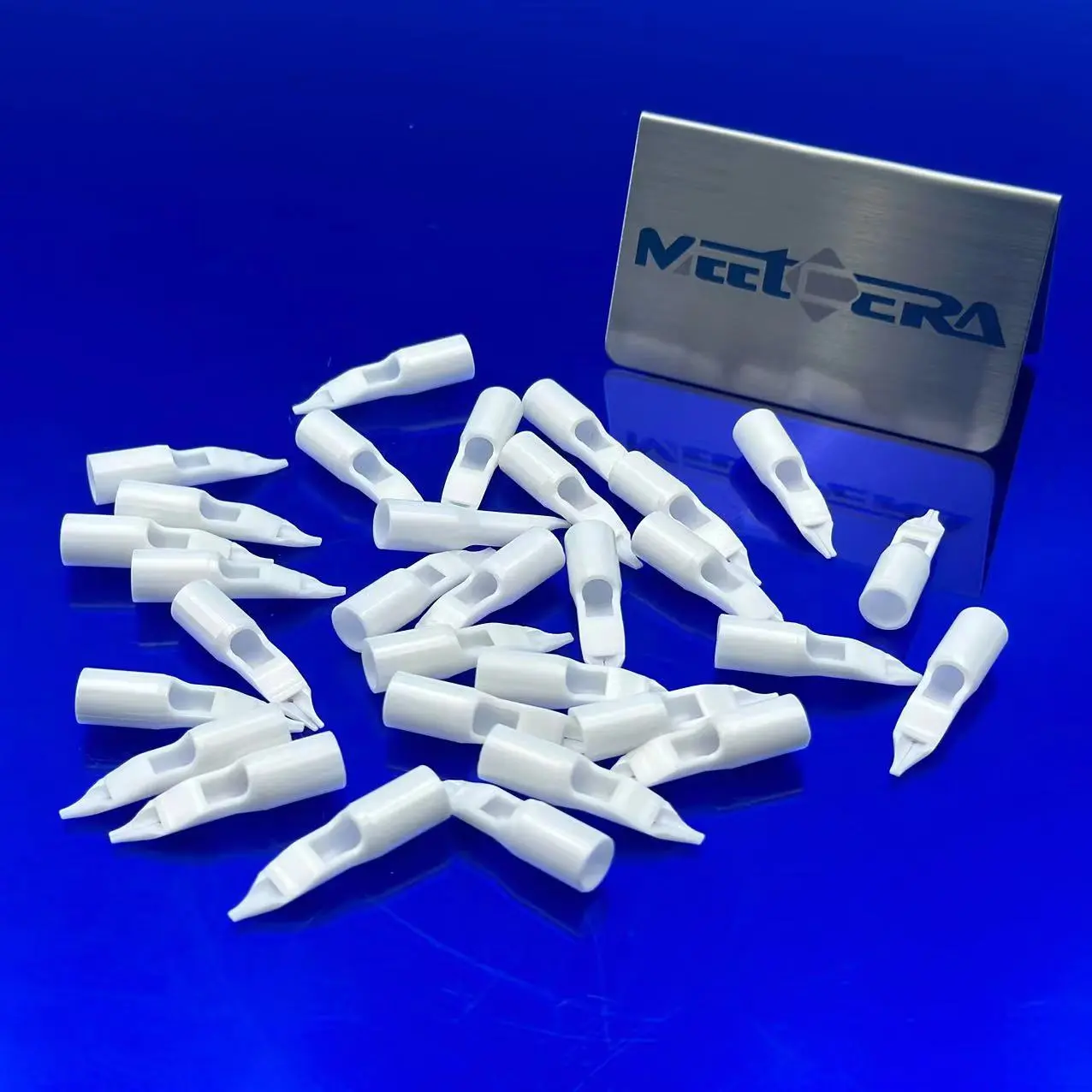

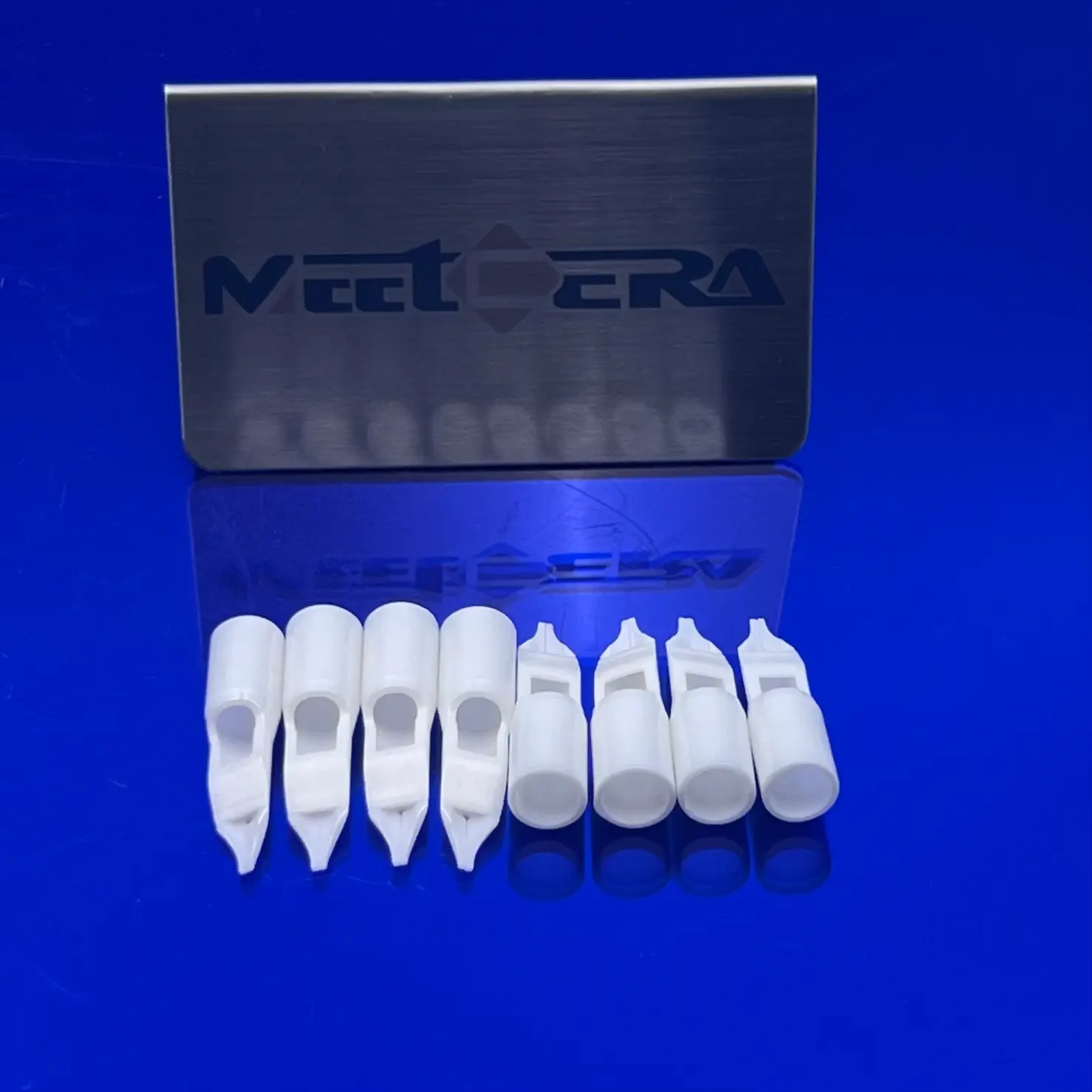
Zirconia Ceramic Nib
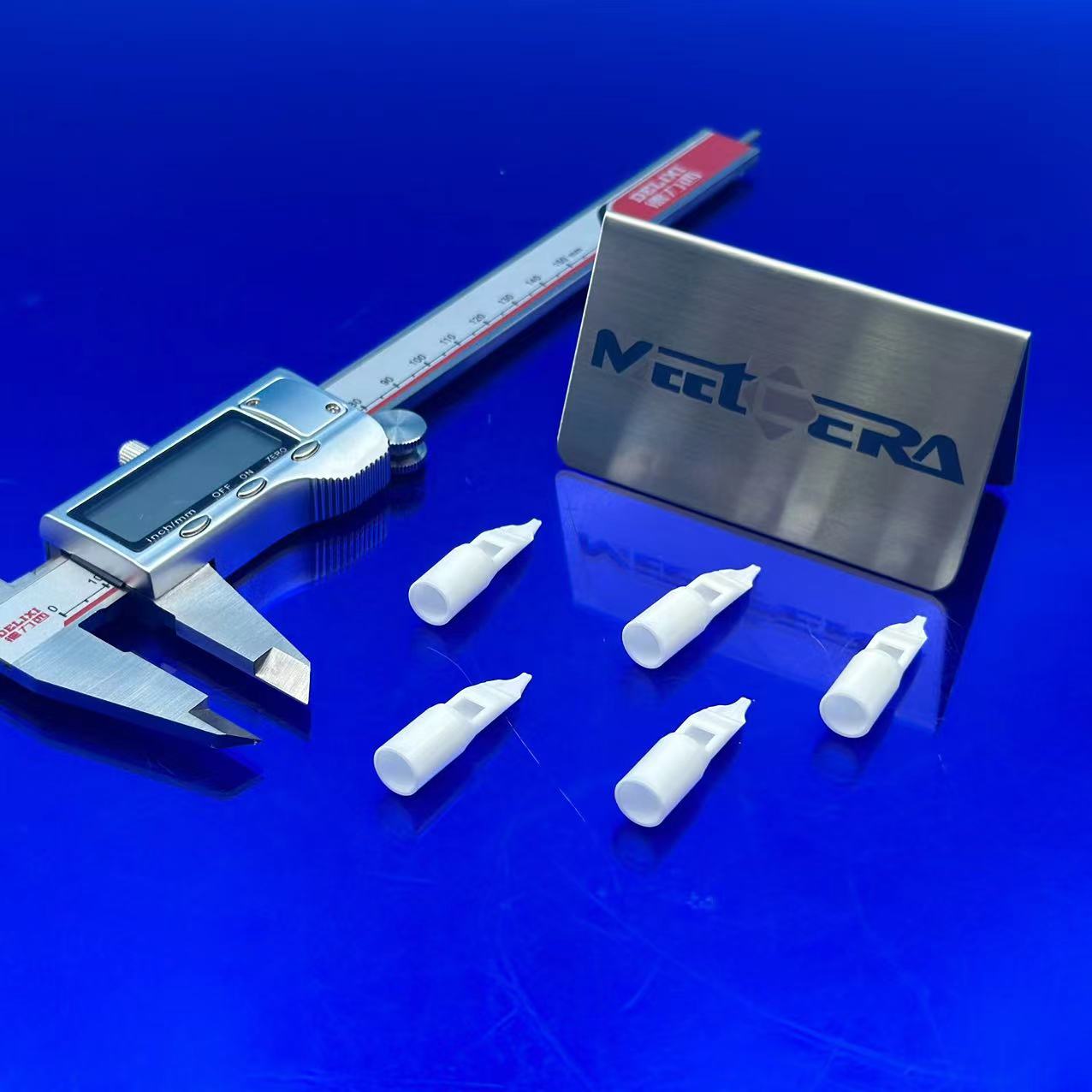
Made from high-purity zirconia (ZrO₂) ceramic (Y-TZP or FSZ grades), produced via ceramic injection molding (CIM), high-temperature sintering, and precision grinding/polishing. Ideal for premium fountain pens, signature pens, electromagnetic styluses, and industrial markers, offering exceptional durability and stability.
Core Material Advantages:
- Ultra-high hardness & wear resistance: near sapphire level, wear ≤1/10 of metal nibs
- Excellent chemical resistance: unaffected by inks, sweat, or corrosives
- Low thermal expansion: stable lines across temperature changes
- Mirror finish: Ra ≤ 0.1 μm for reduced friction
- Non-magnetic & anti-static: perfect for digital pens and clean environments
Typical Application Fields:
- Premium fountain pens / calligraphy pens
- Permanent signature / archival pens
- Digital tablets / e-ink / electromagnetic styluses
- Laboratory & cleanroom markers
- Collectible & industrial precision tools
FAQ
Q1: Is it really “permanently wear-free”?
A: Nearly — wear is far lower than metal nibs; typical lifespan 10× longer under normal use (50–300 g pressure).
Q2: Main advantages over gold/stainless steel nibs?
A: Much higher wear & corrosion resistance, better dimensional stability, non-magnetic/anti-static — crisp feel vs. softer gold.
Q3: Why is it more expensive?
A: High-purity materials, precision CIM molding, sintering, and multi-step mirror polishing make costs several times higher than metal nibs.