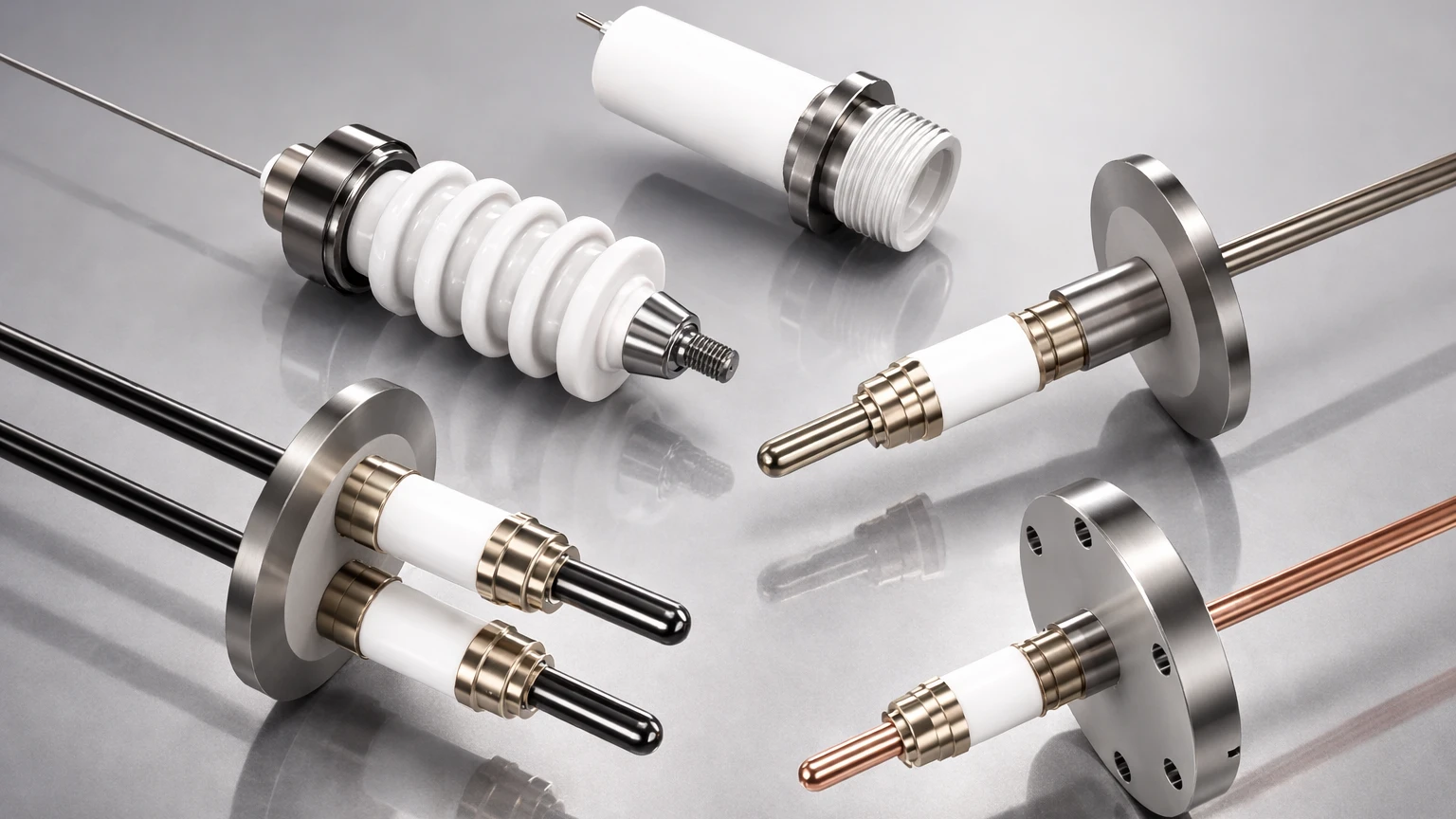
What is a Ceramic Feedthrough? Principles, Structure, and Application Overview
In modern industrial and precision medical fields, engineers often face a critical challenge: how to transmit electrical power or signals from a sealed environment (such as a high-pressure chamber, vacuum housing, or the interior of a medical implant) to the outside world while ensuring the two environments remain completely isolated?
The answer is the Ceramic-to-Metal Feedthrough.
1. Definition: What is a Feedthrough?
A Feedthrough is an electromechanical component designed to "feed" electricity "through" a structural barrier. It acts as a specialized electrical connector that achieves a crucial dual-purpose: maintaining a physical, airtight seal (hermeticity) while allowing the transmission of current or data across the barrier.
Why are "Insulation" and "Hermeticity" Dual Requirements?
- Insulation: Since conductive pins usually pass through a metal housing or container wall, a high-performance dielectric medium is required to prevent electrical shorting to the chassis.
*Hermeticity: In vacuum applications, it prevents atmospheric ingress; in medical implants, it blocks body fluids. Any microscopic leak can lead to catastrophic failure of an expensive system. For more on the technical specifications of hermeticity, the American Vacuum Society (AVS) provides extensive resources on vacuum science and leakage standards.
2. Core Structure: The "Iron Triangle" of Ceramic Feedthroughs
A high-performance ceramic feedthrough is typically composed of three key materials joined through an advanced Ceramic-to-Metal Joining (Brazing) process:
| Component | Common Materials | Primary Function |
|---|---|---|
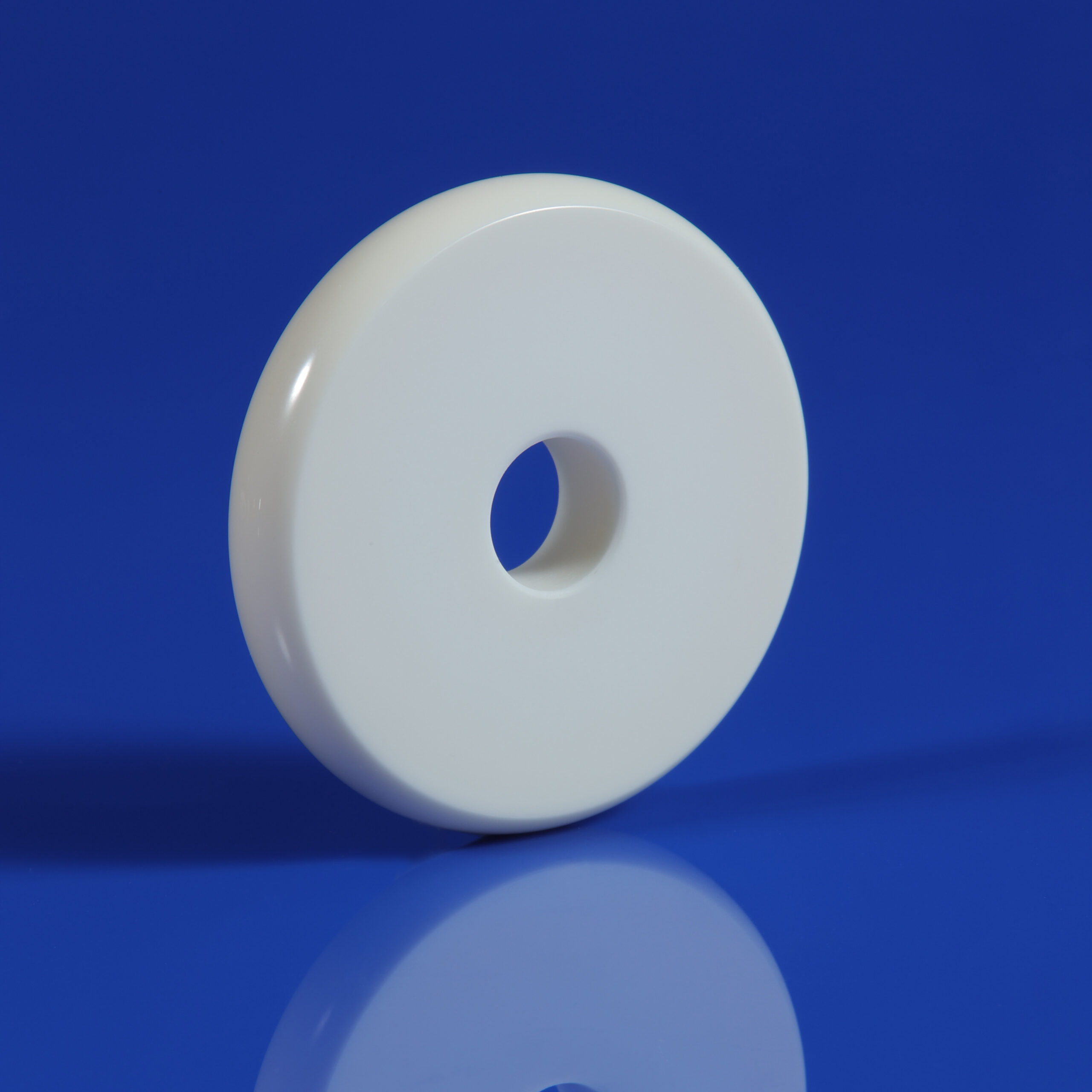
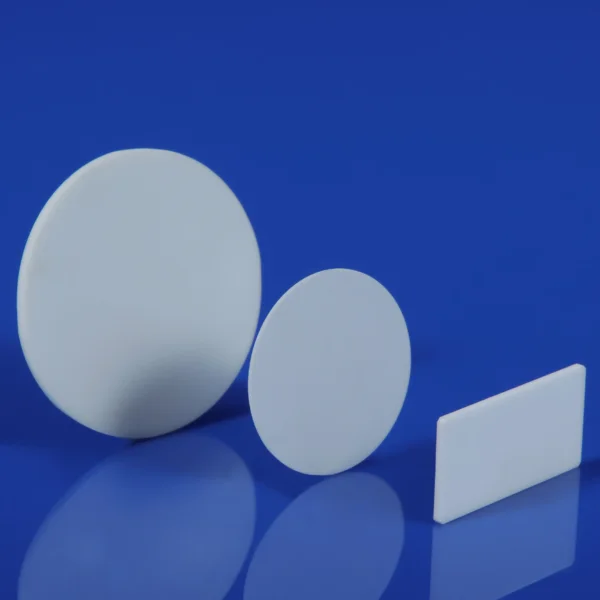
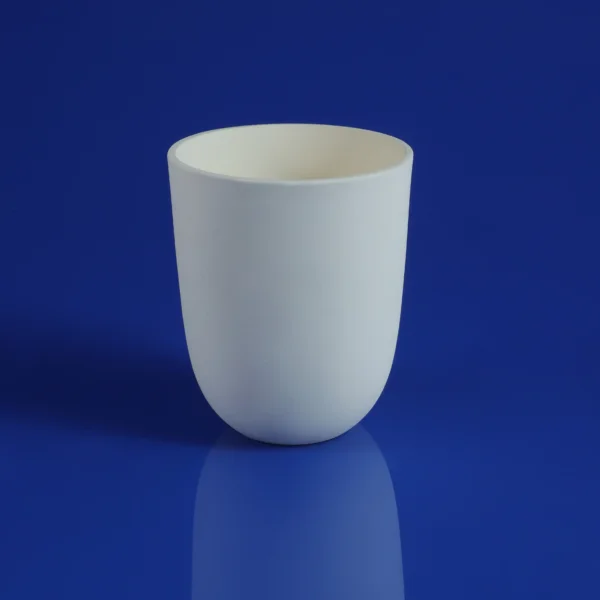
| Insulator | High-purity Alumina ($Al_2O_3$), Zirconia ($ZrO_2$), Aluminum Nitride (AlN) | Provides extreme electrical insulation, supports the pins, and withstands mechanical/thermal shock. |
| Conductor (Pin) | Titanium (Ti), Platinum-Iridium, Kovar, Copper, Nickel | Responsible for efficient transmission of current or signals; requires high conductivity and corrosion resistance. |
| Housing / Flange | Stainless Steel (304/316L), Titanium Alloy, Kovar | Secures the feedthrough assembly to the device chassis via welding, brazing, or threaded connection. |
3. Deep Comparison: Why Choose Ceramic Over Plastic?
While plastic or epoxy encapsulation is common in low-end applications, ceramic is the irreplaceable choice for High-Reliability (Hi-Rel) scenarios. The American Ceramic Society (ACerS) offers in-depth research on how technical ceramics outperform polymers in extreme thermal and chemical environments.
- Thermal Performance: Plastics often soften or degrade above 200°C. Ceramic feedthroughs are processed during vacuum brazing at temperatures exceeding 800°C, allowing them to withstand extreme cryogenic-to-high-heat thermal cycling in the field.
- Hermetic Longevity: Polymers are naturally permeable and prone to aging or cracking. Ceramic-to-metal seals involve molecular-level bonding via brazing, providing permanent hermeticity.
- Mechanical & Chemical Stability: Ceramics are exceptionally hard and chemically inert. They do not react with most acids, bases, or solvents, making them superior in deep-sea high-pressure environments or corrosive biological fluids.
4. Overview of Common Application Fields
(1). Implantable Medical Devices
This represents the pinnacle of precision. Used in pacemakers and cochlear implants, these require ultra-miniature sizes and biocompatible materials. According to the International Organization for Standardization (ISO) regarding ISO 13485 and ISO 10993, material selection for these components must undergo rigorous biocompatibility validation.
(2). Aerospace and Defense
In the electronic bays of satellites and launch vehicles, ceramic feedthroughs must operate under severe vibration and the extreme temperature swings of space vacuum.
(3). Semiconductor and Vacuum Industry
In chip manufacturing equipment like PVD/CVD systems, Ultra-High Vacuum (UHV) environments have strict limits on outgassing. Ceramic feedthroughs are the "gatekeepers" of chamber cleanliness.
(4). New Energy and Nuclear Power
In nuclear fusion experimental reactors, ceramic feedthroughs utilize their radiation resistance and high-voltage dielectric strength to ensure safe energy transmission.
5.Conclusion
A ceramic feedthrough is more than just a connector; it is a masterpiece of materials science and precision engineering.
In our next article, we will dive deeper: What is the difference between Ceramic-to-Metal and Glass-to-Metal (GTMS) seals? How should your project balance cost vs. performance?
Looking for a customized ceramic feedthrough solution? Contact our senior engineers for one-on-one technical support.