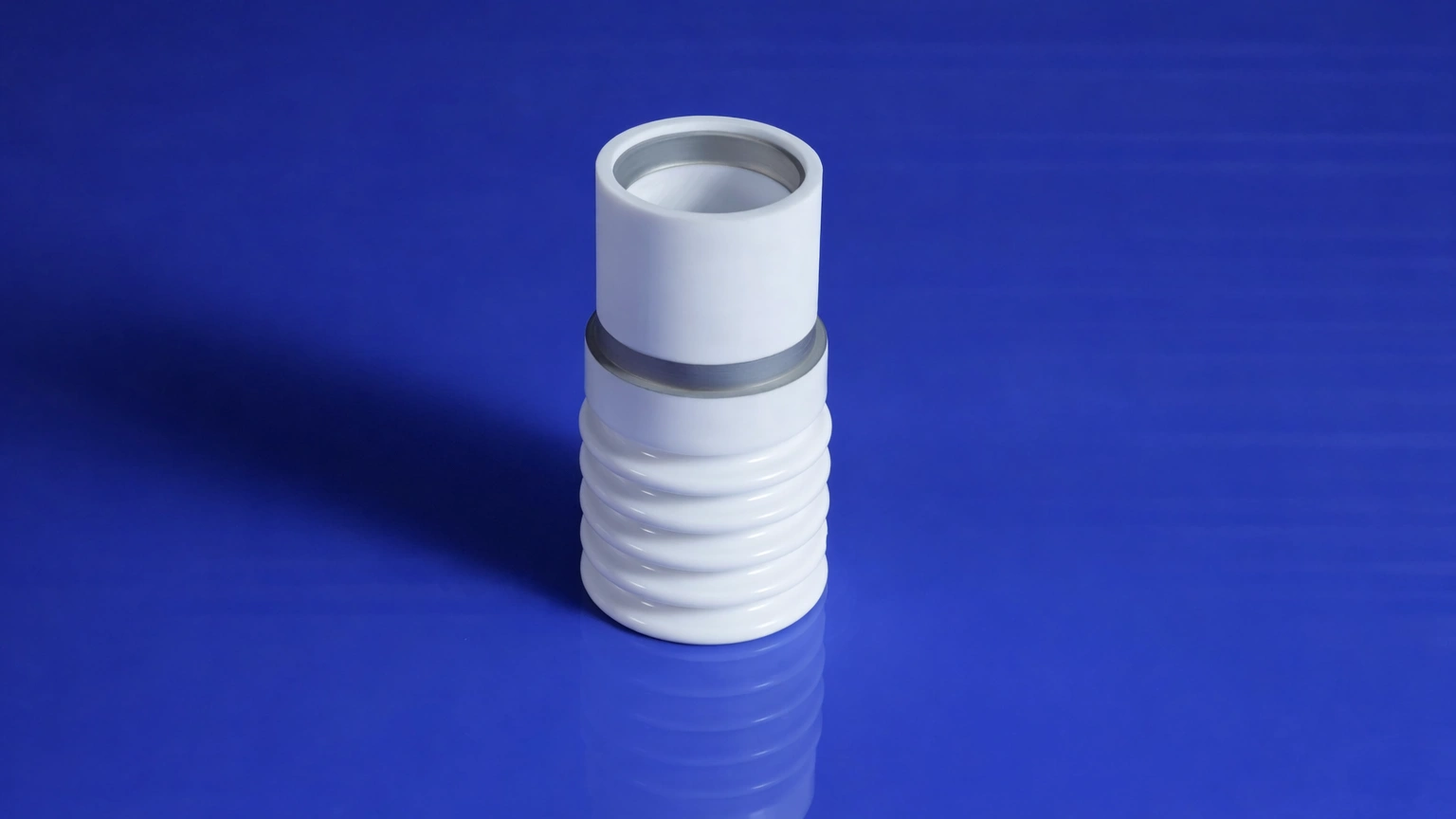
What Is a Metal Ceramic X-Ray Tube?
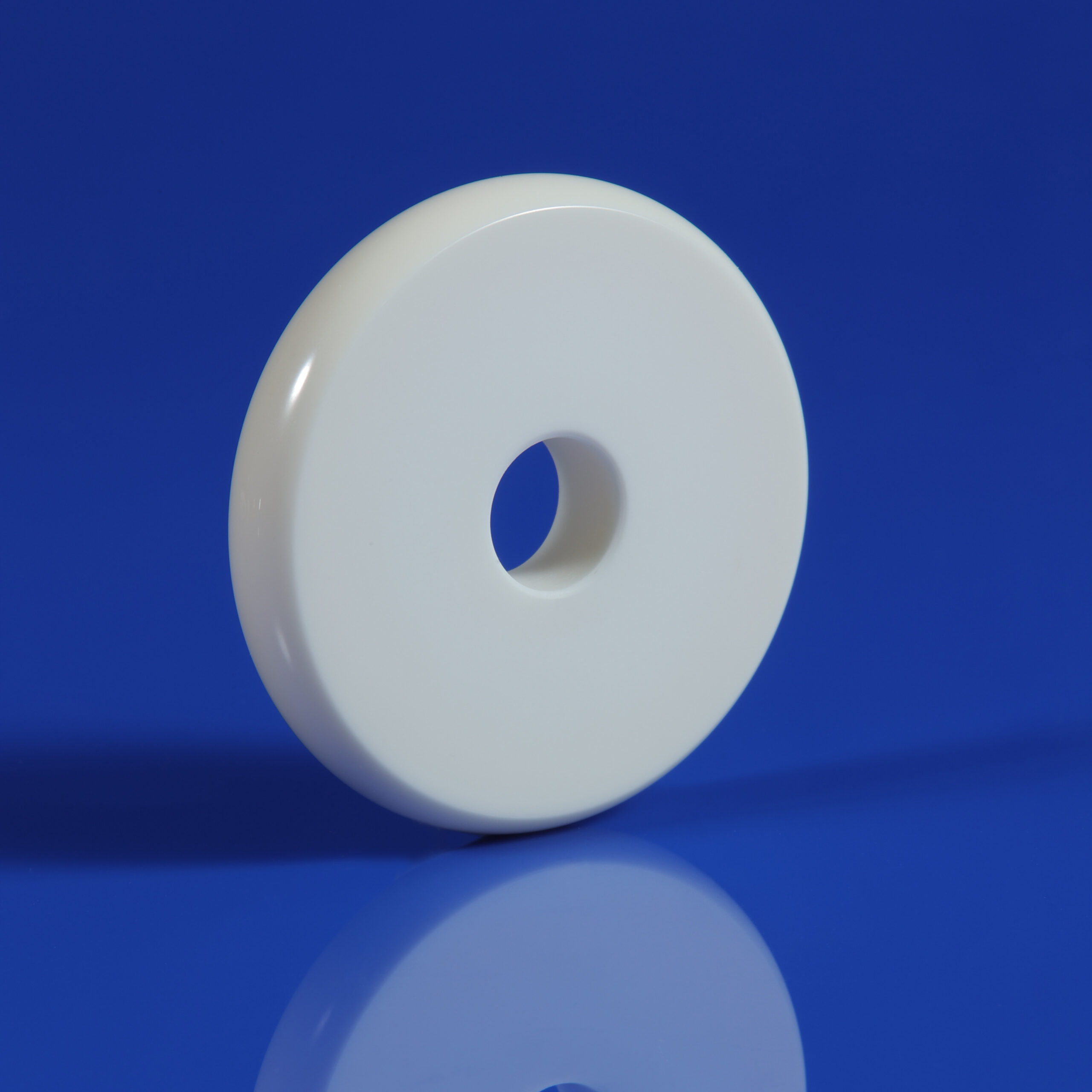
A metal ceramic X-ray tube uses a metal envelope + ceramic insulators instead of traditional all-glass design. This delivers much better durability, superior heat dissipation, lower arcing risk, and significantly longer service life — making it the go-to choice for CT scanners, industrial CT, high-power NDT, security inspection, and similar demanding applications.
1.Metal Ceramic vs Traditional Glass: Quick Comparison
| Feature | Glass Tube | Metal Ceramic Tube | Key Advantage |
|---|---|---|---|
| Envelope | All glass | Metal + ceramic | Higher strength & durability |
| Heat Capacity | Limited | 4–30+ MHU | Longer/higher power operation |
| Arcing Risk | High | Very low | Superior reliability |
| Lifespan (heavy use) | 3–5 years | 5–10+ years (CT models) | Fewer replacements |
| Off-Focus Radiation | Higher | Lower | Better image quality |
| Compactness | Larger | More compact | Fits modern high-speed systems |
(Based on Philips MRC, Siemens Straton, and Comet technical data)
2.How It Works & Why Thermal Management Matters
Core process is unchanged:
-Heated filament emits electrons
-High voltage accelerates them to tungsten anode
-Impact generates X-rays
Metal ceramic excels here: metal envelope + advanced bearings (e.g. liquid metal in premium models) enable far better heat spreading and cooling — directly translating to higher power, faster scans, and longer tube life.
3.Main Types in Use Today
- Conventional rotating anode tubes — Industrial NDT (100–450 kV), security, mid-range CT
- Philips MRC Series — Liquid metal bearing, 7–30 MHU, 800k–1.5M+ scan seconds lifespan; standard in Philips CT (Brilliance/Ingenuity)
- Siemens Straton Series — Entire tube rotates, near-zero heat storage, ultra-fast cooling; used in high-speed Siemens SOMATOM systems
- Micro-focus / high-capacity industrial
4.Realistic Lifespan & Maintenance Essentials
- Medical CT tubes (MRC/Straton): 5–10 years / 800k–1.5M+ scan seconds
- Industrial tubes: 3–7 years
- Micro-focus: 1–4 years
7 key maintenance rules to reach or exceed these numbers:
(1). Always do warm-up/seasoning
(2). Follow exposure & cooling charts strictly
(3).Use conservative mA settings
(4). Minimize rotor start/stop cycles
(5). Keep cooling system (oil/water/air) in top condition
(6). Monitor output & arcing events
(7). Update firmware for better heat algorithms
Replace when you see: reduced output, more noise/artifacts, frequent arcing, rotor noise, overheating, vacuum issues, or focal drift.
5.How to Choose the Right One
- Confirm exact system/model compatibility
- Weigh OEM vs quality refurbished/third-party
- Check HU capacity, cooling, focal spot specs
- Calculate total cost of ownership (lifespan + service)
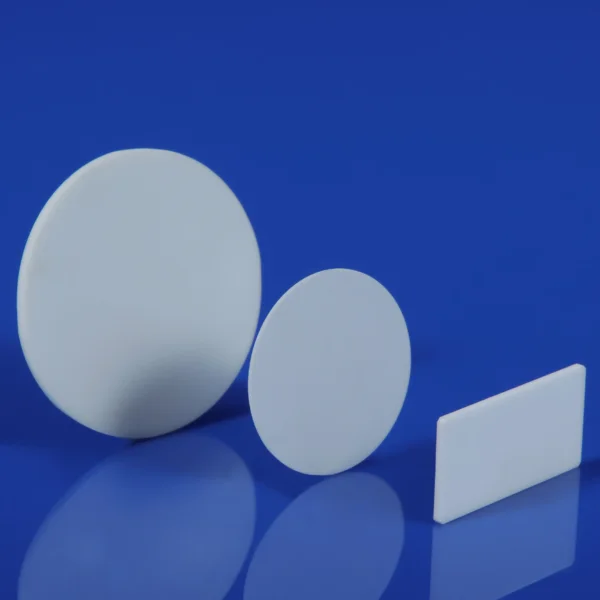
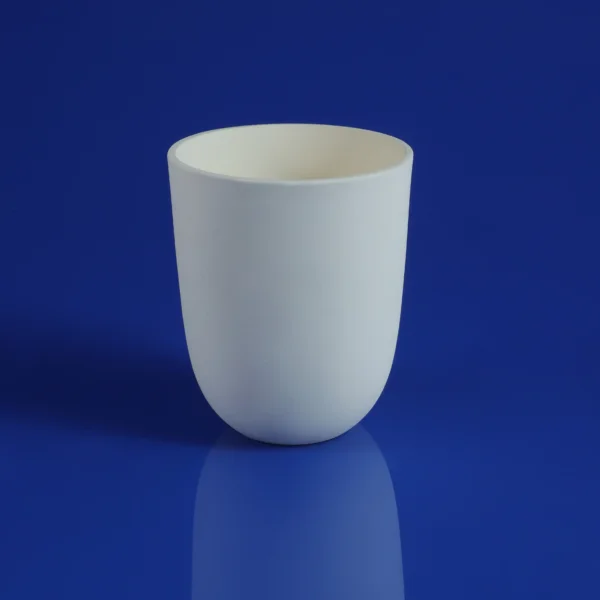
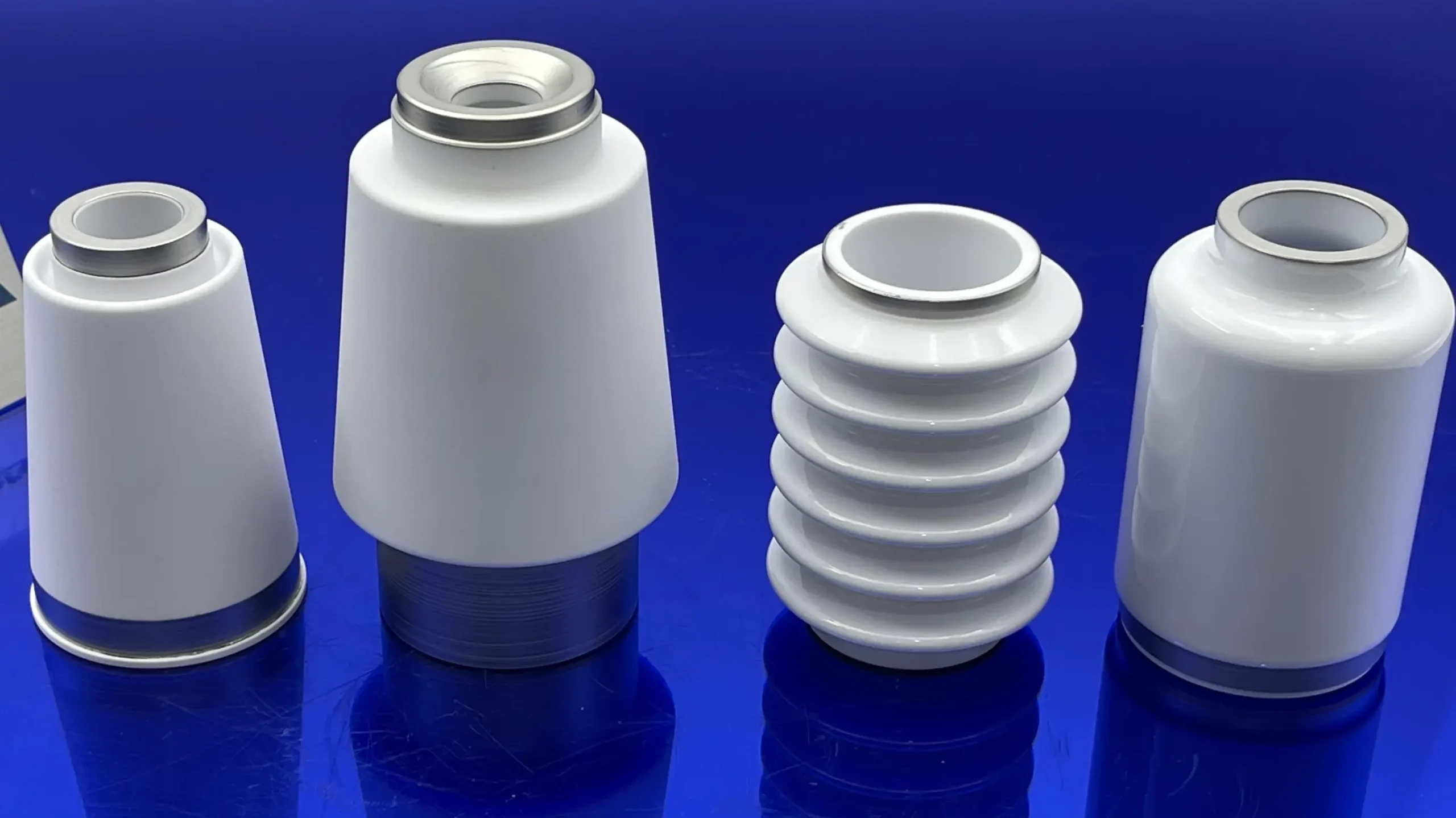
For custom metalized ceramics, tube specs, or replacement help — check these:
Questions about your specific application? Just let me know!