


What Is an X-Ray Tube?
Did you know that X-ray tubes power over 80% of medical imaging worldwide? This guide covers what an X-ray tube is, its workings, types, applications, and the role of advanced ceramics.
1.Principle and Mechanism
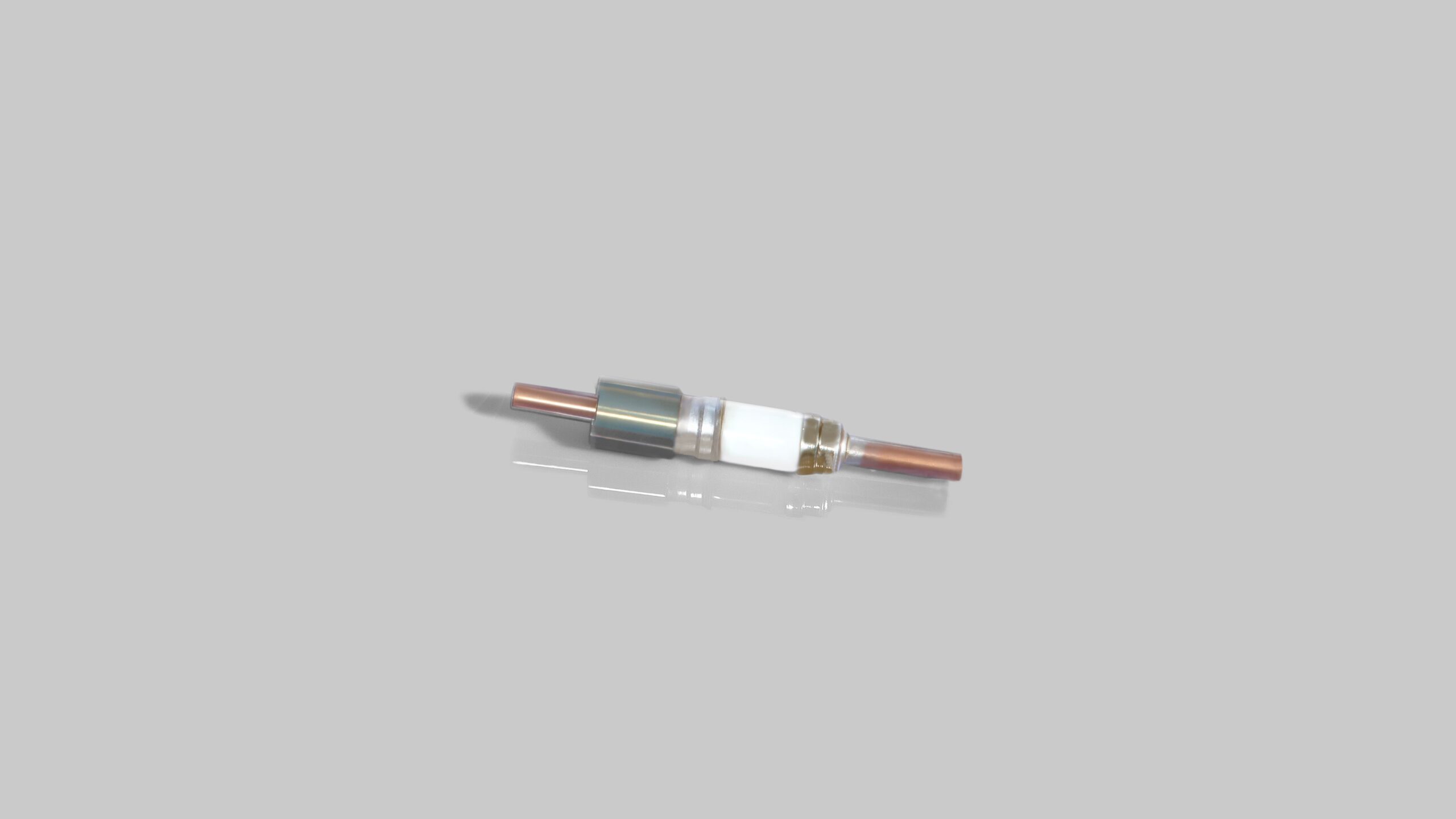
An X-ray tube, also called an X-ray source, is a vacuum tube that produces X-rays by accelerating electrons to hit an anode target. This is key in medicine and industry.
The process involves thermionic emission: a heated cathode releases electrons, which are accelerated by high voltage (20–450 kV) to the anode. Collision creates bremsstrahlung and characteristic X-rays.
- Tube voltage controls X-ray energy and penetration
- Tube current affects intensity
- Most energy becomes heat → cooling and rotating anodes are essential
Learn more about X-ray physics on Radiopaedia.
2.Types of X-Ray Tubes
X-ray tubes are designed with variations to suit different purposes, ensuring optimal performance in specialized environments. Here's a summary of the main types:
| Type | Uses | Features & Benefits |
|---|---|---|
| Analytical X-Ray Tubes | XRD and XRF for material analysis | Thin beryllium windows, high-purity targets (Cu, Mo), stable focal spots; precise spectral output |
| Industrial X-Ray Tubes | NDT, security, high-res imaging | Microfocus spots, robust cooling, sealed or open designs; deep penetration for weld/composite inspection |
| Medical X-Ray Tubes | CT, fluoroscopy, dental, mammography | High-power rotating anodes, specialized targets (e.g., molybdenum), metal-ceramic builds; fast imaging, reduced radiation, longer lifespan |
For more technical details, refer to the IEEE X-ray Tube Standards.
3.Key Applications
From healthcare diagnostics to industrial quality control, X-ray tubes play a crucial role in various industries by enabling non-invasive inspection and analysis. Their versatility makes them indispensable in modern technology. Here's an overview of key applications:
| Sector | Applications | Examples |
|---|---|---|
| Medical | CT scanning, radiography, mammography, angiography | Diagnosing fractures or tumors |
| Industrial | Weld inspection, thickness gauging, electronics testing | Ensuring safety in manufacturing |
| Analytical | XRF for elements, XRD for crystals | Material science research |
| Other | Security screening, food inspection | Detecting contaminants or threats |
Check out our Medical X-ray Tube solutions and Industrial X-ray Tube components for application-ready products.
4.Conclusion
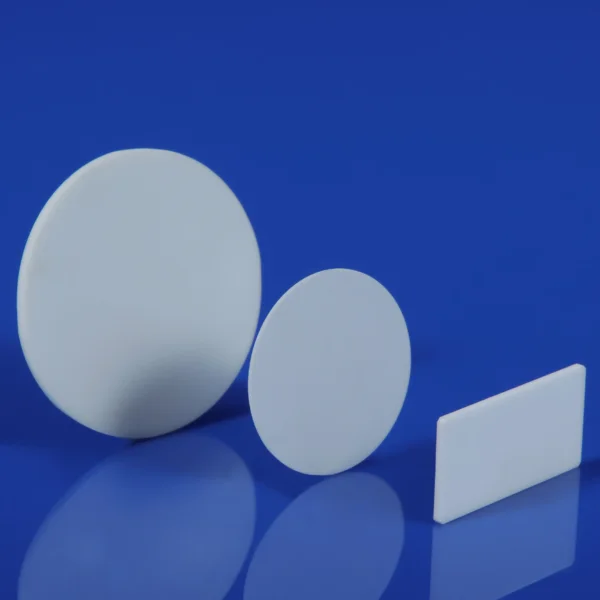
In essence, X-ray tubes are fundamental devices that produce X-rays through high-speed electron acceleration and impact, offering specialized types for analytical, industrial, and medical applications. Innovations like advanced ceramics enhance their durability, efficiency, and safety, making them more reliable for demanding environments and extending their operational lifespan.
5.Frequently Asked Questions
Q. What is the difference between fixed and rotating anodes in X-ray tubes?
A. Fixed anodes are simpler and suited for lower-power applications, where heat buildup is minimal. Rotating anodes spin to distribute heat evenly, allowing higher power and continuous operation in demanding scenarios like CT scans.
Q. How long do X-ray tubes typically last?
A. The lifespan of an X-ray tube varies by type and usage, but modern designs can last 5,000 to 50,000 exposures or several years with proper maintenance. Cooling efficiency and operational intensity are key factors.