
Mo-Mn vs. Active Metal Brazing: Which Metallization Process Is Best for You?
1. Introduction
In modern electronics and high-reliability applications, the choice of metallized ceramics can make or break your product’s performance. From power modules to vacuum devices and RF components, how ceramics are bonded to metals affects thermal management, mechanical stability, and long-term reliability.
Two widely used ceramic metallization processes are Mo-Mn metallization and Active Metal Brazing (AMB). Each has unique advantages and limitations depending on the application, budget, and production scale. This article will compare both processes, helping engineers and manufacturers make informed decisions for their metallized ceramic substrates. For more technical insights, see our related technical article on ceramic metallization.
2. Mo-Mn Metallization: Overview and Key Advantages
2.1 What is Mo-Mn Metallization?
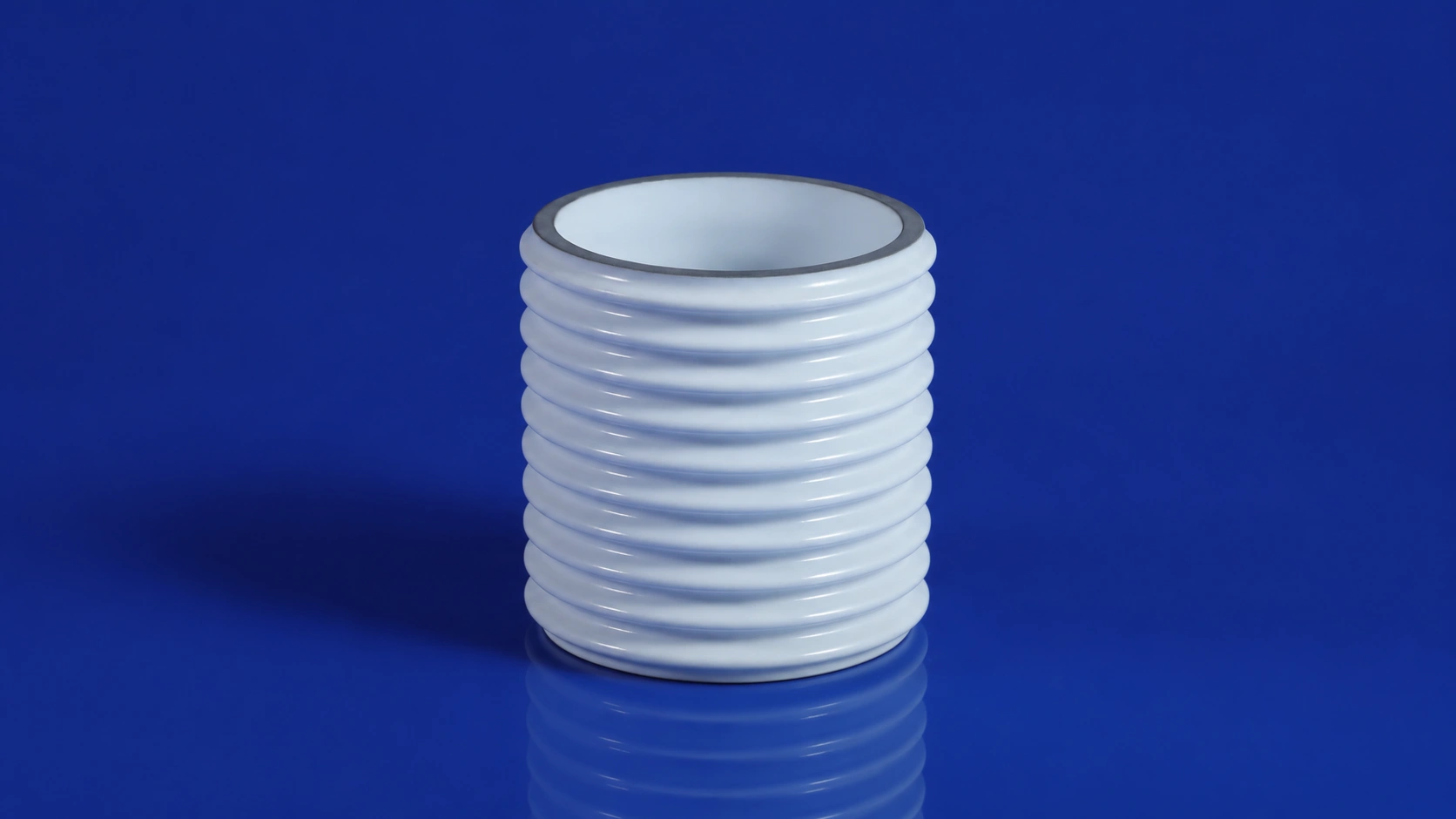
Mo-Mn metallization, also called molybdenum-manganese metallization, is a traditional method used to create reliable metalized surfaces on ceramic substrates. The process involves applying a Mo-Mn paste to the ceramic, followed by high-temperature firing in a controlled atmosphere. A nickel plating layer is often added afterward to improve solderability and prepare the surface for further assembly.
Typical applications include:
- High-power electronic devices
- Hermetic ceramic packages
- Alumina (Al2O3) ceramics
For more details, you can visit our product page for metallized ceramics.
2.2 Advantages of Mo-Mn Metallization
(1) High Temperature Resistance – The process produces durable metallized ceramics capable of withstanding extreme thermal conditions, making it ideal for high-power and aerospace applications.
(2) Exceptional Reliability – Mo-Mn metallized ceramics maintain strong adhesion under repeated thermal cycling and mechanical stress.
(3) Material Compatibility – Works with various ceramic substrates and metals, providing a versatile solution for ceramic-to-metal bonding.
(4) Long-Term Durability – Products manufactured using Mo-Mn metallization can achieve decades of operational life in harsh environments.
2.3 Limitations of Mo-Mn Metallization
- High Manufacturing Cost – Multiple steps, including firing and nickel plating, increase production expenses.
- Complex Process Control – Precise temperature and atmosphere management are essential.
3. Active Metal Brazing (AMB): Overview and Key Advantages
3.1 What is Active Metal Brazing?
Active Metal Brazing uses filler metals containing active elements like titanium or zirconium to directly join ceramics to metals. Unlike Mo-Mn metallization, AMB does not require pre-metallization of the ceramic surface. This makes AMB a faster, more flexible ceramic metallization process for many industrial applications.
Typical applications include:
- Power electronics modules
- Vacuum devices
- Thermal management ceramics
- Metallized ceramic substrates in EV power modules
3.2 Advantages of Active Metal Brazing
(1) Simplified Manufacturing – By combining metallization and joining into a single step, AMB reduces labor and production time.
(2) Excellent Thermal Conductivity – The direct bond between ceramic and metal provides superior heat transfer, crucial for high-power applications.
(3) Mass Production Friendly – AMB scales efficiently for large-volume manufacturing.
(4) Flexibility – Can join alumina, aluminum nitride, and silicon nitride ceramics to a wide range of metals.
3.3 Limitations of Active Metal Brazing
- Temperature Sensitivity – Some active brazing alloys may degrade under extreme thermal cycling.
- Material Compatibility – Not all ceramic-metal combinations achieve optimal bonding.
- Long-Term Reliability Validation Required – Critical applications may require additional testing.
4. Mo-Mn vs. AMB: Head-to-Head Comparison
| Feature | Mo-Mn Metallization | Active Metal Brazing |
|---|---|---|
| Process Complexity | High | Medium |
| Cost | High | Medium-Low |
| Temperature Resistance | High | Medium |
| Mass Production Suitability | Medium | High |
| Reliability | Very High | High |
| Thermal Performance | Good | Excellent |
| Typical Ceramic Materials | Alumina | Alumina, AlN, Si3N4 |
Selection Guide:
- High Temperature & Ultra-Reliable Applications: Mo-Mn
- High Volume & Thermal Management Needs: AMB
- Cost-Sensitive Projects: AMB
- Extreme Environment Applications: Mo-Mn
5. How to Choose the Best Metallization Process
When selecting between Mo-Mn and AMB, consider these key factors:
(1) Operating Environment – For extreme temperatures or vacuum conditions, Mo-Mn metallization is preferred.
(2) Thermal Management Requirements – AMB provides superior heat dissipation for high-power devices.
(3) Production Volume – AMB is more suitable for large-scale manufacturing.
(4) Reliability Expectations – Critical systems requiring long service life often favor Mo-Mn.
(5) Material Compatibility – Choose based on ceramic type: Al2O3, AlN, or Si3N4.
By evaluating these factors, engineers can determine the optimal ceramic metallization process for their project. You can also explore more in our technical article on metallization.
6. Conclusion
Both Mo-Mn metallization and Active Metal Brazing have clear advantages for modern electronic and high-power applications:
- Mo-Mn Metallization: Ideal for extreme conditions, high reliability, and hermetic seals.
- Active Metal Brazing: Excels in mass production, thermal management, and cost efficiency.
The best choice depends on your metallized ceramic substrate requirements, production goals, and application environment. Understanding the strengths and limitations of each process ensures a well-informed decision and long-term product performance.
Internal Links Used in Article: