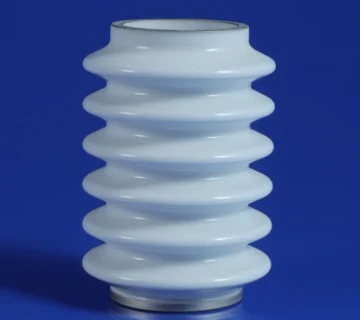
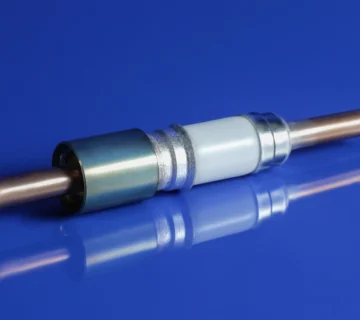
Ceramic-to-Metal vs. Glass-to-Metal Sealing: Which Hermetic Solution Fits Your Project? When designing high-reliability systems for vacuum, aerospace, or medical applications, engineers must ... Read More
Brazing Solutions for High-Radiation Ceramic Insulators Nuclear fusion devices, such as ITER and future DEMO reactors, present the most hostile environments for ... Read More
Extreme Electrical Ceramic Brazing for Aerospace Systems In the high-stakes environment of modern aerospace engineering, insulators and feedthroughs are subjected to a ... Read More
Manufacturing Brazed Ceramic Heating Elements Traditional electric heating elements often fail in high-temperature, vacuum, or corrosive environments due to degradation, leakage, or ... Read More
Vacuum Ceramic Brazing Cases: Radar Satellite Accelerator Theoretical processes must ultimately be implemented in real equipment. As the fourth and final article ... Read More
High-Freq Ceramic Brazing: Low-Loss Metallization Optimization In microwave tubes, traveling wave tubes, and klystrons, RF loss is a key factor limiting power ... Read More
TWT Ceramic Feedthrough Brazing: Multi-Pin Multi-Layer Guide Traveling wave tubes (TWT) serve as core amplifiers in satellite communication and radar systems, where ... Read More
Vacuum Ceramic Brazing Basics 2026: Hermeticity & Alumina vs AlN Vacuum electron devices are core components in high-end equipment such as radars, ... Read More