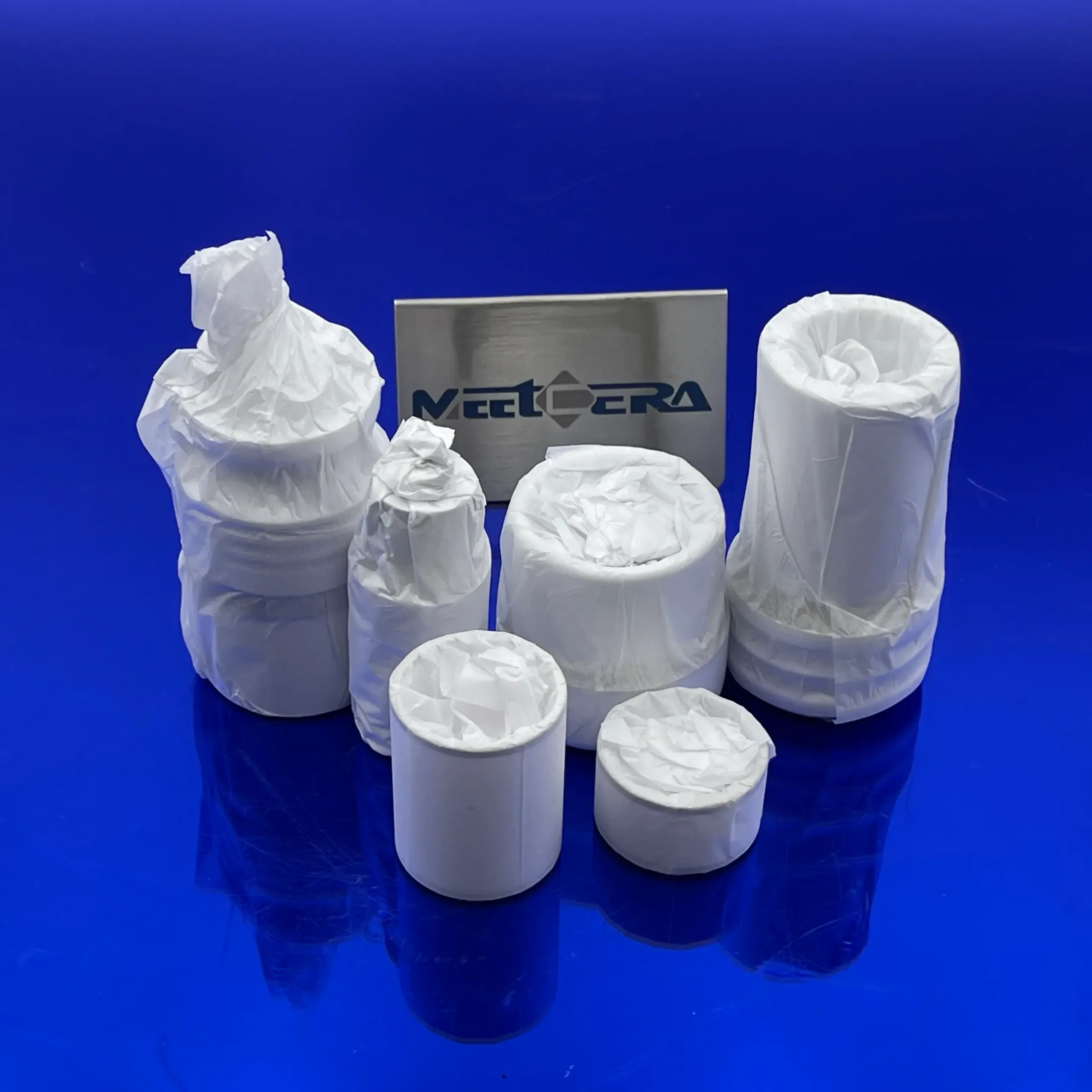
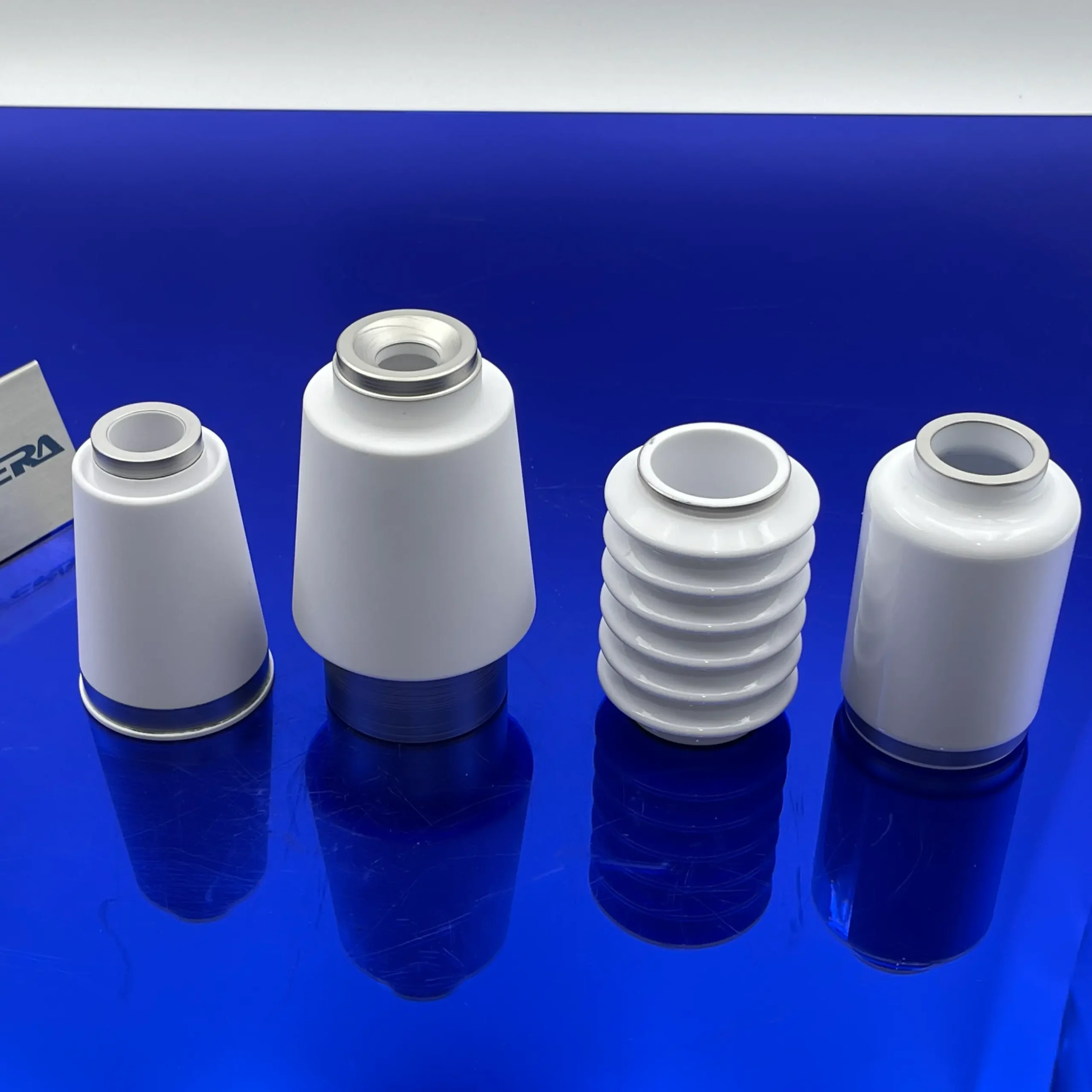
Custom Metallized Ceramic Components For Vacuum Electronics
1. Unique Selling Points
- Diverse Material Compatibility: We specialize in metallizing 95%-99.9% Alumina, Zirconia, and Aluminum Nitride. This ensures you find the exact dielectric and thermal properties needed for your specific substrate, solving the “one-size-fits-all” limitation of other suppliers.
- Superior Bond Strength (Mo-Mn Process): Our proprietary Molybdenum-Manganese firing process creates a chemical bond stronger than the ceramic itself. This eliminates the risk of metal layer peeling during high-temperature brazing or under mechanical stress.
- Precision Hermeticity (<1×10⁻¹⁰ mbar·l/s): Every component is engineered for ultra-high vacuum (UHV) environments. We solve the critical pain point of “micro-leaks” in hermetic seals, ensuring the longevity of your aerospace or medical imaging systems.
- Rapid Prototyping to Mass Production: We bridge the gap between R&D and scaling. Whether you need 5 pieces for a lab trial or 50,000 for a global rollout, our automated plating and CNC grinding lines maintain consistent micron-level tolerances.
2. Product Description
Achieving a perfect, leak-proof bond between ceramic and metal is one of the most demanding challenges in high-end engineering. Whether you are dealing with extreme thermal cycling in aerospace or the high-vacuum requirements of power semiconductors, the reliability of your assembly depends entirely on the quality of the metallized interface. Our Metallized Ceramic Components Collection is designed for engineers who refuse to compromise on hermetic integrity.
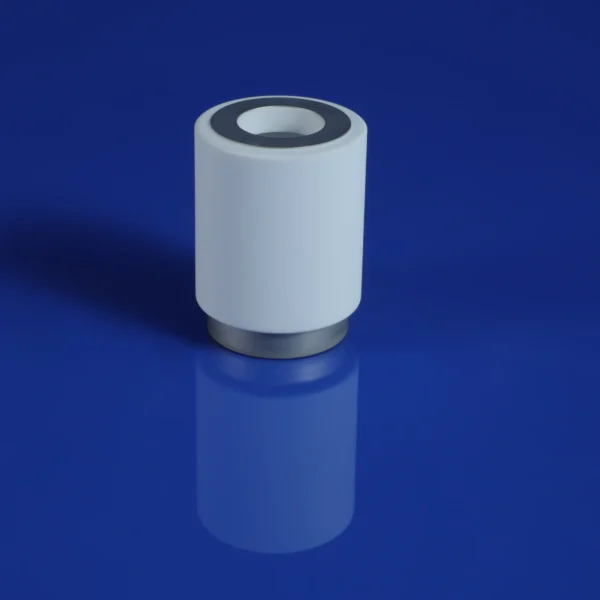
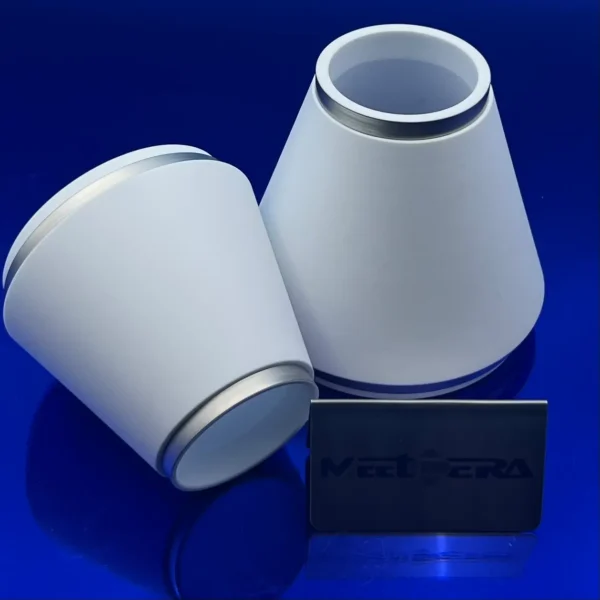
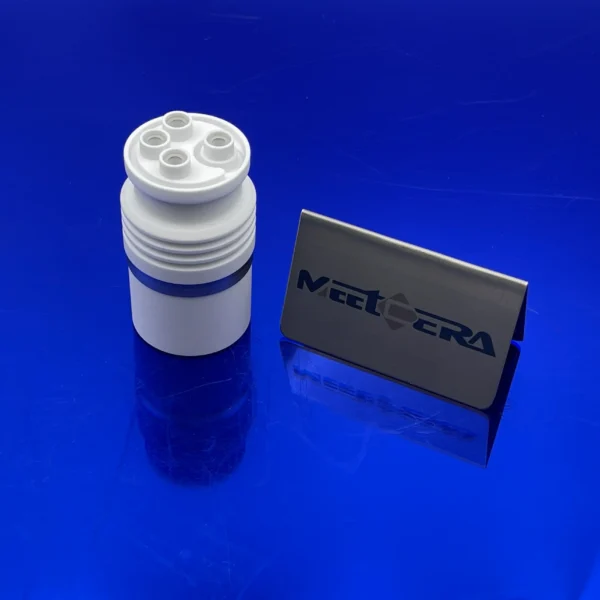
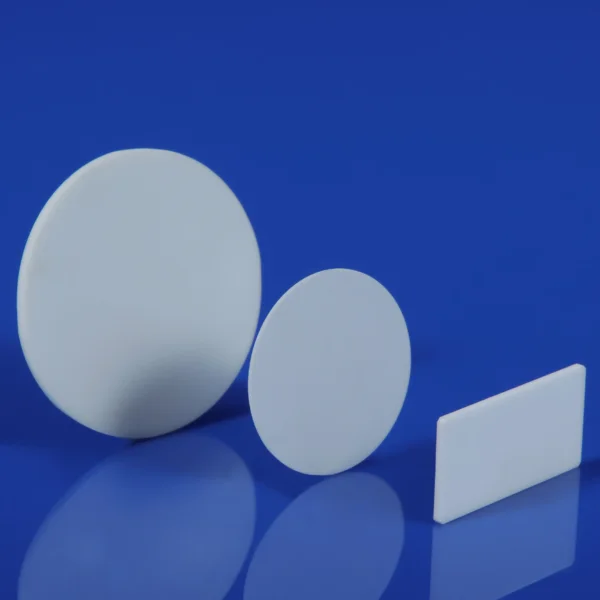
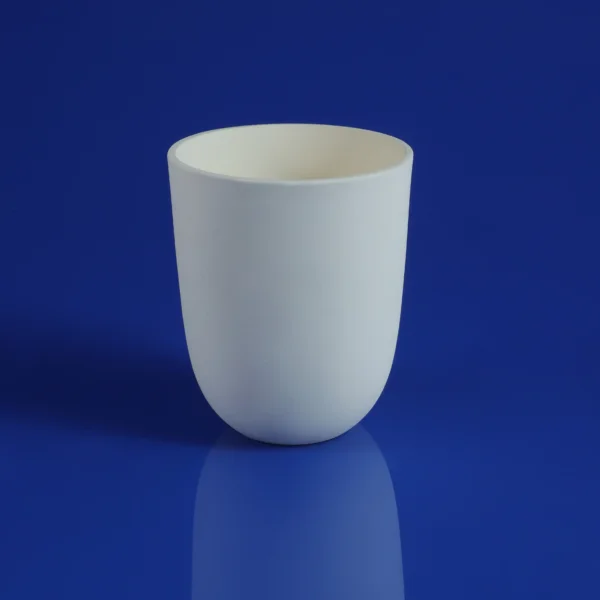
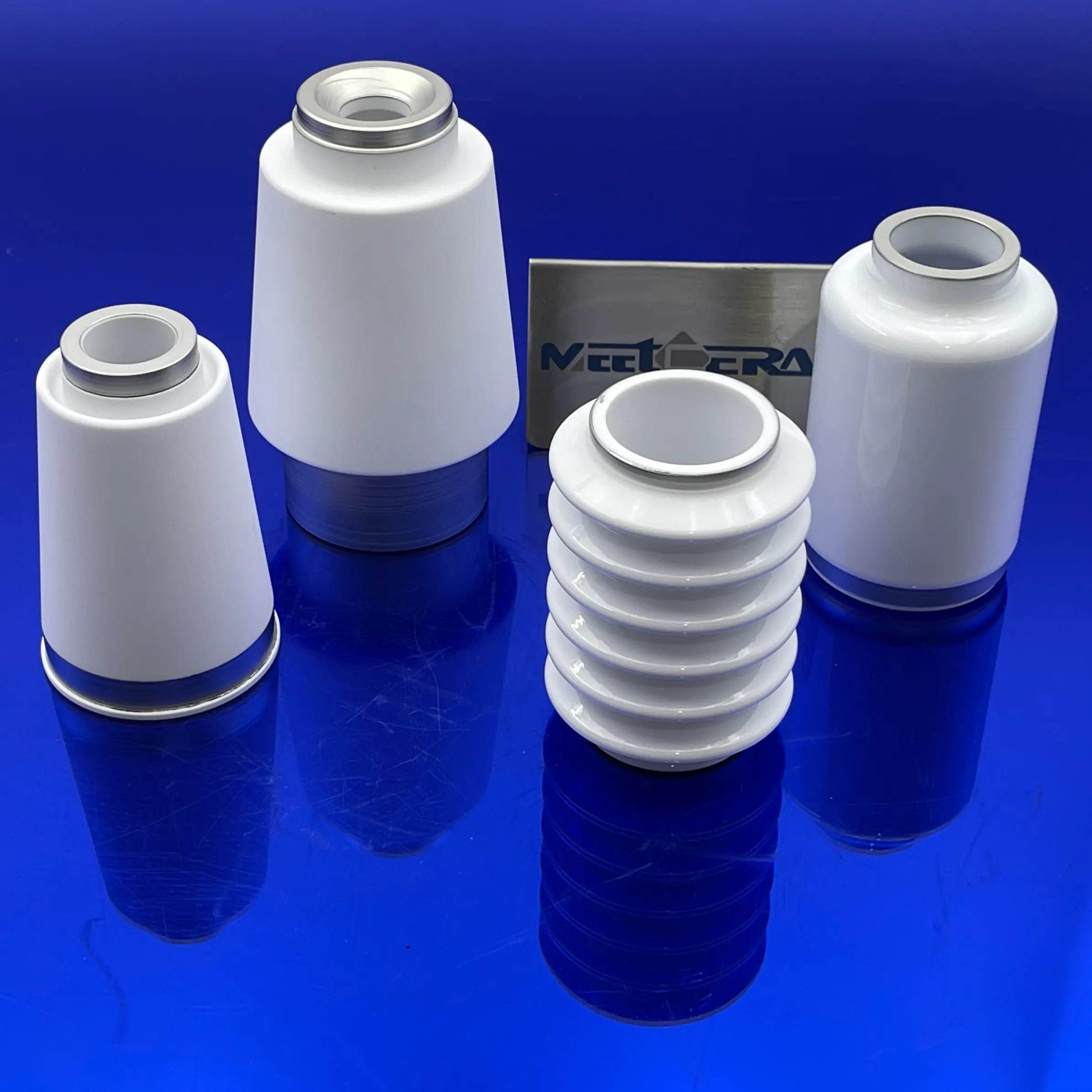
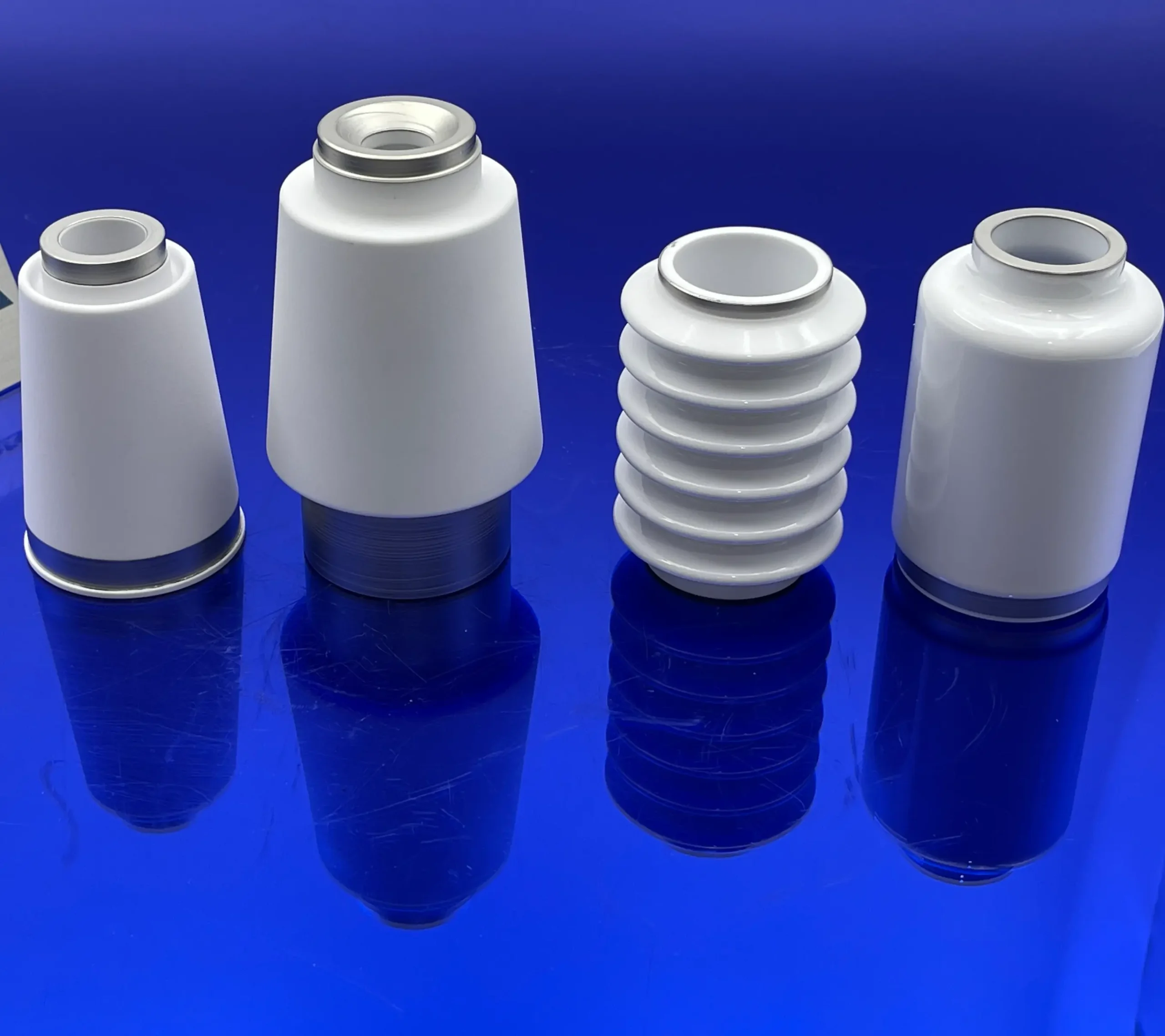
We offer an extensive range of geometries, from micro-ceramic rings to large-diameter insulating tubes, all featuring precision-applied metallization layers (Mo-Mn, Ni, Au, or Cu). These components are the backbone of vacuum interrupters, X-ray tubes, and high-pressure sensor housings. By meticulously matching the Coefficient of Thermal Expansion (CTE) between materials, we prevent stress-induced cracking, ensuring your devices perform flawlessly in even the most hostile environments.
Our mission is to simplify your supply chain by providing ready-to-braze ceramic solutions tailored to your exact drawings. With integrated CNC machining, metallizing, and plating capabilities, we reduce your lead times and lower your assembly rejection rates. Consult with our technical team today to get a precision quote and transform your complex designs into high-performance reality.
- Q1: Which metallization layer is best for my brazing alloy?
- A: It depends on your brazing temp. For standard Silver-Copper (Ag-Cu) brazing, a Nickel (Ni) layer is ideal as a barrier. For higher temps or specific corrosion resistance, we may recommend Gold (Au) or specialized multi-layer plating.
- Q2: How do you ensure the metal layer doesn’t peel off during assembly?
- A: We use high-temperature hydrogen furnace firing for the Mo-Mn layer, which creates a robust inter-diffusion zone with the ceramic. We also perform tape tests and cross-sectional analysis to verify adhesion strength.
- Q3: Can you produce custom shapes based on my STEP/CAD files?
- A: Yes. We have in-house CNC machining and grinding centers to handle complex geometries, internal metallization, and patterned surfaces based on your technical drawings.