
The Ultimate Guide to Metallized Ceramics: Materials, Processes, and Applications
Metallized ceramics are a cornerstone of modern electronics, aerospace, and high-power industrial applications. Understanding the materials, processes, and applications of metallized ceramics is crucial for engineers and manufacturers looking to optimize performance, reliability, and cost. In this guide, we explore everything from the most common ceramic substrates to advanced metallization techniques and real-world applications.
1.What are Metallized Ceramics and Why are They Crucial?
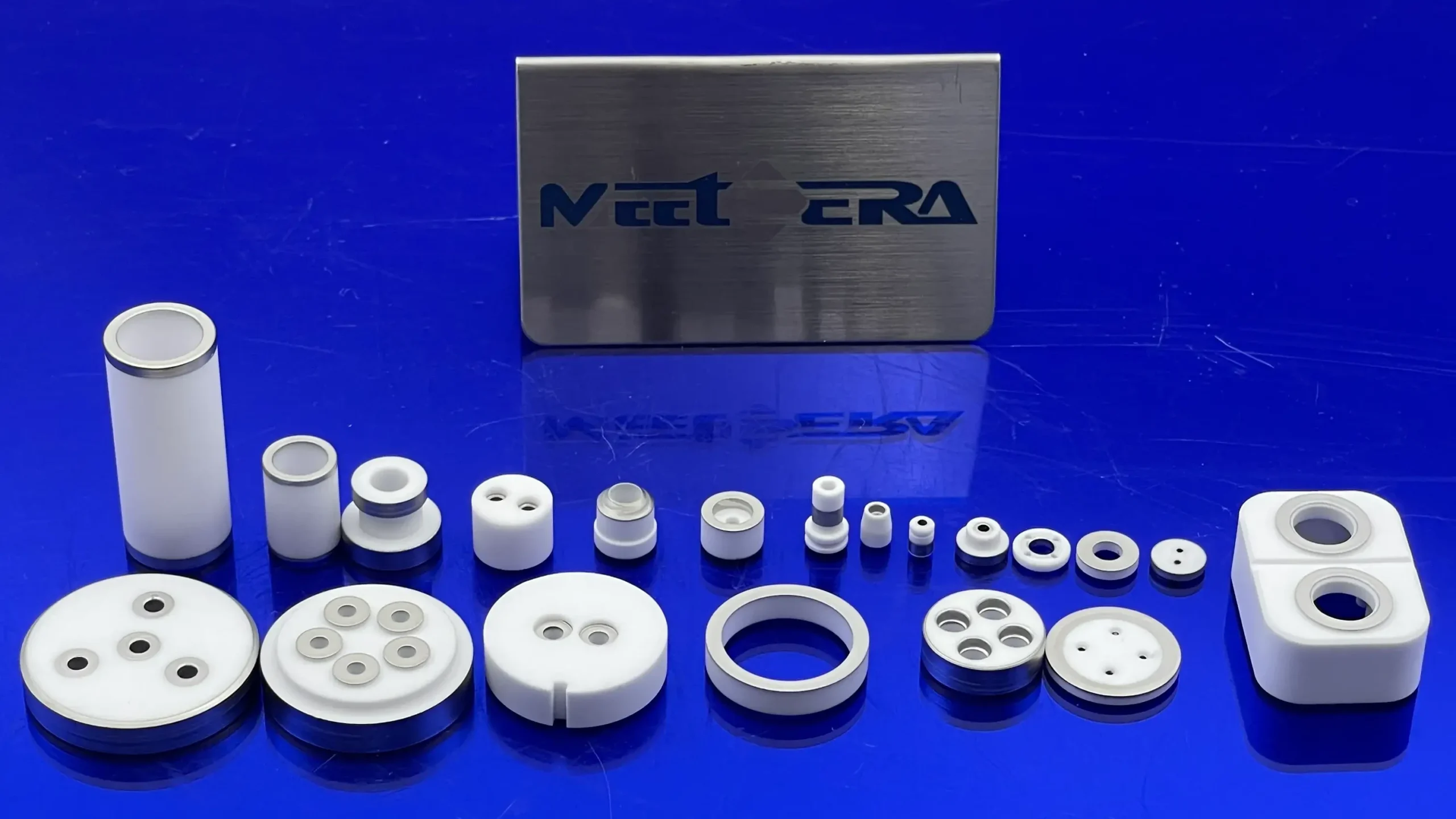
Metallized ceramics are ceramic materials that have been coated or bonded with a thin layer of metal, creating a strong, conductive interface. This combination of ceramic’s insulating and mechanical properties with metal’s conductivity and solderability makes them indispensable in high-performance electronics, power modules, and aerospace components.
Key benefits include:
- Enhanced thermal management for power electronics
- Strong ceramic-to-metal bonds for mechanical stability
- High reliability in harsh environments such as aerospace or medical devices
By integrating metallized ceramics into your designs, you can achieve devices that handle high voltages, extreme temperatures, and demanding mechanical stress without compromising performance.
For a deeper understanding of ceramic materials, see MEETCERA – Properties of Ceramic Materials.
2.Common Materials: Alumina, AlN, and Silicon Nitride
When choosing metallized ceramics for a project, the base material plays a crucial role in thermal, electrical, and mechanical performance. The most widely used ceramics include alumina (Al₂O₃), aluminum nitride (AlN), and silicon nitride (Si₃N₄).
(1)Alumina (Al₂O₃): The Industry Workhorse
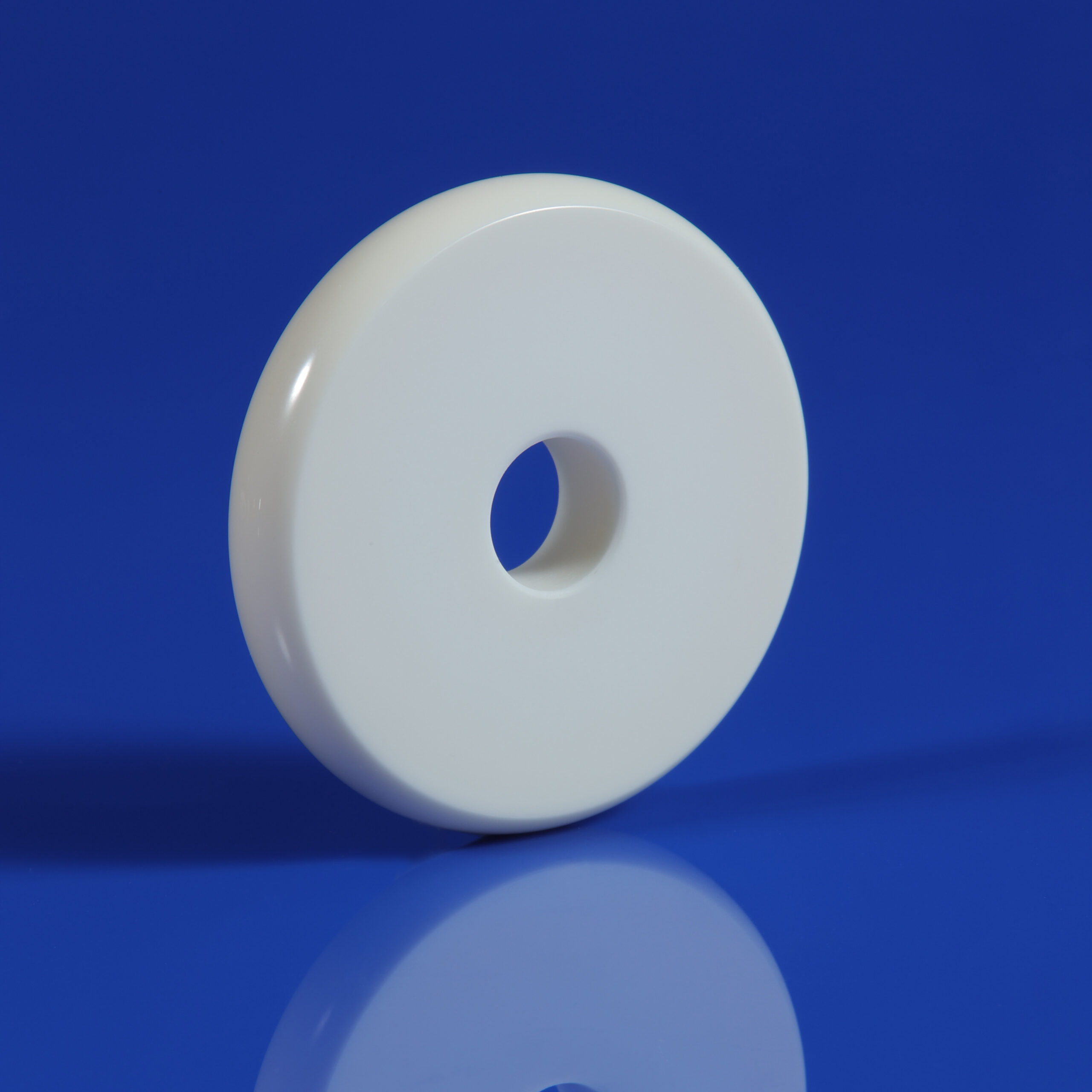
Alumina is the most commonly used metallized ceramic due to its excellent mechanical strength, electrical insulation, and cost-effectiveness. It is ideal for applications where high dielectric strength and reliable ceramic-to-metal bonding are required.
(2)Aluminum Nitride (AlN): Excellence in Thermal Conductivity
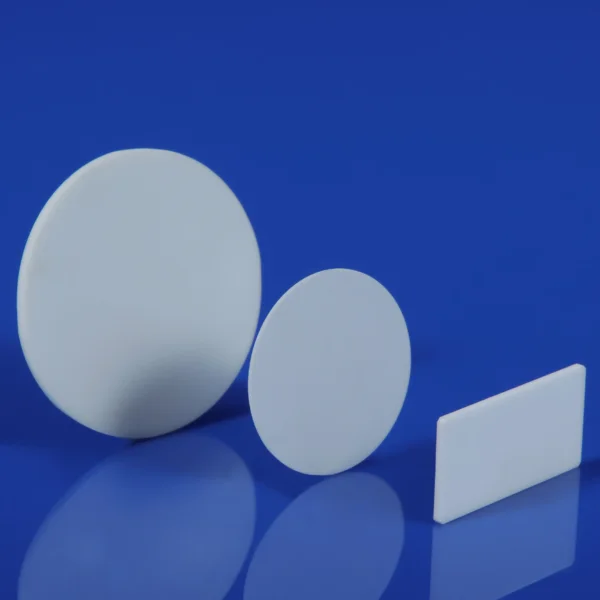
Aluminum nitride stands out for its exceptionally high thermal conductivity, making it perfect for power modules and high-heat applications. Metallized AlN substrates are increasingly used in industries where efficient heat dissipation and long-term reliability are critical.
For scientific data on thermal conductivity of ceramics, see ScienceDirect – Thermal Properties of Ceramic Materials.
3.Key Metallization Processes Explained
The process of metallizing ceramics is complex, requiring precision to ensure strong bonds and excellent thermal and electrical performance.
(1)Mo-Mn (Molybdenum-Manganese) Method
The Mo-Mn method is a traditional metallization technique where a mixture of molybdenum and manganese is screen-printed onto the ceramic surface and fired to form a strong bond. This process is widely used for alumina ceramics in high-reliability electronics, creating a surface that can be easily soldered or brazed.
(2)Active Metal Brazing (AMB) vs. Direct Bond Copper (DBC)
- Active Metal Brazing (AMB): Uses a braze alloy with active metals like titanium to join ceramics to metals. It provides superior mechanical strength for aerospace and medical devices.
- Direct Bond Copper (DBC): Involves bonding a copper layer directly onto ceramic using high-temperature processes. DBC is ideal for power electronics and high-thermal-load applications.
For more technical insight into ceramic-to-metal bonding techniques, see NIST – Ceramic-to-Metal Joining.
4.Major Industrial Applications (Aerospace, Medical, Power)
Metallized ceramics are critical in many industrial applications:
- Aerospace: High-temperature, high-vibration environments demand strong ceramic-to-metal bonds and materials that can handle thermal shock.
- Medical: Biocompatible and reliable metallized ceramics are used in implantable devices, sensors, and diagnostic equipment.
- Power Electronics: High-power modules rely on metallized ceramics for efficient thermal management and electrical insulation.
5.FAQ
Q: What is the strongest ceramic-to-metal bond?
A: The strongest bonds are typically achieved using Mo-Mn metallization followed by nickel plating, depending on the ceramic material and application requirements.
Q: Can any ceramic be metallized?
A: Not all ceramics are suitable. Alumina is the most commonly metallized, while others may require special surface treatments to achieve reliable bonding.
Metallized ceramics are more than just materials—they are enablers of modern high-performance technology. Choosing the right ceramic, metallization method, and application strategy ensures reliable, efficient, and long-lasting components for demanding industries.