
Why Ceramic Feedthroughs Are the Preferred Choice for Vacuum Systems?
Vacuum systems in semiconductor coating, particle accelerators, X-ray equipment, and UHV chambers require leak rates ≤10⁻¹⁰ mbar·l/s, ultra-low outgassing, and extreme temperature/pressure resistance. Ceramic-to-metal feedthroughs are the only long-term reliable solution for true UHV performance.
Unlike O-rings (Viton/FKM) and epoxy seals, which suffer from permeation, outgassing, and aging, ceramic feedthroughs deliver leak rates three orders of magnitude lower and maintain stable 10⁻⁹ Torr — a fundamental reliability advantage in extreme environments.
1. Fundamental Sealing Mechanism Differences
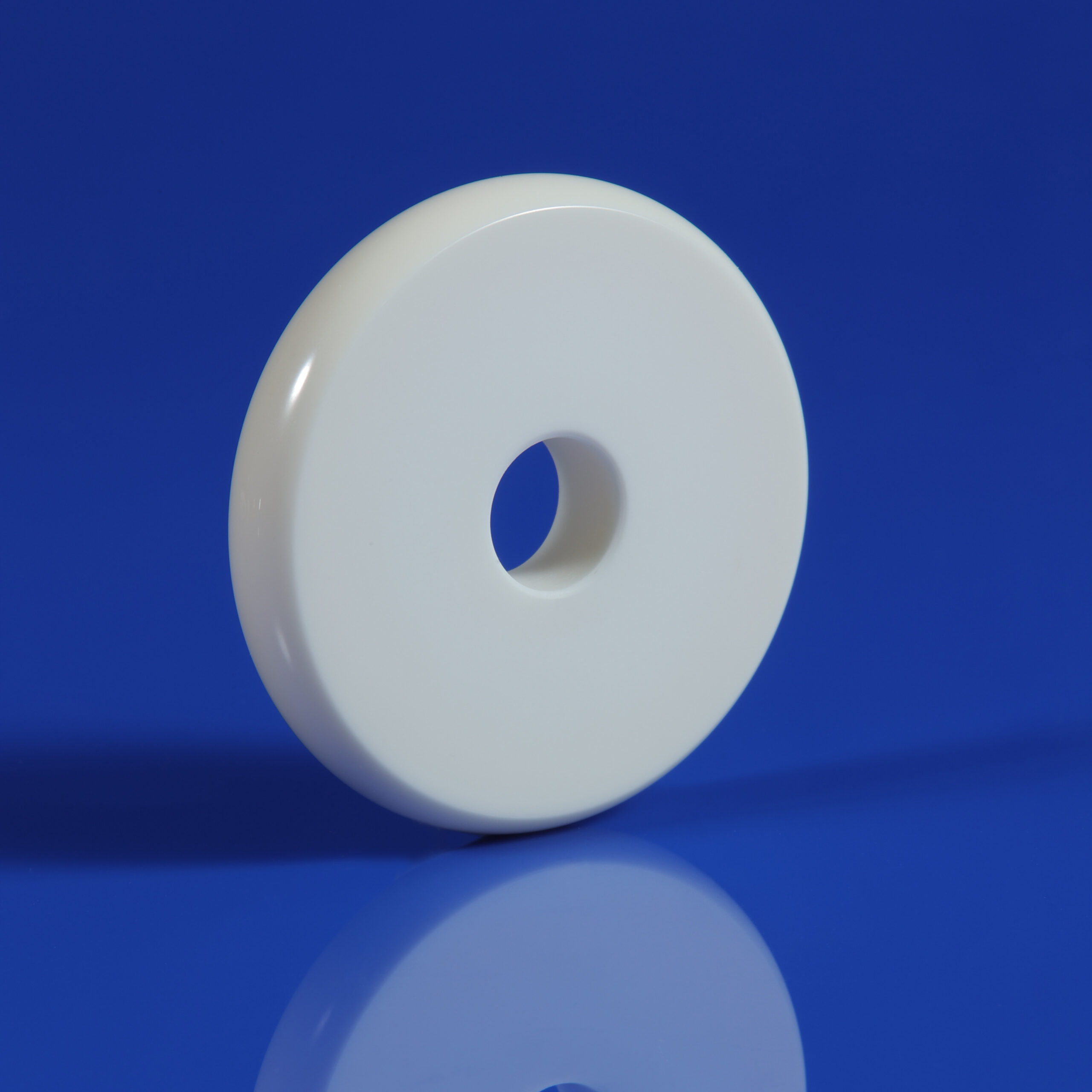
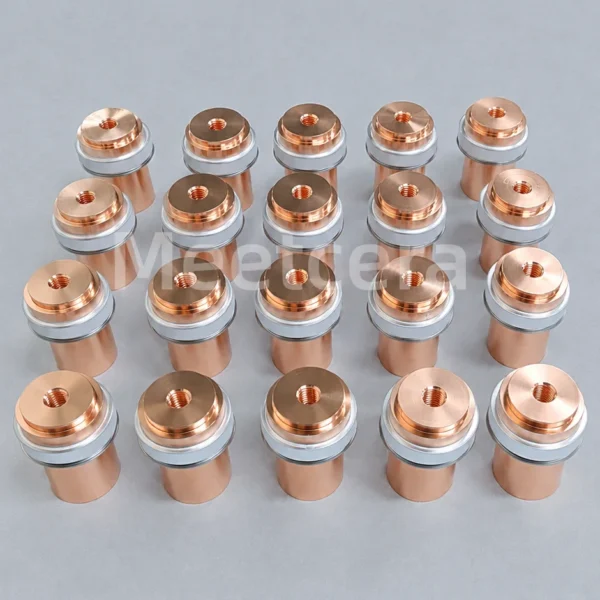
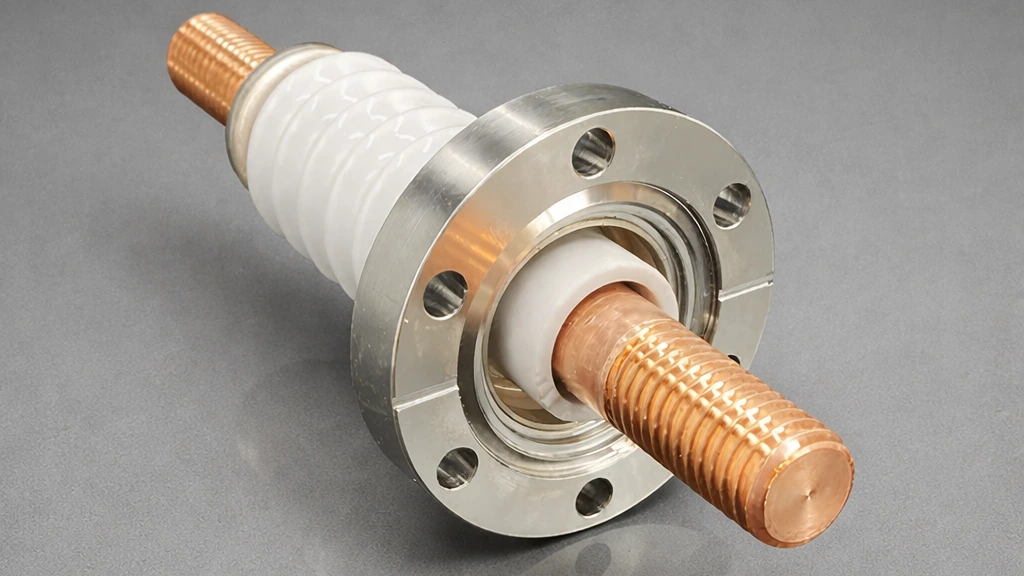
Ceramic feedthroughs use a ceramic insulator metallurgically bonded to a metal flange through high-temperature brazing (>1000°C). This creates a rigid, pore-free hermetic seal at the atomic level — with no elastomers or organics involved.
O-rings depend on compression of fluoroelastomers (Viton/FKM) in a groove, often with vacuum grease. Epoxy seals rely on low-outgassing resins for potting or bonding via chemical curing.
Key difference: Ceramics deliver permanent rigid hermeticity that survives repeated bake-outs and harsh conditions. O-rings and epoxy provide only temporary, demountable seals reliant on elasticity and adhesion, making them vulnerable to temperature swings, radiation, and gas permeation. For long-term stable UHV, ceramics eliminate common elastomer problems like compression set and organic contamination.
2. Extreme Environment Performance Data
The table below is based on official specs from CeramTec, Kyocera, MPF, NASA ASTM E-595 testing, and Pfeiffer Vacuum literature. It highlights the clear superiority of ceramic-to-metal feedthroughs.
| Parameter | Ceramic-to-Metal Feedthrough | O-Ring (Viton/FKM) | Epoxy Seal (NASA Low-Outgassing) | Impact on Vacuum Systems |
|---|---|---|---|---|
| Leak Rate | ≤10⁻¹⁰ mbar·l/s (UHV standard) | 10⁻⁷ ~ 10⁻⁹ (permeation-affected) | 10⁻⁸ ~ 10⁻⁹ | Ceramic holds stable UHV; others cannot |
| Temperature Range | -269°C ~ 450°C (bakeable) | -20°C ~ 200°C (250°C short-term) | -50°C ~ 150°C | Critical for high-temp semiconductor work |
| Outgassing Rate (room temp) | Nearly 0 (<10⁻¹² Torr·L/s·cm²) | 10⁻¹¹ ~ 10⁻⁶ | <0.33% TML | No contamination from ceramic |
| Helium Permeation | None | High (causes virtual leaks) | Moderate | O-rings slow pump-down |
| Thermal/Mechanical Shock | Extremely high (>1000 cycles) | Prone to aging/deformation | Moderate (cracking risk) | Ideal for accelerators & space simulation |
| Pressure Rating | >2000 bar (select models) | <100 bar | ~1000 bar | Strong advantage in high-pressure systems |
Real example: In an X-ray system, ceramic feedthroughs held 10⁻⁹ Torr stably after bake-out. The O-ring version rose to 10⁻⁶ Torr after just 3 months. Ceramic units also survived repeated thermal shocks from liquid helium to 450°C without issues.
These data prove ceramics dramatically reduce contamination risk in sensitive processes and provide unmatched durability in radiation-heavy settings.
3. Why Prioritize Ceramic Feedthroughs: 3 Critical Scenarios
(1)Semiconductor Coating/Evaporation Equipment
Operating above 300°C with near-zero outgassing is essential to protect wafers. O-rings release hydrocarbons and degrade rapidly; epoxy risks micro-cracks. Ceramics, with virtually no outgassing and superior thermal stability, have become the industry standard — boosting yield and cutting maintenance.
(2)Particle Accelerators / Synchrotron Facilities
Intense radiation, frequent cycling, and vibration challenge seals. Epoxy embrittles; O-rings age and permeate. Matched thermal expansion and radiation resistance allow ceramic-to-metal bonds to endure thousands of cycles leak-free. Facilities like CERN and KEK commonly choose them.
(3)Ultra-High Vacuum Chambers (<10⁻¹⁰ Torr)
O-rings create virtual leaks via helium permeation, slowing pump-down. Leading brands (Agilent, INFICON) recommend ceramics as the UHV standard. Their non-permeable design ensures fast achievement and long-term maintenance of target vacuum.
O-rings or epoxy may cut initial cost by 20–30%, but over 5 years they drive 80% higher maintenance, rework, and downtime. Ceramics deliver lower total ownership cost through superior reliability.
4. Practical Selection & Installation Guide
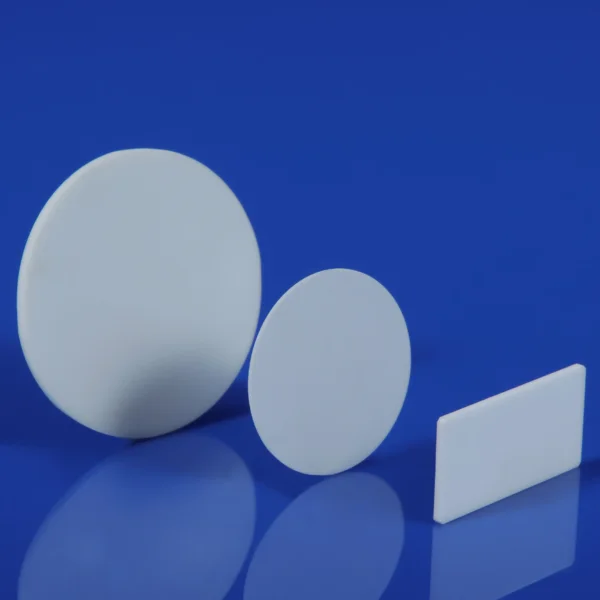
Prioritize standard flanges (KF40, ISO, ConFlat). Choose high-purity alumina (Al₂O₃) or ZTA ceramics for best strength and insulation; conductors can be Kovar, molybdenum, or stainless steel.
Installation best practices:
- Gradient bake-out: 150°C → 300°C → 450°C, with holds for thorough degassing.
- Helium leak test ≤10⁻¹⁰ mbar·l/s.
- Ensure flange flatness (16–32 μin RMS) and cleanliness; vent O-ring grooves properly to avoid virtual leaks.
For custom needs (high voltage, multi-pin, special currents), work directly with the manufacturer. Correct installation routinely yields >100,000-hour service life.
Contact us today for a custom quotation and tailored solution.
5. FAQ
(1). Can ceramic feedthroughs replace O-rings entirely?
Yes — in UHV and extreme conditions (high temp/radiation). Performance is far superior. O-rings suit medium/low vacuum or frequent disassembly but cannot hold 10⁻¹⁰-level leaks long-term.
(2). What happens to O-rings at high temperatures?
Viton and similar materials accelerate aging and outgassing above 200°C, causing compression set, vacuum loss, and contamination. Short-term use to 250°C is possible; long-term is not recommended.
(3). Is epoxy suitable for UHV?
No. NASA-grade epoxies control TML but have higher outgassing and poorer thermal shock resistance than ceramics. They crack easily during bake-out or radiation exposure.
(4). How long do ceramic feedthroughs last?
100,000 hours under normal use with proper bake-out and maintenance. The brazed ceramic-to-metal joint is far more stable than elastomers or adhesives.
6. Conclusion
Ceramic feedthroughs are the top choice for vacuum systems not because they cost more, but because they overwhelmingly outperform O-rings and epoxy in leak rate, outgassing, and durability under high-temperature, high-pressure, UHV, and thermal shock conditions. Selecting ceramics means choosing long-term stability, minimal maintenance, and superior system reliability.
Share your vacuum requirements, equipment model, or application in the email — our team offers free selection reports and sample testing. Explore related articles on ceramic feedthrough principles or real-world case studies.
Upgrade your vacuum system today and eliminate extreme environments as a bottleneck.