
How to Achieve Perfect Ceramic to Metal Sealing for High-Vacuum Environments
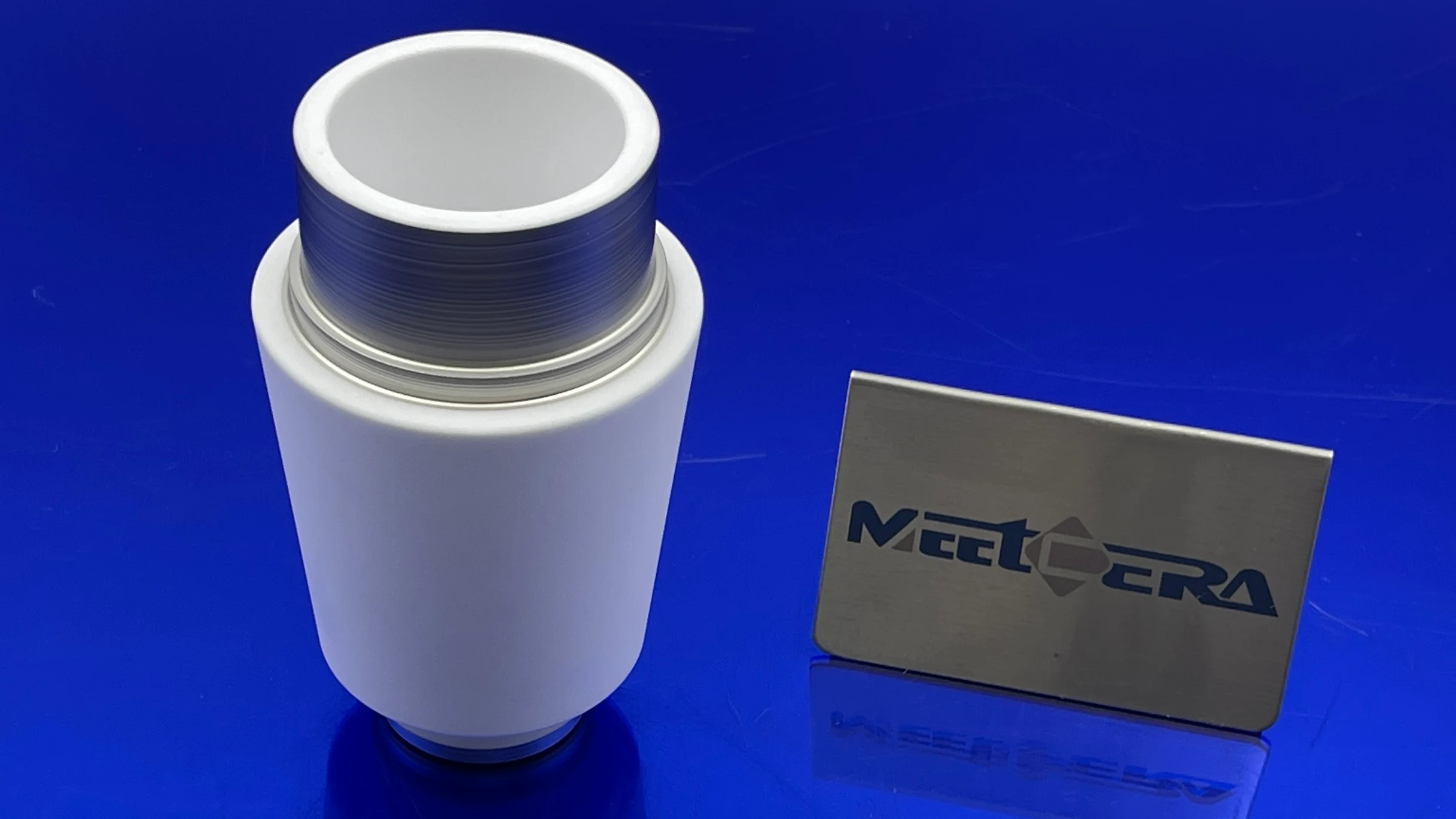
Achieving a flawless ceramic to metal sealing is critical for high-vacuum environments, such as semiconductor manufacturing, aerospace applications, and scientific instrumentation. Proper sealing ensures long-term hermeticity, prevents contamination, and maintains system reliability. In this article, we explore the science behind hermetic ceramic seals, key challenges, and best practices to achieve a perfect bond.
1.The Science Behind Hermetic Ceramic Seals
Ceramic to metal sealing relies on the complementary properties of ceramics and metals. Ceramics are highly resistant to heat and chemical attack, while metals provide mechanical strength and ductility. Combining these materials requires careful attention to thermal expansion coefficients, chemical compatibility, and surface interactions.
A hermetic seal must be leak-free at the molecular level. Common techniques, such as active metal brazing or metallization of the ceramic surface, are designed to create an airtight interface. Using proper high-vacuum bonding techniques ensures that the seal can withstand thermal cycling and mechanical stress without failure. For a deeper understanding of brazing methods, see Mastering Metal-to-Ceramic Brazing: The Ultimate 5-Step Guide.
2.Top Challenges in High-Vacuum Bonding
Creating a reliable ceramic to metal seal is not without its obstacles. The main challenges include:
(1). Thermal Expansion Mismatch – Different materials expand differently under heat. If not managed, this can induce stress and cracks.
(2). Contamination – Even microscopic particles can prevent proper bonding, leading to leaks.
(3). Brazing Failures – Improper filler selection or temperature control can compromise the seal.
Addressing these challenges is essential for long-term reliability in high-vacuum systems. For advanced bonding strategies, see Ceramic Brazing Guide: Principles, Process & Tips.
For technical reference on vacuum sealing standards, you can consult the NASA Technical Standards for Hermetic Sealing: NASA Vacuum Sealing Standards.
3.Critical Steps in the Sealing Process
(1).Surface Preparation and Cleaning
Surface preparation is the cornerstone of a successful seal. Both ceramic and metal surfaces must be free from oxides, oils, and other contaminants. Common methods include ultrasonic cleaning, plasma cleaning, and acid etching. Ensuring the surfaces are perfectly clean promotes strong adhesion and prevents voids.
Tip: Always handle components with clean gloves and avoid touching sealing surfaces directly.
(2).Selecting the Right Brazing Fillers
Choosing the correct brazing filler material is equally important. Active brazing alloys, often containing titanium, are commonly used for ceramic to metal sealing. The filler must wet both surfaces properly and maintain integrity under high-vacuum conditions. Consider the following when selecting fillers:
- Melting point relative to the materials
- Compatibility with thermal expansion rates
- Chemical stability in the operational environment
For more details on ceramic feedthroughs and brazing in medical and industrial devices, see What is a Ceramic Feedthrough for Implantable Medical Devices?.
4.Quality Control: Leak Testing and Hermeticity Checks
Once the seal is complete, rigorous testing is mandatory. Standard procedures include:
- Helium Leak Testing – Detects micro-leaks down to 10⁻¹² atm·cc/s.
- Bubble Testing – Useful for rapid preliminary checks.
- X-ray and Visual Inspection – Detects cracks, voids, or uneven brazing.
These quality control measures ensure that the seal maintains hermeticity under real operational conditions, providing confidence in high-vacuum applications.
5.FAQ
Q1: What is a typical leak rate for vacuum seals?
A1: High-quality ceramic to metal seals typically exhibit leak rates below 1×10⁻⁹ atm·cc/s of helium, although some specialized applications require even stricter limits.
Q2: Why does brazing fail in vacuum?
A2: Failures often result from improper surface preparation, contamination, or incorrect filler alloy choice. Thermal stress due to mismatched expansion rates can also lead to cracks.
Achieving a perfect ceramic to metal seal is a meticulous process that combines material science, precision engineering, and careful quality control. By following the best practices outlined above—surface preparation, filler selection, and rigorous testing—you can ensure durable, hermetic seals for high-vacuum environments. Implementing these strategies will improve reliability, reduce maintenance, and enhance overall system performance. For more technical insights and industrial applications, explore Meetcera’s resources: Mastering Metal-to-Ceramic Brazing.