



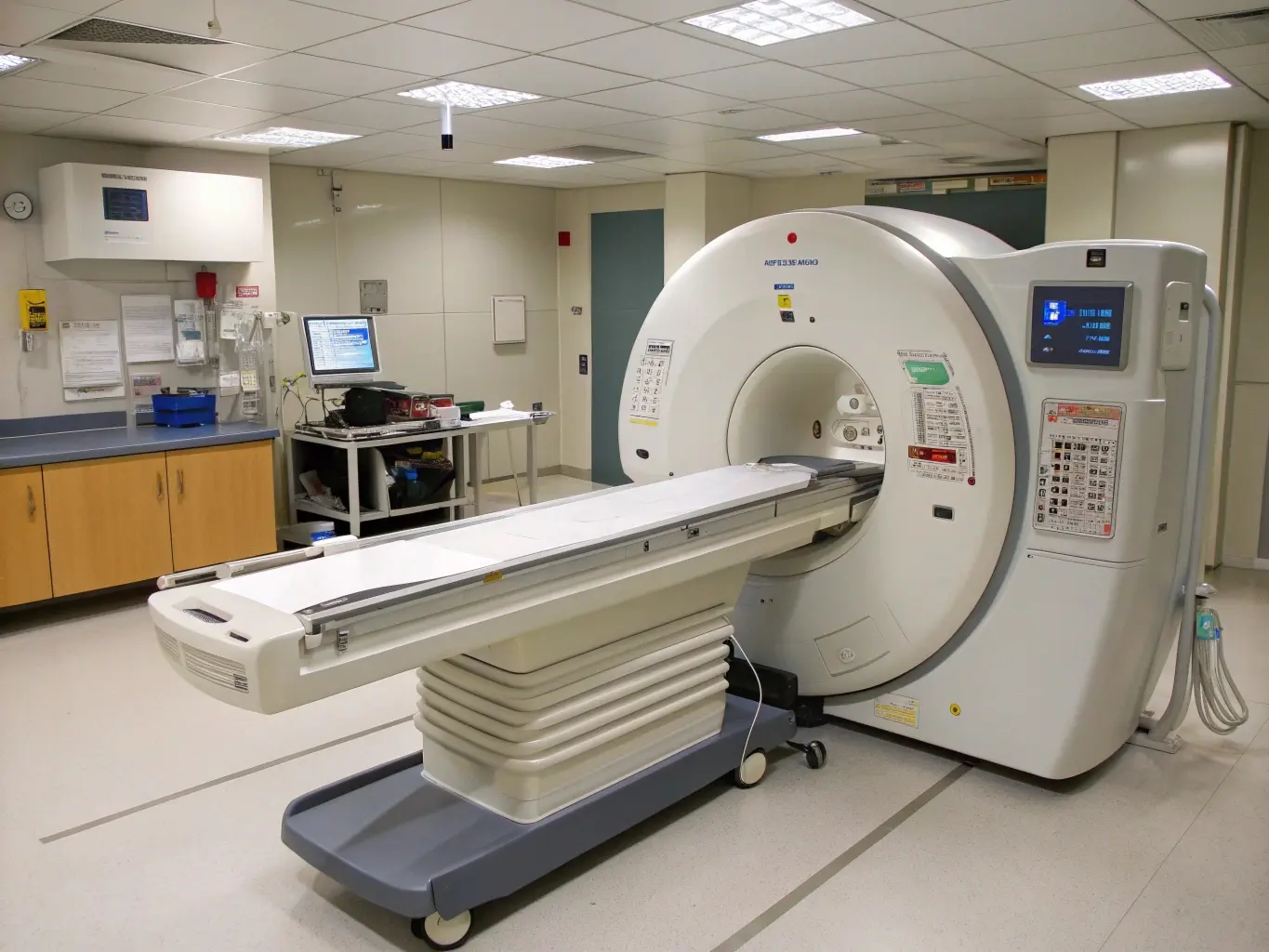
CT Tube Replacement Complete Guide
The CT tube is one of the most expensive consumable parts in a CT scanner. Its lifespan directly impacts equipment reliability and hospital costs. When major faults like filament open circuit, vacuum drop, or anode seizure occur, replacement is required. This high-risk procedure demands careful handling to avoid equipment damage, poor image quality, or radiation safety risks. This guide outlines preparation, installation, debugging, key precautions, and cost analysis to help biomedical teams perform replacements safely and efficiently.
1.Preparation Before Replacement
First, confirm the need for replacement through indicators such as exposure seconds nearing the limit, visible image artifacts, frequent overload alarms, rising anode noise, or extended cooling times.
When purchasing, compare original OEM tubes with third-party compatible options. OEM tubes provide reliable performance at higher cost, while compatible tubes reduce expenses if interface and software compatibility is verified.
Gather specialized tools, high-voltage discharge equipment, insulating oil, and protective gear. Assemble a 2–3 person experienced team, schedule clinical downtime, and prepare radiation protection. Review the service manual and installation instructions thoroughly.
2.CT Tube Replacement Installation Steps
Replacement usually takes 4–12 hours. Follow these steps:
(1) Power off and discharge: Shut down the system, cool the tube for at least one hour, and safely discharge residual high voltage with proper tools.
(2) Remove the old tube: Disconnect cables and cooling lines, unscrew fixtures, and carefully lift out the old tube without impacts.
(3) Install the new tube: Align and secure it, reconnect cables and lines, add insulating oil, and vent completely to eliminate air bubbles.
(4) Perform initial checks: Verify secure mounting, no oil leaks, correct connections, and proper grounding.
Work as a team and document every step.
3.Debugging and Calibration Process
After installation, debug the system before clinical use.
Run the tube warm-up procedure to protect the cold anode. Perform high-voltage seasoning (vacuum training) by gradually raising kV to remove residual gas, which typically takes 30–60 minutes.
Complete kV/mA calibration, dose calibration, image uniformity, and spatial resolution tests. Check radiation safety to ensure leakage meets standards and the collimator is aligned.
Use phantoms for test scans. Release the scanner for clinical use only when images are artifact-free and noise is normal. Troubleshoot any alarms related to air bubbles or cable issues immediately.
4.Precautions and Safety Guidelines
Safety comes first. Always discharge high voltage and wear insulating gloves before work. Never operate on live equipment. Handle the tube gently to prevent shocks or damage. Vent oil thoroughly after filling to avoid arcing from air bubbles.
Confirm full compatibility with the CT model to prevent interface or software problems. Establish warning zones and monitor radiation dose during the process.
Keep detailed records of parameter changes, reset exposure seconds, and calibration data. Avoid common errors such as high mA exposure on a cold anode, clinical use before calibration, or inadequate venting.
5.Cost Analysis and Budget Recommendations
Replacement costs include the tube, installation, consumables, and downtime. Here is a rough reference (in RMB; actual prices vary):
| Tube Type | Tube Body Price Range (10,000 RMB) | Installation & Consumables (10,000 RMB) | Estimated Total Cost (10,000 RMB) |
|---|---|---|---|
| OEM High-end Models | 80–200 | 5–15 | 90–220 |
| OEM Mid/Low-end Models | 30–80 | 3–10 | 35–95 |
| Third-party Compatible Tubes | 15–80 | 3–12 | 20–95 |
Extra costs cover transportation, hoisting, oil, and daily clinical losses during downtime.
To save money, choose reliable compatible tubes, plan ahead, and maintain the old tube well. Higher-quality tubes often provide better long-term value through improved stability and lifespan, lowering total ownership cost.
6.Conclusion
CT tube replacement requires standardized preparation, precise installation, full debugging, and proper documentation to protect equipment and image quality. Teams should create SOPs, follow safety rules, and consult manufacturers or specialists as needed. Proper maintenance combined with timely replacement extends scanner life, cuts costs, and ensures reliable clinical support.