

How to Prevent CTE Mismatch in Metallized Ceramic Assemblies
In metallized ceramic assemblies, reliability is often determined by how well different materials perform together under changing temperatures. One of the most common causes of failure is CTE mismatch, which occurs when materials expand and contract at different rates during heating and cooling cycles.
For applications such as power electronics, semiconductor packaging, aerospace systems, medical devices, and RF components, preventing CTE mismatch is essential for maintaining long-term performance and reducing the risk of mechanical failure.
1.What Is CTE Mismatch?
CTE, or Coefficient of Thermal Expansion, measures how much a material expands when its temperature increases. Since ceramics and metals typically have different CTE values, thermal stress can develop when they are joined together.
For example, alumina ceramics have a CTE of approximately 6–8 ppm/°C, while copper has a CTE of around 17 ppm/°C. During repeated thermal cycling, the difference in expansion can generate significant stress at the bonding interface. According to research published by the National Institute of Standards and Technology (NIST), thermal expansion behavior is one of the most important factors affecting the long-term reliability of assemblies made from dissimilar materials.
Common issues caused by CTE mismatch include:
- Cracking of ceramic substrates
- Delamination of metallization layers
- Solder joint fatigue
- Loss of hermetic sealing
- Reduced product lifespan
As operating temperatures continue to rise in modern electronic systems, controlling thermal expansion has become a critical design consideration.
2.Choose Materials with Compatible CTE Values
The first and most effective way to minimize CTE mismatch is selecting materials with similar thermal expansion characteristics.
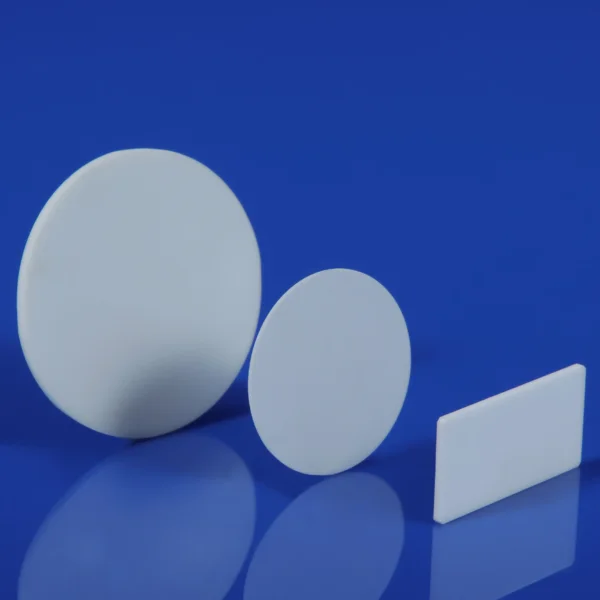
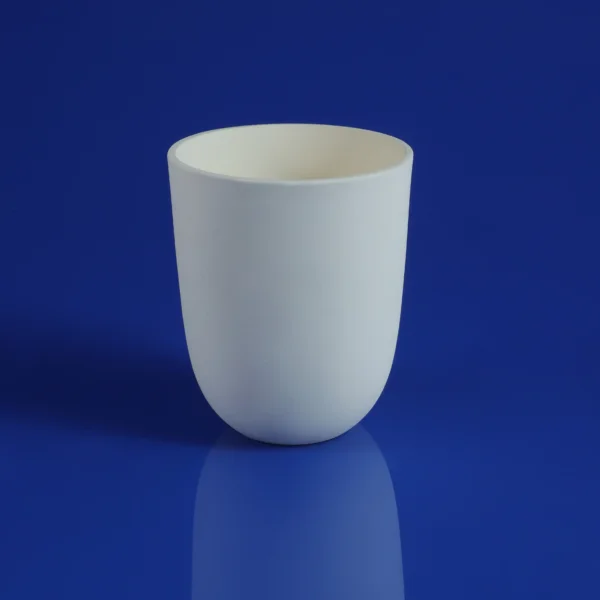
Among metallized ceramic materials, alumina (Al₂O₃) is widely used because of its excellent electrical insulation, mechanical strength, and relatively stable thermal properties. For applications requiring superior thermal conductivity, metallized aluminum nitride ceramics offer a better match for semiconductor devices and power modules.
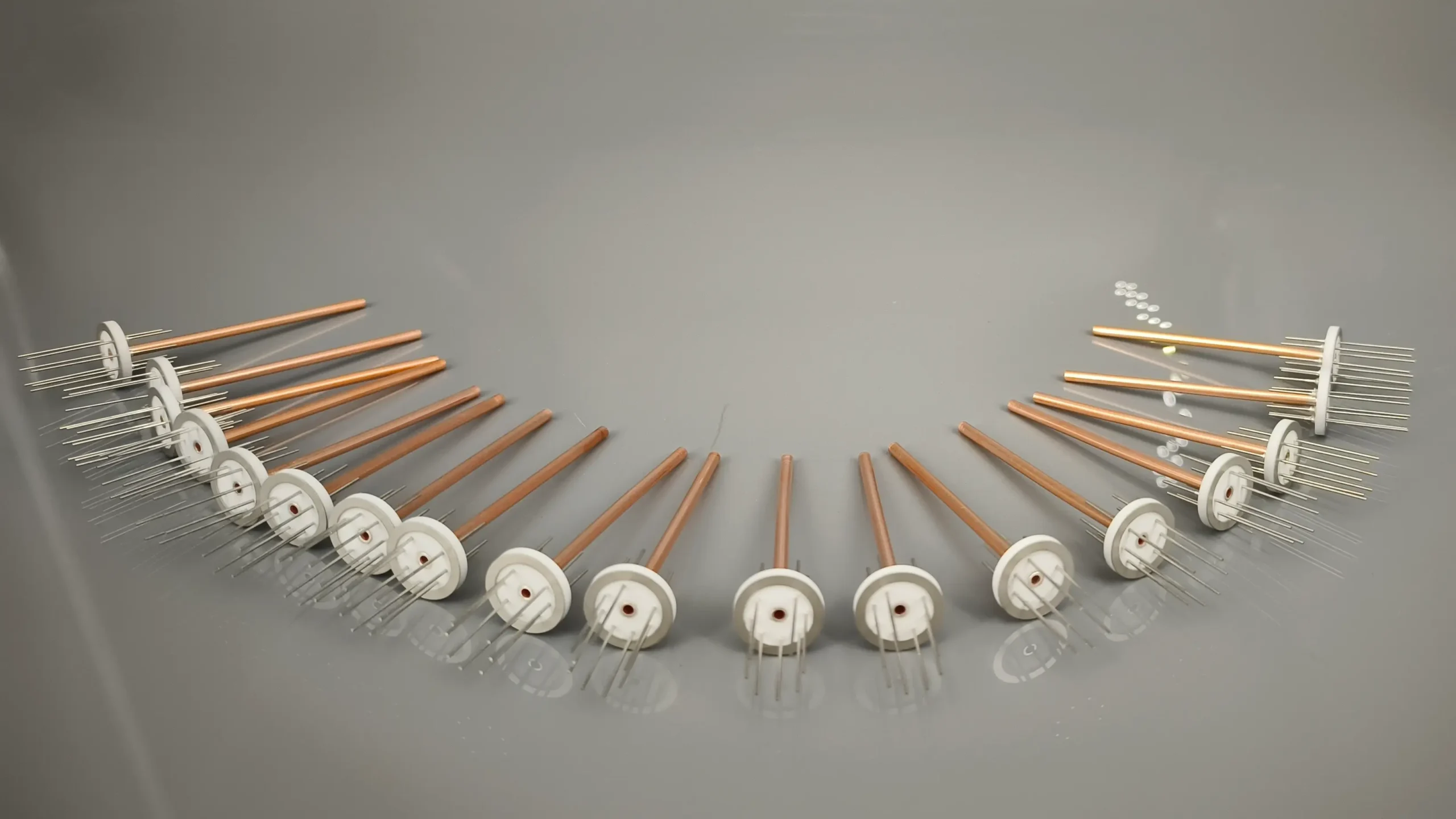
On the metal side, Kovar, molybdenum, and tungsten are often preferred because their CTE values are closer to those of ceramic materials than copper or stainless steel.
By carefully matching ceramic and metal materials during the design stage, engineers can significantly reduce thermal stress and improve assembly reliability. Additional thermal property data and engineering guidelines are available through ASM International, one of the leading authorities in materials science and engineering.
3.Utilize Advanced Metallization Technologies
Metallization plays a critical role in creating a strong bond between ceramics and metal components.
Mo-Mn metallization remains one of the most reliable methods for ceramic-to-metal joining. During the process, a molybdenum-manganese layer is applied to the ceramic surface and fired at high temperature, creating excellent adhesion and long-term stability.
Other advanced joining technologies include:
- Active Metal Brazing (AMB)
- Direct Bond Copper (DBC)
- Thin-film metallization
- Thick-film metallization
The selection of the appropriate metallization process depends on operating temperature, mechanical requirements, and the application’s reliability expectations.
4.Optimize Structural Design
Even with compatible materials, poor structural design can still lead to stress concentration. The following design strategies can effectively reduce thermal stress and improve the reliability of metallized ceramic assemblies:
| Design Strategy | Description | Key Benefits |
|---|---|---|
| Use Buffer Layers | Intermediate materials are added between ceramics and metals to absorb differences in thermal expansion. | Reduces stress at bonding interfaces and improves performance in high-power and high-temperature applications. |
| Optimize Metallization Patterns | Uniform metallization layouts help distribute thermal stress more evenly across the ceramic surface. | Minimizes localized stress concentration and lowers the risk of cracking or delamination. |
| Incorporate Flexible Connections | Flexible leads and compliant interconnects allow movement during thermal expansion and contraction. | Reduces stress transferred to the ceramic substrate and improves thermal cycling reliability. |
By implementing these design strategies, manufacturers can significantly enhance the durability and long-term performance of metallized ceramic assemblies exposed to repeated temperature fluctuations.
5.Improve Brazing and Assembly Processes
The joining process itself can introduce residual stress if not properly controlled.
To minimize CTE-related issues, manufacturers should:
- Select brazing alloys compatible with both ceramic and metal materials
- Use controlled heating and cooling rates
- Avoid excessive temperature gradients during processing
- Implement precise process monitoring and quality control
Proper process optimization helps create stronger bonds while minimizing internal stress that may cause premature failure.
6.Perform Thermal Analysis and Reliability Testing
Simulation and testing are essential for identifying potential problems before production.
Finite Element Analysis (FEA) allows engineers to predict stress distribution within an assembly and evaluate different material combinations. This reduces development time and improves design confidence.
Common reliability tests include:
- Thermal cycling testing
- Thermal shock testing
- Shear strength testing
- Hermeticity testing
These evaluations help verify that the assembly can withstand real-world operating conditions over an extended service life.
7.Why Work with an Experienced Metallized Ceramic Manufacturer?
Preventing CTE mismatch requires more than selecting the right materials. It involves expertise in ceramic processing, metallization technology, brazing, design optimization, and reliability testing.
An experienced metallized ceramic manufacturer can provide:
- Material selection support
- Custom metallization solutions
- Precision ceramic-to-metal bonding
- Reliability testing and validation
- Application-specific engineering assistance
By involving a qualified supplier early in the design process, manufacturers can reduce development risks and improve product performance.
8.Conclusion
CTE mismatch remains one of the leading causes of failure in metallized ceramic assemblies. However, through proper material selection, advanced metallization techniques, optimized structural design, controlled joining processes, and comprehensive testing, thermal stress can be effectively minimized.
For high-reliability applications, partnering with an experienced metallized ceramic supplier is the best way to ensure durable ceramic-to-metal assemblies that perform consistently under demanding operating conditions.
If you are looking for custom metallized ceramic components, our engineering team can help identify the optimal material and metallization solution for your specific application requirements.