

How Does Ceramic Metallization Ensure Performance in Extreme Environments?
High-reliability electronic packages often operate in high voltage, high vacuum, corrosive environments, and extreme temperature cycles. Without a robust ceramic metallization process, ceramic-to-metal interfaces may crack, lose adhesion, or develop vacuum leaks, leading to costly equipment failures.
The most effective solution is Mo-Mn ceramic metallization, followed by nickel plating and vacuum brazing, to create durable ceramic-to-metal joints capable of maintaining long-term hermetic sealing and electrical insulation.
From aerospace satellites to medical X-ray systems and semiconductor manufacturing equipment, ceramic metallization has become a critical technology for ensuring stable performance under demanding operating conditions.
1.Why Is Ceramic Metallization Critical for High-Reliability Packaging?
Ceramics provide excellent electrical insulation and corrosion resistance, while metals offer mechanical strength and electrical conductivity. However, these materials cannot be joined reliably without proper surface preparation.
Without ceramic metallization, brazing alloys cannot adequately wet ceramic surfaces, resulting in weak joints, poor hermeticity, and premature failures.
By creating a metallic layer on the ceramic surface, ceramic metallization enables strong ceramic-to-metal bonding while significantly improving brazing quality and long-term reliability.
According to electronic packaging standards¹, reliable ceramic-to-metal interfaces are essential for electronic packages used in harsh environments.
2.How Does the Ceramic Metallization Process Improve Reliability?
A high-quality ceramic metallization process consists of several precisely controlled manufacturing stages. Every step directly influences the final package performance.
| Process Step | Function | Reliability Benefit |
|---|---|---|
| Precision Ceramic Machining | Achieve tight dimensional tolerances | Stable assembly fit |
| Surface Cleaning | Remove contaminants | Improve metallization adhesion |
| Mo-Mn Metallization | Form conductive bonding layer | Enable ceramic-to-metal brazing |
| High-Temperature Sintering | Diffuse metallization into ceramic | Increase bond strength |
| Nickel Plating | Improve wettability and corrosion resistance | Reliable brazing performance |
| Vacuum Brazing | Join ceramic and metal | Hermetic ceramic package |
Even minor variations in metallization thickness or sintering temperature can reduce joint strength and shorten component lifespan.
3.Which Ceramic Materials Are Commonly Metallized?
Selecting the appropriate ceramic material is equally important for long-term package reliability.
| Ceramic Material | Typical Applications | Primary Advantages |
|---|---|---|
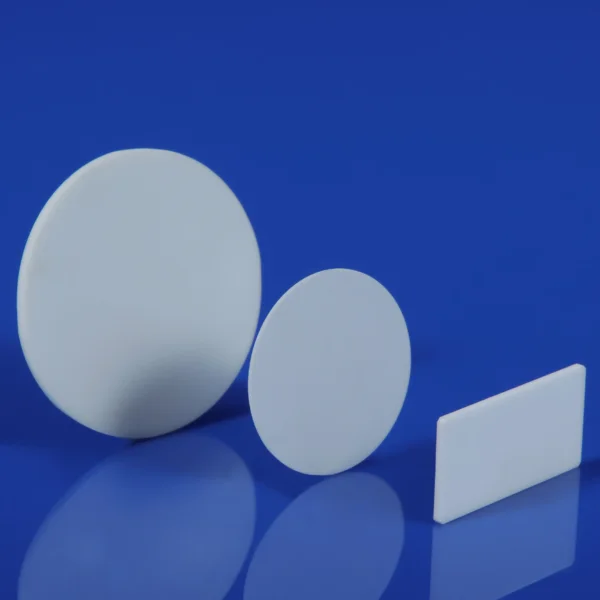
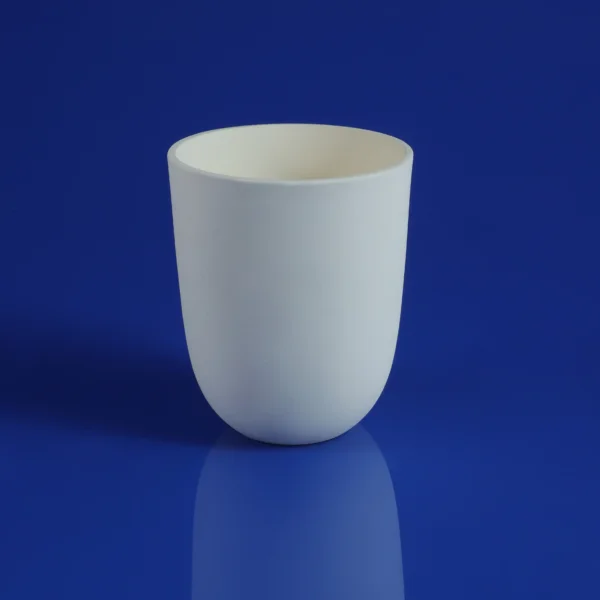
| 95% Alumina | Industrial electronics | Cost-effective insulation |
| 96% Alumina | Vacuum feedthroughs | Excellent electrical performance |
| 99.5% Alumina | Aerospace & Medical | High purity and mechanical strength |
| Zirconia | Sensors | Superior fracture toughness |
| Aluminum Nitride (AlN) | Power modules | High thermal conductivity |
Among these materials, alumina ceramic metallization remains the most widely adopted solution because it provides an excellent balance of insulation, mechanical strength, manufacturing consistency, and cost.
4.Where Is Ceramic Metallization Used?
Extreme operating environments continuously challenge electronic packaging reliability.
Without reliable ceramic metallization, components may experience vacuum leakage, electrical breakdown, thermal fatigue, or ceramic-to-metal separation during long-term operation.
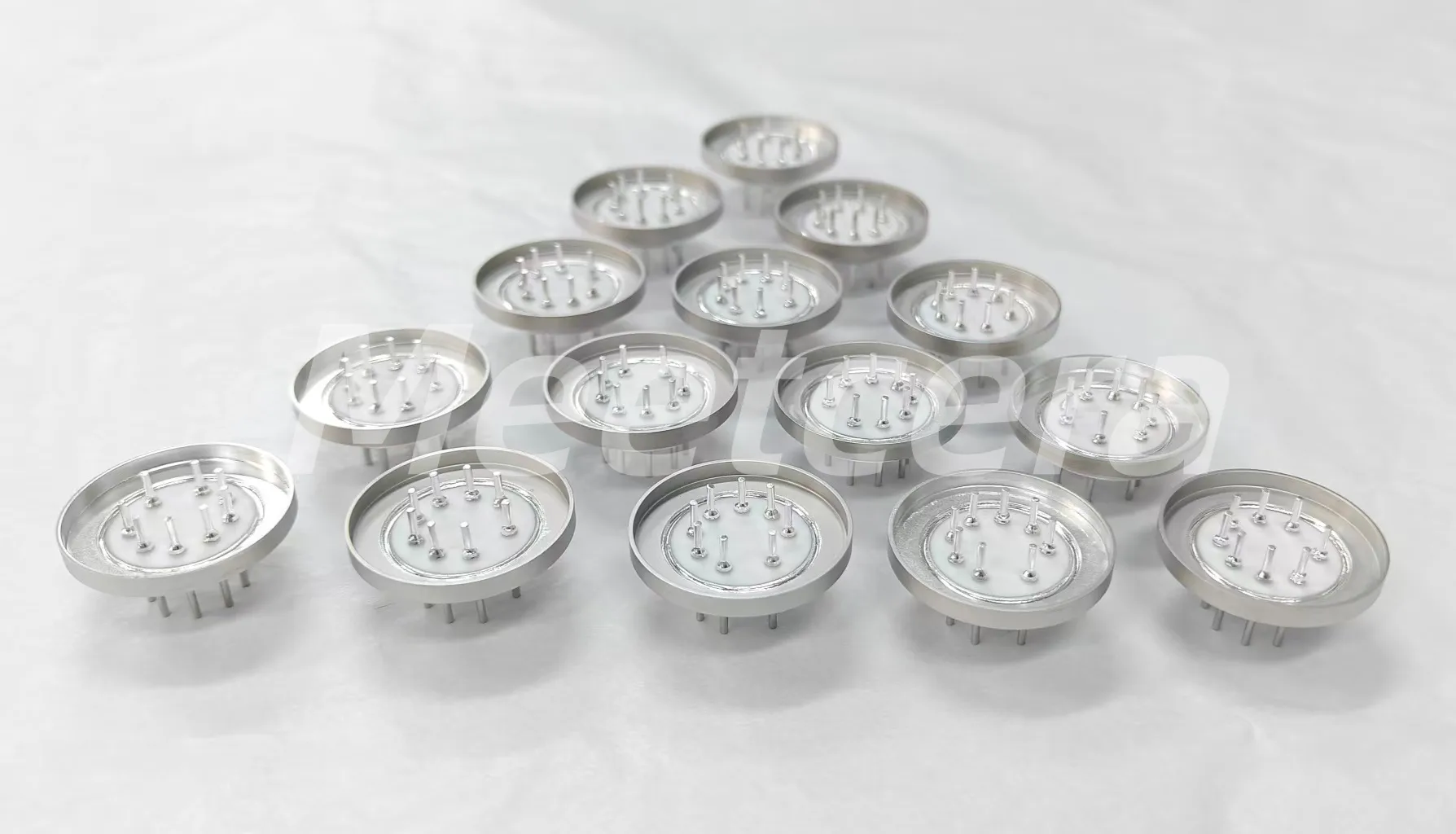
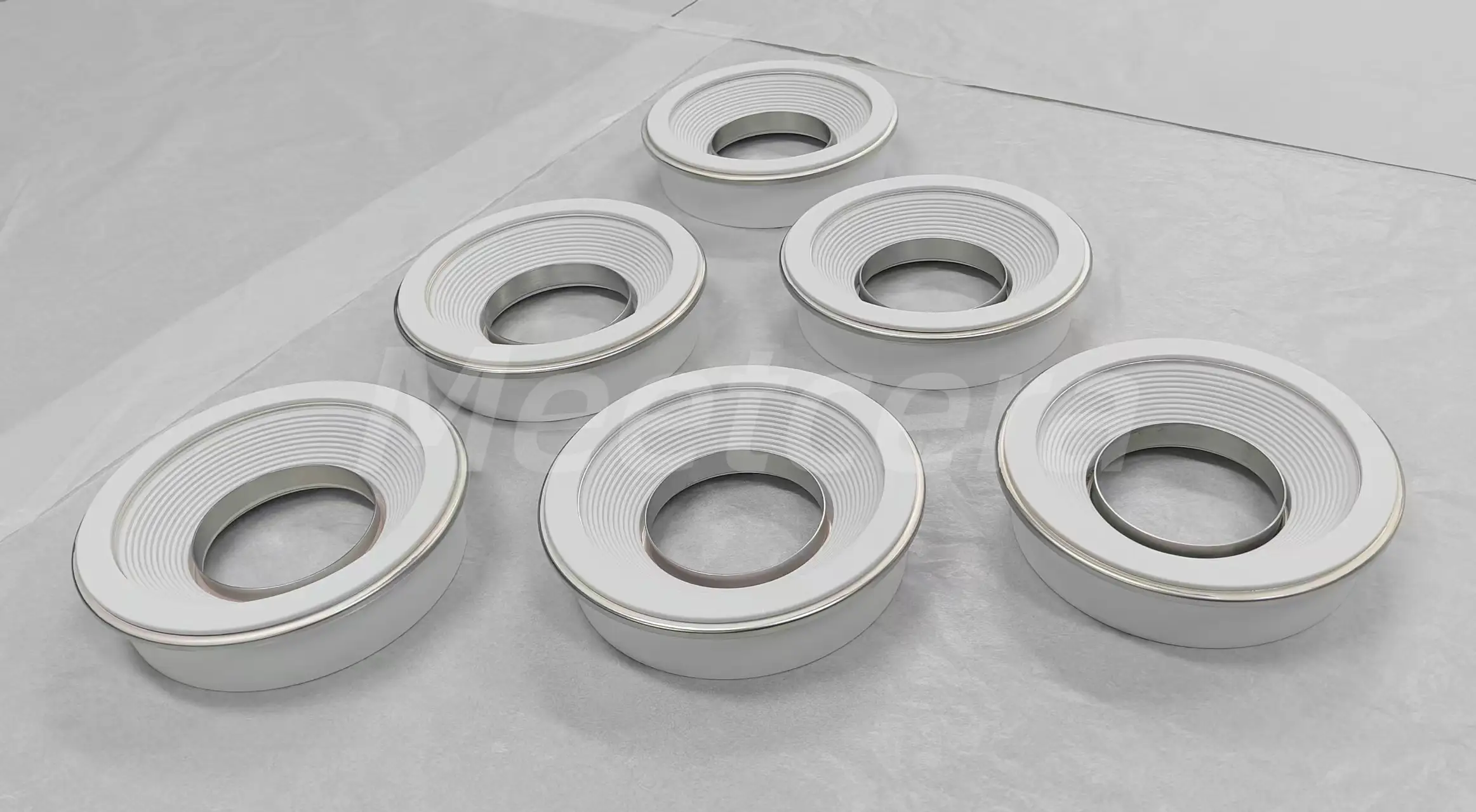
Today, metallized ceramics are widely used in:
- Aerospace electronic packages
- Medical X-ray tubes
- CT imaging systems
- Semiconductor manufacturing equipment
- Vacuum feedthroughs
- High-voltage insulators
- Power electronics modules
- Scientific research instruments
Each application requires reliable hermetic ceramic packaging capable of maintaining performance throughout years of service.
5.Why Is Hermetic Sealing So Important?
Many electronic devices operate inside vacuum chambers or sealed environments where even microscopic leakage can compromise system performance.
Poor ceramic-to-metal sealing can allow moisture, gas, or contaminants to enter the package, resulting in electrical failure or reduced service life.
By combining Mo-Mn ceramic metallization, nickel plating, and vacuum brazing, manufacturers achieve highly reliable hermetic seals that satisfy demanding international electrical standards² for critical applications.
6.How Can You Choose a Reliable Ceramic Metallization Supplier?
Choosing an experienced supplier is just as important as selecting the right material.
An unreliable manufacturing process may produce inconsistent metallization thickness, weak adhesion, or unstable brazed joints.
Look for suppliers that provide:
- Complete in-house ceramic metallization
- Precision ceramic machining
- Nickel plating capability
- Vacuum brazing expertise
- Hermetic leak testing
- Material traceability
- Engineering design support
- Prototype sampling before mass production
Requesting prototype samples before volume production allows engineers to validate metallization quality and reduce development risks.
7.Why Does Process Control Determine Long-Term Performance?
Reliable ceramic metallization depends on strict process control rather than a single manufacturing step.
Critical parameters include:
- Surface roughness
- Metallization paste composition
- Sintering temperature profile
- Nickel plating thickness
- Brazing alloy compatibility
- Vacuum brazing atmosphere
Maintaining these parameters consistently ensures stable adhesion, excellent hermeticity, and long service life. These manufacturing practices are widely recognized by advanced ceramic engineering organizations³ for high-performance ceramic packaging.
8.Looking for a Reliable Ceramic Metallization Partner?
If your project requires vacuum-tight ceramic-to-metal assemblies, high-voltage insulation, or custom metallized ceramic components, selecting the right manufacturing partner early can significantly improve product reliability and reduce qualification time.
Whether you are developing vacuum feedthroughs, X-ray tube components, power electronic packages, or custom ceramic-to-metal assemblies, our engineering team can help evaluate material selection, metallization processes, and brazing solutions. Contact us for technical consultation or request prototype samples to verify your design before production.
FAQ
(1)What is ceramic metallization?
Ceramic metallization is a process that deposits a metallic layer onto ceramic surfaces, allowing reliable ceramic-to-metal brazing while maintaining excellent electrical insulation and hermetic sealing.
(2)Why is Mo-Mn ceramic metallization widely used?
Mo-Mn metallization provides excellent adhesion to alumina ceramics and creates a stable surface for nickel plating and vacuum brazing, making it the preferred solution for high-reliability electronic packaging.
(3)Which industries benefit most from ceramic metallization?
Ceramic metallization is widely used in aerospace, semiconductor manufacturing, medical imaging, vacuum technology, power electronics, and scientific instrumentation, where reliable ceramic-to-metal bonding and long-term hermetic sealing are critical.