Ceramic Metallization Services
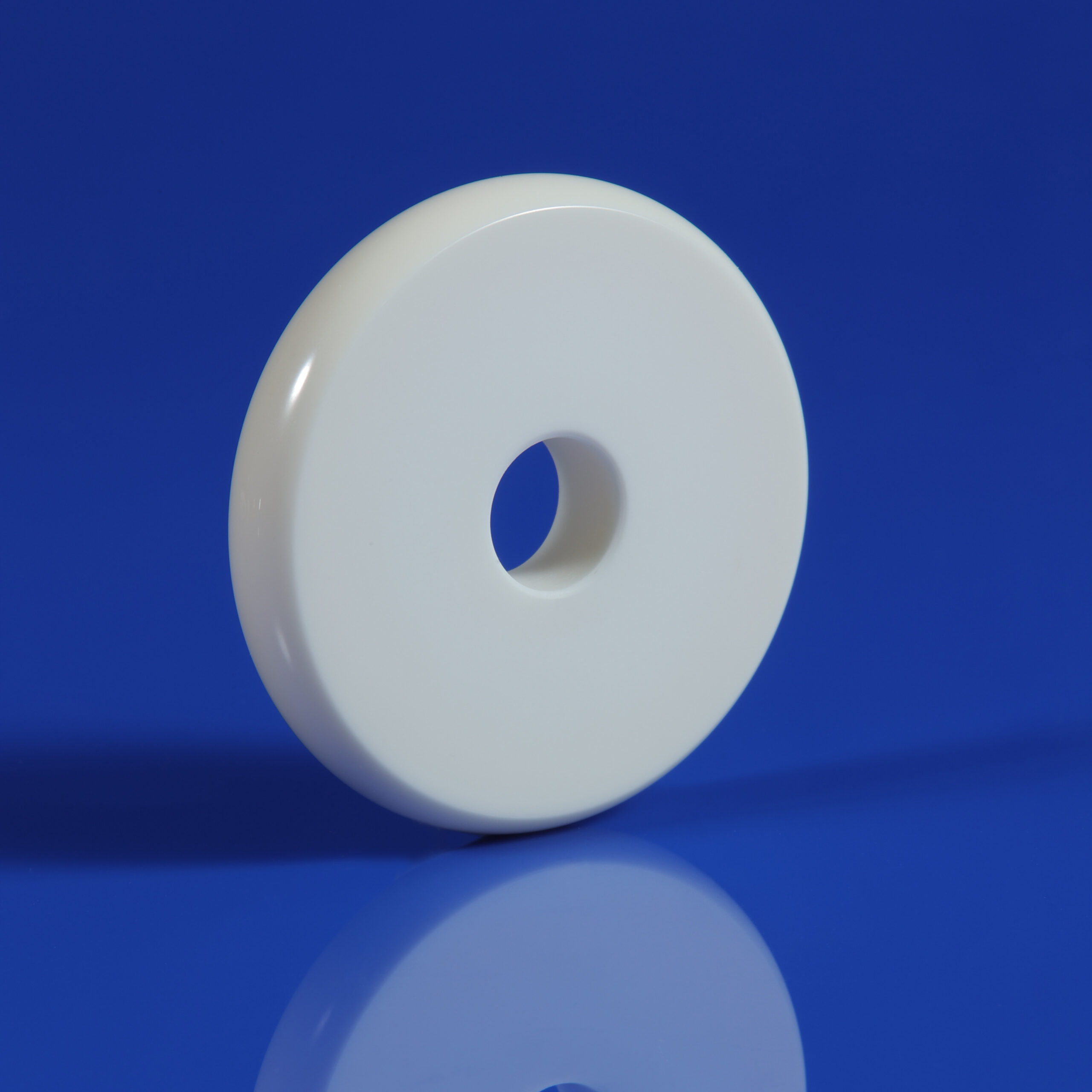
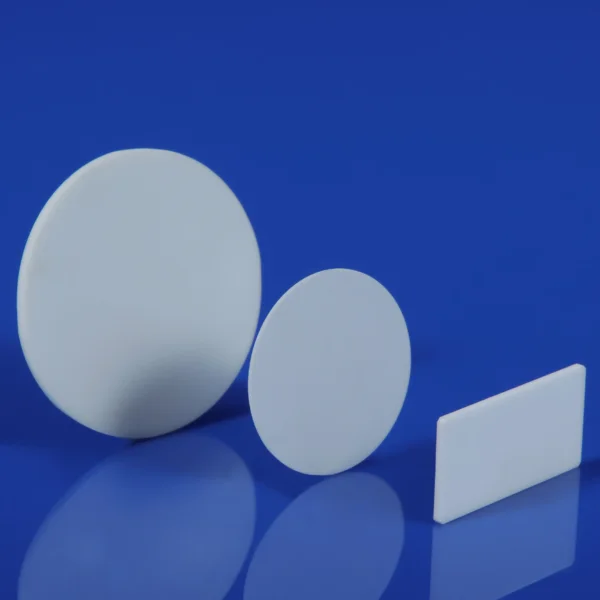
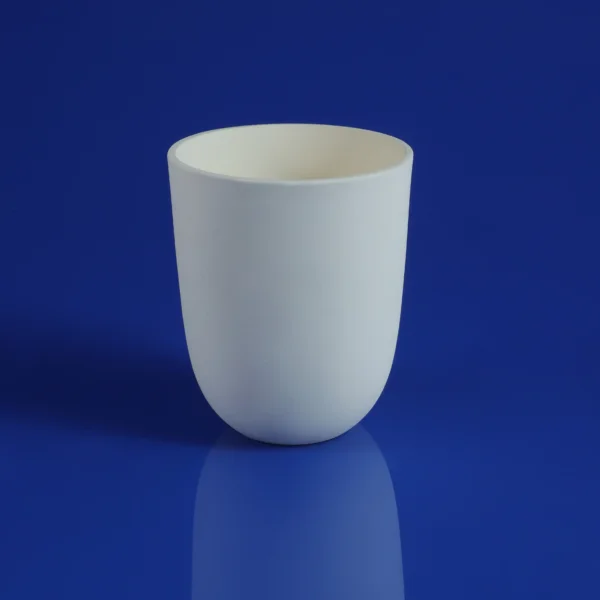
Meetcera provides professional ceramic metallization services for alumina advanced ceramics. Using proven Mo-Mn metallization and precision nickel plating processes, we help customers achieve high-strength ceramic-to-metal bonding for demanding applications in vacuum electronics, power modules, medical devices, semiconductor equipment, and aerospace industries.
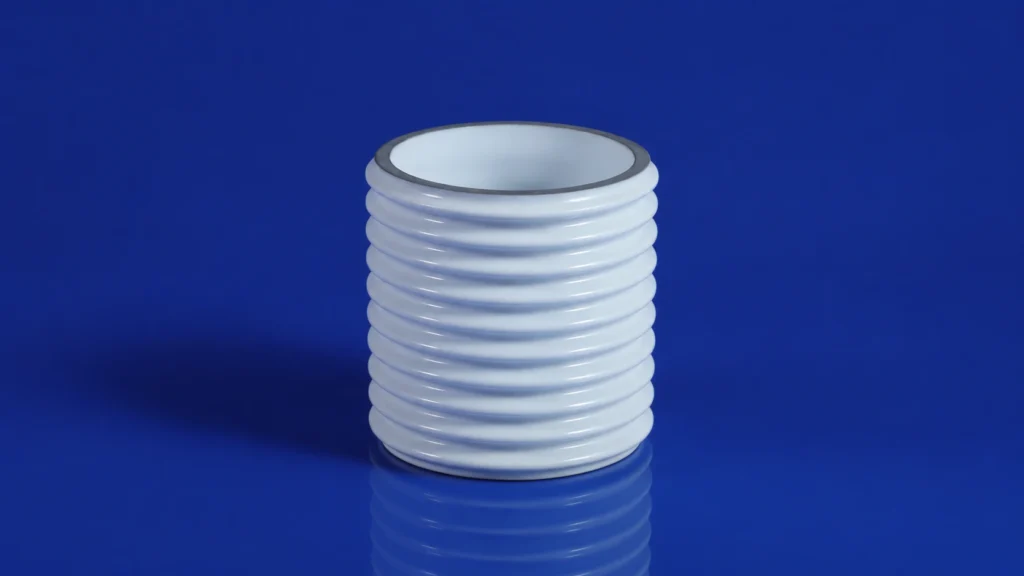
what is Ceramic Metallization?
Ceramic metallization is a specialized surface engineering process that creates a metallic layer on ceramic components, allowing them to be reliably brazed or soldered to metal parts. Since technical ceramics such as alumina (Al₂O₃) cannot be directly joined to metals, metallization is an essential step in manufacturing hermetic ceramic-to-metal assemblies.
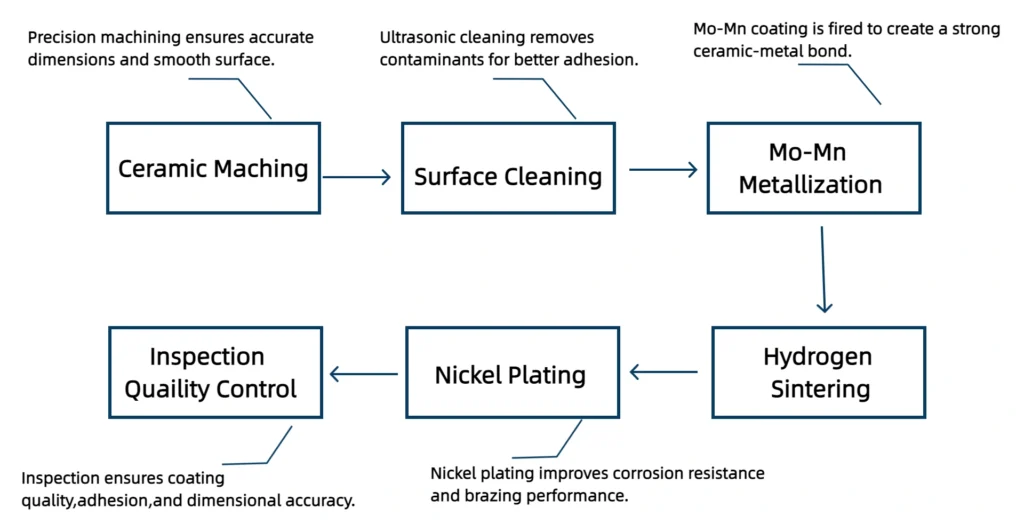
At Meetcera, we primarily use the industry-proven molybdenum-manganese (Mo-Mn) metallization process, followed by high-quality nickel plating to ensure excellent brazing performance, strong adhesion, and long-term reliability.
Why Choose Metallized Ceramics?
Modern electronic and industrial systems require reliable ceramic-to-metal interfaces that can withstand high temperatures, vacuum environments, and continuous thermal cycling. Ceramic metallization provides the ideal solution by combining the outstanding insulation properties of advanced ceramics with the conductivity and joining capability of metals.
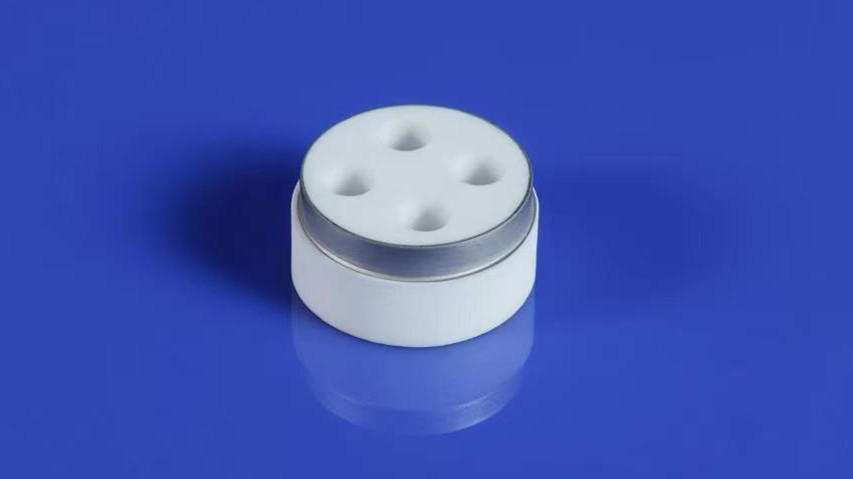
High Bond Strength
The metallized layer creates excellent adhesion between ceramic and metal components, providing durable brazed joints for long-term service.
Hermetic Sealing
Ideal for vacuum devices, feedthroughs, sensors, and electronic packages where leak-free performance is critical.
Excellent High-Temperature Stability
Metallized ceramics maintain structural integrity under elevated operating temperatures and repeated thermal cycling.
Outstanding Corrosion Resistance
Nickel-plated metallized ceramics resist oxidation and corrosion, extending component lifetime.
Superior Electrical Insulation
Ceramics retain their excellent dielectric properties while providing localized conductive surfaces for electrical connections.
Precision Manufacturing
Meetcera offers tight dimensional tolerances and consistent metallization quality for demanding industrial applications.
Materials & Metallization Options
Our ceramic metallization process is tightly controlled to ensure consistent quality and reliable performance. The following specifications represent our typical manufacturing capabilities for Mo-Mn metallization and nickel plating, supporting demanding applications in vacuum, medical, semiconductor, and power electronics industries.
| Capability | Typical Value |
|---|---|
| Substrate Material | Alumina (95% – 99% Al2O3), Aluminum Nitride (AlN), Zirconia (ZrO2) |
| Average Tensile Strength | >100 MPa |
| Metallization Thickness | 15-25μm |
| Ni Plating Thickness | 8-10μm |
| Pattern Tolerance | ±0.05 mm |
| Metallization Processes | Sintering, Electroplating, Electroless Plating |
| Available Plating Finishes | Nickel, Copper, Gold, Silver |
Whether your project requires ceramic-to-metal brazing, vacuum sealing, or high-frequency electronic packaging, our engineers can recommend the most suitable metallization system for your application.
Our Ceramic Metallization Process
Request a Quote
Applications of Metallized ceramic
Meetcera supplies metallized ceramic components for a wide range of industries where reliable ceramic-to-metal joining, electrical insulation, and high-temperature performance are essential.
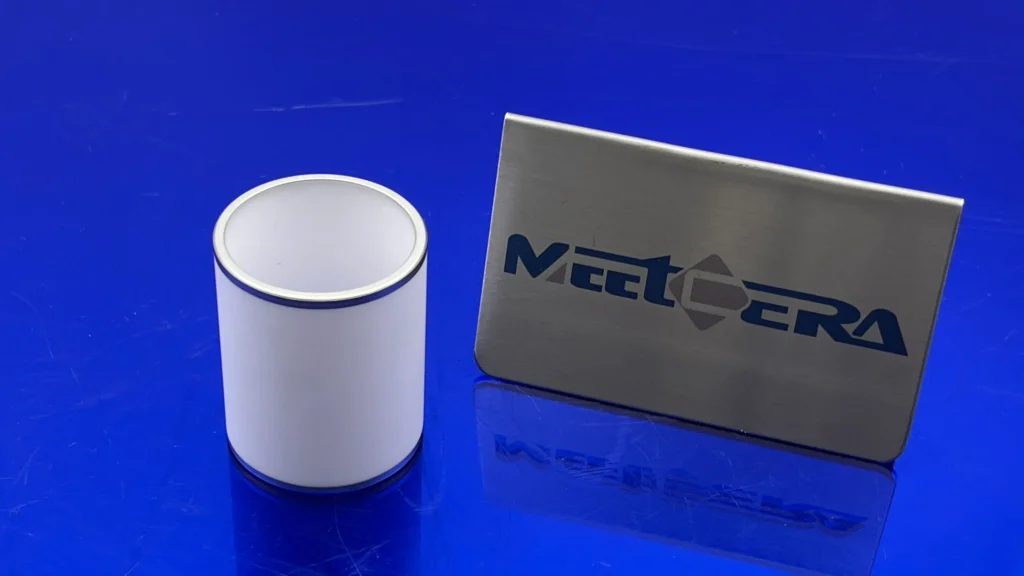

Metallized ceramics are used in fuel cells, solar cells, battery separators, etc. Their superior conductivity and corrosion resistance can improve the performance and stability of energy equipment, so they are widely used in the energy field.
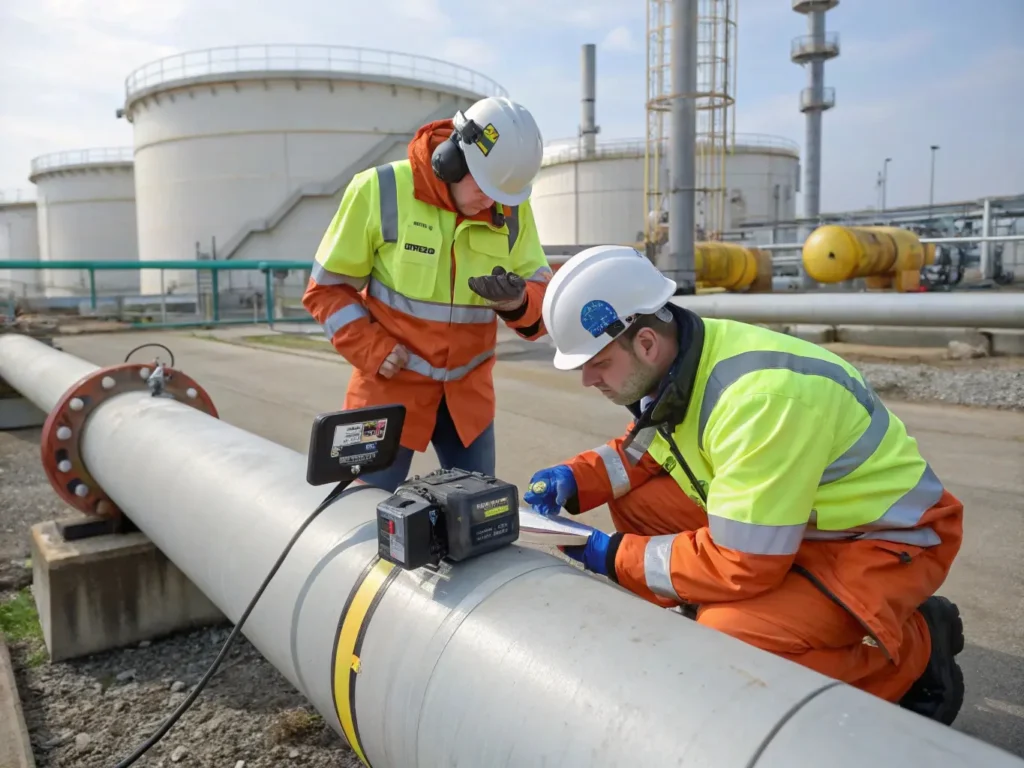
In the field of petrochemical engineering, metallized ceramics are often used in the manufacture of pipeline inspection sensors, petrochemical monitoring equipment, and high-temperature corrosive environment components, and have very important application value.
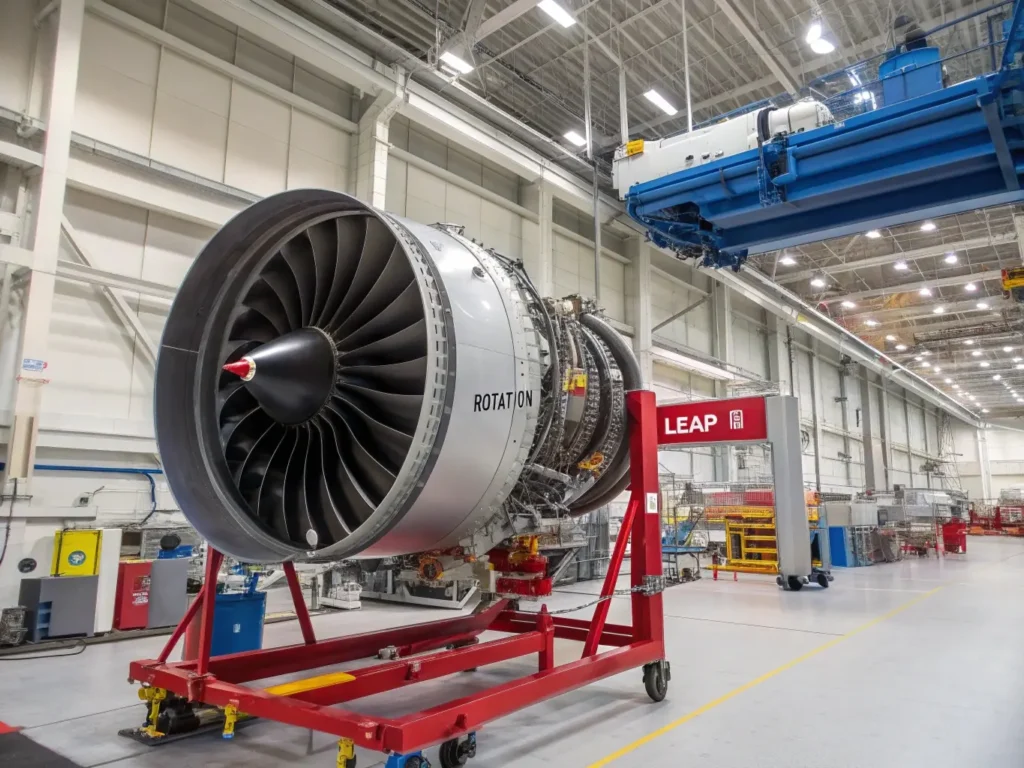
Metallized ceramics are resistant to high temperatures, corrosion, and wear, which make them widely used in the aerospace field. They are often used to manufacture aerospace engine parts, missile casings, spacecraft casings, etc.
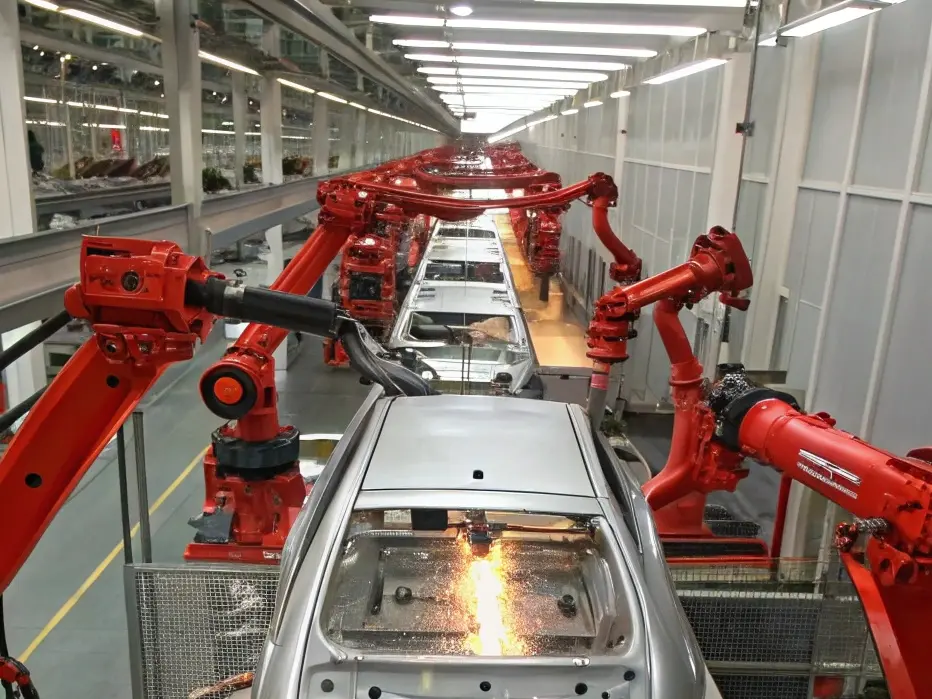
In the field of automobile manufacturing, metallized ceramics are often used in the manufacture of engine parts, exhaust systems, braking systems, etc., and have very important application value.
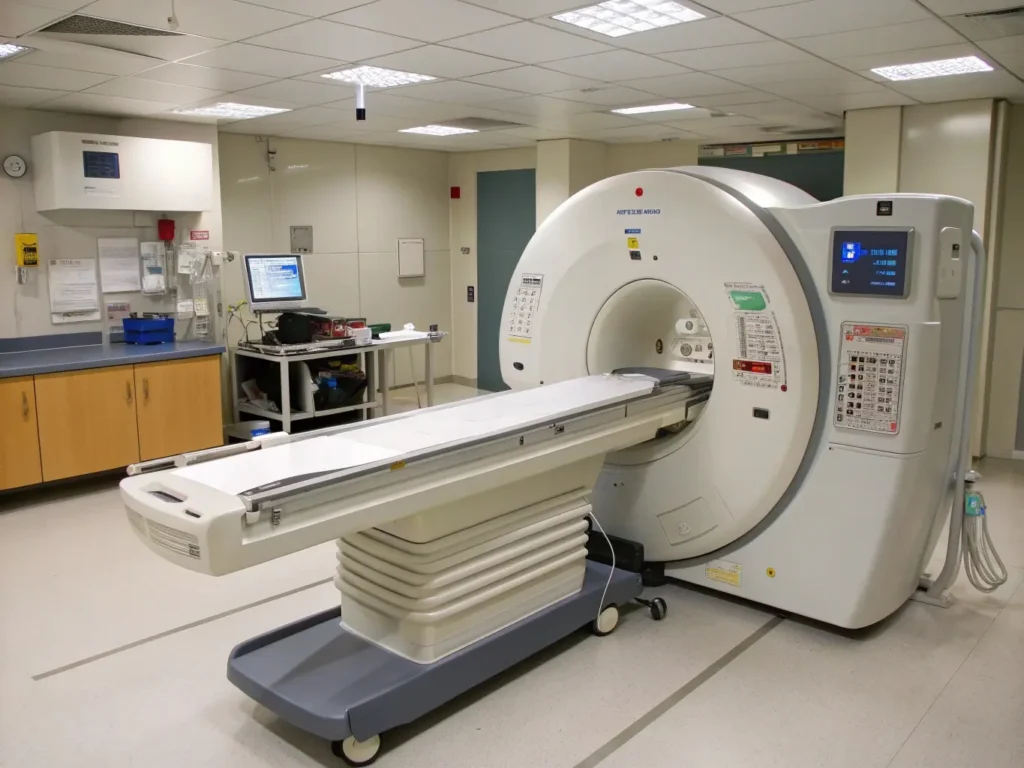
The biocompatibility and corrosion resistance of metallized ceramics make them ideal materials for the manufacture of medical devices, such as artificial joints, dental implants, surgical instruments, etc.
Why Choose MeetCeras for Ceramic Metallization?
Request a Quote
Engineering Support
Our engineers work closely with customers during material selection, metallization design, and brazing optimization to improve product performance and manufacturability.
Stable Manufacturing Process
Every production batch follows standardized operating procedures, ensuring consistent metallization quality and repeatable results.
Wide Material Compatibility
We support alumina, aluminum nitride, beryllia, silicon nitride, and other advanced ceramics with customized metallization solutions.
Strict Quality Control
Each product is inspected throughout production to ensure adhesion strength, dimensional accuracy, coating integrity, and surface quality.
Custom Manufacturing
Whether you need prototypes, small-volume production, or large-scale manufacturing, we provide flexible solutions tailored to your project requirements.
One-Stop Ceramic-to-Metal Solution
Beyond metallization, Meetcera also offers ceramic machining, precision grinding, brazing, and finished ceramic-to-metal assemblies, reducing supplier management complexity and shortening lead times.
Frequently Asked Questions
What metallization process do you use?
Lorem ipsum dolor sit amet, consectetur adipiscing elit. Ut elit tellus, luctus nec ullamcorper mattis, pulvinar dapibus leo.
Can you manufacture custom parts?
Yes. We manufacture custom metallized ceramic components based on customer drawings, CAD files.
Do you provide ceramic-to-metal brazing?
Yes. In addition to metallization, we offer complete ceramic-to-metal brazing and assembly services.