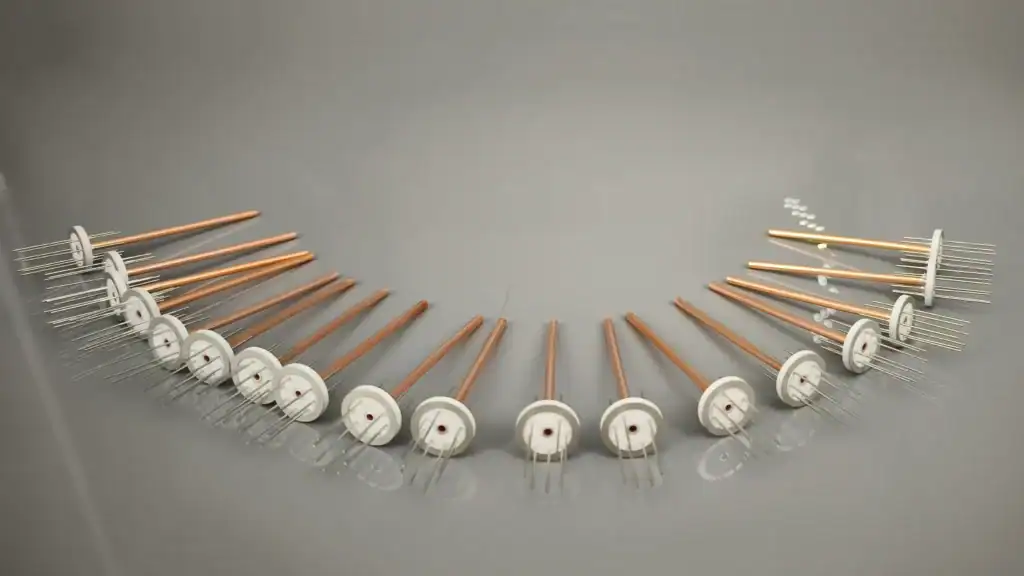
Ceramic-to-Metal Brazing for High-Reliability Assemblies
We join advanced ceramics and metals into precision brazed assemblies for vacuum, high-voltage, medical, semiconductor and industrial applications.
Brazing Capability Overview
Ceramic-to-Metal Brazing
Alumina, AlN, Si₃N₄ and other technical ceramics joined to compatible metals.
Metallized Ceramic Brazing
Mo-Mn metallization + nickel plating for conventional ceramic-to-metal brazing.
Active Metal Brazing
Direct ceramic-to-metal joining for selected material combinations and applications.
Hermetic Assembly
Controlled brazing and inspection for vacuum-tight and high-reliability assemblies.
How Does Ceramic-to-Metal Brazing Work?
Reliable ceramic-to-metal brazing is not simply a matter of heating two materials together. The ceramic, metal, filler alloy, joint geometry and thermal profile must be carefully matched to achieve strong, stable and hermetic joints.
Material Selection
Meetcera matches ceramics, metals and filler alloys based on CTE, temperature and application requirements.
Surface Preparation
Surfaces are cleaned and prepared to ensure consistent wetting and joint strength.
Metallization Brazing
We use Mo-Mn metallization + nickel plating brazing, depending on the material system.
Controlled Furnace Brazing
Controlled temperature, atmosphere, joint clearance and cooling help achieve reliable brazed joints.
Inspection & Leak Testing
We use dimensional inspection, microscopy and helium leak testing to verify assembly quality.
Which Ceramics and Metals Can Be Brazed Together?
Material combinations are application-dependent and are validated based on CTE, joint geometry, brazing temperature and operating conditions.
Ceramic Metal Options Typical Joining Route Typical Application
Alumina Kovar、Stainless Steel、Cu、Ni alloys Mo-Mn+Brazing/Active Brazing Feedthroughs、Vacuum Components
AIN Cu、Mo、Kovar Active Metal Brazing Power Electronics
Si3N4 Cu、Mo、Ni alloys Active Metal Brazing Power Modules
Sapphire Kovar、Stainl
ess Steel、Ni alloysMetallization+Brazing Optical/Vacuum Components
Zirconia Selected metals Application-dependent Sensors/Specialty Assemblies
Ceramic-to-Metal Brazing Capability
Our ceramic-to-metal brazing capabilities cover material selection, controlled joining processes and precision assembly. The following specifications provide a clear overview of our typical materials, brazing parameters and inspection capabilities.
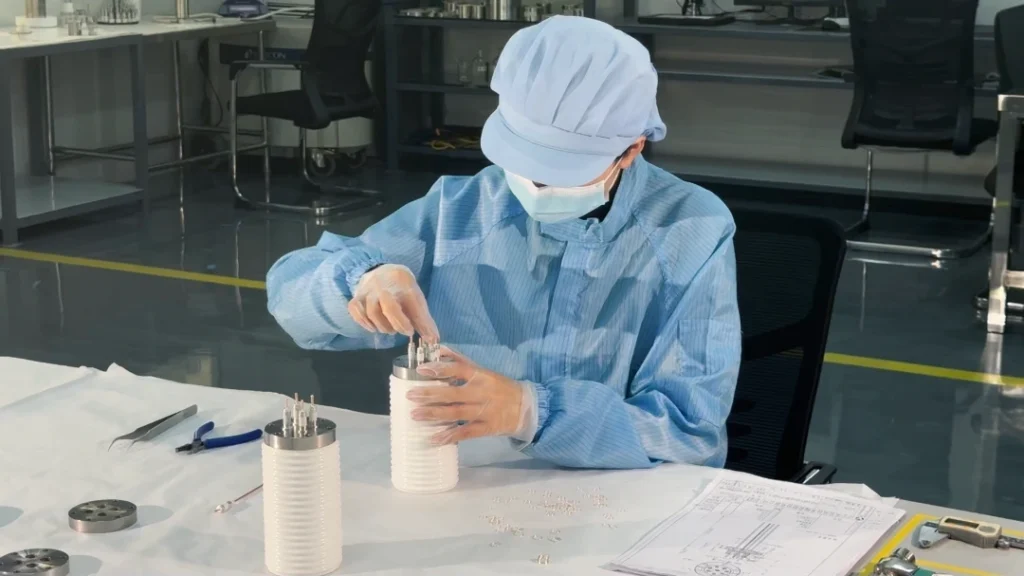
| Capability | Meetcera Capability |
|---|---|
| Ceramic Materials | 95–99% Alumina and selected technical ceramics |
| Metal Materials | Kovar, Stainless Steel, Copper and selected alloys |
| Joining Methods | Mo-Mn Metallization + Brazing / Active Metal Brazing |
| Metallization Thickness | 15–25 μm |
| Nickel Plating | 8–10 μm |
| Brazing Temperature | Up to 850°C |
| Hermetic Leak Testing | Helium Mass Spectrometer |
| Leak Rate | ≤1 × 10⁻¹⁰ atm·cc/sec(Typical achievable value; final specification depends on assembly design and customer requirements.) |
| Dimensional Tolerance | ±0.05~±0.2mm |
What Makes a Ceramic-to-Metal Brazed Joint Reliable?
Request a Quote
01 — CTE Compatibility
CTE mismatch can create thermal stress and ceramic cracking.
We match ceramic and metal materials to reduce stress during thermal cycling.
02 — Joint Clearance
Improper clearance can cause poor filler flow and weak joints.
Controlled joint gaps support proper capillary flow and braze coverage.
03 — Joint Geometry
Sharp corners and stress concentration can weaken ceramic joints.
Optimized joint geometry helps distribute stress and protect brittle ceramic areas.
04 — Thermal Profile
Rapid heating or cooling can cause residual stress and joint defects.
Controlled heating, holding and cooling improves wetting and joint integrity.
How Is Brazed Assembly Quality Verified?
Inspection methods can be aligned with applicable customer specifications and recognized standards, such as ASTM E493 for helium leak testing and relevant AWS brazing specifications.
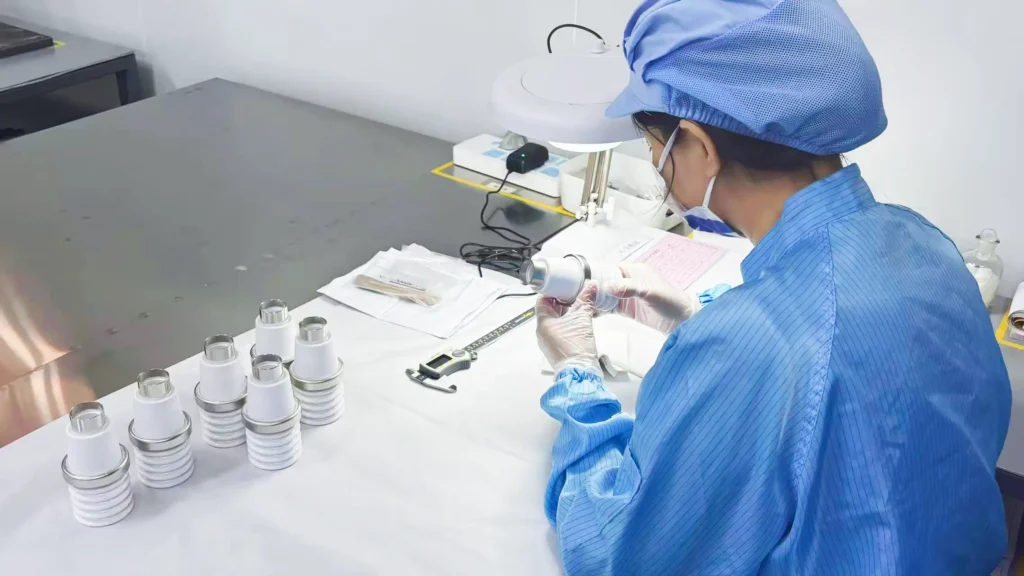
Inspection Purpose Typical Output
Visual Inspection Surface / braze appearance Visual acceptance
Dimensional Inspection Verify critical dimensions CMM / measurement report
XRF Thickness Measurement Metallization / plating control Thickness data
Helium Leak Test Hermeticity verification Leak rate
Joint Strength Testing Mechanical integrity Shear / tensile data
Microscopy Braze interface evaluation Microstructure images
Electrical Testing Insulation / conductivity Test report