Ceramic-to-Metal Seals
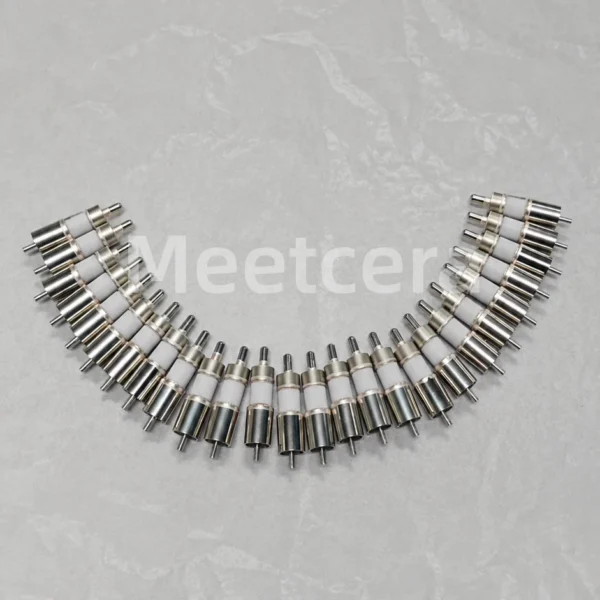
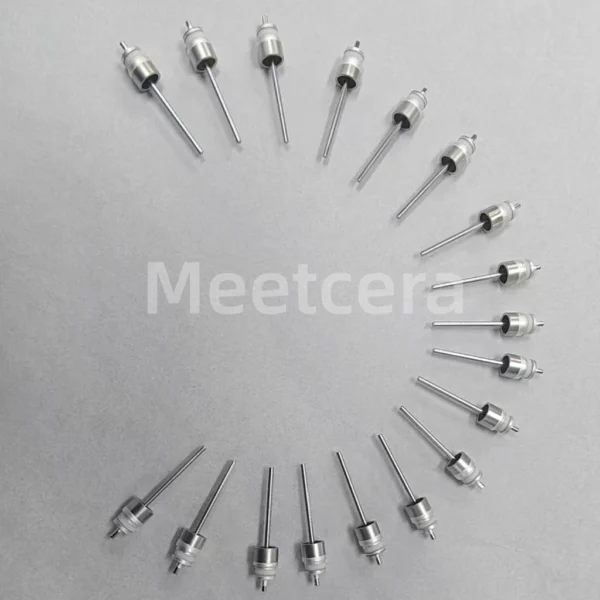
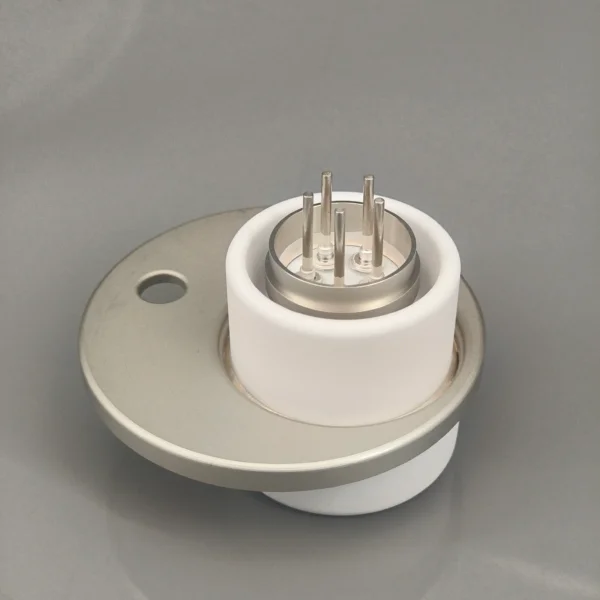
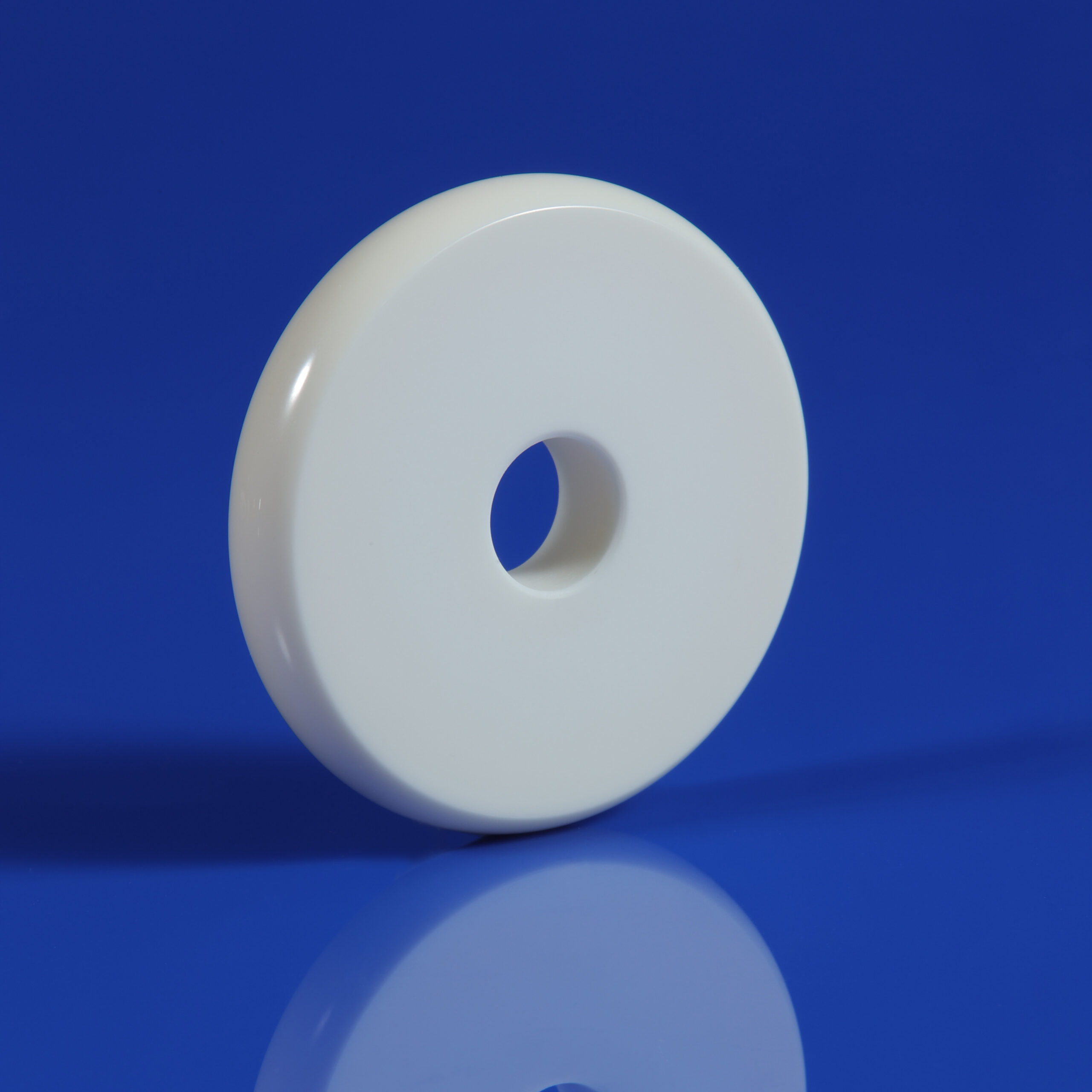
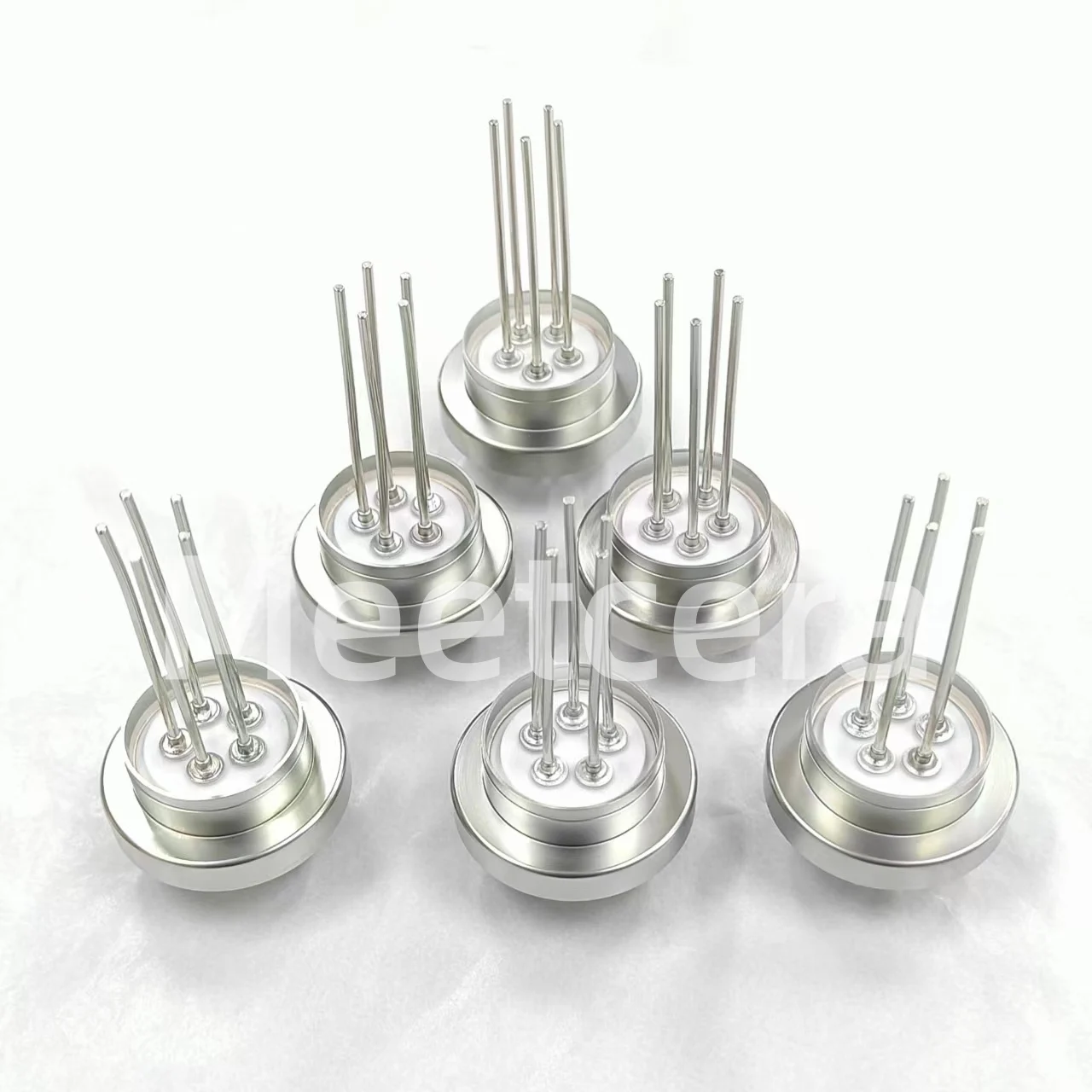
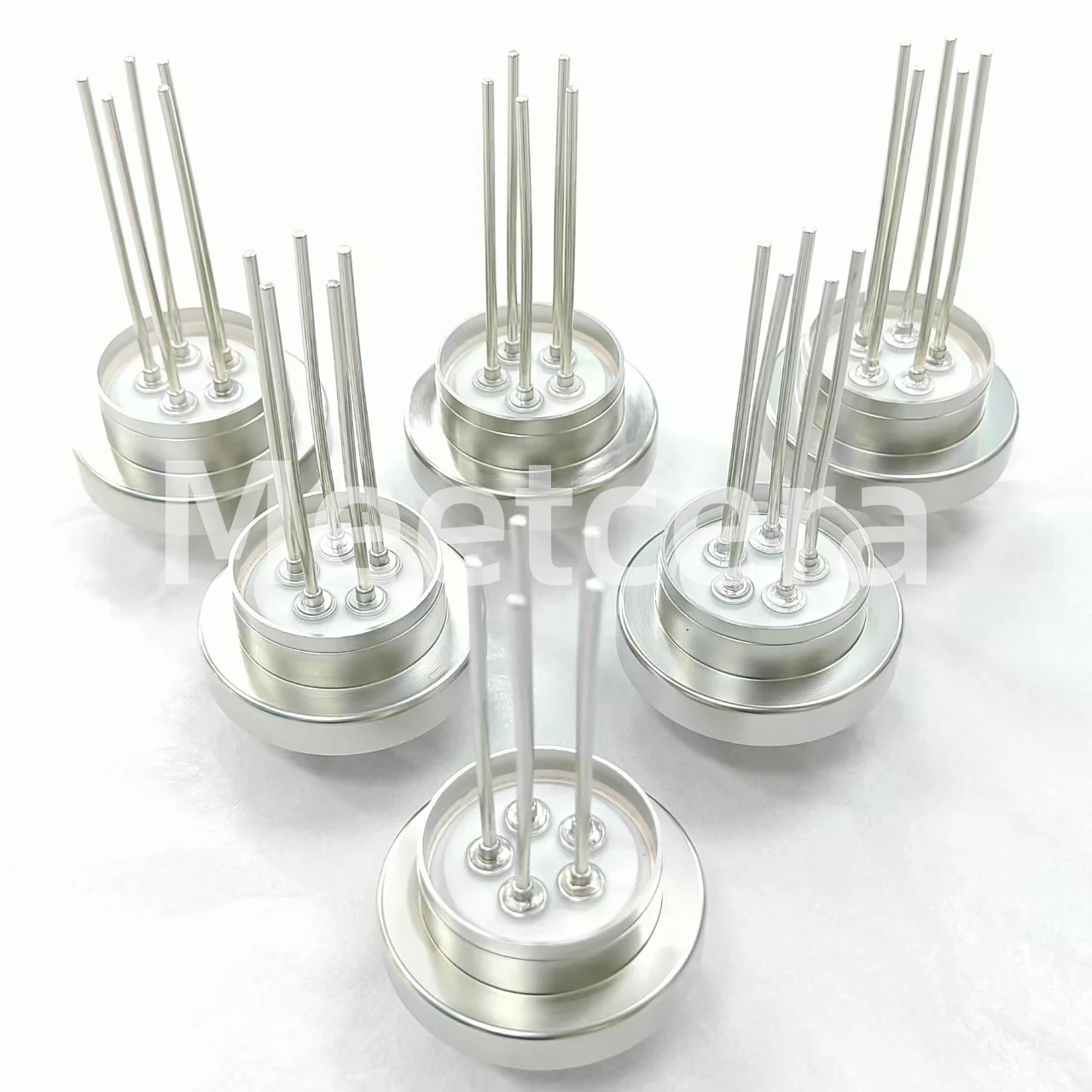
Ceramic-to-metal seals combine the insulating properties of technical ceramics with the structural and electrical functions of metal components. They are used when an assembly requires a ceramic barrier, a metal connection, or a joint that must meet defined gas-leakage requirements.
The main challenge is the difference between ceramic and metal properties. Ceramics are generally brittle, while metals can deform more readily. Their thermal expansion behavior also differs, potentially generating stress during heating, cooling, and service.
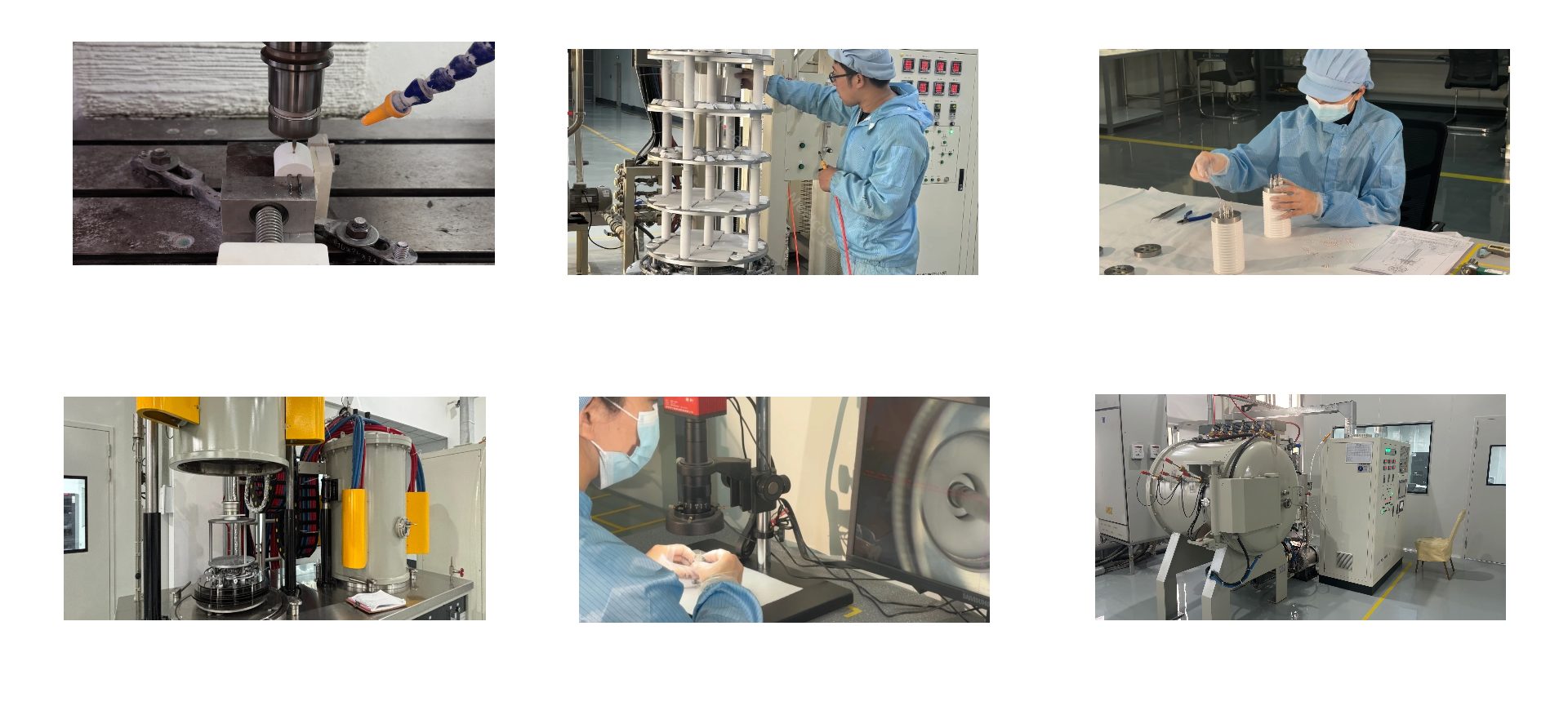
A reliable design therefore begins with material compatibility and joint geometry. Meetcera supports customized joining projects through its ceramic-to-metal brazing capabilities.
Main Engineering Factors
Thermal Expansion Compatibility
Ceramic and metal components expand and contract at different rates. Excessive mismatch can place tensile stress on the ceramic or concentrate stress around the joint.
Material selection should consider the ceramic grade, metal alloy, braze material, joint dimensions, and expected temperature cycle. The objective is not simply to choose materials with similar expansion values, but to develop a joint that can tolerate the actual service conditions.
Metallization and Brazing
For conventional alumina-to-metal joining, the ceramic surface may first receive a metallization layer. Nickel plating may then be applied where required by the joining process.
The metal part and ceramic surface are subsequently joined using a compatible brazing material and controlled thermal cycle. The precise process depends on the materials, joint configuration, and performance requirements.
Learn more about the role of ceramic surface preparation in our metallized ceramic components.
Joint Geometry and Mechanical Loading
A joint should be designed to avoid unnecessary stress concentrations. Wall thickness, contact area, braze clearance, component alignment, and mounting loads can all affect reliability.
For assemblies that also require vacuum integrity, sealing performance should be evaluated alongside mechanical strength.
Typical Applications
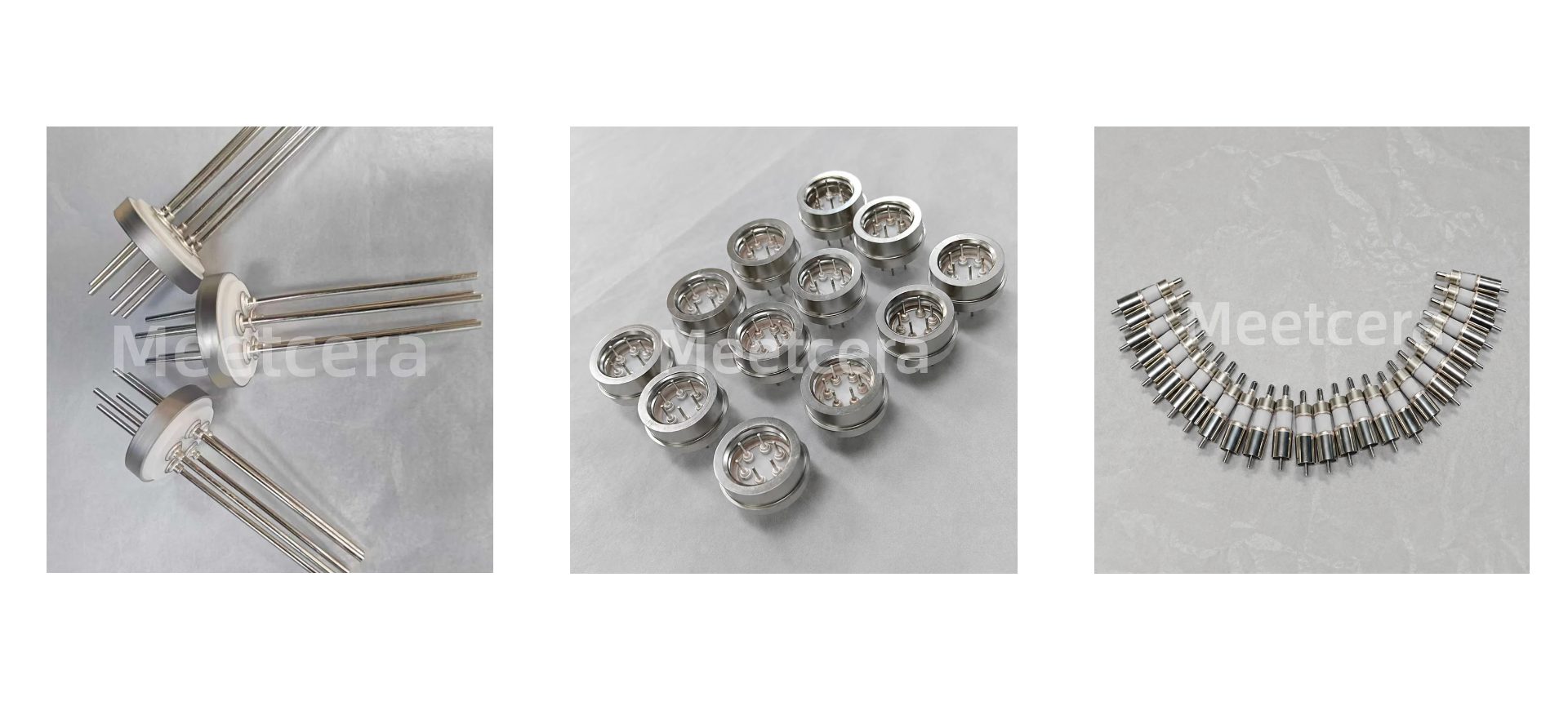
- Electrical insulation assemblies
- Vacuum electronic components
- Hermetic connectors and packages
- Industrial sensors and instruments
- Specialized high-temperature equipment
Explore our ceramic-to-metal sealing products for additional product information.
Frequently Asked Questions
Q1: Why can ceramic-to-metal joints crack during cooling?
A: Differential thermal contraction can generate stress at the interface. Material compatibility, joint geometry, and the brazing cycle must be considered to reduce this risk.
Q2: Is metallization always required for ceramic-to-metal joining?
A: No. Conventional metallization and brazing is one joining route. Active metal brazing and other methods may be suitable for selected material combinations.
Q3: Are all ceramic-to-metal seals hermetic?
A: No. A joint should only be described as hermetic when it meets the specified leakage requirement under the agreed test conditions.