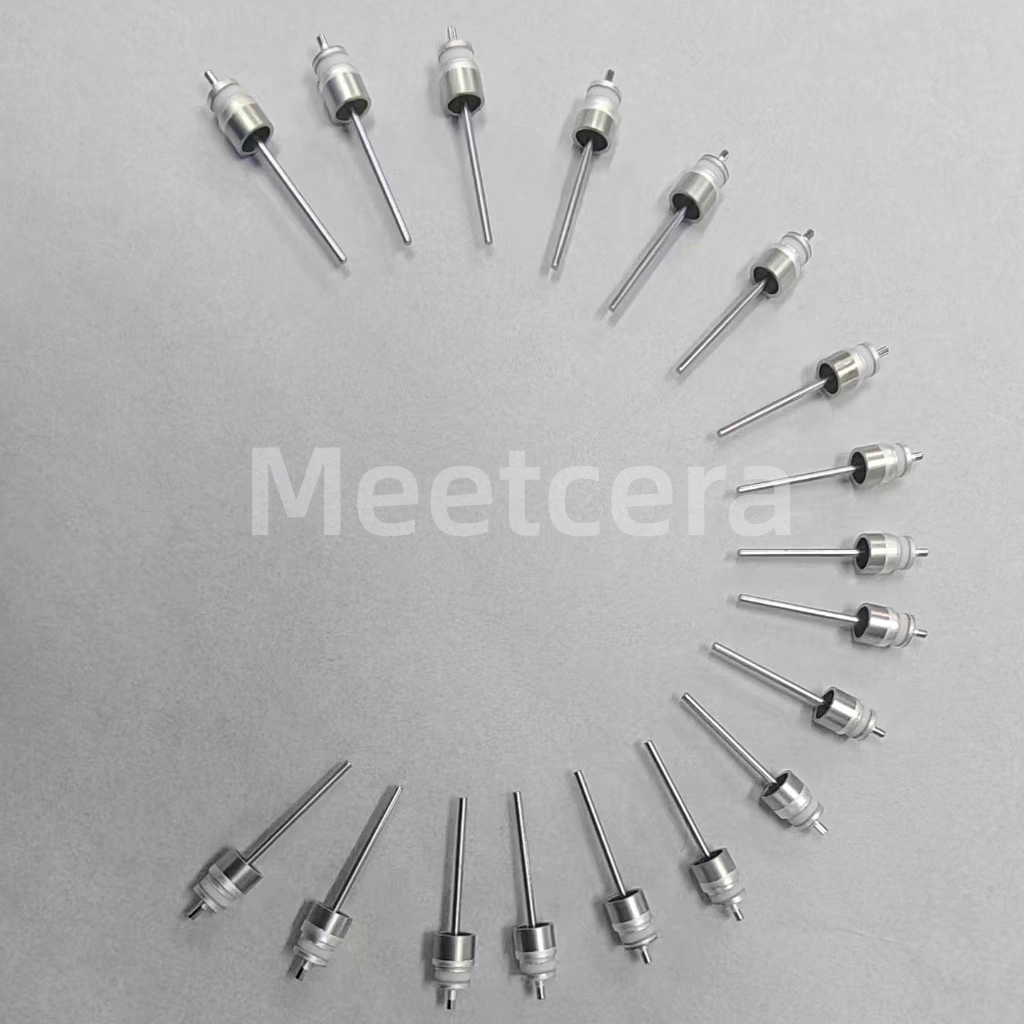
High-Performance Vacuum Feedthroughs
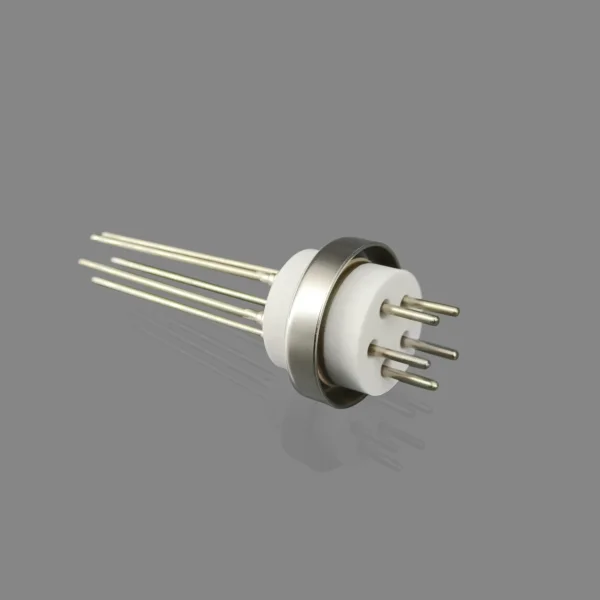
A vacuum feedthrough provides a controlled path for electrical power, signals, or other connections across a vacuum chamber wall. Its primary engineering challenge is maintaining the required vacuum boundary while allowing electrical connections to operate reliably under specified conditions.
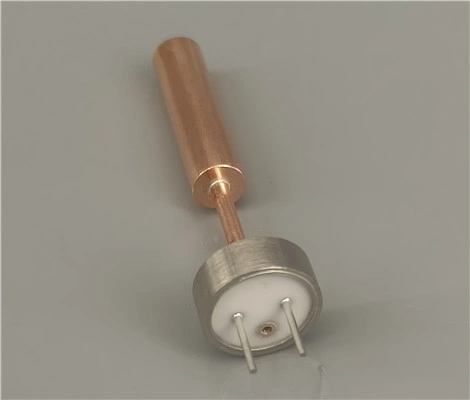
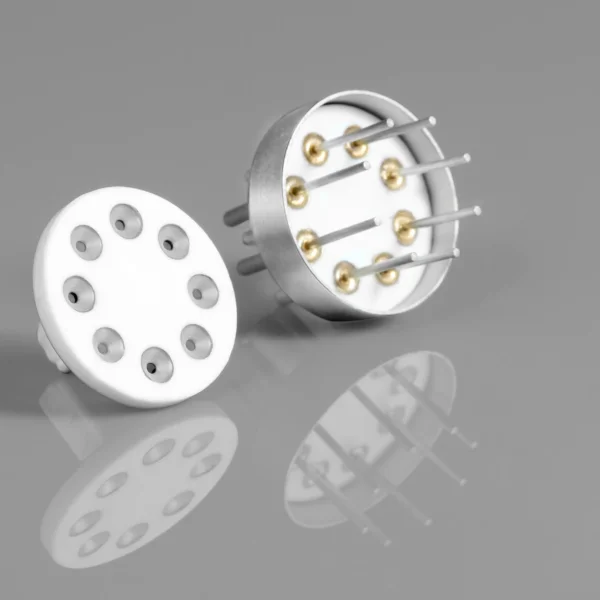
In high-vacuum applications, a feedthrough must do more than fit the mounting port. The ceramic insulator, metal conductor, housing, and joining interface must work together to limit gas leakage, maintain electrical insulation, and withstand mechanical and thermal stress.
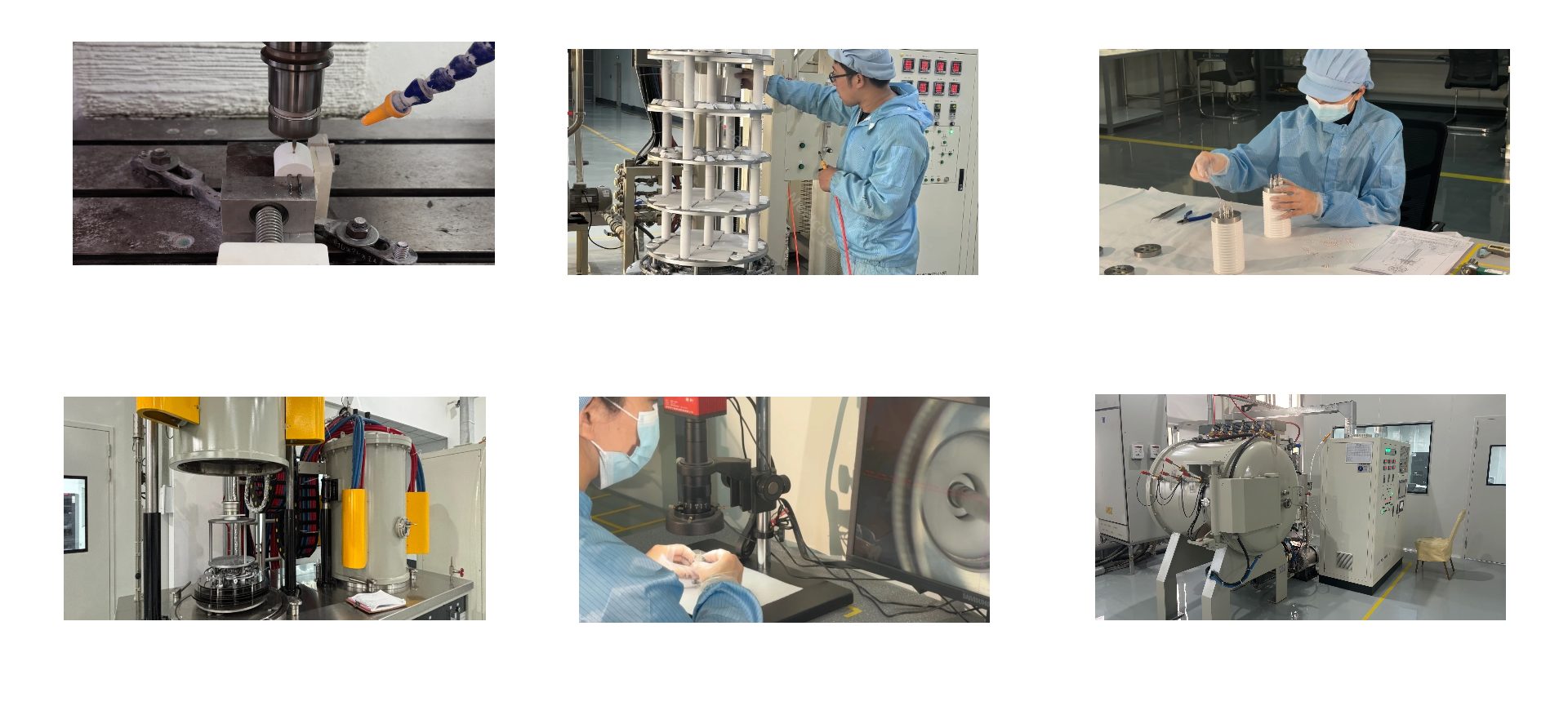
Meetcera develops customized ceramic and metal components for vacuum-related equipment. Depending on the design, alumina ceramic can be metallized and brazed to compatible metal parts to create an integrated assembly. Our ceramic-to-metal brazing capabilities explain the joining processes used for suitable hermetic components.
Key Design Considerations for Vacuum Feedthroughs
(1)Vacuum Integrity and Leak Control
Gas leakage may compromise chamber pressure, contaminate sensitive processes, or reduce equipment stability. The sealing interface, braze quality, surface preparation, and assembly geometry should therefore be evaluated together.
Where a defined leak-rate requirement applies, the inspection plan should specify the test method and acceptance limit. Helium leak testing may be appropriate for qualifying suitable assemblies.
(2)Ceramic Insulation and Metal Compatibility
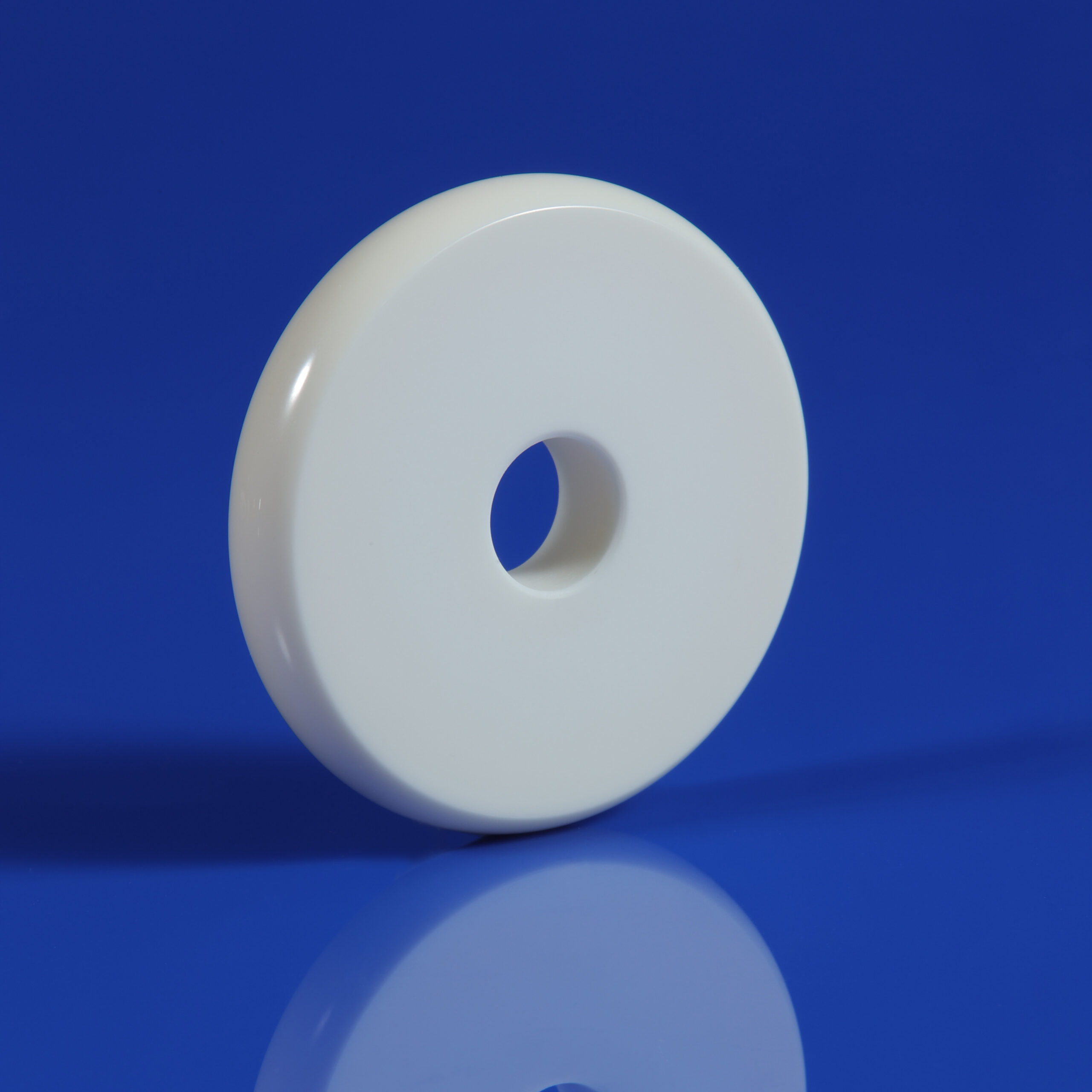
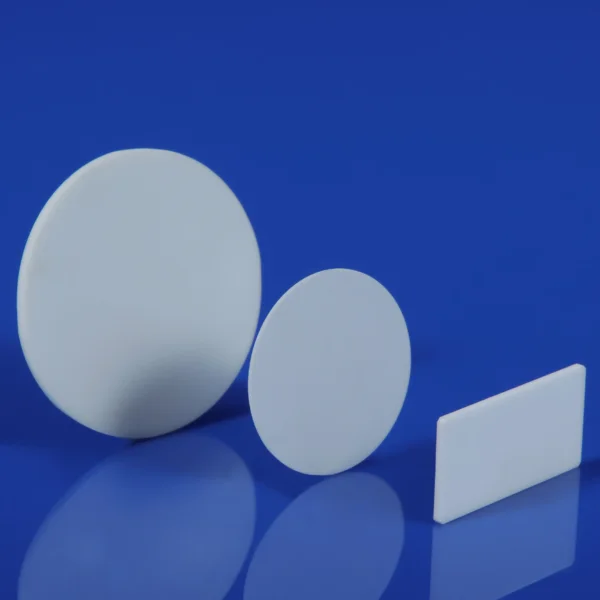
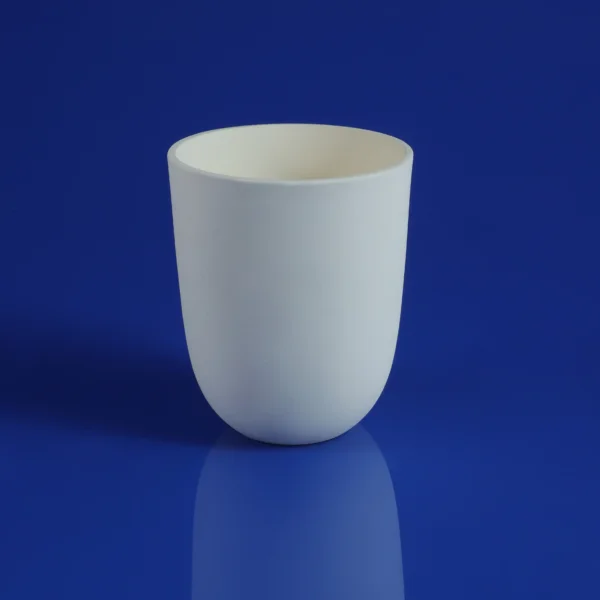
Alumina is frequently used in vacuum feedthroughs because of its electrical insulation and thermal stability. The metal components must be compatible with the ceramic and the selected joining process.
The ceramic grade, metal alloy, metallization system, and braze material should be selected as a coordinated material system rather than independently.
(3)Installation and Operating Conditions
Mounting dimensions, conductor configuration, temperature range, electrical requirements, and vacuum conditions all affect the final design. Providing these details early helps reduce design revisions and manufacturing risks.
For a more detailed overview of selection factors, see the vacuum ceramic feedthrough selection guide.
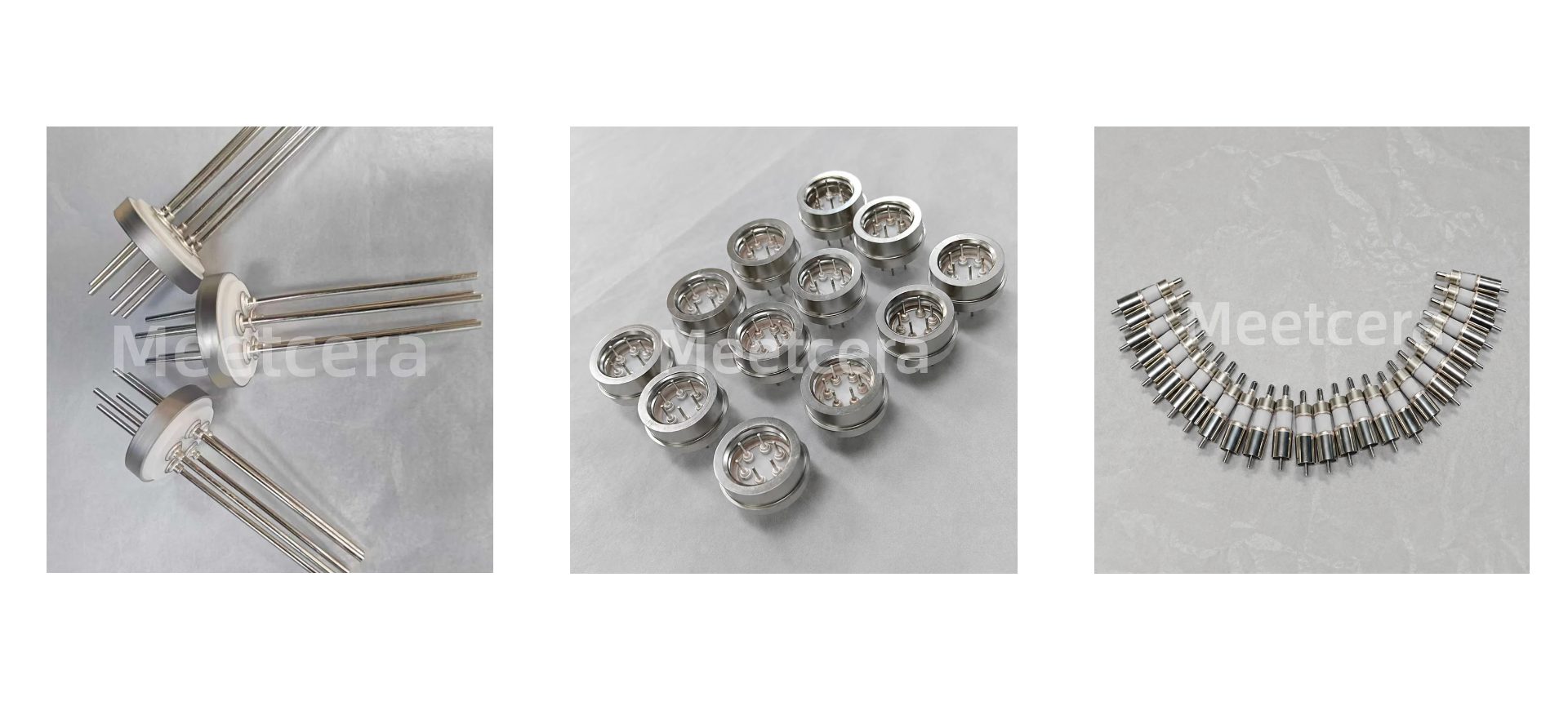
Typical Applications
- High-vacuum chambers and vacuum processing equipment
- Semiconductor manufacturing systems
- Scientific instruments and analytical equipment
- Vacuum electronic devices
- Customized electrical connections in controlled environments
Customization Options
| Parameter | Available Design Considerations |
|---|---|
| Ceramic material | Alumina grade selected for the application |
| Metal interface | Compatible alloy based on service requirements |
| Electrical connection | Conductor and terminal geometry |
| Sealing method | Joining route selected for the material combination |
| Dimensions | Drawing-based customization |
| Inspection | Dimensional checks and specified leak testing |
For projects requiring a metallized ceramic interface, review our metallized ceramic components.
Frequently Asked Questions
Q1: What information is needed to select a vacuum feedthrough?
Provide the required vacuum level, operating temperature, voltage, current, conductor arrangement, mounting dimensions, and target leak rate if applicable.
Q2: Does every vacuum feedthrough require helium leak testing?
Not every application has the same verification requirements. Testing should be specified according to the system’s vacuum requirements and the customer’s acceptance criteria.
Q3: Can vacuum feedthroughs be manufactured to custom drawings?
Yes. Custom designs can be evaluated using engineering drawings, samples, material requirements, and operating conditions.