Ceramic Brazing for High-Voltage Insulation
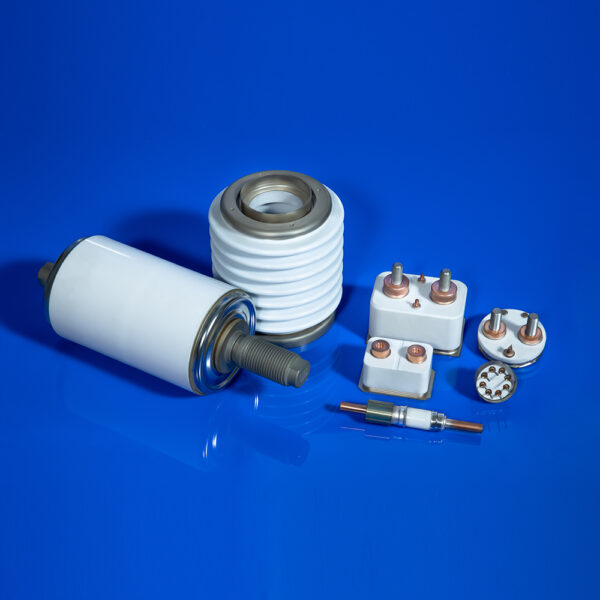
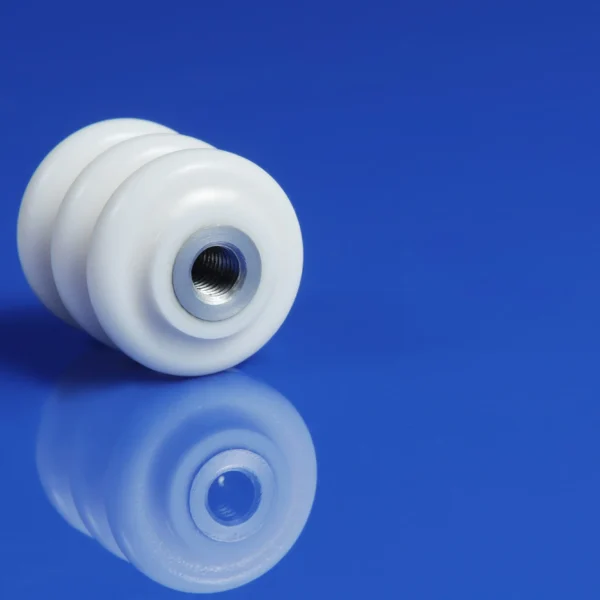
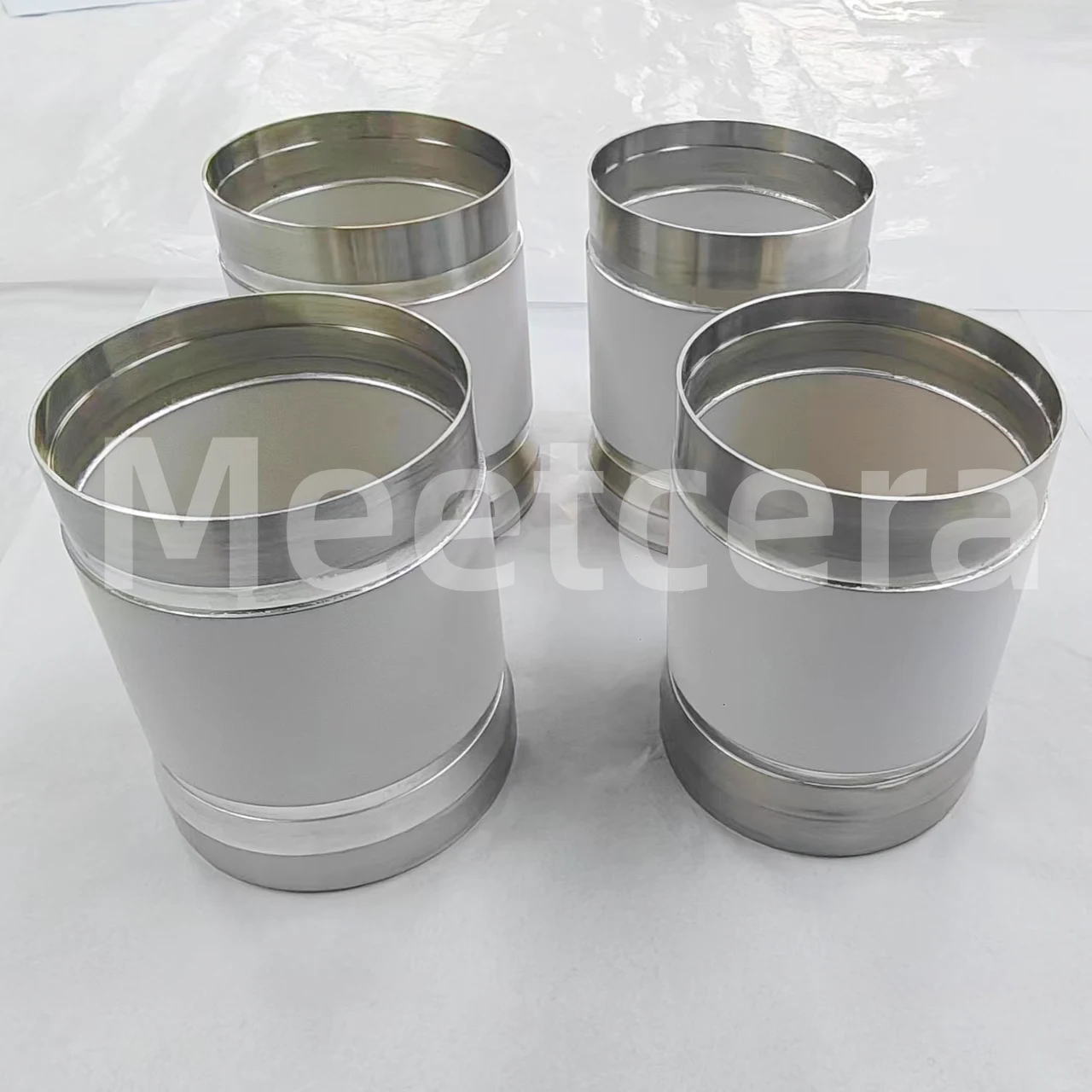
Ceramic brazing can integrate high-strength ceramic insulation with conductive metal components while maintaining electrical isolation and mechanical stability. This makes it suitable for high-voltage assemblies where insulation failure can damage the entire system.
Key Features
- Excellent electrical insulation
- Reliable ceramic-metal bonding
- High-temperature resistance
- Hermetic sealing capability
- Custom conductor configurations
Ceramic Materials
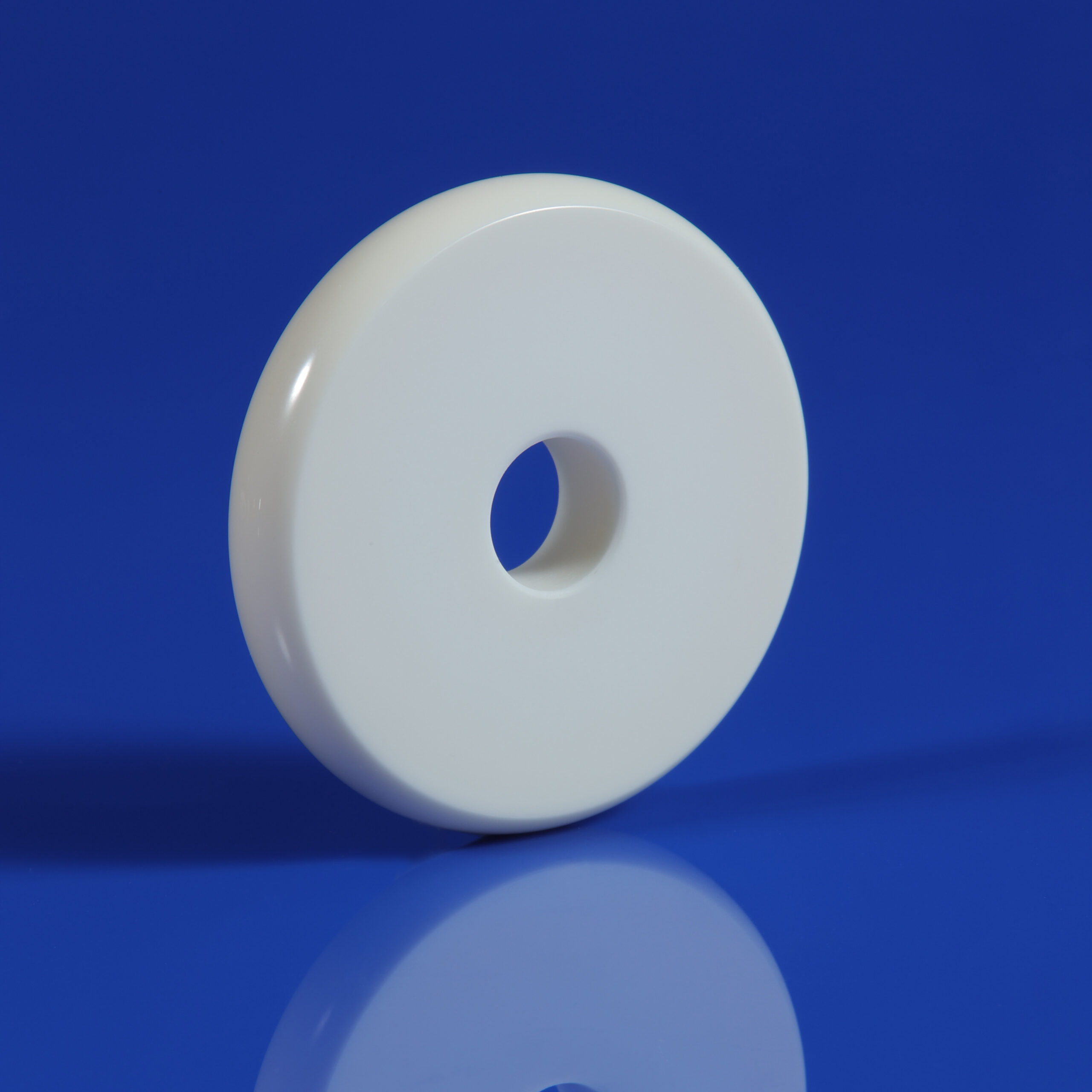
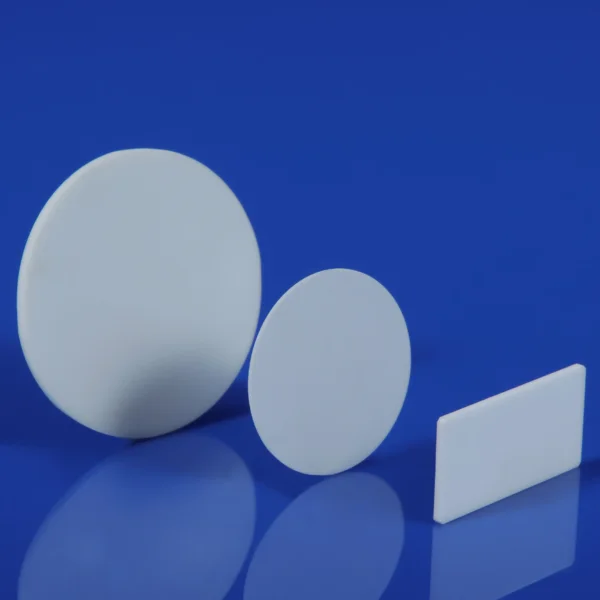
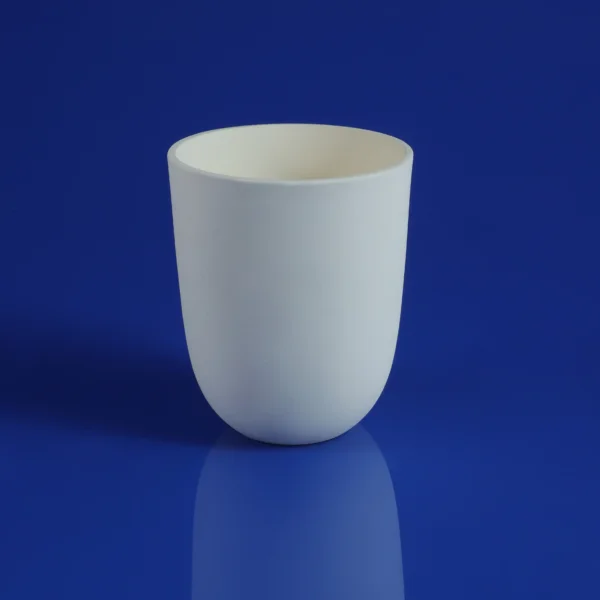
High-purity alumina and aluminum nitride are commonly considered for electrical insulation applications because of their dielectric and thermal properties.
Brazing Considerations
The ceramic surface, metallization layer, filler alloy, joint geometry, and insulation distance must be coordinated to maintain electrical performance after brazing.
Applications
Typical applications include high-voltage insulators, vacuum feedthroughs, power electronics, electrical connectors, semiconductor equipment, and electronic packages.
Custom Requirement
If you have voltage, insulation resistance, creepage distance, and dimensional requirements, send them with your drawing for engineering evaluation.