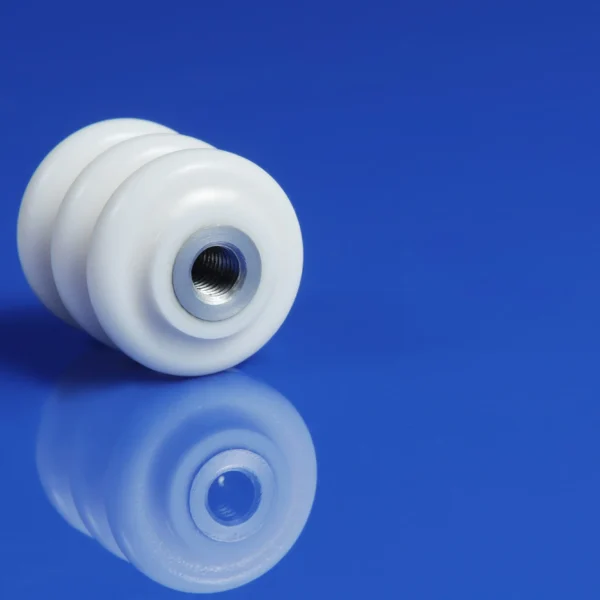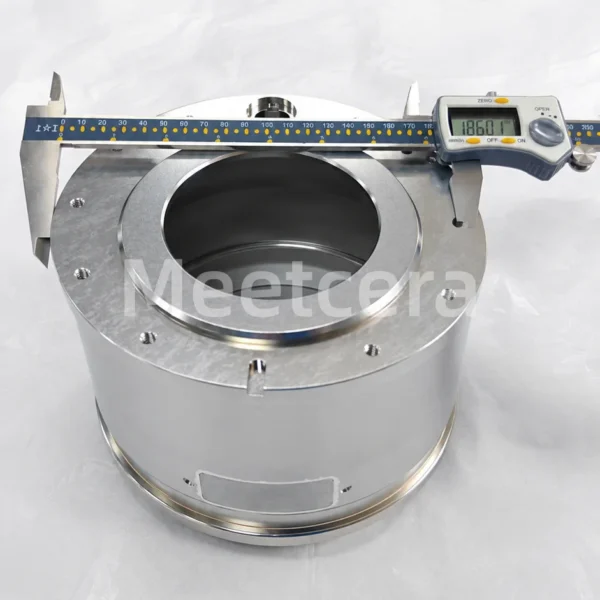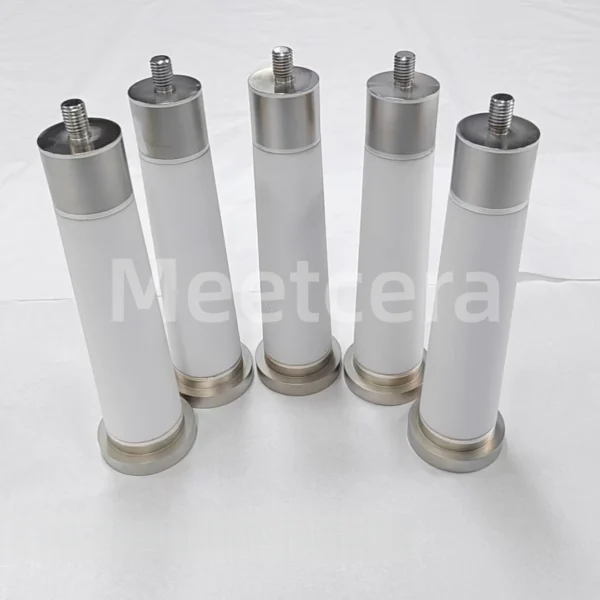
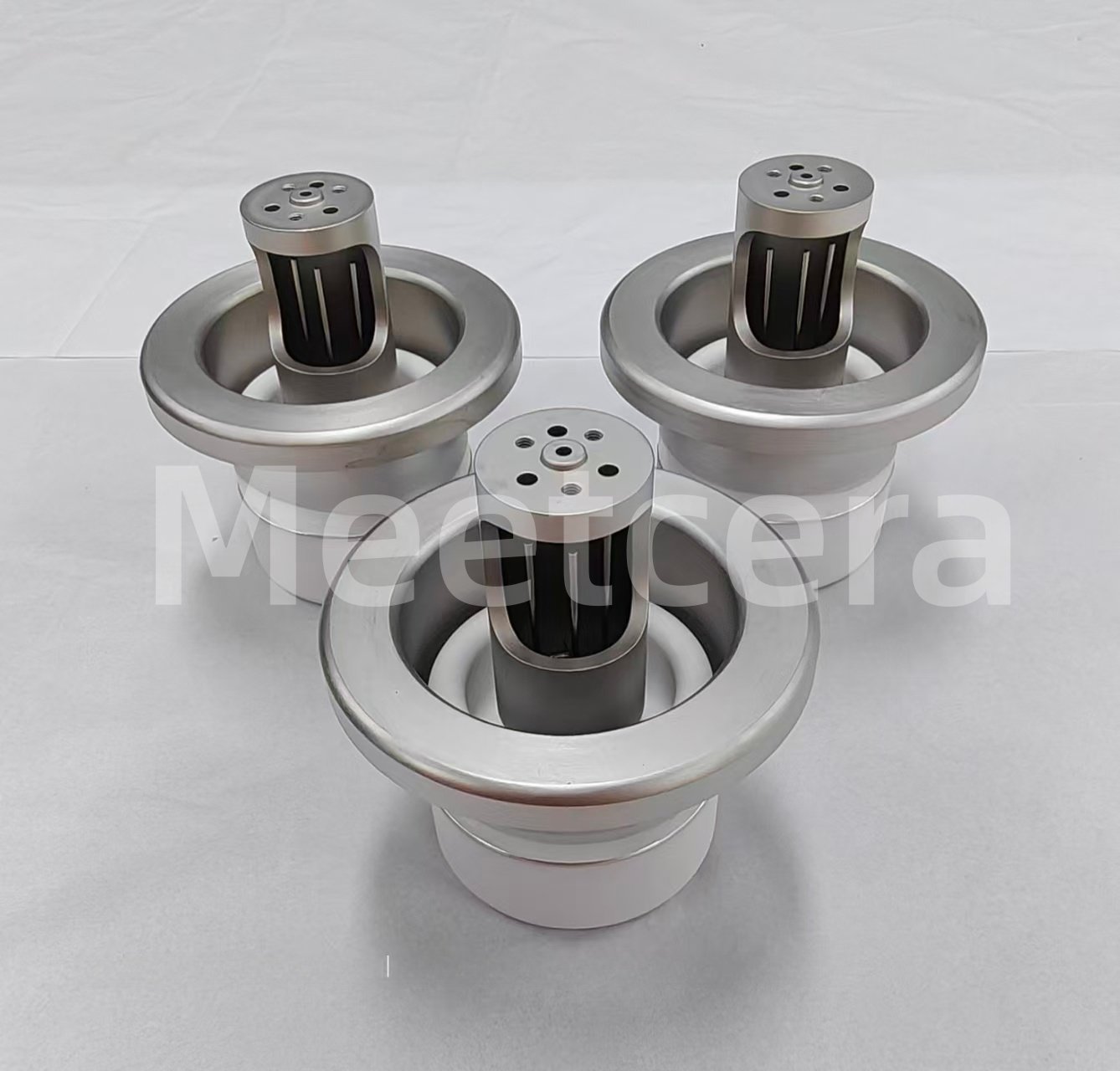
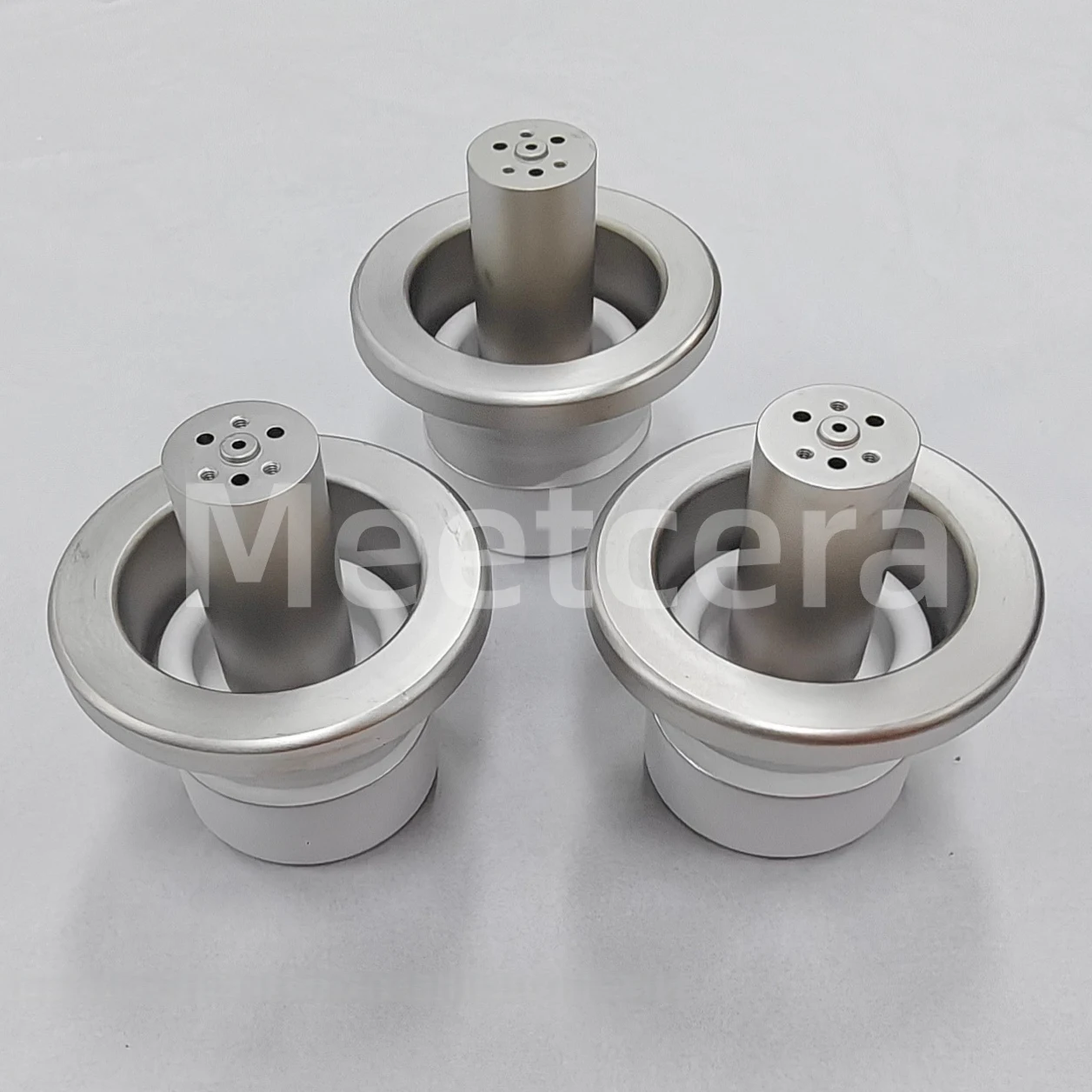
Custom Ceramic-to-Metal Brazing Components
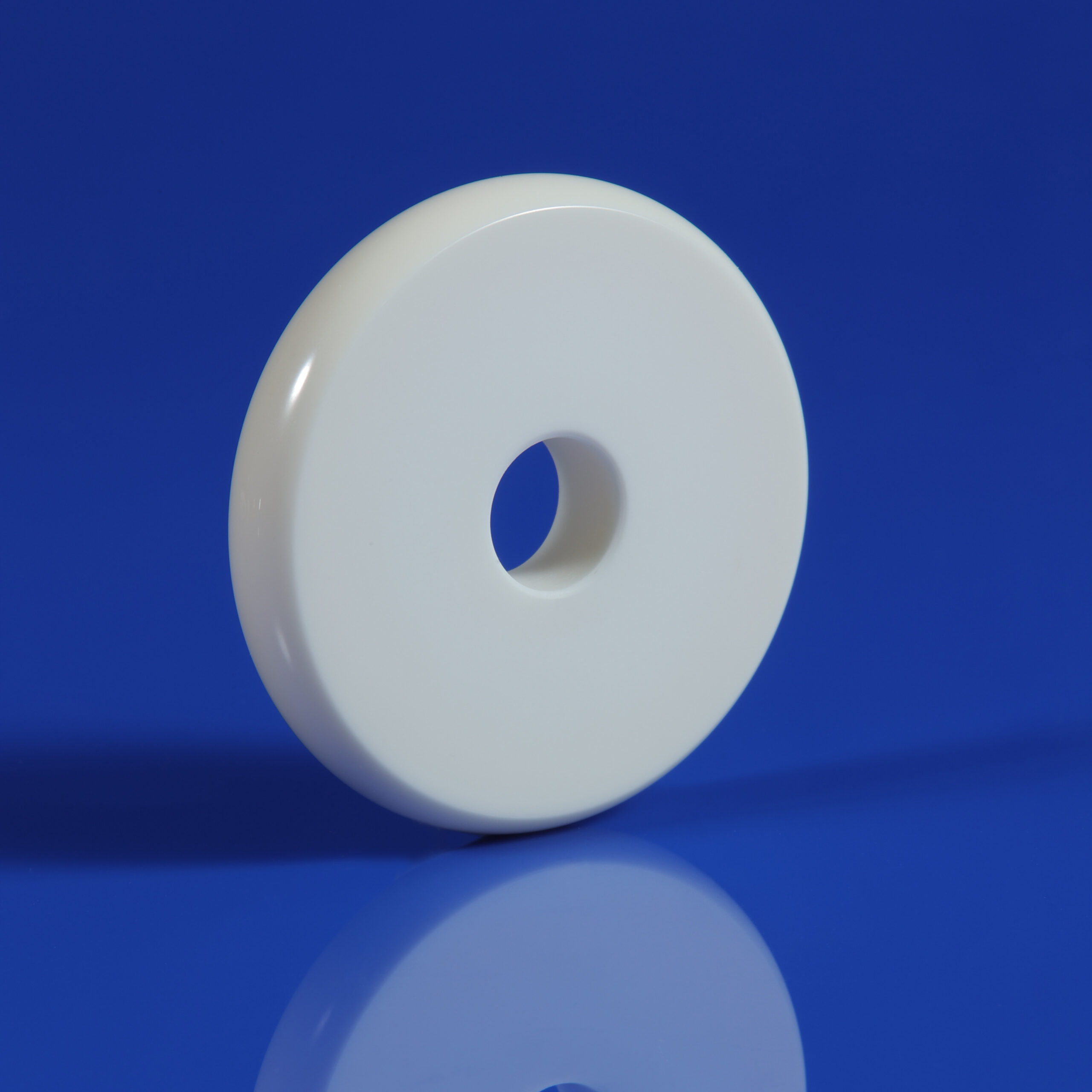
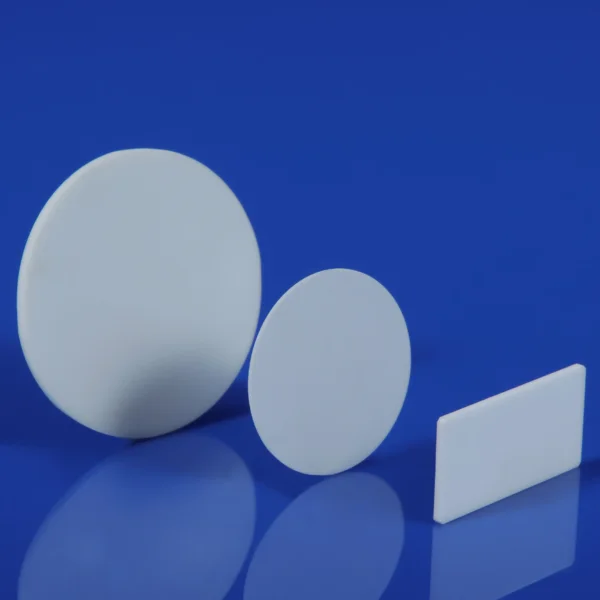
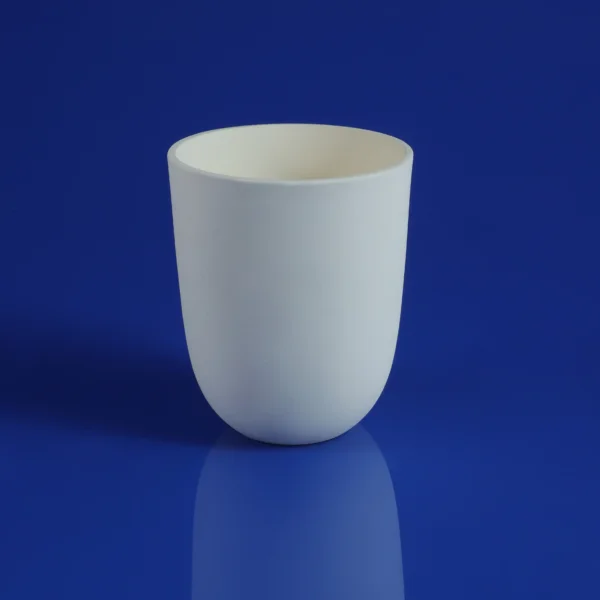
When standard ceramic-to-metal joints cannot meet your dimensional, electrical, mechanical, or sealing requirements, custom brazed components provide a more flexible solution. Meetcera manufactures ceramic-to-metal brazing components according to customer drawings, samples, material requirements, and application conditions.
Our process covers ceramic preparation, metallization, metal preparation, brazing, dimensional inspection, and leak testing. Ceramic and metal combinations are selected according to coefficient of thermal expansion (CTE), brazing temperature, joint geometry, and operating environment to improve joint reliability.
Key Features
- Custom ceramic-to-metal assemblies based on drawings or samples
- Alumina and selected technical ceramics
- Kovar, stainless steel, copper, nickel alloys, and other compatible metals
- Mo-Mn metallization with nickel plating for conventional brazing
- Active metal brazing for selected ceramic-metal combinations
- Controlled furnace brazing up to 850°C
- Helium leak testing for hermetic assemblies
- Dimensional and interface inspection for critical components
For customers who want to understand the joining mechanism before selecting a process, see our guide to how ceramic-to-metal brazing works.
Materials and Manufacturing Process
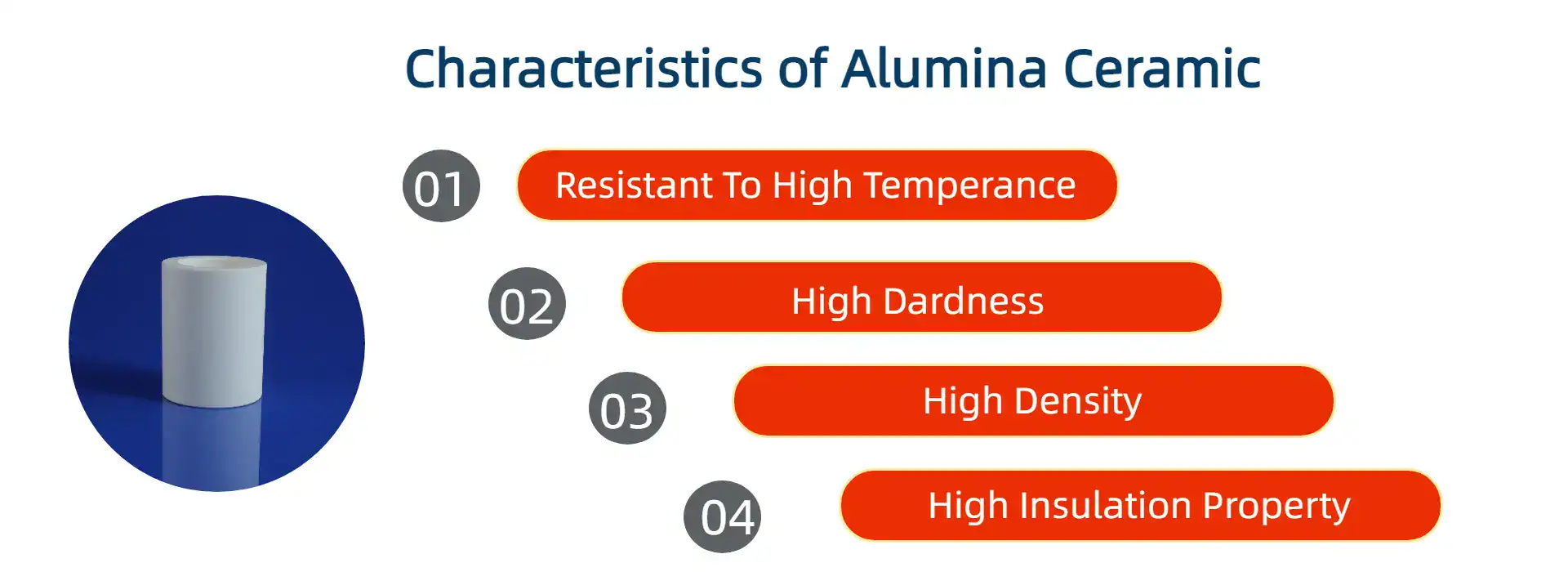
The ceramic, metal, filler alloy, and joint geometry must be matched before production. For metallized ceramic assemblies, the ceramic surface can be treated with Mo-Mn metallization followed by nickel plating to improve braze wetting and interface bonding.
Our ceramic-to-metal brazing capability covers material selection, metallization, controlled brazing, inspection, and hermetic testing.
Typical Applications
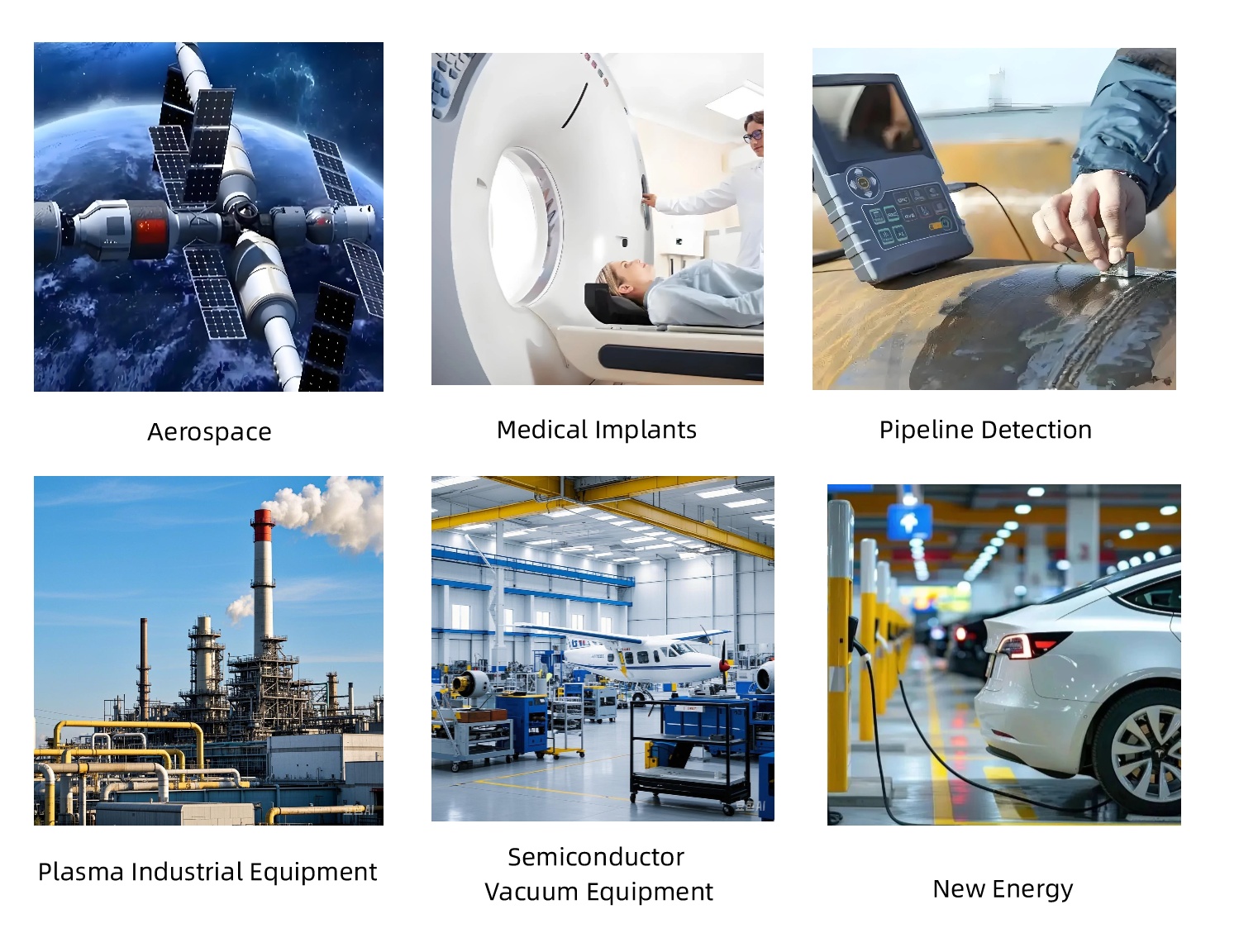
Custom ceramic-to-metal brazing components are commonly used in:
- Vacuum feedthroughs
- High-voltage feedthroughs
- X-ray tube components
- Semiconductor equipment
- Power electronics
- Medical and scientific instruments
- RF and microwave components
- High-temperature electrical assemblies
If your application requires a specific ceramic-metal combination, joint configuration, or sealing specification, you can also review our metallized ceramic components for related assembly options.
Custom Manufacturing
Send us your drawing, sample, ceramic grade, metal specification, dimensions, or operating conditions. Our engineering team can evaluate the material combination and recommend a suitable metallization and brazing route before production.
For new projects, sample-based evaluation is also available.