Custom Ceramic Brazing for Vacuum Feedthroughs
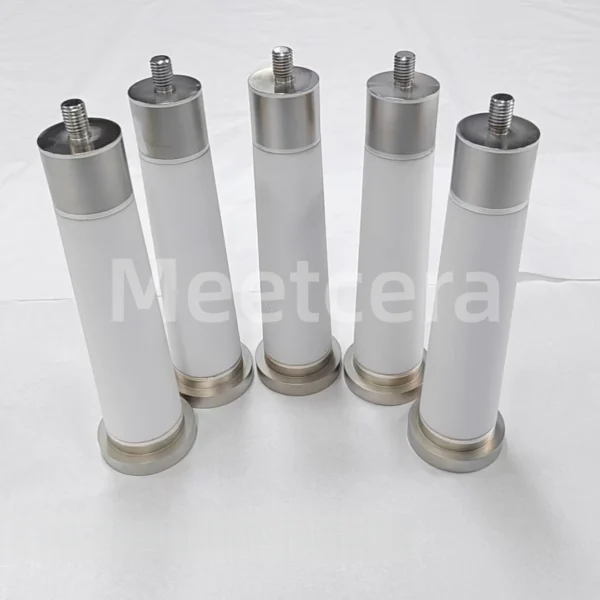
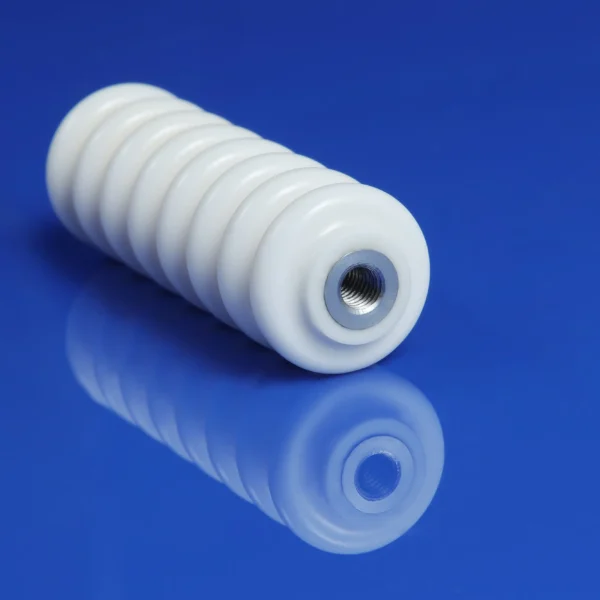
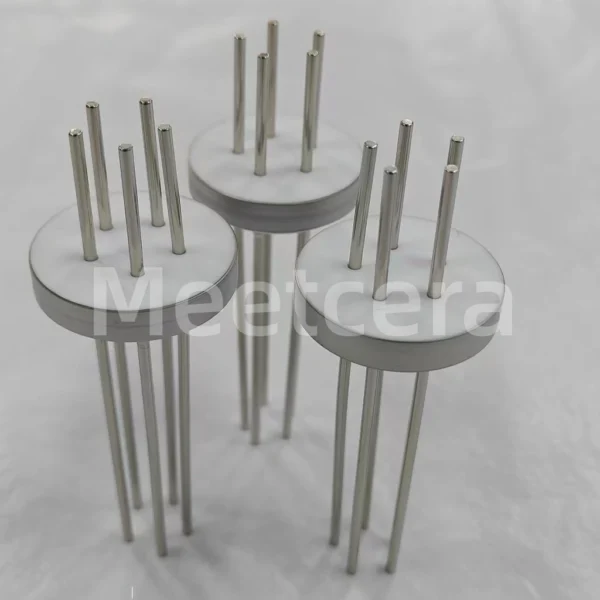
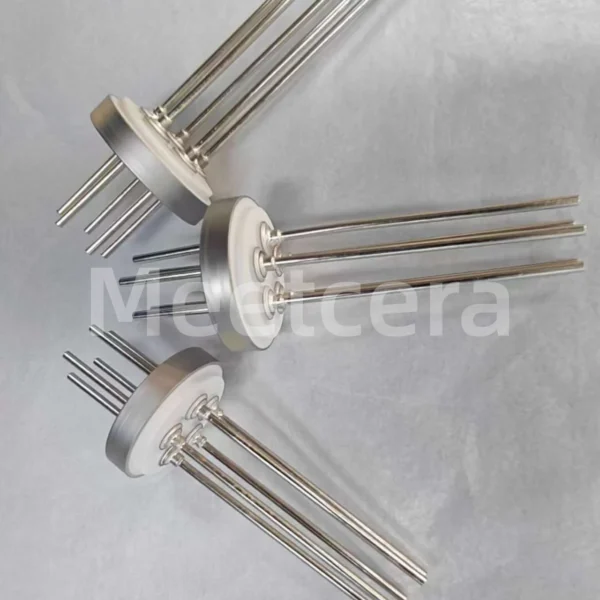
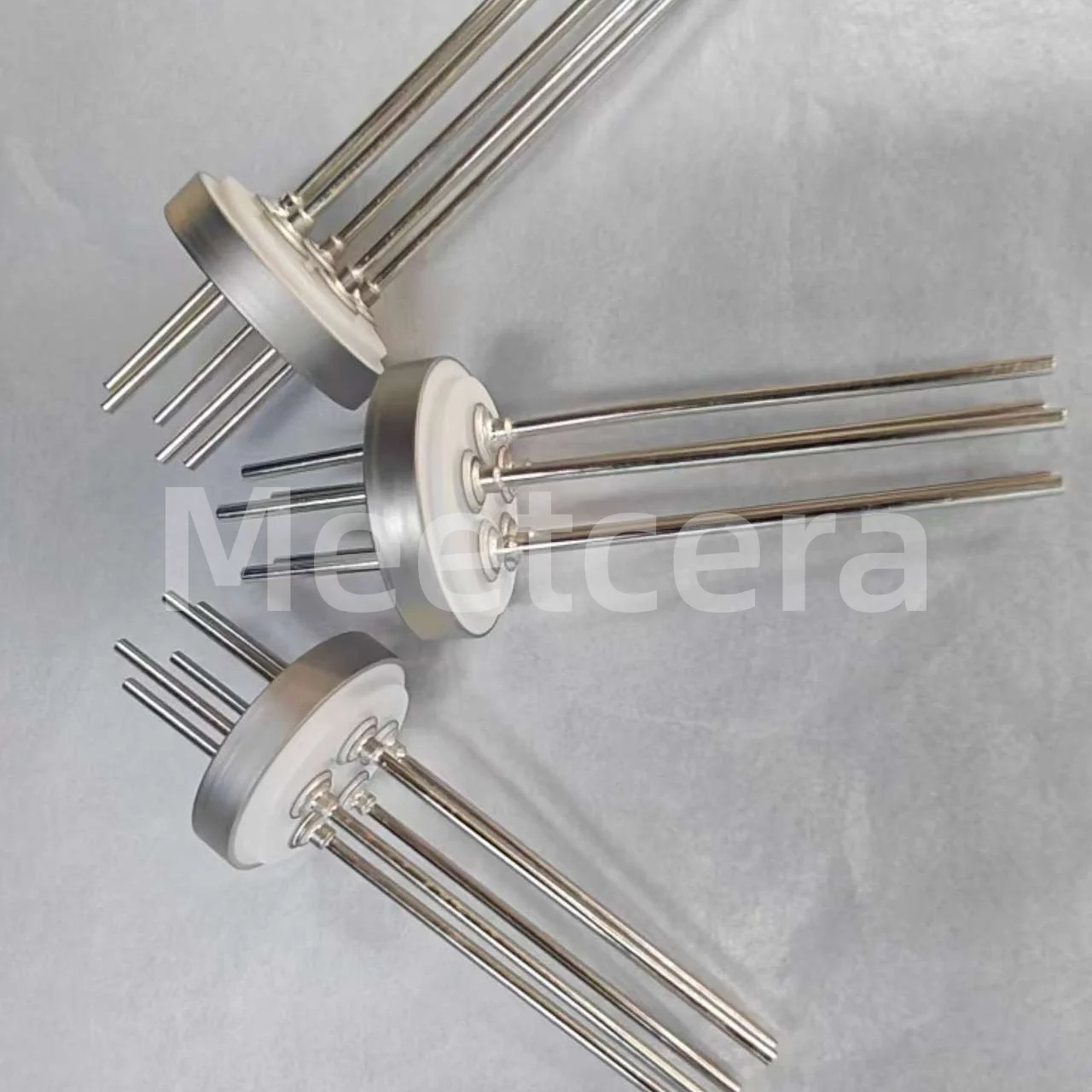
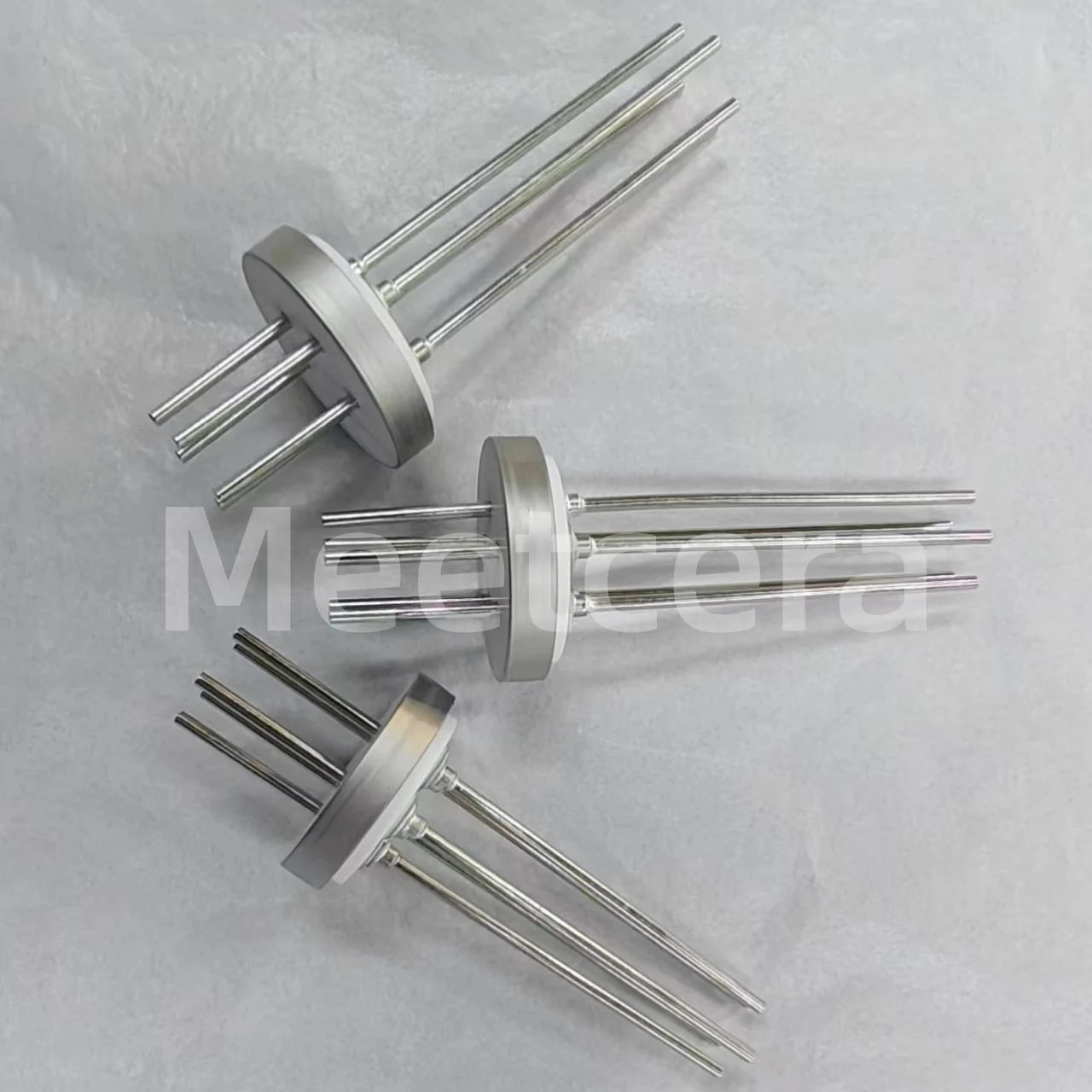
Custom ceramic brazing for vacuum feedthroughs creates an electrically insulating and mechanically stable connection between ceramic insulation and metal conductors. The brazed joint must simultaneously control electrical insulation, vacuum leakage, thermal stress, and mechanical reliability.
Key Features
- Hermetic vacuum sealing
- High-voltage insulation capability
- Custom conductor configurations
- High-temperature resistance
- Precision ceramic-metal assembly
Materials
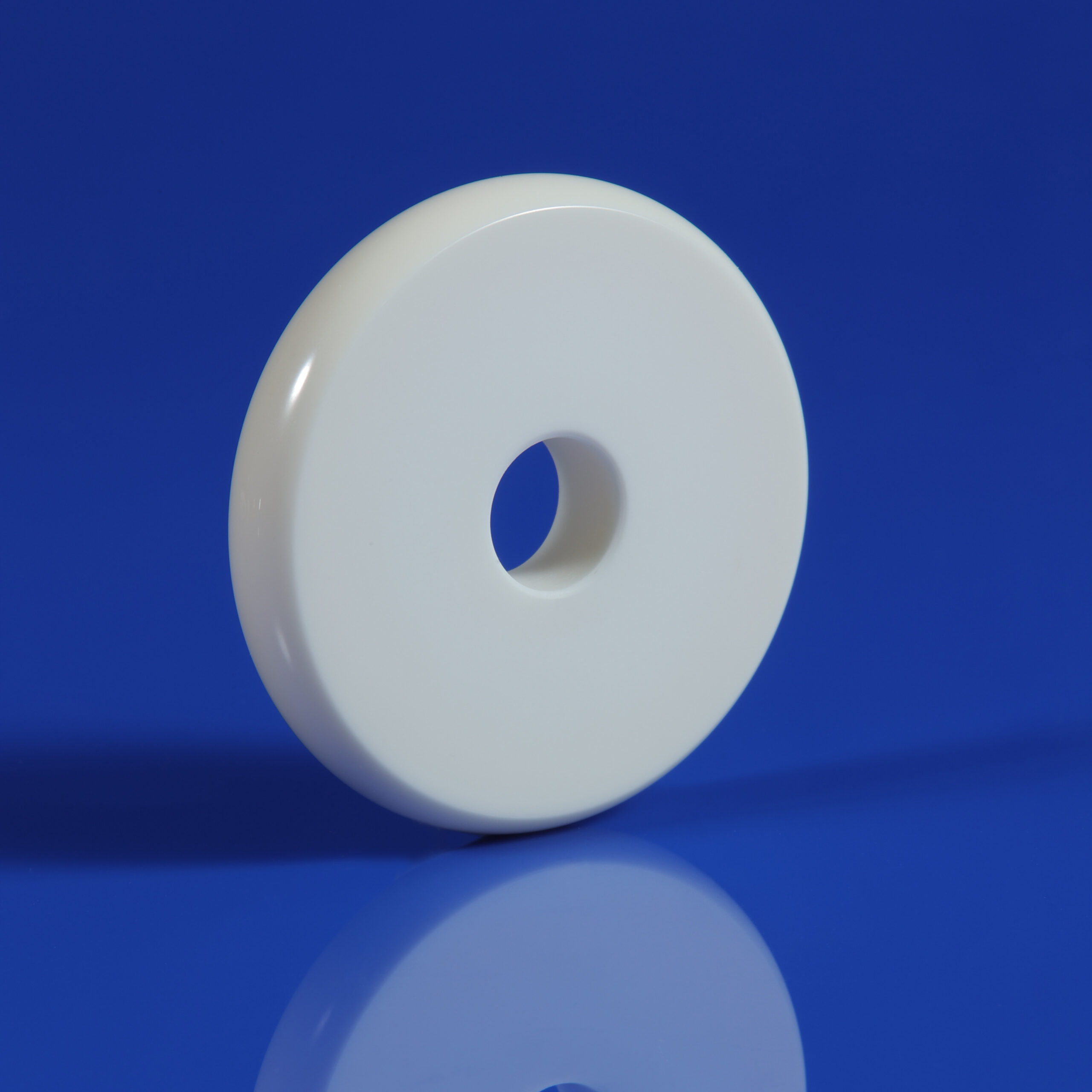
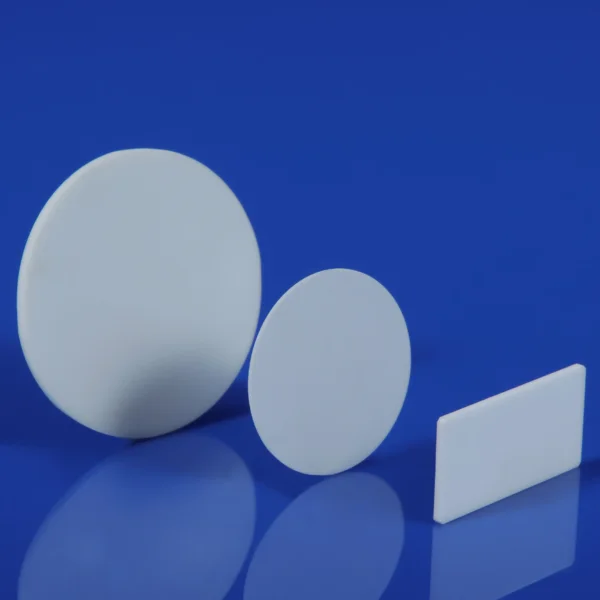
High-purity alumina is commonly used for the insulating body, with stainless steel, Kovar, copper, molybdenum, or other metals selected according to electrical and mechanical requirements.
Process
Depending on the design, the ceramic can be metallized before brazing, followed by nickel plating and controlled furnace brazing. Final inspection can include dimensional checks, visual inspection, electrical testing, and helium leak testing.
Applications
Designed for high-voltage vacuum feedthroughs, X-ray tubes, semiconductor equipment, vacuum coating systems, scientific instruments, and other hermetic electrical assemblies.
For a custom feedthrough project, send your voltage, current, vacuum level, operating temperature, ceramic material, metal material, and drawing. We can help evaluate the brazing structure and manufacturing route.