Hermetic Ceramic Brazing Components
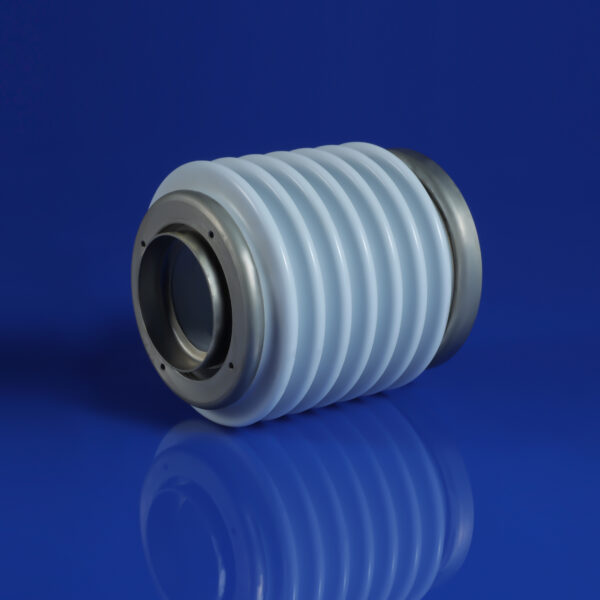
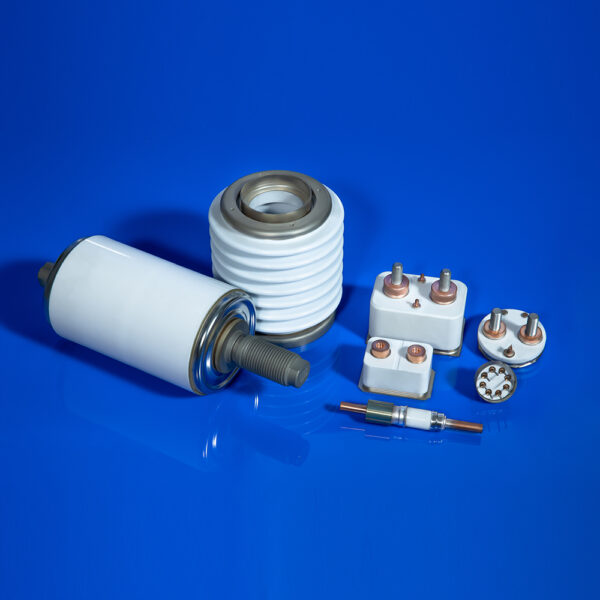
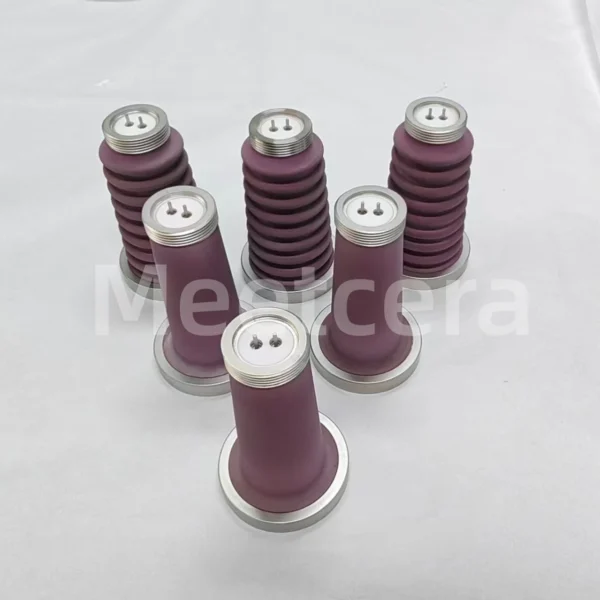
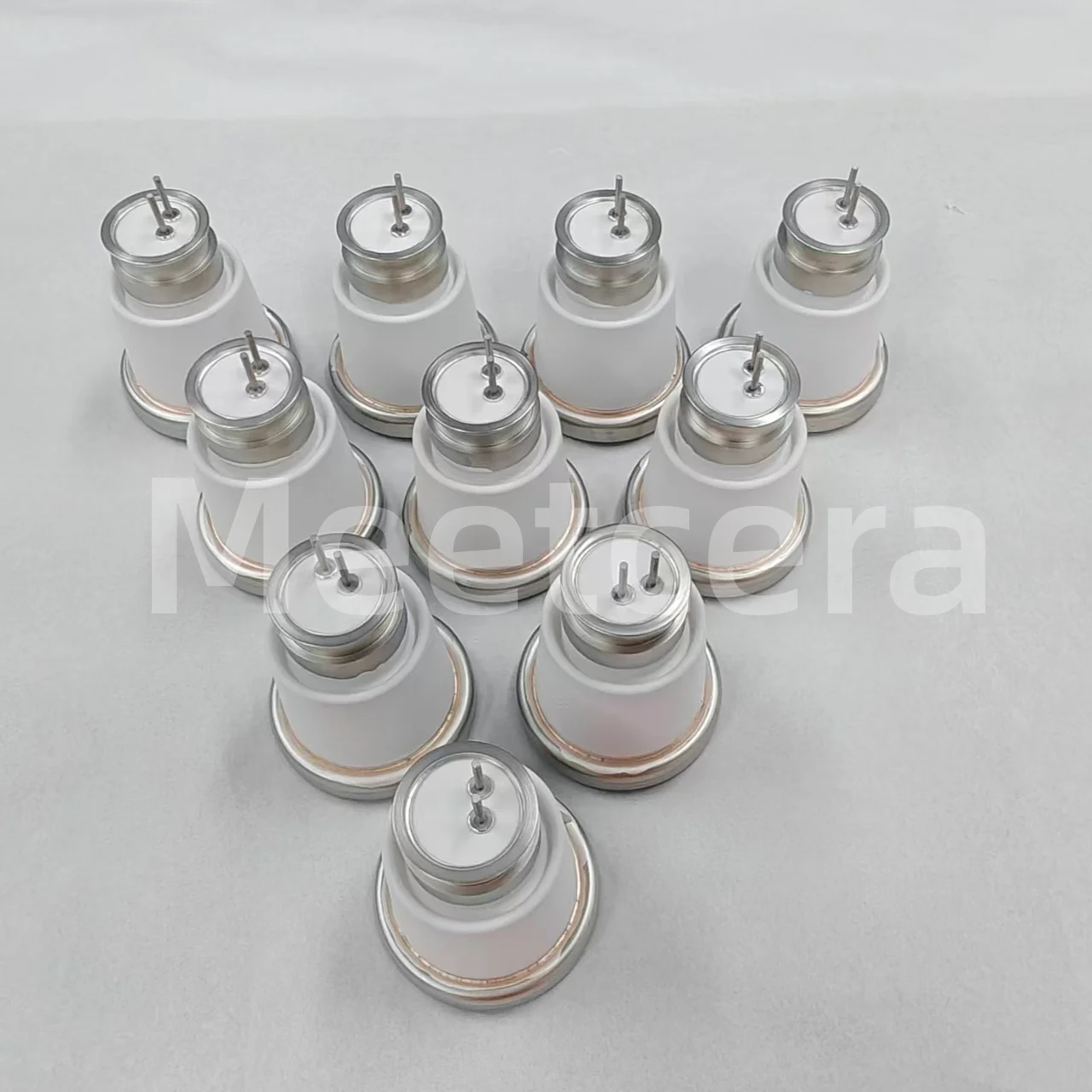
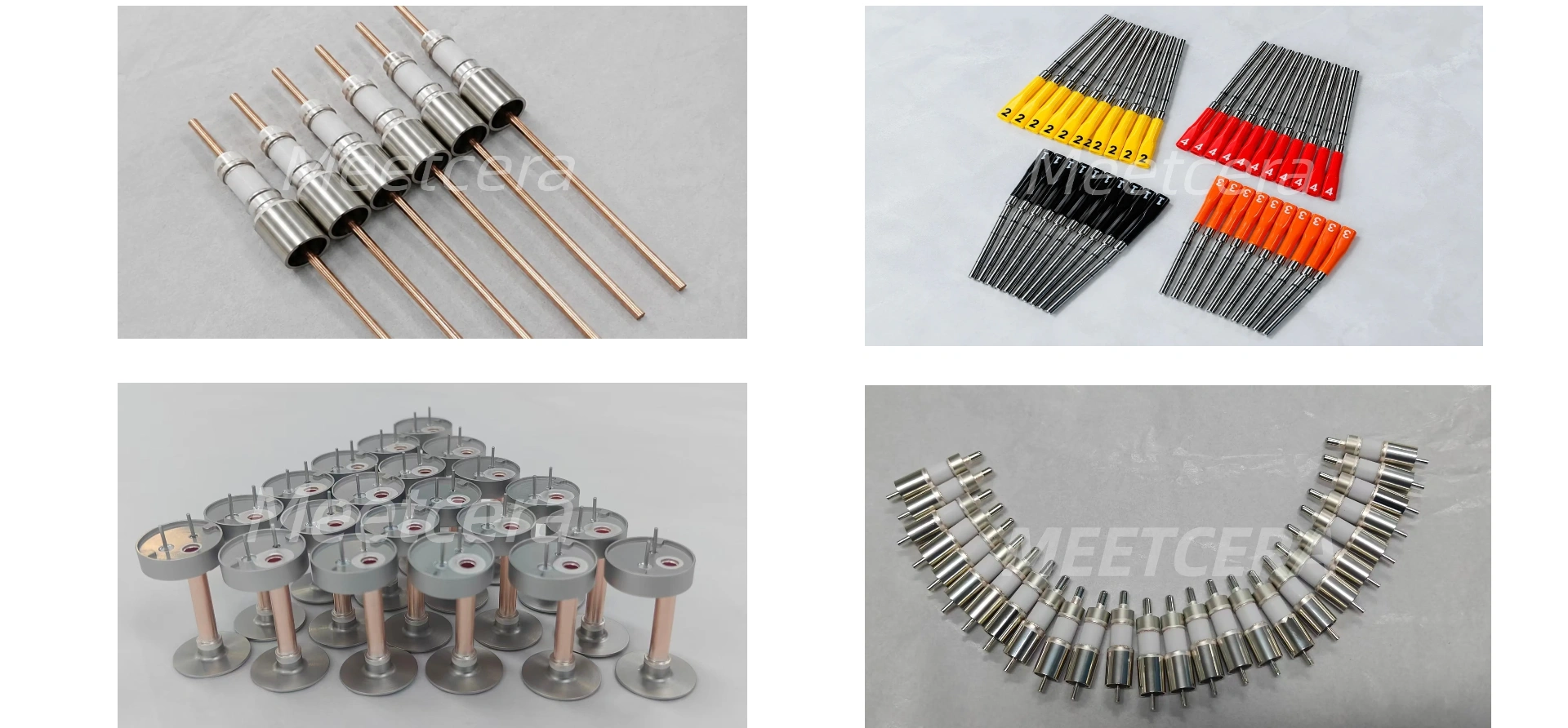
Hermetic ceramic brazing components are designed for applications where gas leakage, moisture ingress, or loss of vacuum can compromise equipment performance. Meetcera manufactures ceramic-to-metal brazed assemblies for vacuum systems, electrical feedthroughs, X-ray tubes, semiconductor equipment, and other applications requiring reliable sealing.
The final hermetic performance depends on ceramic and metal compatibility, interface preparation, brazing quality, joint geometry, and inspection requirements.
Key Features of Hermetic Ceramic Brazing Components
- Hermetic joining: Ceramic-to-metal brazing for assemblies requiring gas-tight sealing.
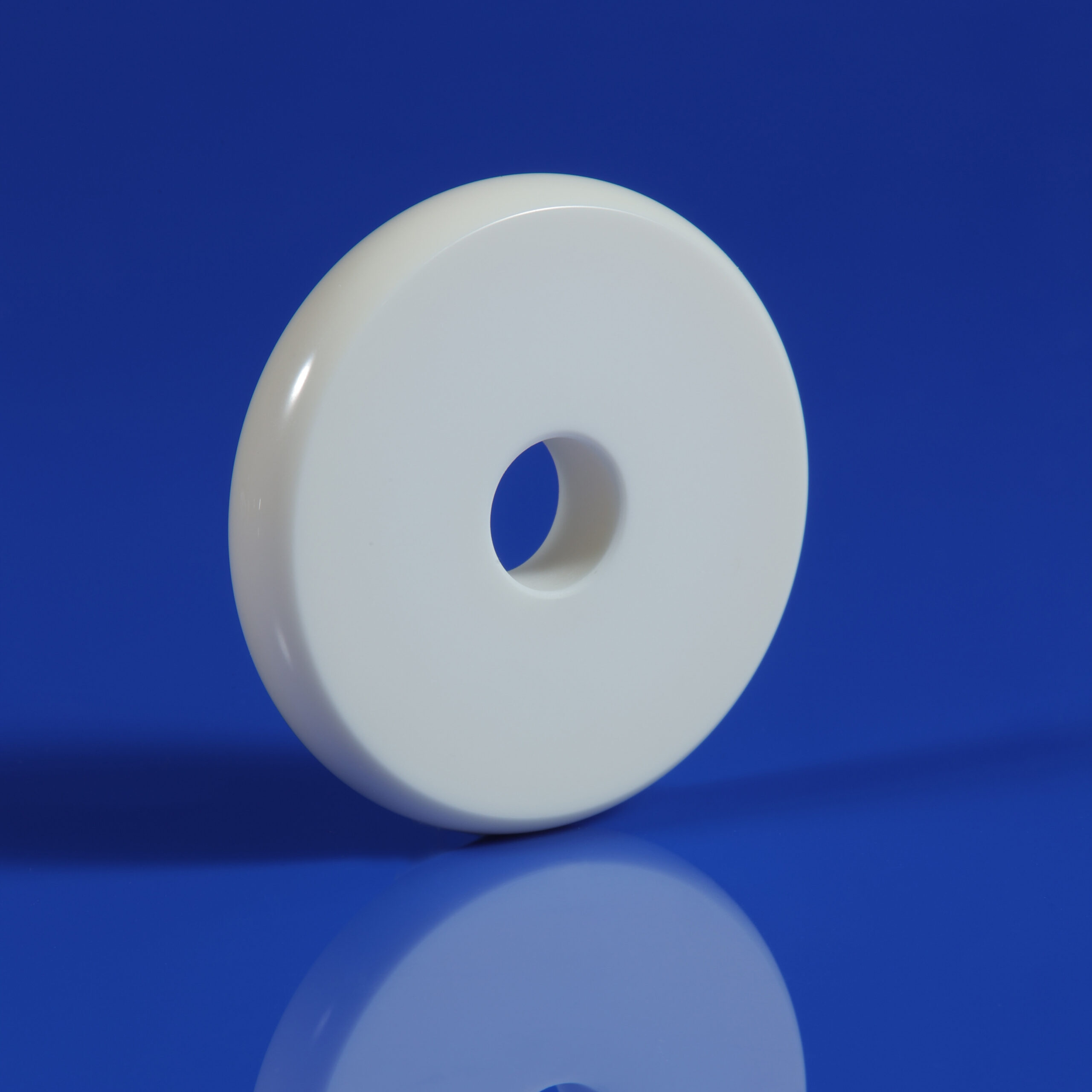
- Ceramic materials: Alumina and selected technical ceramics.
- Metal options: Kovar, stainless steel, copper, and compatible alloys.
- Metallization options: Mo-Mn metallization followed by nickel plating for suitable conventional brazing processes.
- Custom configurations: Feedthroughs, insulating structures, sealing interfaces, and other application-specific assemblies.
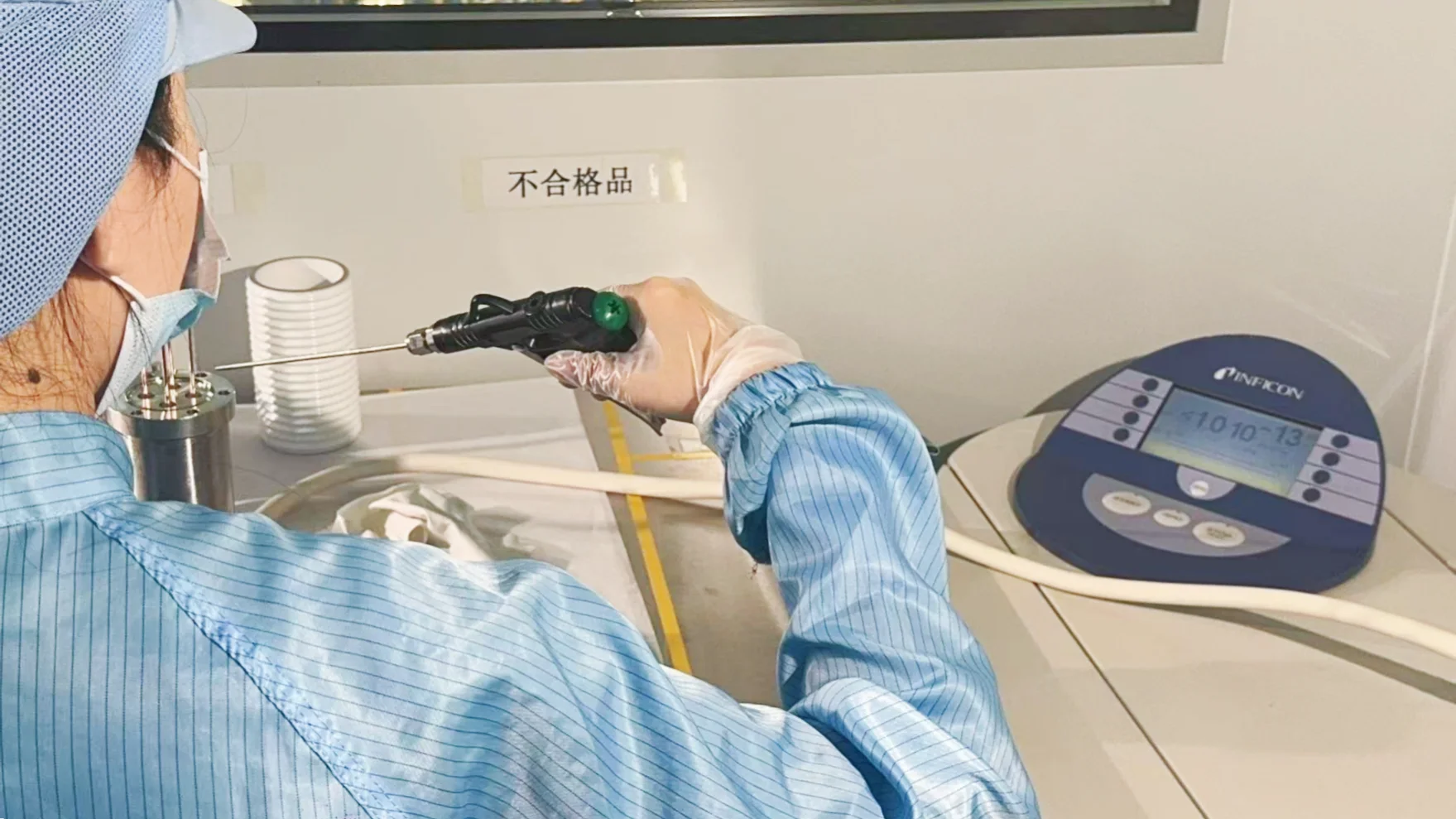
- Leak testing: Optional helium mass spectrometer testing according to agreed specifications.
How Hermetic Ceramic Brazing Works
Ceramic and metal components have different physical properties, so a reliable hermetic joint requires more than simply joining two parts. The selected brazing alloy must wet the prepared interface, flow through the joint clearance, and solidify without creating unacceptable defects or residual stress.
For metallized ceramics, the Mo-Mn process and subsequent nickel plating can help establish a suitable surface for conventional brazing. Material matching and controlled thermal processing help reduce cracking and leakage risks.
Read our guide to the difference between vacuum and hermeticity in brazed ceramics.
Typical Applications
Hermetic ceramic brazing components are suitable for:
- High-vacuum and ultra-high-vacuum equipment
- Electrical and high-voltage feedthroughs
- X-ray tube assemblies
- Semiconductor processing equipment
- RF and microwave devices
- Medical and scientific instruments
- Hermetic electronic packages
Quality Control and Customization
Quality verification can include visual inspection, dimensional measurement, metallization or plating thickness measurement, interface evaluation, and helium leak testing. The inspection plan and acceptance criteria should be agreed upon according to the application and customer specification.
For applications requiring a complete joining solution, explore our ceramic-to-metal brazing capabilities.
Provide your target leak rate, vacuum level, operating temperature, material requirements, and assembly drawing so our team can evaluate the appropriate process.
Frequently Asked Questions
What is a hermetic ceramic brazed component?
It is an assembly in which ceramic and metal are joined through a brazing process to create a sealed interface designed to limit gas leakage to a specified acceptance level.
How is the hermeticity of ceramic-to-metal brazed parts tested?
Helium mass spectrometer leak testing is commonly used for high-reliability assemblies. The test method, sensitivity, and acceptance limit should match the component design and application requirements.
What causes leakage in ceramic-to-metal brazed joints?
Common causes include poor wetting, contamination, unsuitable joint clearance, ceramic cracking, residual thermal stress, and defects at the brazed interface.