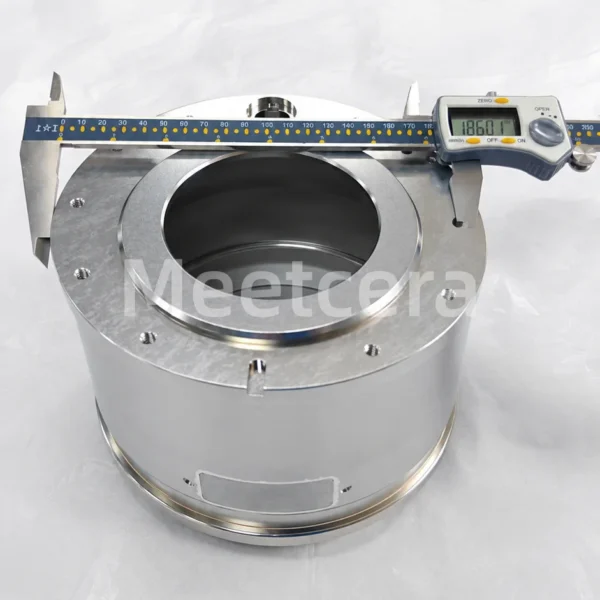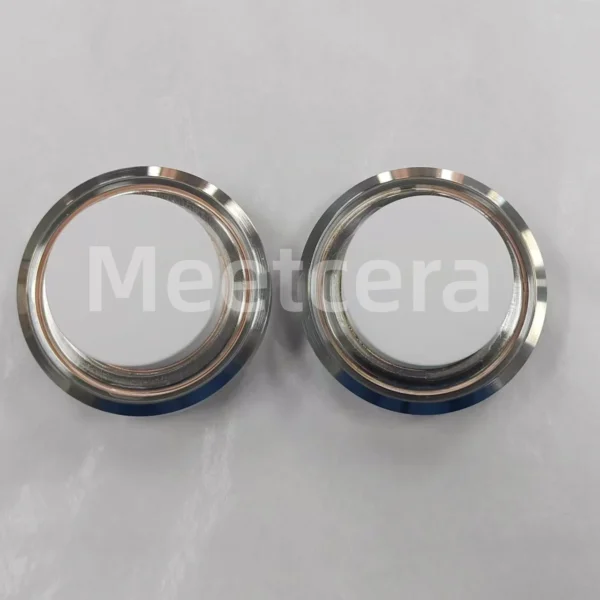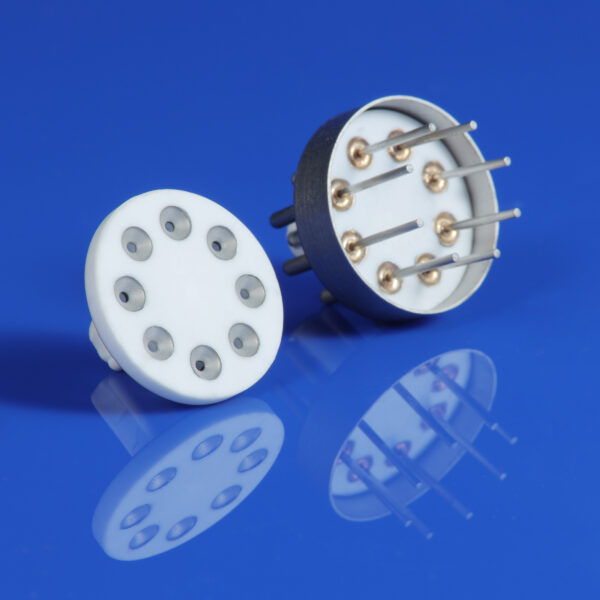
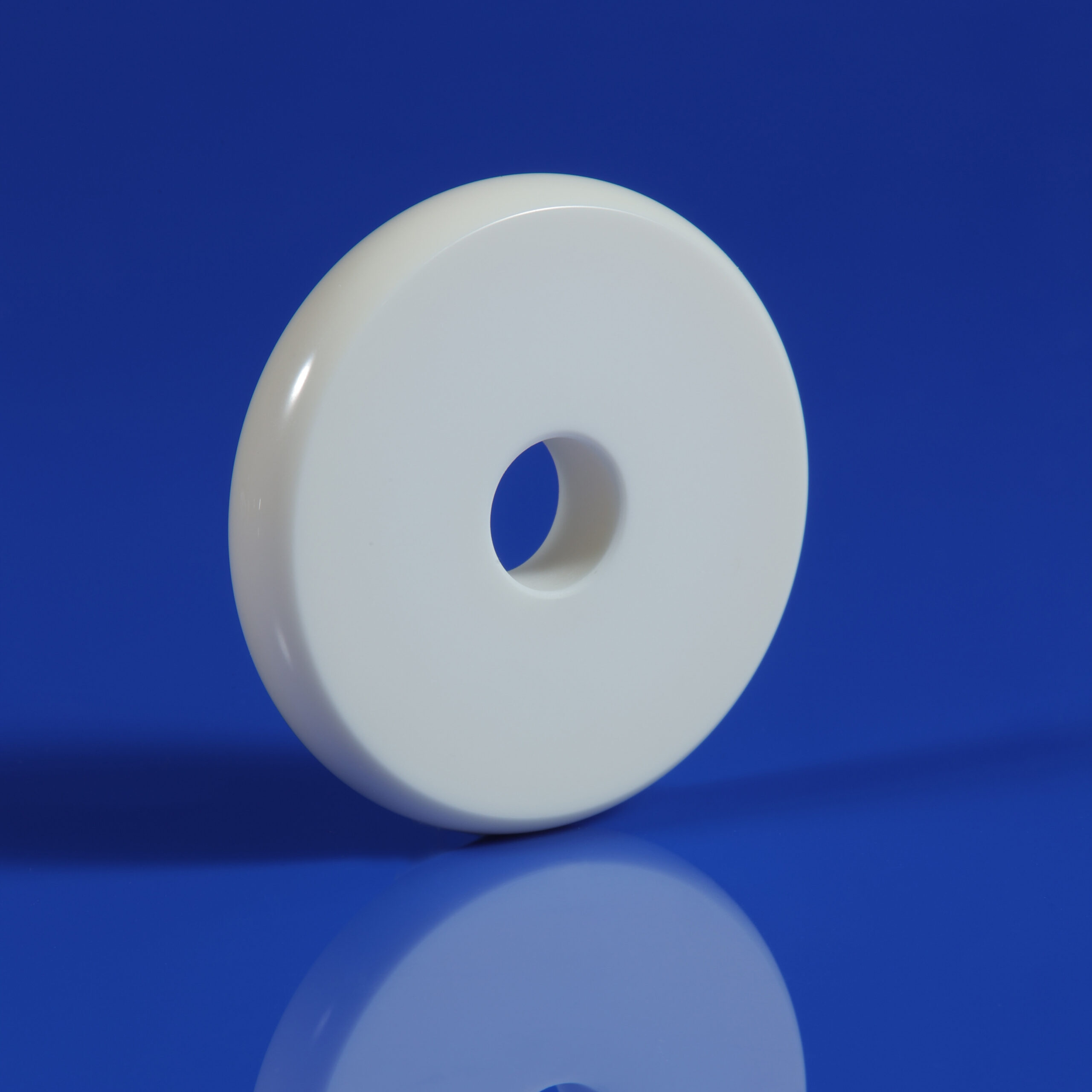
Ceramic Brazing with CTE Matching
Ceramic brazing with coefficient of thermal expansion (CTE) matching is essential for applications where ceramic-to-metal joints must withstand temperature changes without excessive residual stress. If the ceramic and metal expand or contract at significantly different rates, the joint may develop cracks, interface damage, or leakage.
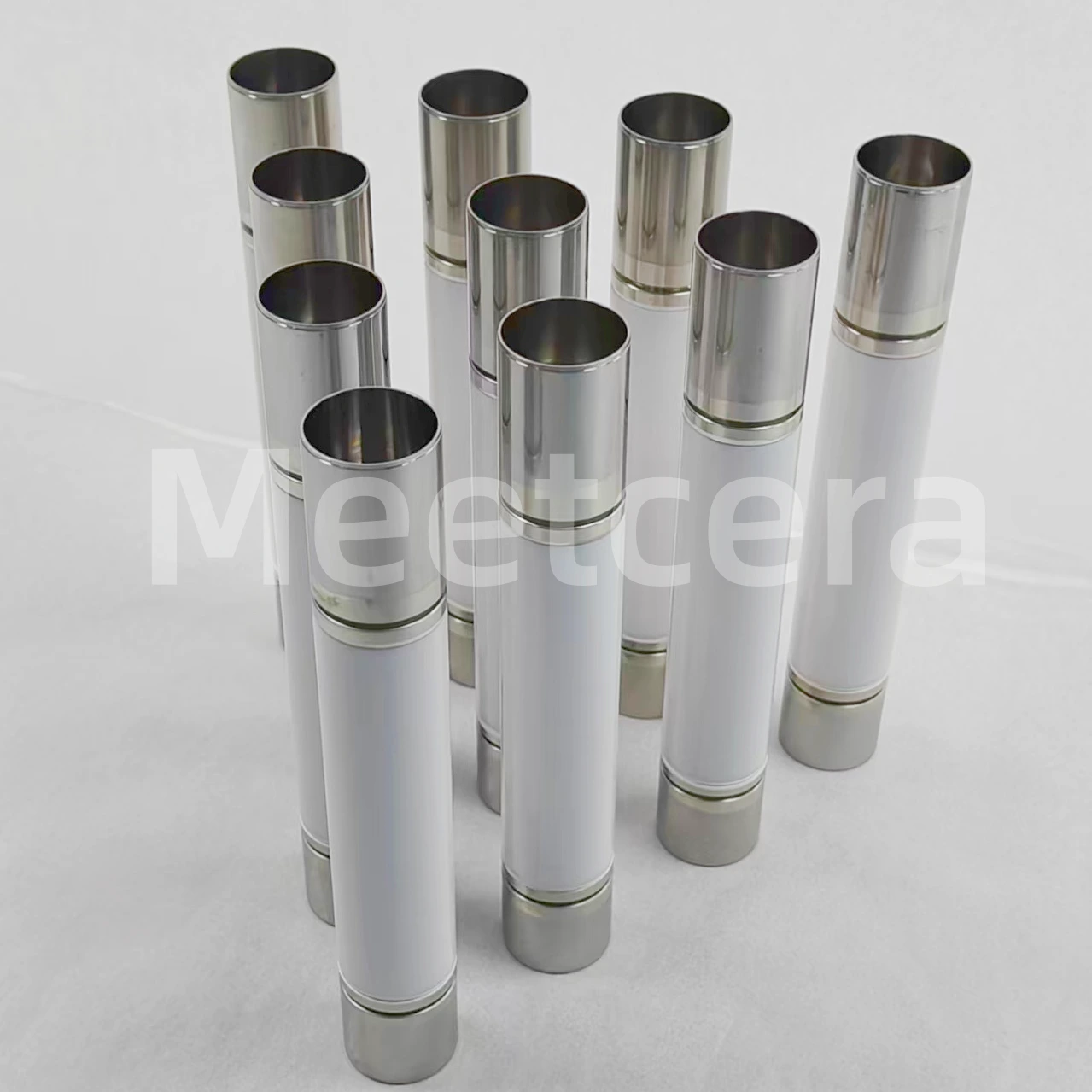
Meetcera evaluates ceramic grades, metal alloys, filler materials, joint geometry, and thermal processing conditions to support reliable brazed assemblies for vacuum, high-voltage, semiconductor, and industrial applications.
Key Features of CTE-Matched Ceramic Brazing
- Material compatibility assessment: Ceramic and metal selection based on thermal expansion and operating conditions.
- Joint design evaluation: Geometry and interface design considered to reduce stress concentration.
- Suitable joining routes: Mo-Mn metallization and brazing or active metal brazing, depending on the material system.
- Controlled thermal processing: Heating, holding, and cooling profiles selected for the assembly.
- Custom manufacturing: Components produced according to drawings, samples, and technical requirements.
- Quality verification: Dimensional inspection, interface evaluation, and optional leak testing.
Why Does CTE Matching Matter?
Ceramics are generally brittle and may be sensitive to tensile stress generated during brazing or subsequent thermal cycling. When a metal and ceramic expand at different rates, the resulting mismatch can create residual stress at the joint.
CTE matching is therefore a key design consideration, but it is not the only factor. Joint geometry, component thaickness, braze alloy properties, processing temperature, and cooling rate also affect reliability.
Read our technical guide on preventing CTE mismatch in metallized ceramic assemblies.
Material Selection and Brazing Process
Alumina can be joined to selected metals, including Kovar and stainless steel, using an appropriate metallization or active brazing route. The best combination depends on the ceramic grade, metal alloy, service temperature, mechanical loads, and sealing requirements.
For a broader overview of available joining methods and manufacturing capabilities, visit our ceramic-to-metal brazing capability page.
Typical Applications
CTE-conscious ceramic brazing is used in:
- High-voltage ceramic insulators
- Vacuum feedthroughs
- X-ray tube assemblies
- Semiconductor equipment
- Hermetic electronic packages
- RF and microwave devices
- Power electronics
- Thermal cycling environments
Custom CTE Matching and Engineering Review
A reliable design requires evaluation of the complete assembly rather than comparing two CTE values alone. Meetcera can review ceramic and metal specifications, component dimensions, interface geometry, operating temperature range, and expected thermal cycles.
For projects using Kovar as the sealing metal, see our ceramic-to-Kovar brazing assemblies.
Send us your drawing, material specifications, or operating conditions for a preliminary technical review.
Frequently Asked Questions
What is CTE matching in ceramic brazing?
CTE matching means selecting ceramic and metal materials with compatible thermal expansion behavior over the relevant temperature range to help reduce stress at the joint.
Which metal is best for brazing alumina ceramic?
Kovar is often considered for alumina sealing applications because of its compatible thermal expansion characteristics. Stainless steel, copper, and other alloys may also be suitable depending on the design and operating conditions.
Can CTE matching completely prevent ceramic cracking?
No. It can reduce one important source of thermal stress, but joint geometry, material defects, brazing conditions, cooling rate, and service loads must also be controlled.