Ceramic Brazing with Mo-Mn Metallization
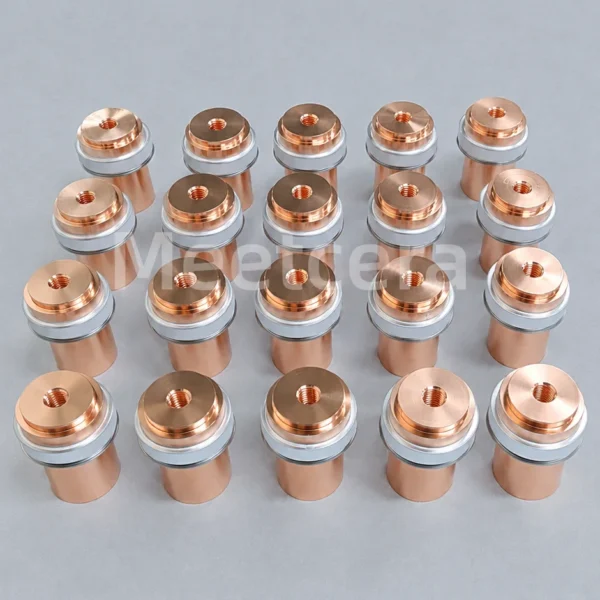
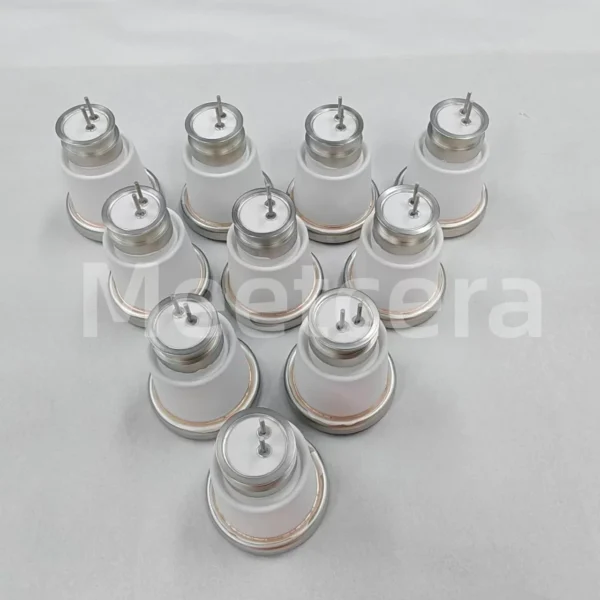
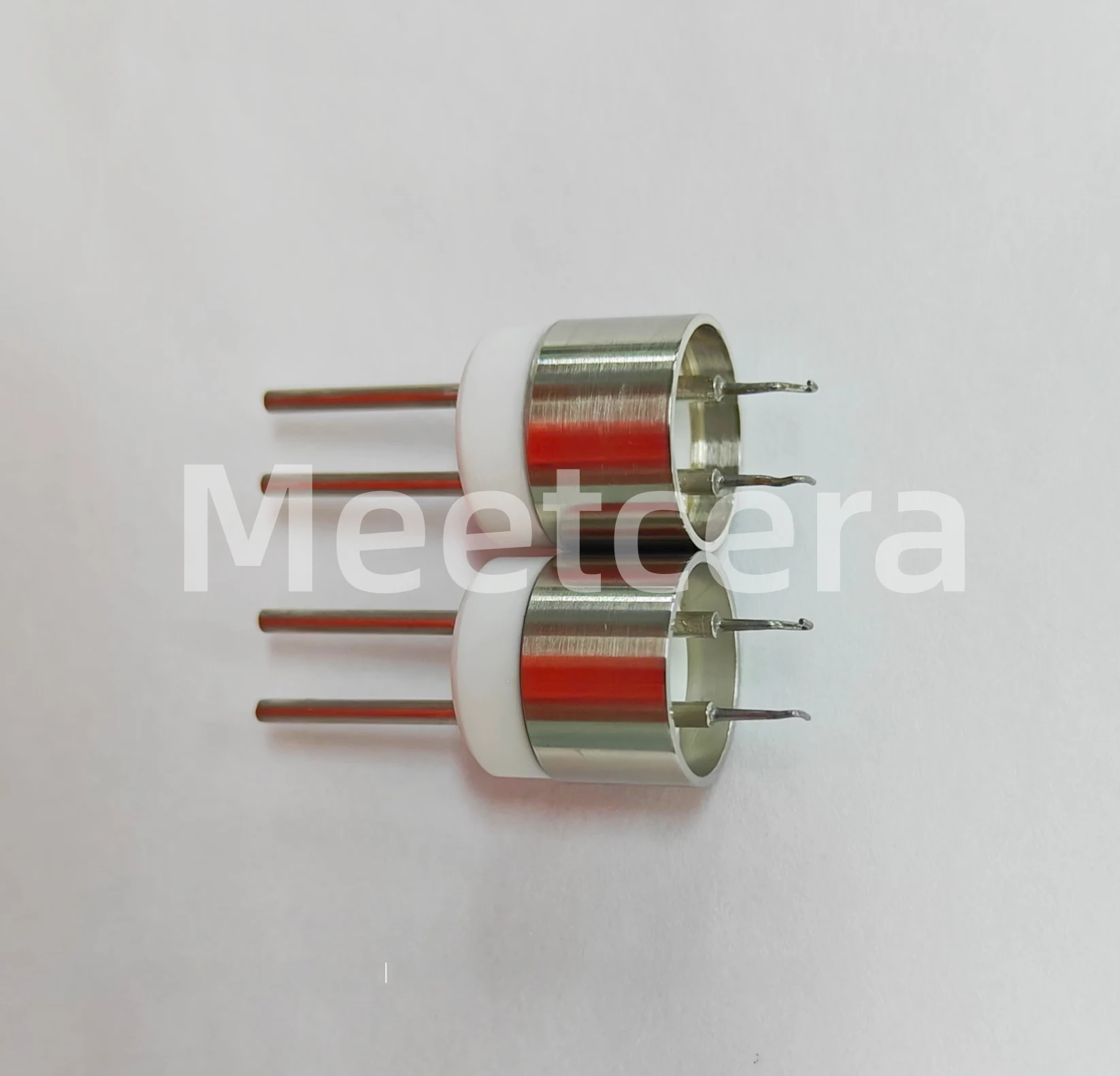
Mo-Mn metallization creates a controlled metallic layer on the ceramic surface before the brazing operation. This approach is widely used when the assembly requires high bonding reliability and hermetic ceramic-to-metal sealing.
Key Features
- Mo-Mn ceramic metallization
- Nickel plating compatibility
- Reliable filler-metal wetting
- High hermeticity potential
- Suitable for demanding environments
Process Structure
A typical production sequence includes ceramic cleaning, Mo-Mn coating, high-temperature metallization, nickel plating, component assembly, brazing, and final inspection.
Why It Matters
Ceramics are difficult for conventional filler metals to wet directly. The metallized layer creates a more suitable interface between the ceramic and brazing filler metal.
Applications
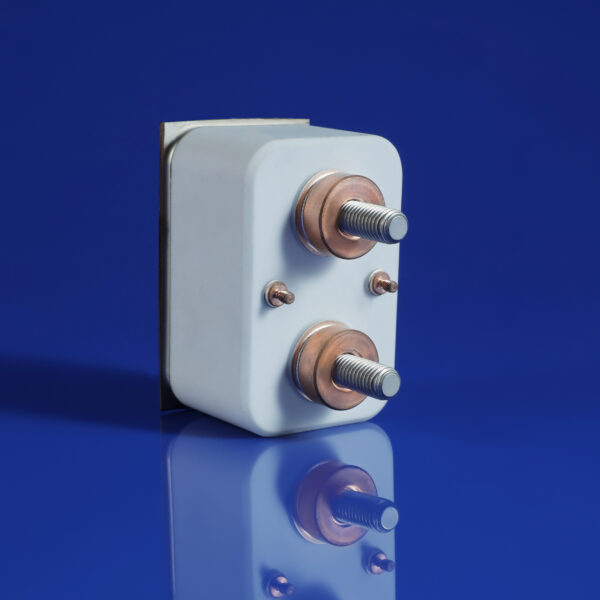
Common applications include vacuum feedthroughs, electronic packages, high-voltage insulators, X-ray components, semiconductor equipment, and hermetic assemblies.
Custom Metallization
If your project specifies metallization thickness, nickel plating, or brazing filler requirements, send the specification for process evaluation.