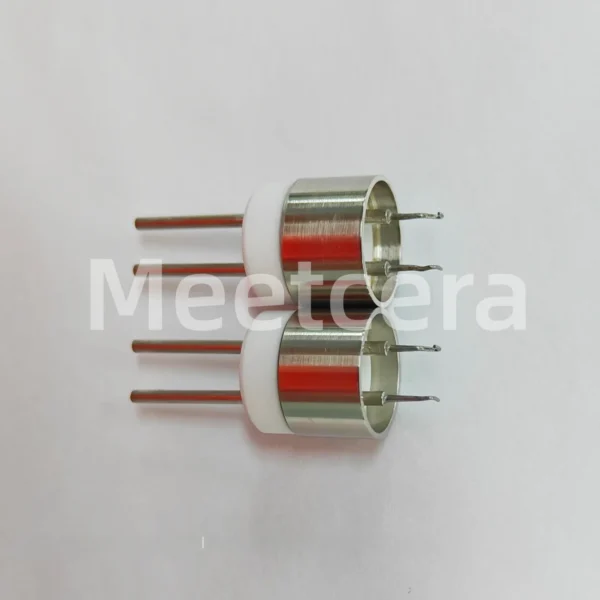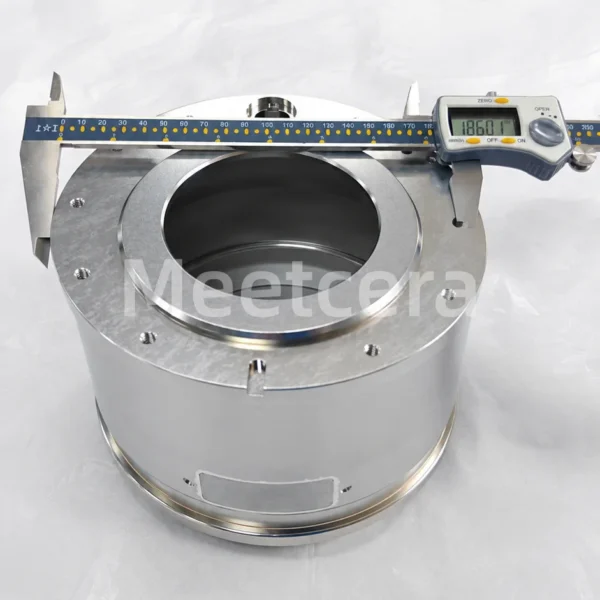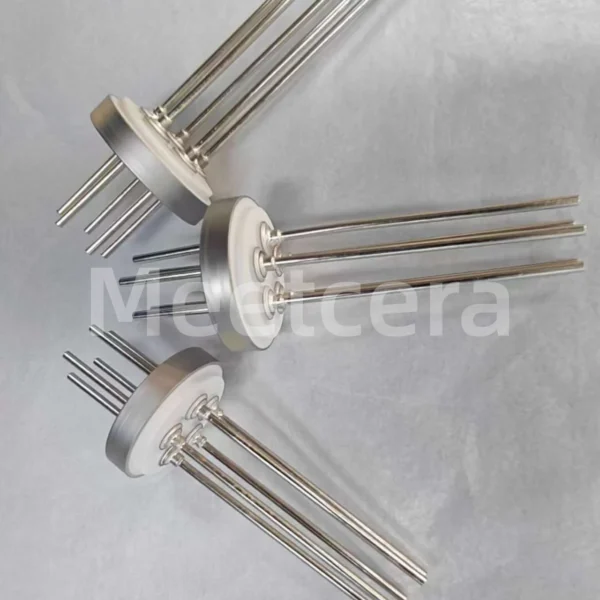

Metallized Ceramic Brazing Assemblies
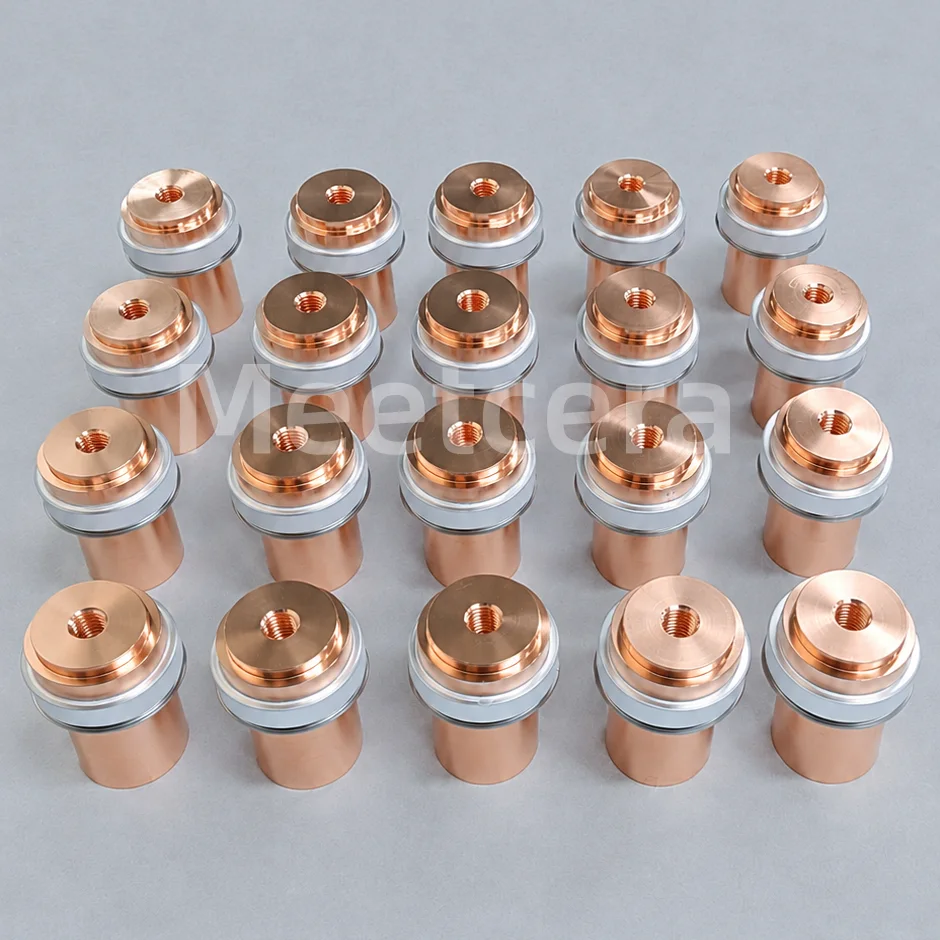
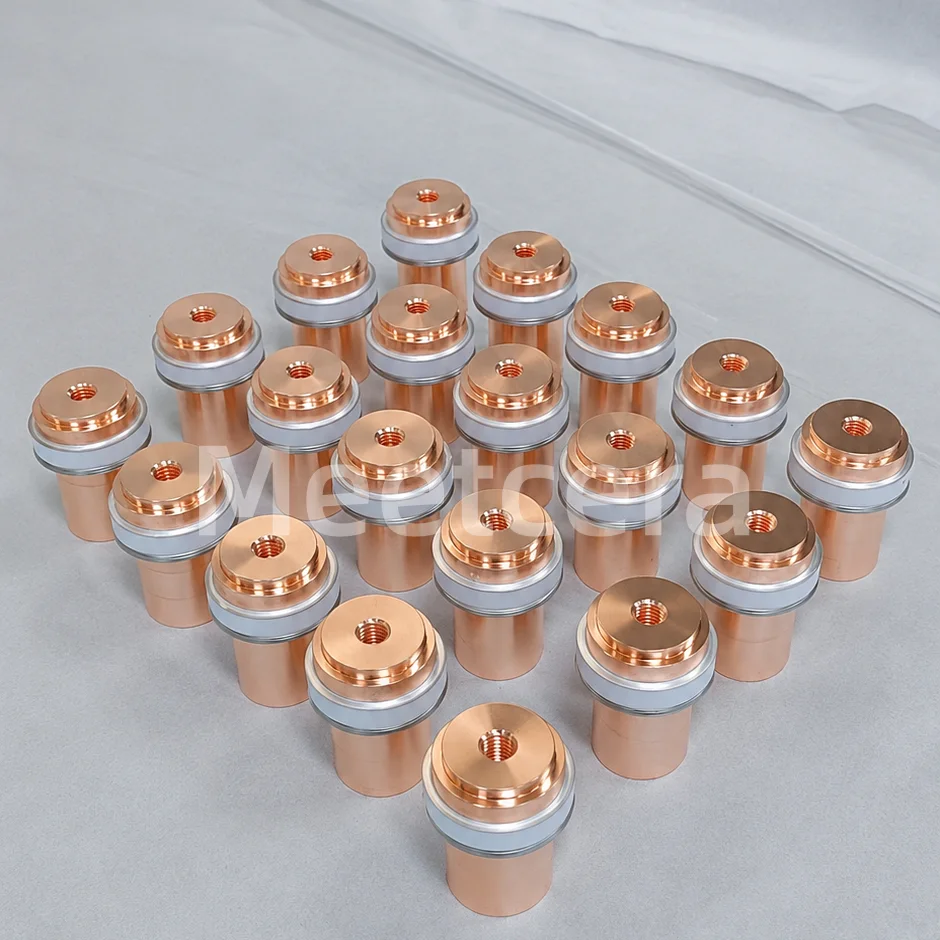
Metallized ceramic brazing assemblies combine the electrical and thermal performance of technical ceramics with the mechanical and sealing properties of metals. Meetcera provides integrated metallization, plating, brazing, and assembly services for ceramic components used in vacuum, high-voltage, semiconductor, X-ray, and industrial applications.
Instead of sourcing metallized ceramic parts and brazing services separately, you can use an integrated process from ceramic preparation and metallization to final ceramic-to-metal assembly.
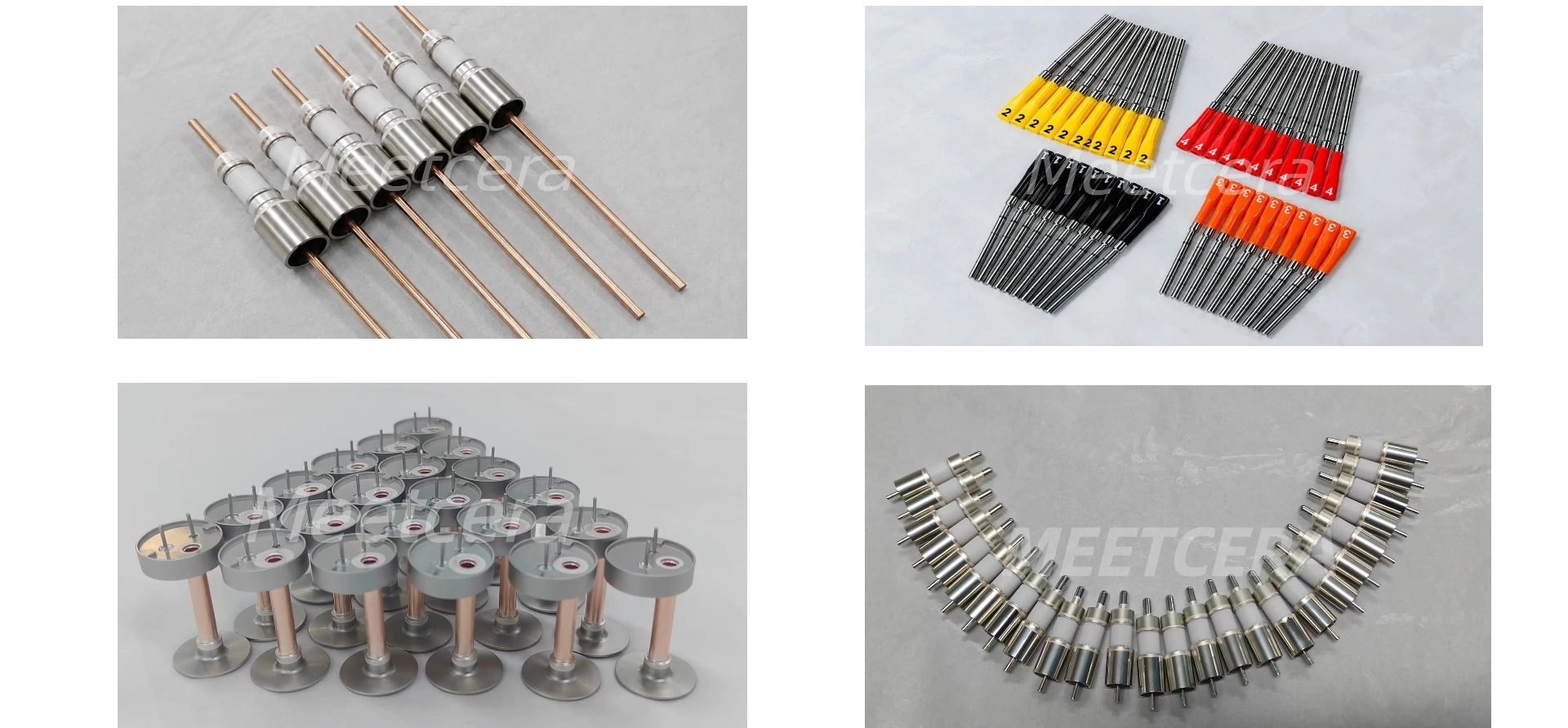
Key Features
- 95%and 99% alumina ceramic options
- Mo-Mn metallization
- Nickel, copper, gold, and other plating options
- Metallization thickness typically around 15–25 μm
- Nickel plating typically around 8–10 μm
- Ceramic-to-metal brazing
- Customized assembly configurations
- Dimensional, visual, and interface inspection
- Hermetic leak testing when required
For a detailed explanation of the Mo-Mn route, see our article on alumina ceramic metallization brazing.
Metallization and Brazing Process
A typical assembly process includes ceramic preparation, Mo-Mn coating, high-temperature sintering, nickel plating, metal preparation, component alignment, brazing, and final inspection.
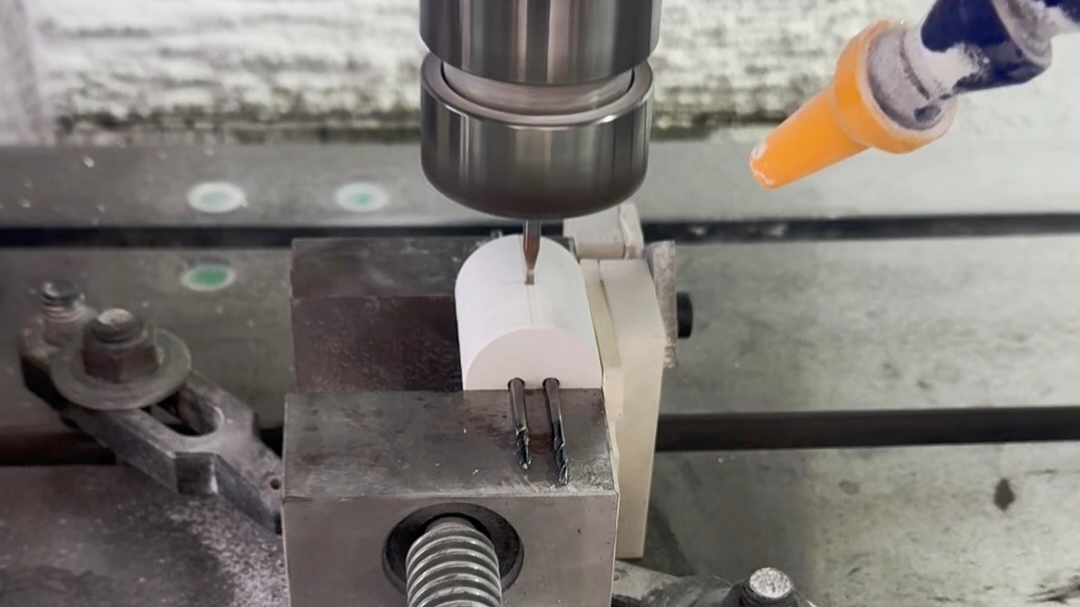
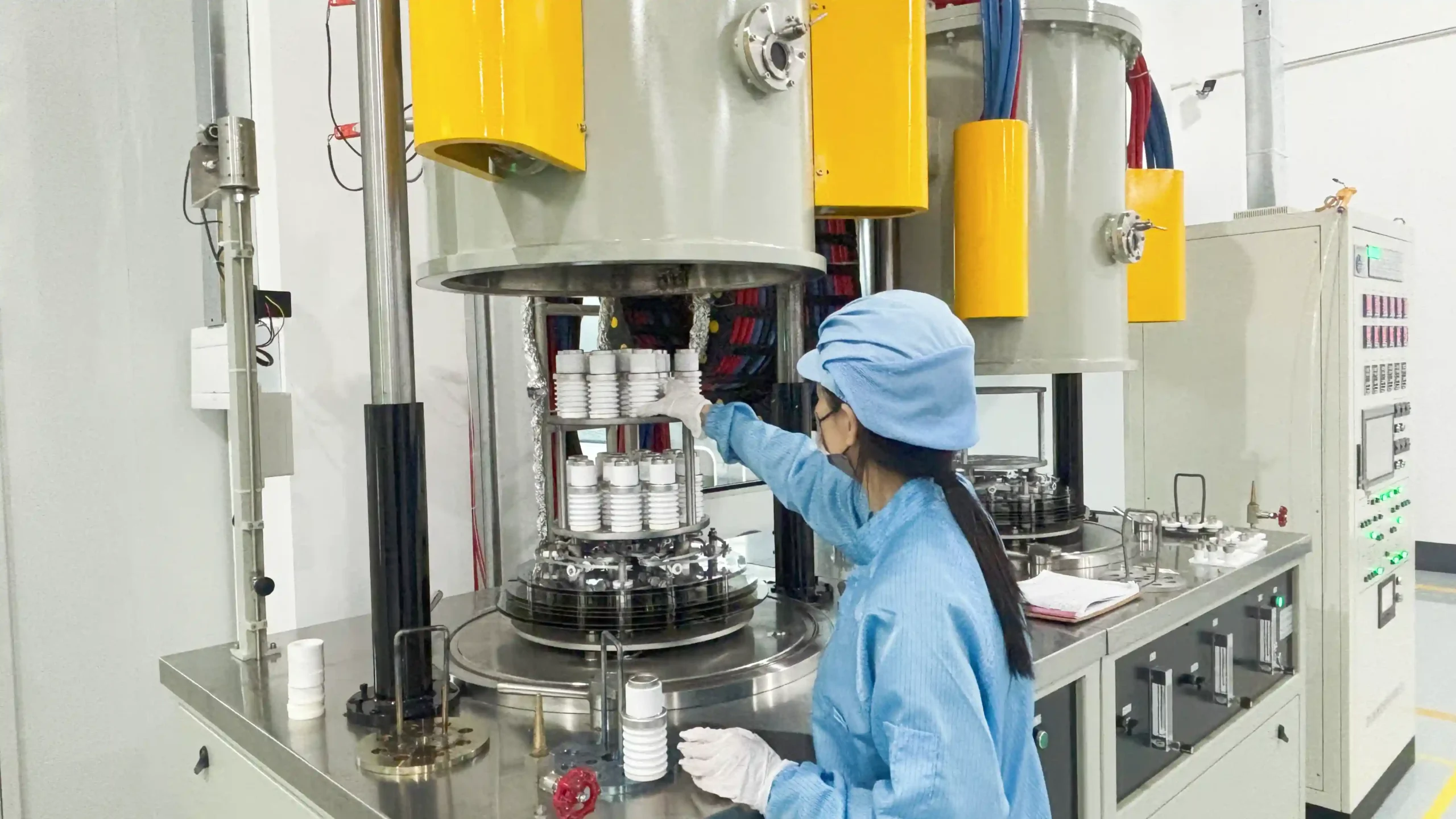
The metallized surface provides a suitable interface for conventional brazing alloys, while controlled brazing conditions help maintain joint integrity. Material compatibility and CTE control are also important when ceramic and metal components experience repeated thermal cycling.
Learn more about preventing CTE mismatch in metallized ceramic assemblies.
Applications
Metallized ceramic brazing assemblies can be used for:
- Ceramic feedthroughs
- High-voltage insulators
- Vacuum components
- X-ray tube components
- Semiconductor equipment
- RF and microwave devices
- Power electronics
- Medical and scientific equipment
Integrated Manufacturing for Custom Assemblies
Meetcera can support the complete manufacturing route from ceramic processing and metallization to plating, brazing, inspection, and customized assembly.
For customers who need a broader joining solution, see our ceramic-to-metal brazing capability.
Send your drawing, sample, material specification, or assembly requirements to discuss the appropriate metallization and brazing process.