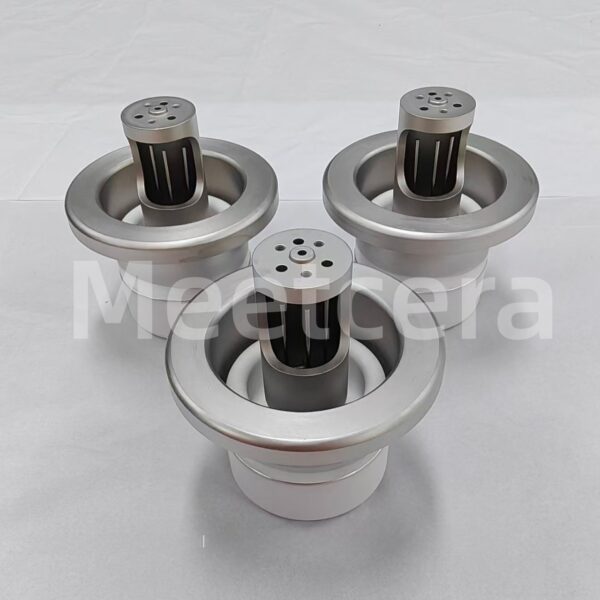
Ceramic Brazing for Complex Geometries
Complex ceramic components often require more than simply selecting a suitable filler metal. Joint location, accessibility, clearance, edge design, and fixture support can directly affect brazing quality.
Key Features
- Complex-shape ceramic joining
- Multi-interface assembly capability
- Custom fixture design
- Controlled filler-metal flow
- Suitable for precision structures
Design Considerations
Sharp corners and excessive stress concentration should be avoided where possible. A controlled and uniform brazing gap helps the filler metal flow consistently through the joint.
Manufacturing Support
For complex assemblies, fixture design, dimensional inspection, process simulation, and prototype validation can be integrated into the manufacturing process.
Applications
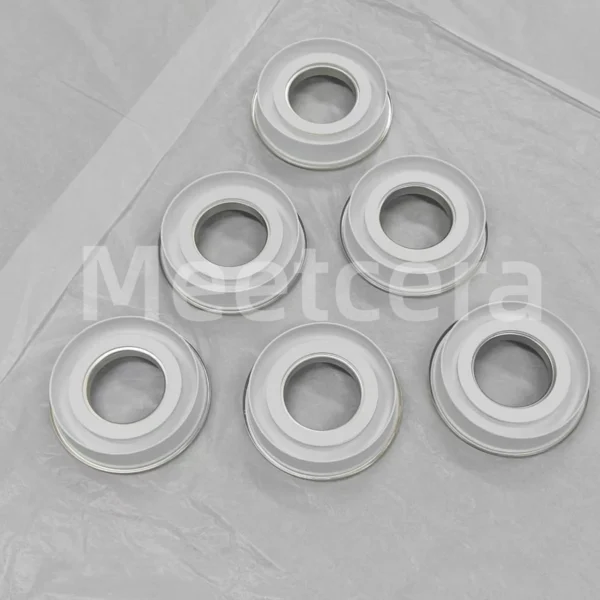
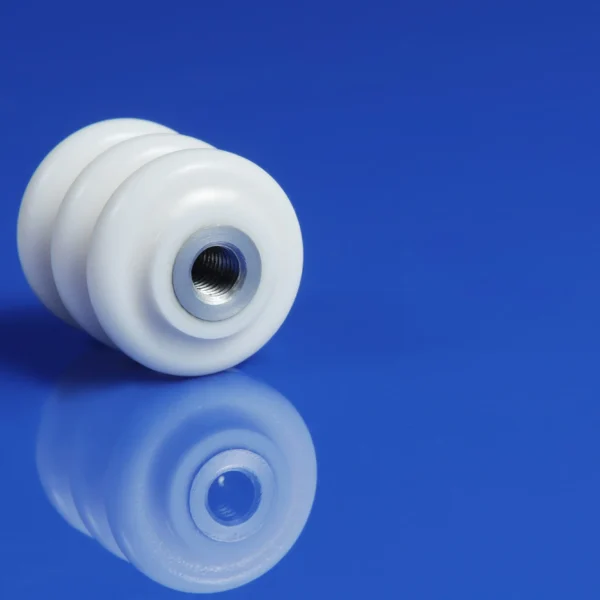
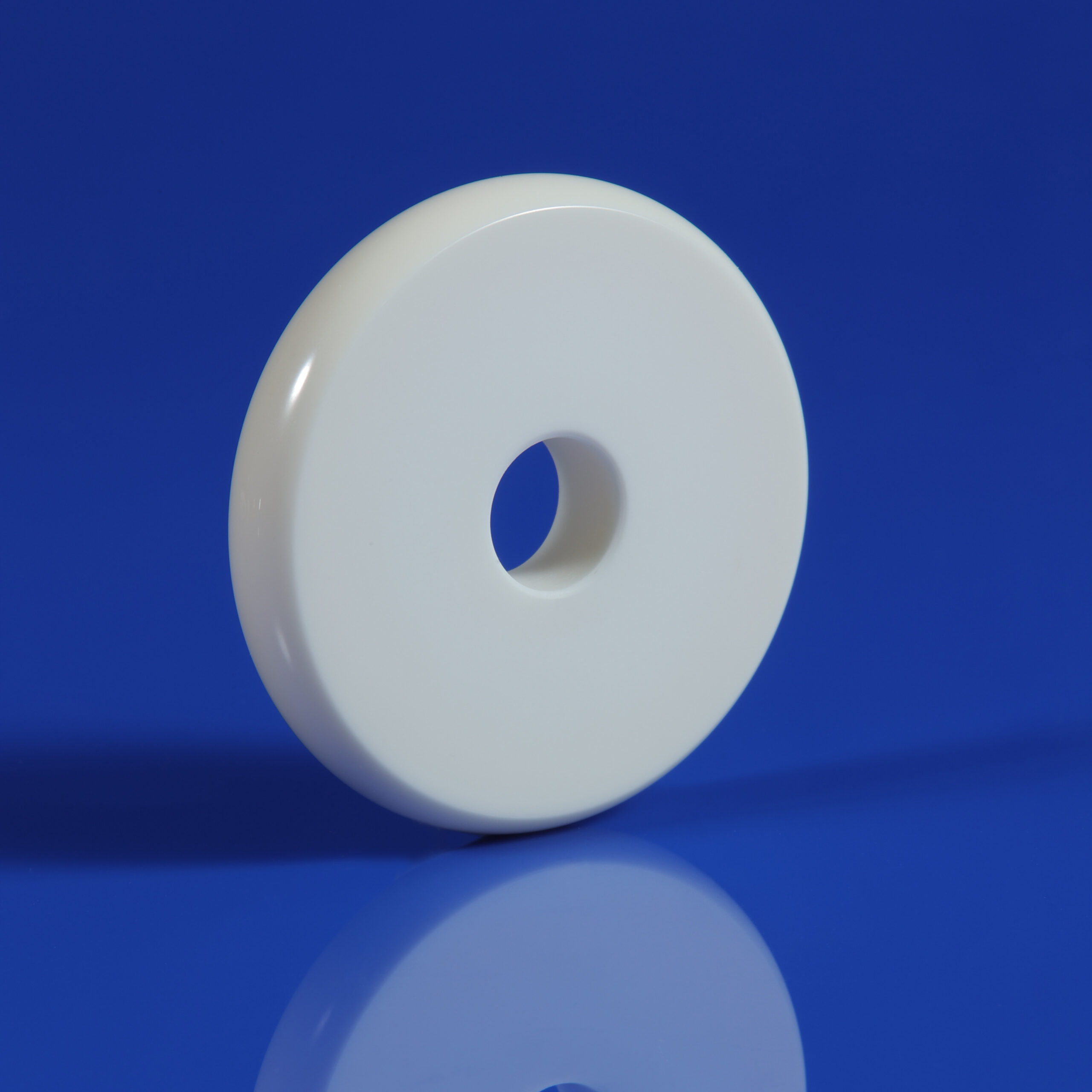
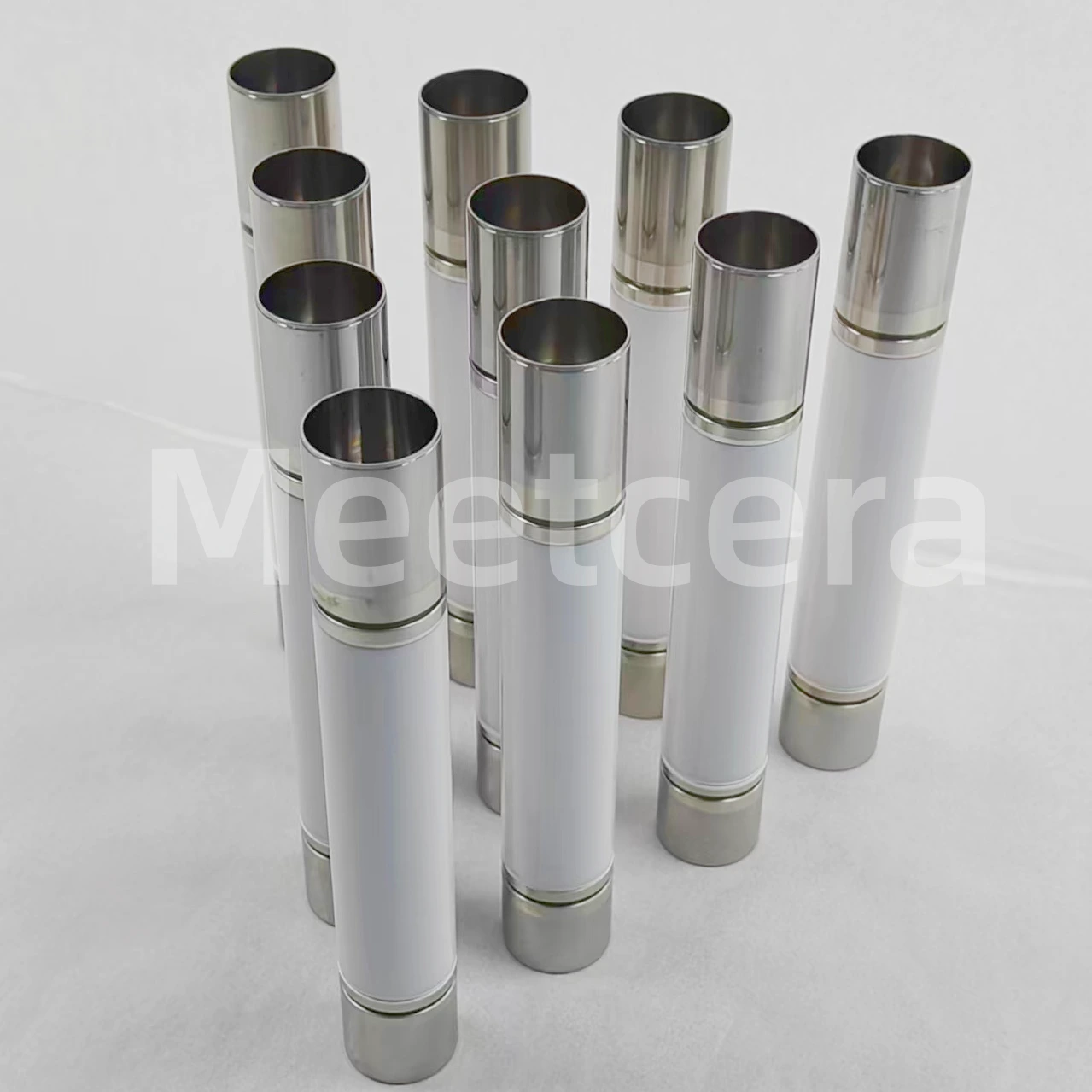
Suitable for ceramic tubes, rings, sleeves, multi-step components, feedthroughs, sensors, and customized electronic assemblies.
Have a Complex Drawing?
Send the 2D drawing or 3D model. We can review the brazing interface and identify potential manufacturing risks before sample production.