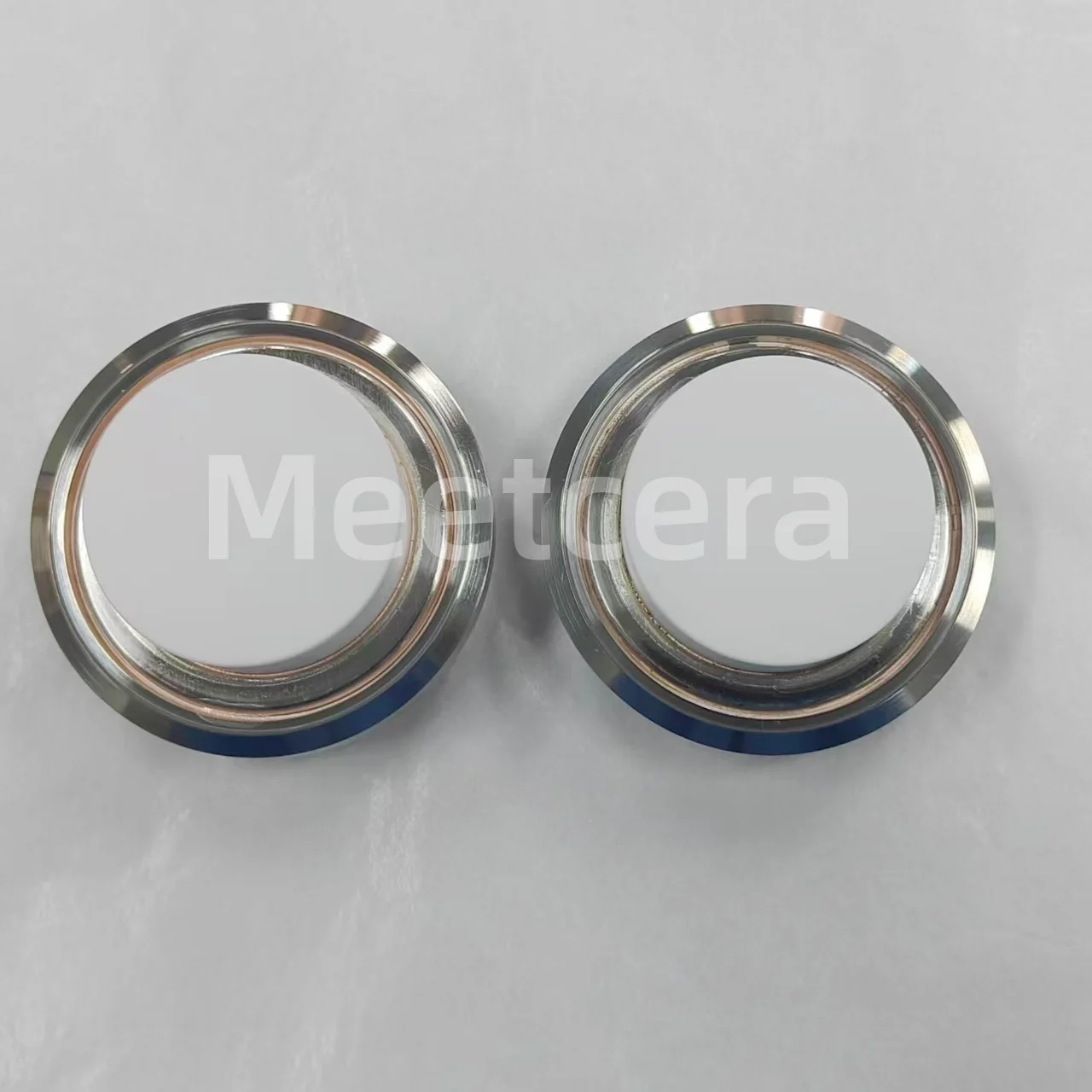
Alumina Ceramic-to-Metal Brazing
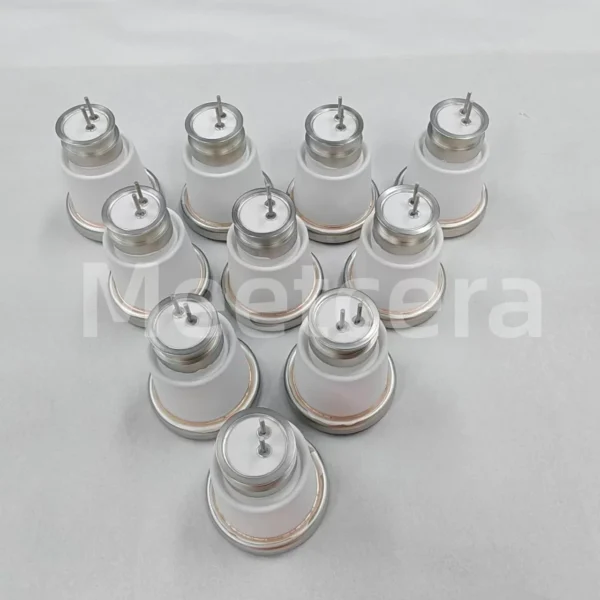
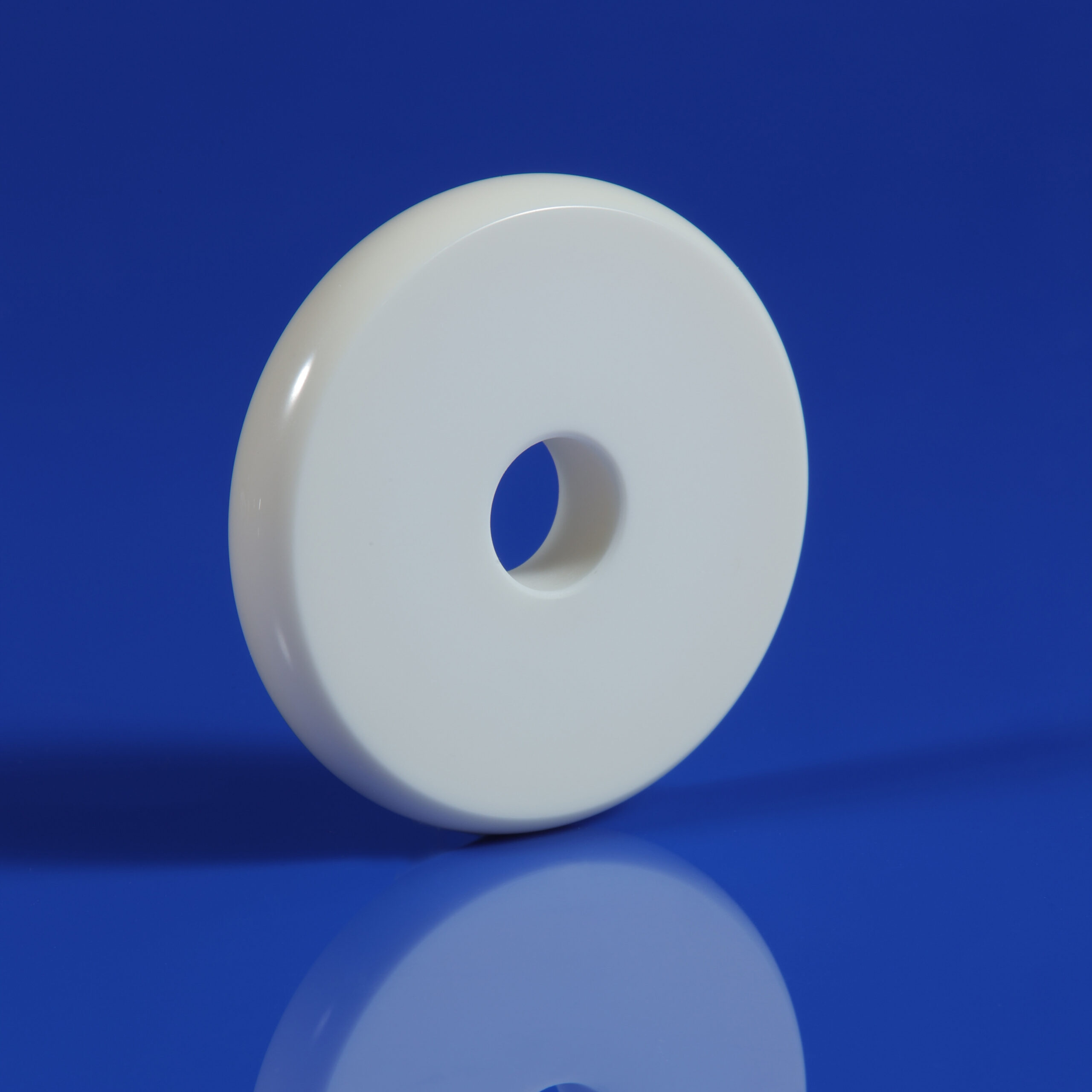
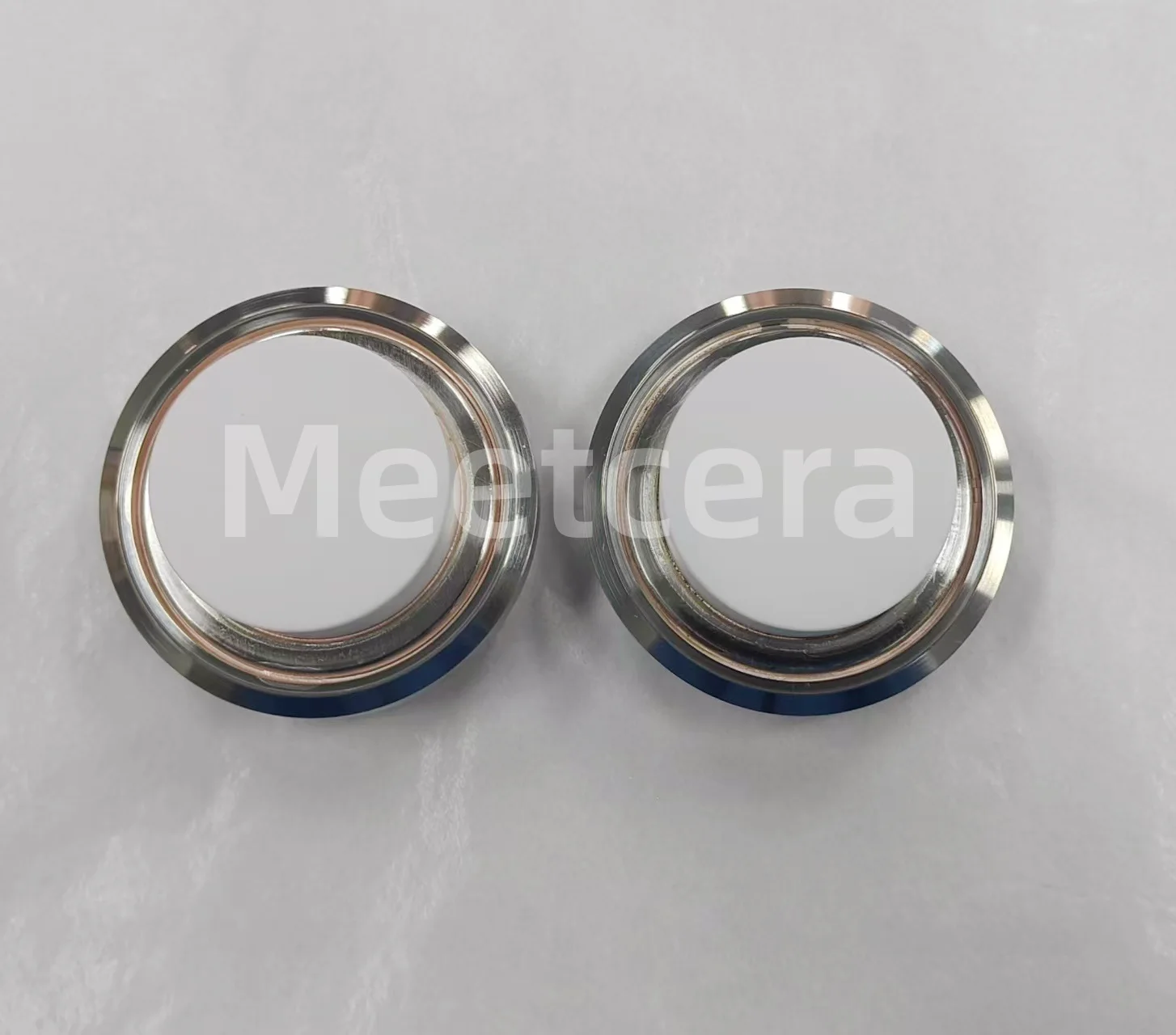
Alumina ceramic-to-metal brazing is widely used when electrical insulation, mechanical strength, high-temperature resistance, and hermetic sealing are required in the same assembly. Meetcera provides brazed alumina components using controlled metallization and brazing processes for vacuum, high-voltage, semiconductor, X-ray, and industrial applications.
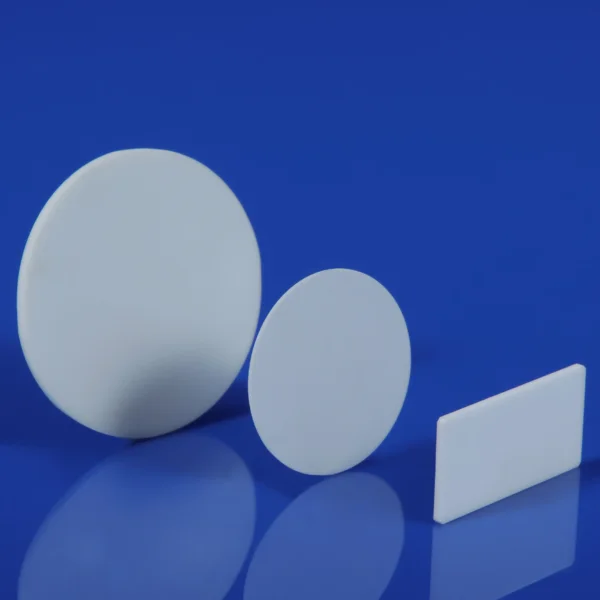
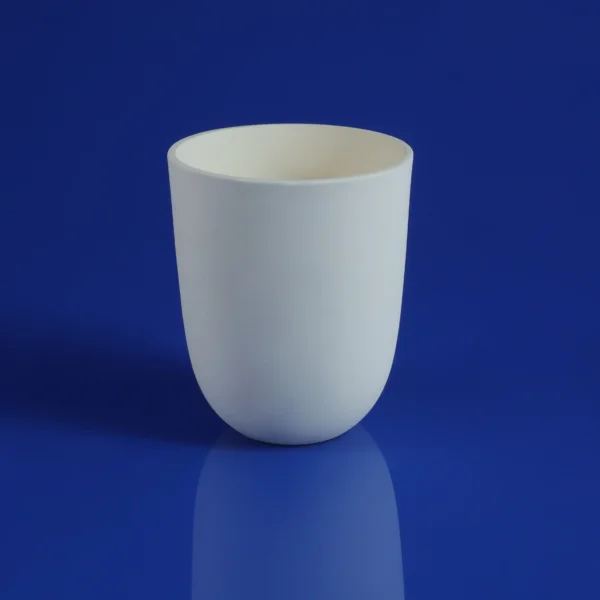
We work with common alumina grades such as 95%and 99% alumina, with material selection based on dielectric performance, mechanical requirements, thermal conditions, and joint design.
Key Features
- 95% and 99% alumina ceramic options
- Ceramic-to-metal brazing for customized assemblies
- Mo-Mn metallization for conventional brazing
- Nickel plating to improve braze wetting
- Kovar, stainless steel, copper, and selected metal alloys
- Brazing temperatures up to approximately 850°C depending on the filler system
- Helium leak testing for hermetic applications
- Customized dimensions and joint configurations
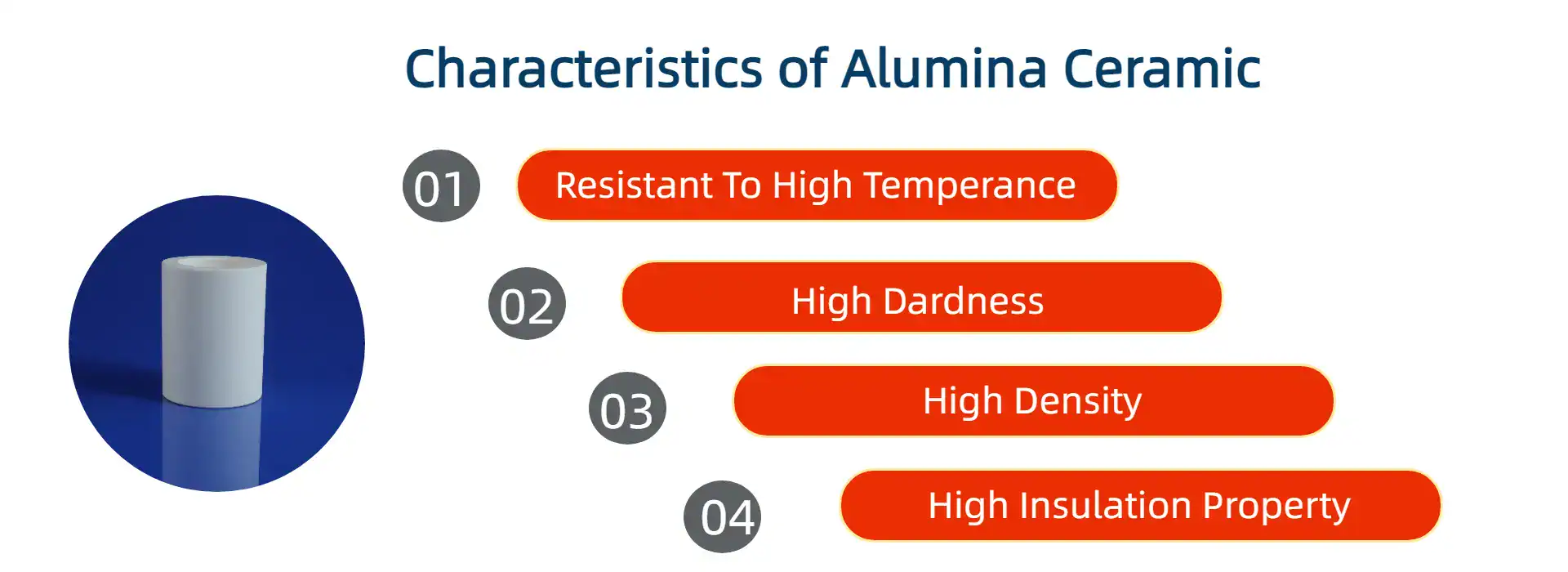
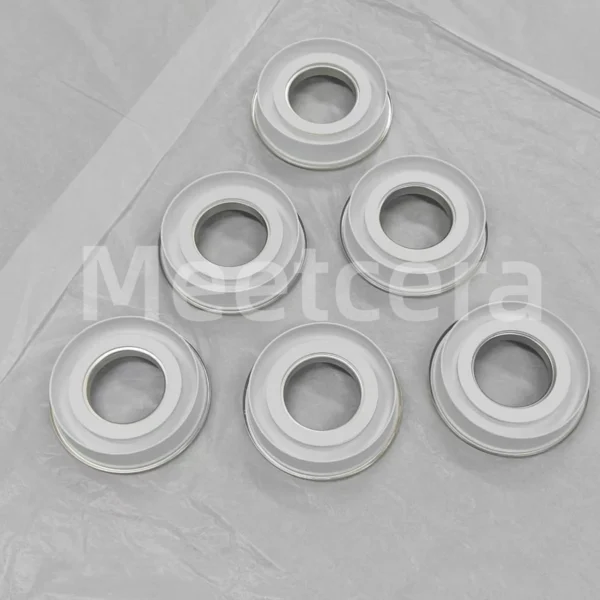
The Mo-Mn process is particularly important when a reliable metallized surface is required before brazing. Learn more about our alumina ceramic metallization brazing and Mo-Mn process.
Metallization and Brazing Process
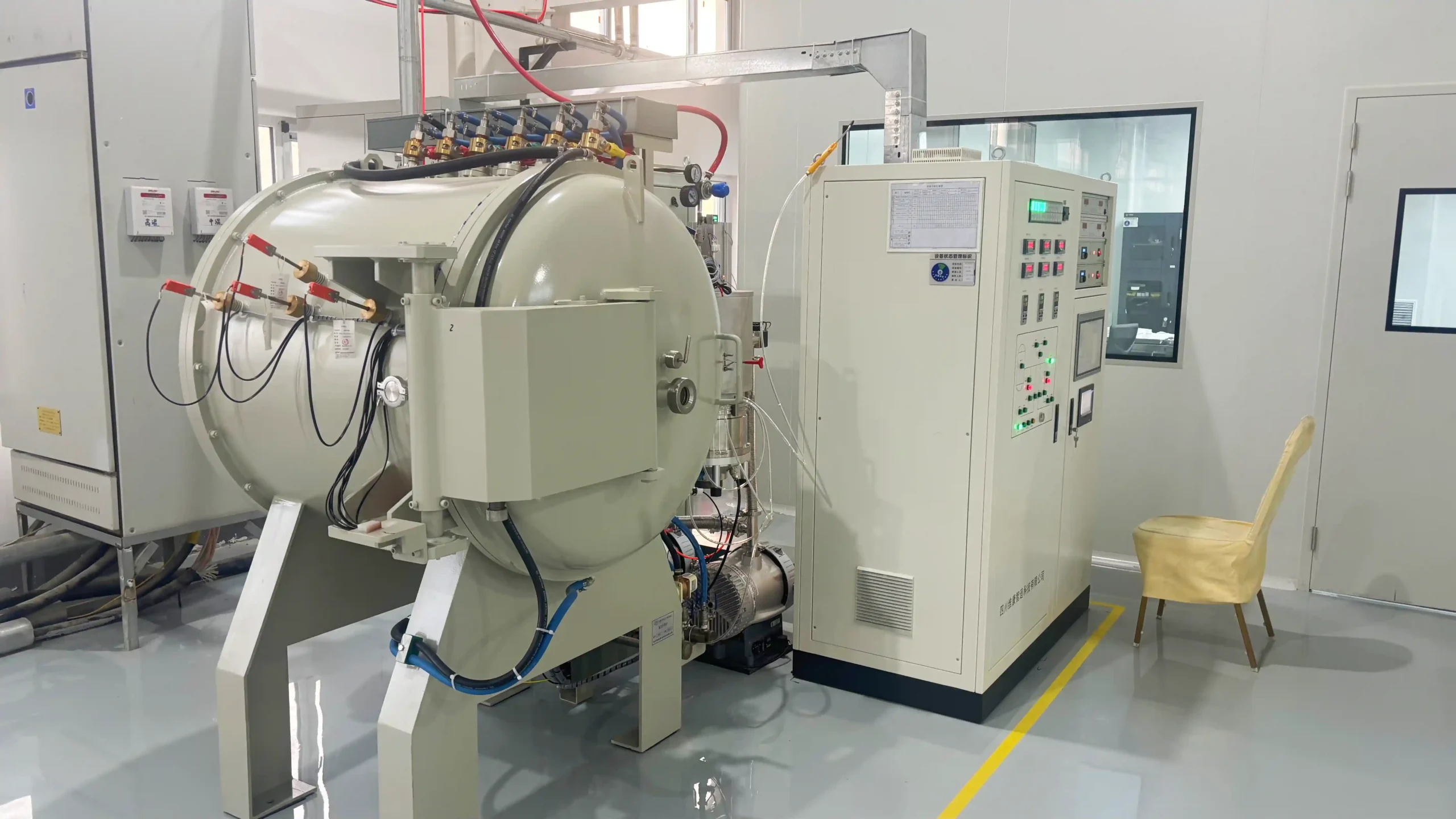
A typical process includes ceramic surface preparation, Mo-Mn metallization, high-temperature sintering, nickel plating, component assembly, brazing, and final inspection.
The metallization layer provides a compatible surface for conventional brazing alloys, while controlled joint clearance and thermal profiles help reduce defects such as poor wetting, weak bonding, and thermal cracking.
For a deeper explanation of the complete joining mechanism, see our ceramic-to-metal brazing process guide.
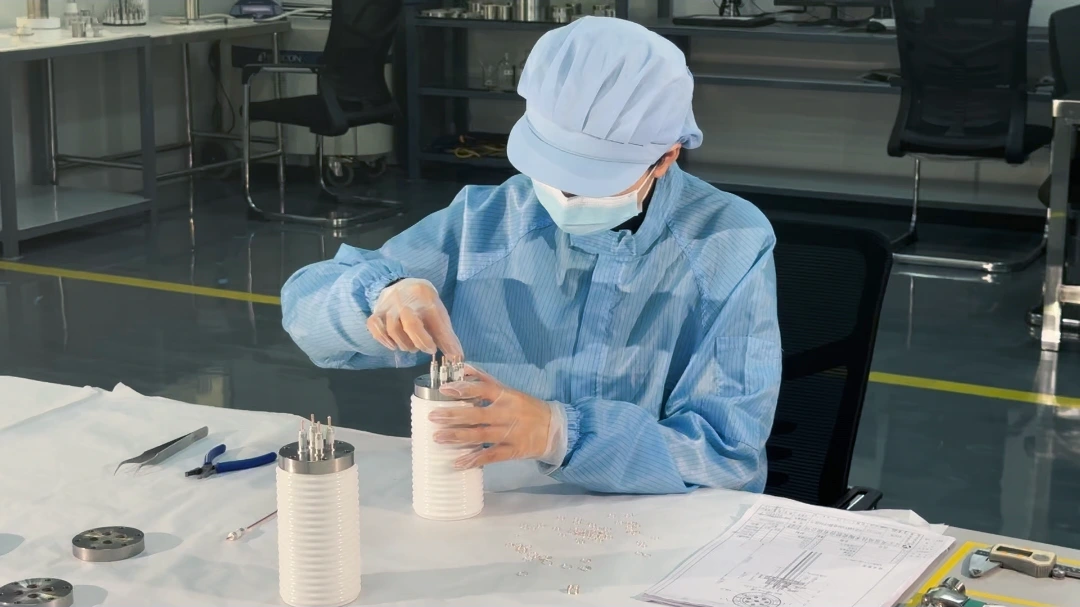
Applications
Alumina ceramic-to-metal brazed assemblies are suitable for:
- Vacuum feedthroughs
- High-voltage insulators
- Semiconductor equipment
- X-ray tube components
- RF and microwave devices
- Power electronics
- Medical equipment
- Industrial vacuum systems
Custom Alumina Brazing Components
Critical ceramic-to-metal assemblies often require more than a standard material combination. We can evaluate ceramic purity, metal selection, joint geometry, metallization requirements, brazing temperature, and hermeticity requirements based on your drawings or samples.
For related metallized ceramic components, see our custom metallized ceramic components.
Send us your drawing, sample, or technical specification for an initial process review.
Metallized Ceramic Catalog Download PDF