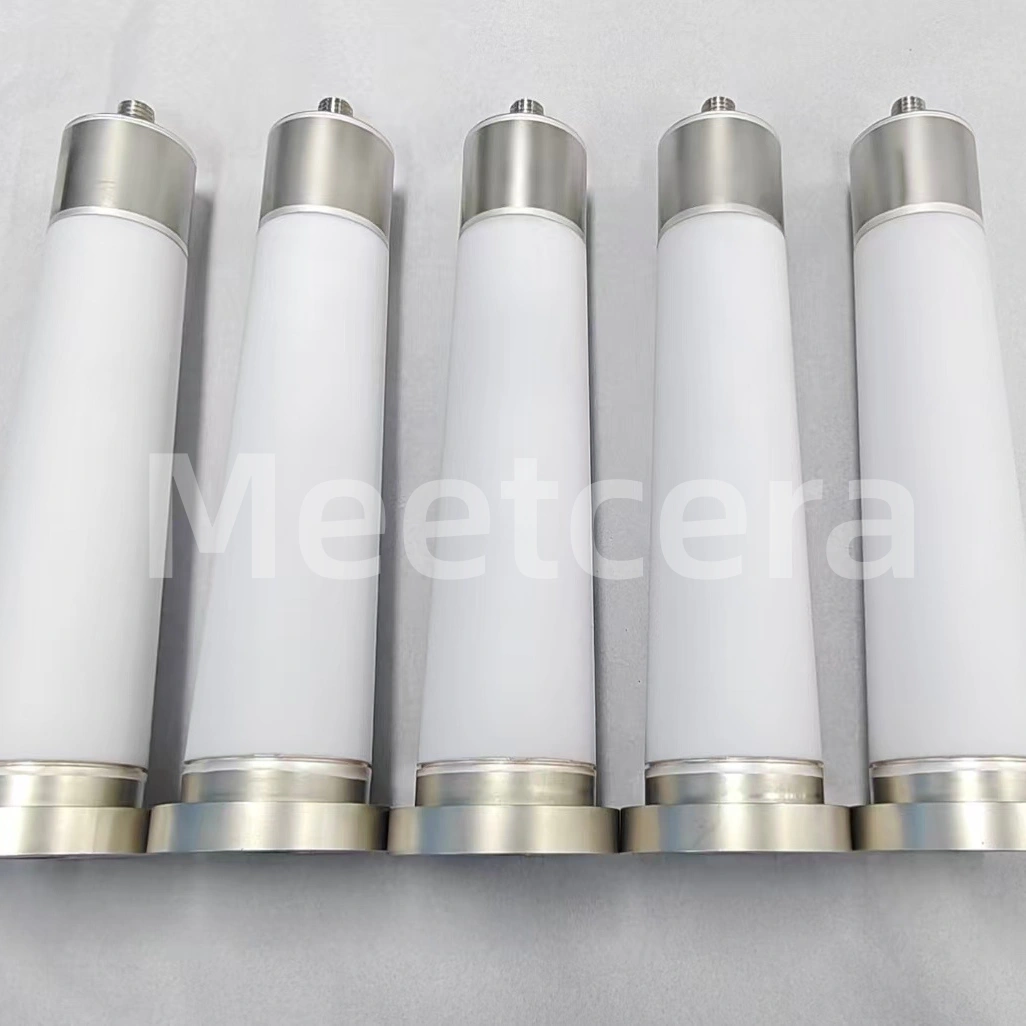
Ceramic-to-Kovar Brazing Assemblies
Ceramic-to-Kovar brazing assemblies are widely used in applications requiring electrical insulation, mechanical stability, and hermetic sealing. Kovar is a nickel-iron-cobalt alloy commonly selected for certain ceramic-to-metal sealing applications because its thermal expansion behavior can be compatible with alumina over a relevant temperature range.
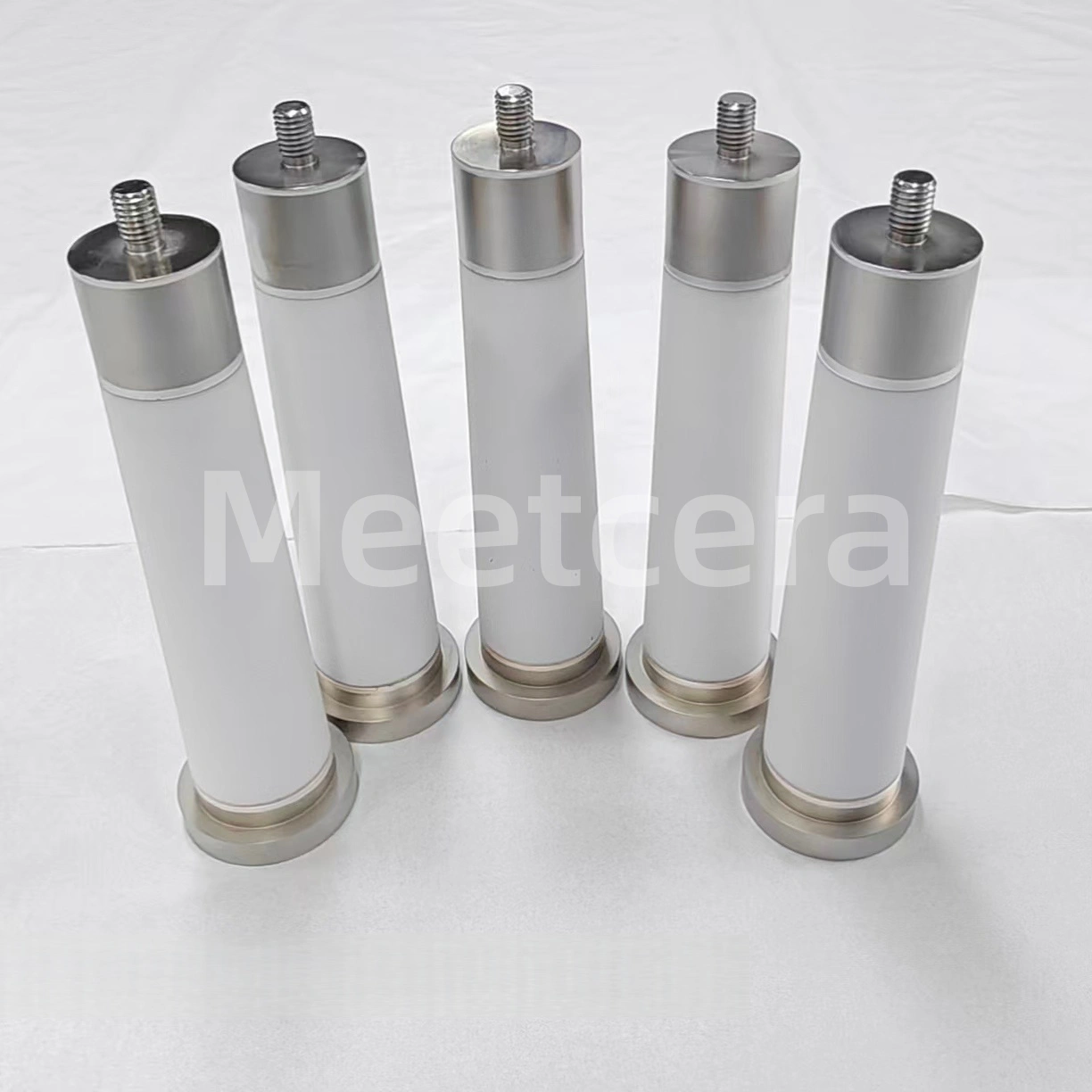
Meetcera manufactures customized ceramic-to-Kovar brazed components for vacuum feedthroughs, high-voltage assemblies, X-ray equipment, semiconductor systems, and hermetic electronic packages.
Key Features of Ceramic-to-Kovar Brazing Assemblies
- Ceramic-metal joining: Alumina and selected technical ceramics joined to compatible Kovar components.
- Thermal expansion compatibility: Material selection based on operating temperature and joint geometry.
- Metallization options: Mo-Mn metallization and nickel plating for compatible conventional brazing routes.
- Controlled brazing: Process parameters selected for the ceramic, metal, filler alloy, and assembly design.
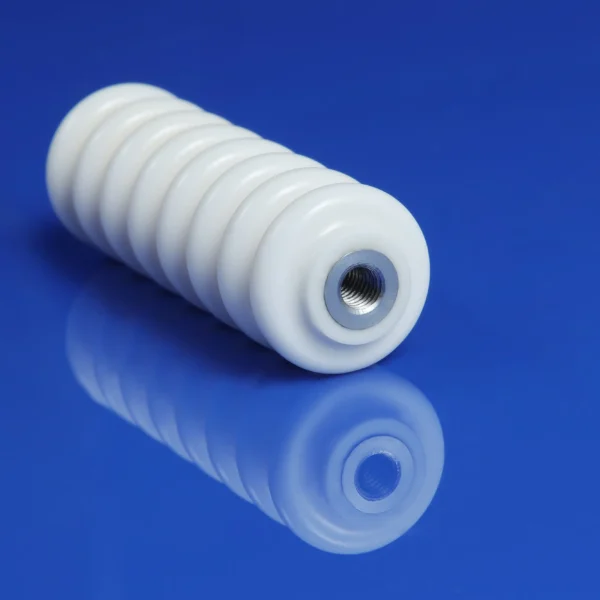
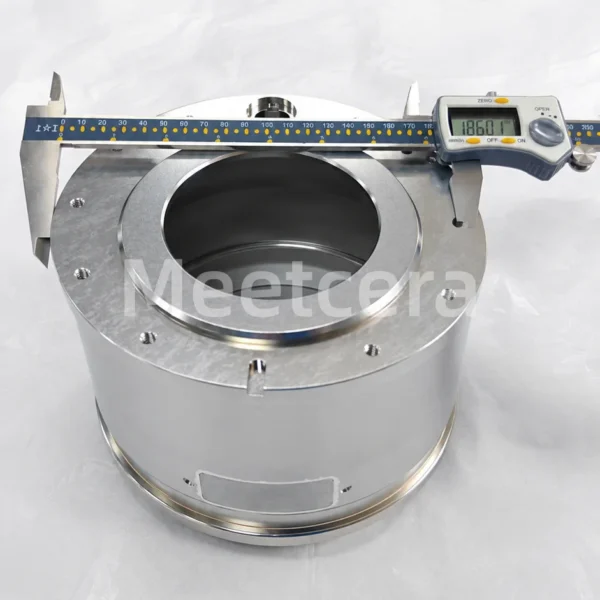
- Custom configurations: Rings, tubes, insulating structures, feedthroughs, and other drawing-based assemblies.
- Quality inspection: Dimensional verification, interface inspection, and optional helium leak testing.
Why Is Kovar Used for Ceramic-to-Metal Brazing?
Ceramics generally have limited tolerance for tensile stress, making thermal expansion compatibility important when joining them to metals. Kovar can be a suitable choice for alumina sealing structures because its thermal expansion characteristics can be selected to match the ceramic over the intended temperature range.
However, Kovar is not automatically the best option for every design. The ceramic grade, temperature range, joint geometry, mechanical loading, and brazing cycle must all be considered.
Learn more about preventing CTE mismatch in metallized ceramic assemblies.
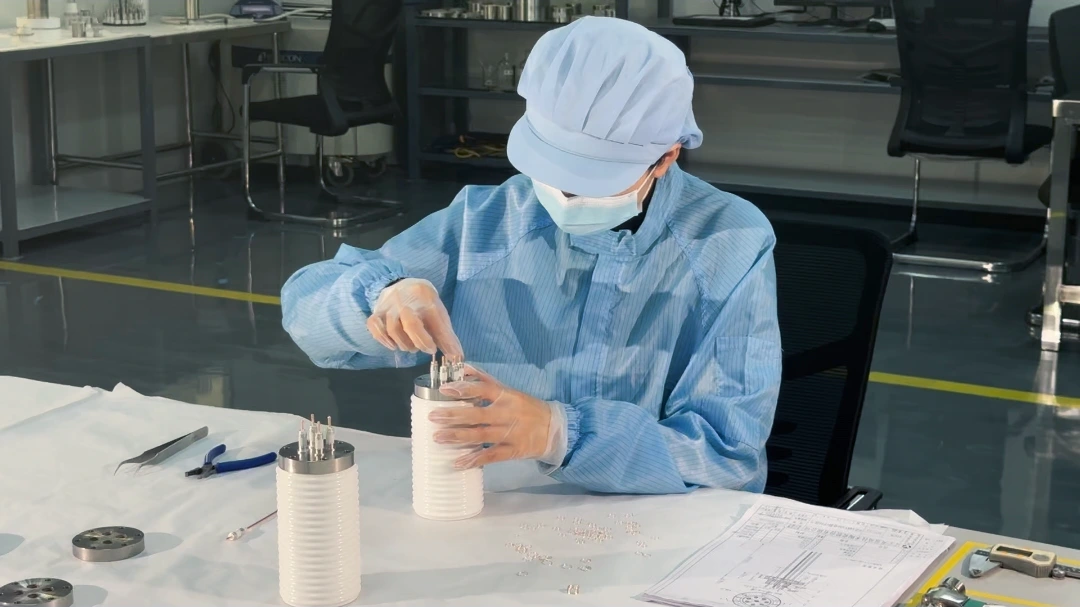
Manufacturing Process
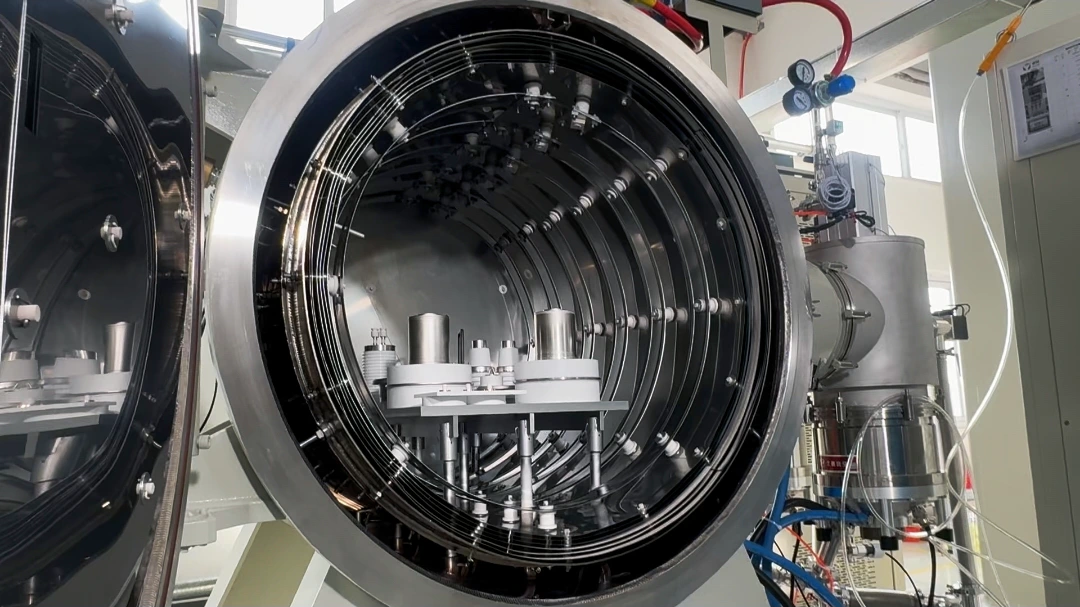
A typical conventional brazing route includes ceramic preparation, Mo-Mn metallization, nickel plating, metal component preparation, assembly alignment, brazing, and final inspection. Alternative joining methods may be considered when the material combination or design requires a different approach.
Explore our ceramic-to-metal brazing capabilities for more information about material selection and joining processes.
Typical Applications
Ceramic-to-Kovar brazing assemblies are commonly considered for:
- Vacuum and electrical feedthroughs
- High-voltage insulating components
- X-ray tube assemblies
- Hermetic electronic packages
- Semiconductor equipment
- RF and microwave devices
- Scientific and industrial instruments
Custom Ceramic-to-Kovar Assemblies
Meetcera can evaluate customer drawings, samples, ceramic grades, Kovar specifications, sealing requirements, and dimensional tolerances. For hermetic applications, define the required leak-rate acceptance limit and inspection method before production.
If your project involves vacuum transmission or electrical connections through a sealed chamber, review our vacuum ceramic feedthrough selection guide.
Contact our team with your design and operating conditions for an initial feasibility review.
Frequently Asked Questions
Why is Kovar used in ceramic-to-metal brazing?
Kovar is used in selected designs because its thermal expansion can be compatible with alumina, helping reduce thermal stress at the ceramic-metal interface.
Can alumina ceramic be brazed directly to Kovar?
Conventional joining commonly uses metallization and plating on the ceramic before brazing. The exact route depends on the ceramic grade, filler alloy, and assembly requirements.
Does using Kovar guarantee a hermetic seal?
No. Hermeticity also depends on surface preparation, joint design, brazing conditions, material quality, and final leak testing.