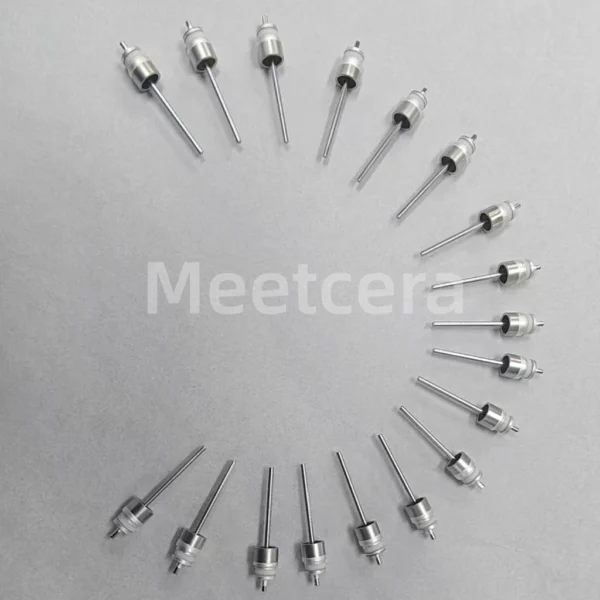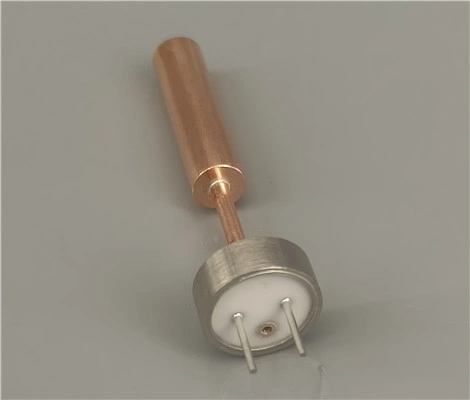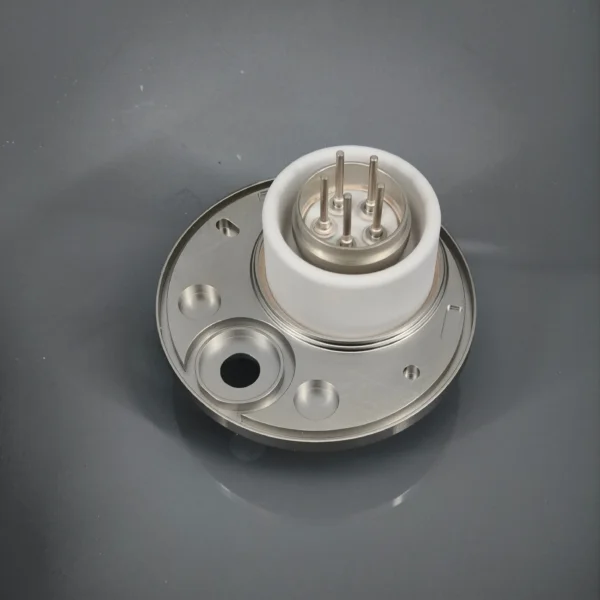
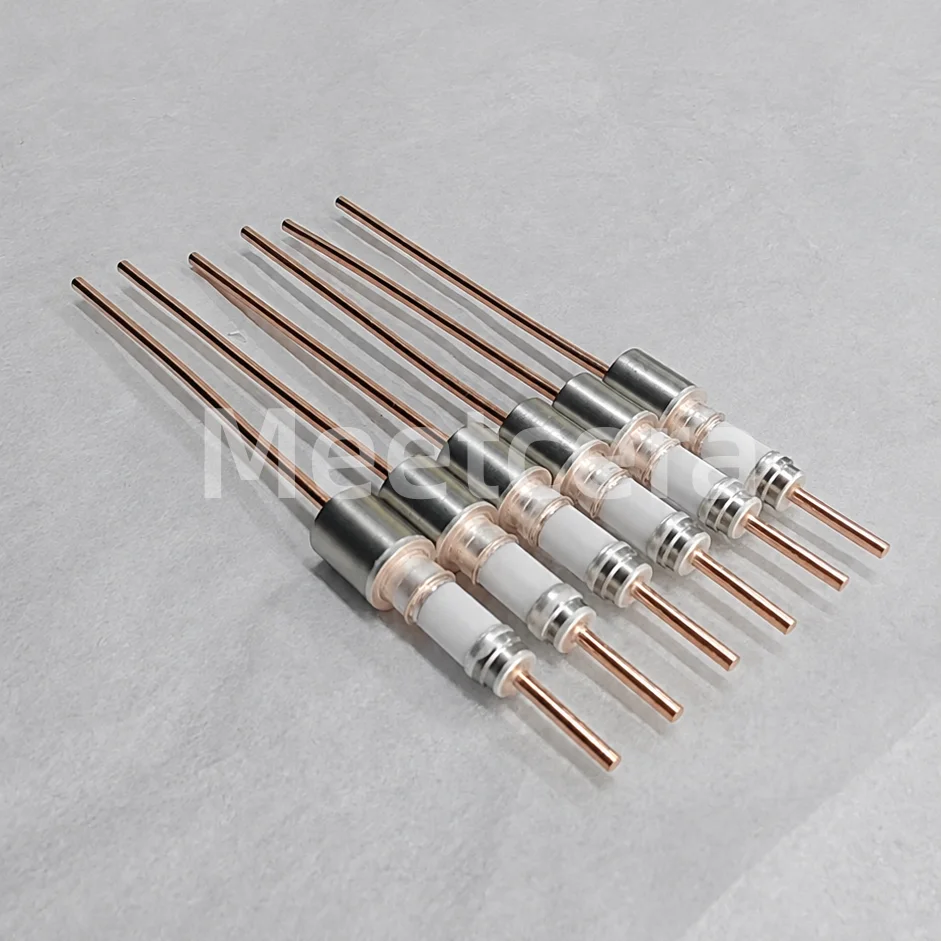
Ceramic-Metal Brazed X-Ray Tube Components
X-ray tube assemblies require reliable electrical insulation, vacuum integrity, and dimensional stability under demanding operating conditions. Defects at the ceramic-metal interface can contribute to leakage, electrical breakdown, or premature assembly failure.
Alumina Ceramic for Electrical Insulation
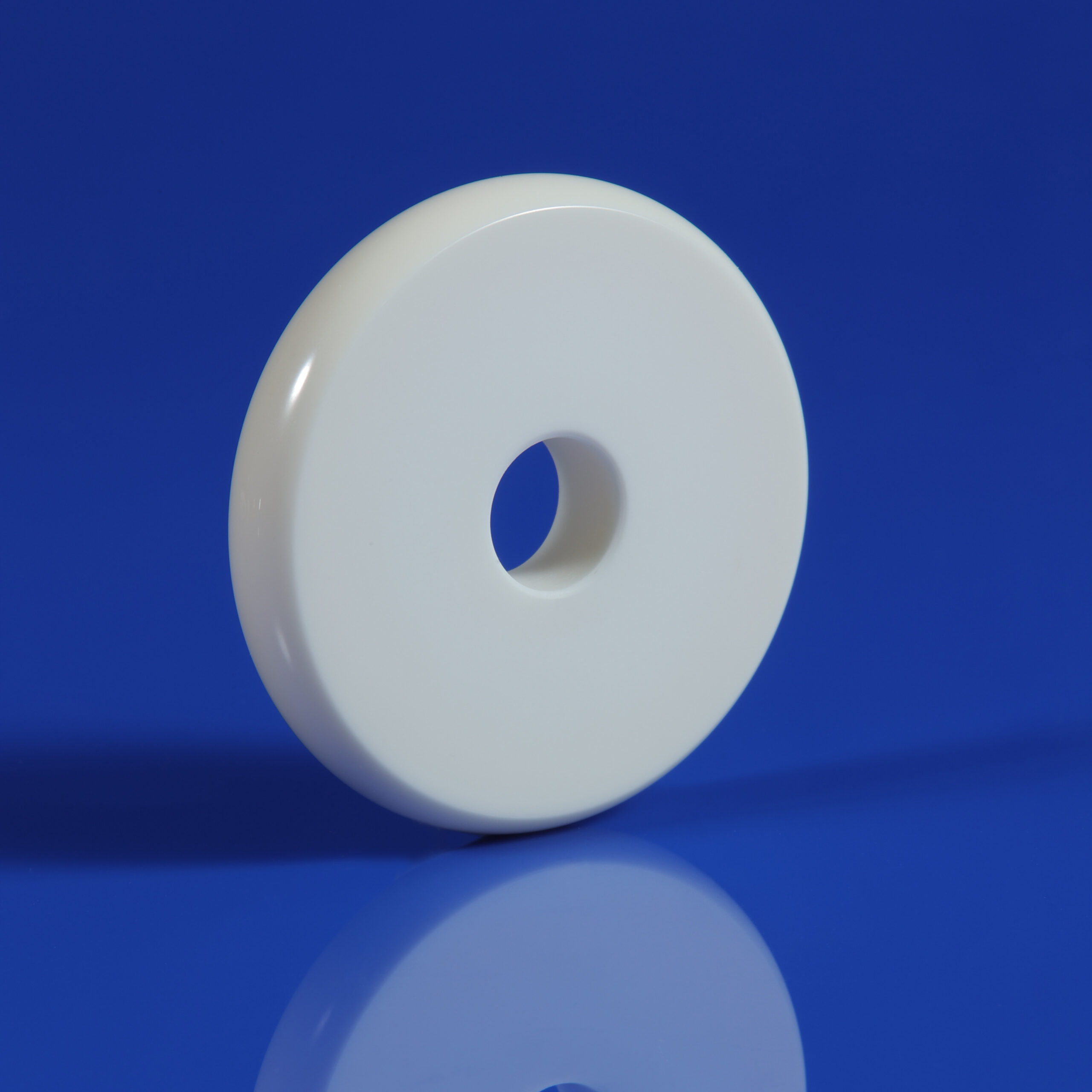
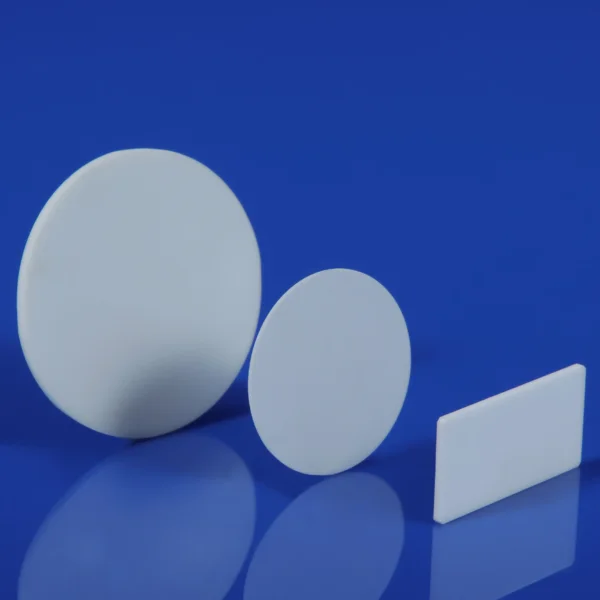
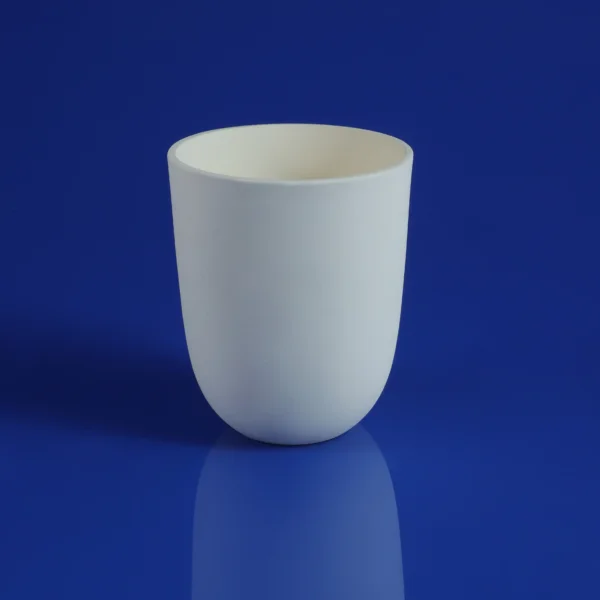
High-purity alumina ceramic is commonly used in X-ray tube assemblies because of its dielectric properties, mechanical strength, and thermal stability. Ceramic grade, wall thickness, geometry, and surface condition should be selected according to the electrical and mechanical requirements of the tube.
Controlled Metallization and Brazing
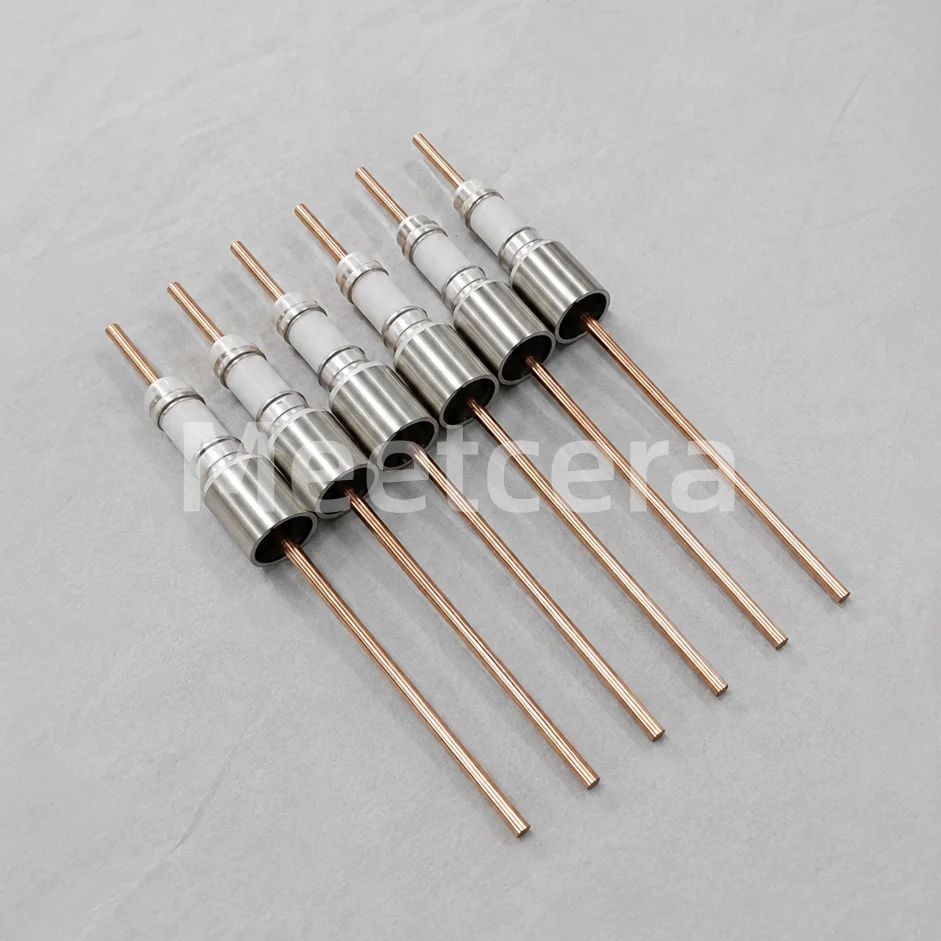
Ceramic and metal components generally require a compatible joining process rather than conventional fusion welding. A metallization system, such as molybdenum-manganese where appropriate, can prepare the ceramic surface for subsequent brazing. Proper process control helps establish a reliable interface between the ceramic and metal components.
Meetcera’s ceramic metallization capabilities support the preparation of ceramic components for metal joining. The final metallization system and brazing alloy should be selected according to the ceramic composition, metal materials, and service conditions.
Thermal Management and Precision Assembly
X-ray tube assemblies must account for heat generation, component alignment, and differences in thermal expansion between ceramics and metals. Conductor geometry, ceramic dimensions, metal selection, and brazing conditions should therefore be evaluated as a complete assembly.
A carefully selected ceramic-to-metal brazing process helps engineers assess joint design, material compatibility, and manufacturing considerations.
Typical Applications
-
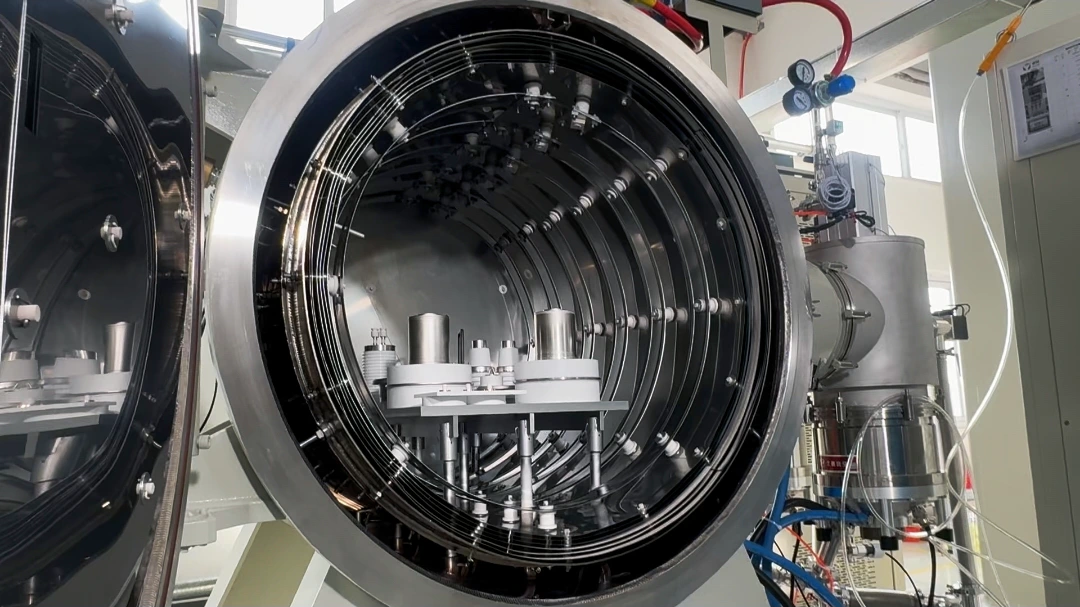
Medical and industrial X-ray equipment
-
Computed tomography and digital radiography systems
-
Industrial non-destructive testing equipment
-
X-ray inspection and analytical instruments
-
Specialized vacuum electronic equipment
Request a Custom X-Ray Tube Component Review
Share your assembly drawing, voltage requirements, ceramic dimensions, metal materials, sealing requirements, and thermal conditions. Meetcera can discuss ceramic-metal brazing feasibility and prototype requirements for your design.
Explore our ceramic brazing components to learn more about joining solutions for technical ceramic assemblies.