
High-Voltage Vacuum Feedthroughs
In high-voltage vacuum equipment, inadequate insulation or a defective sealing interface can cause electrical breakdown, vacuum loss, and unplanned equipment downtime. The feedthrough must be designed to meet both electrical and vacuum requirements under the intended operating conditions.
Designed for High-Voltage Vacuum Environments
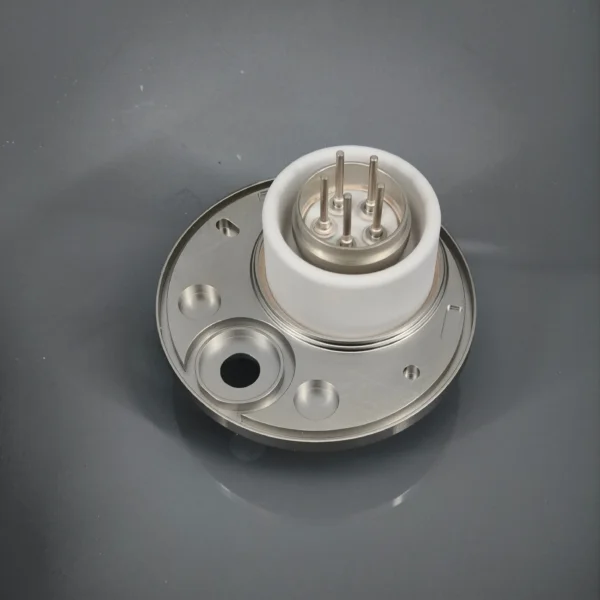
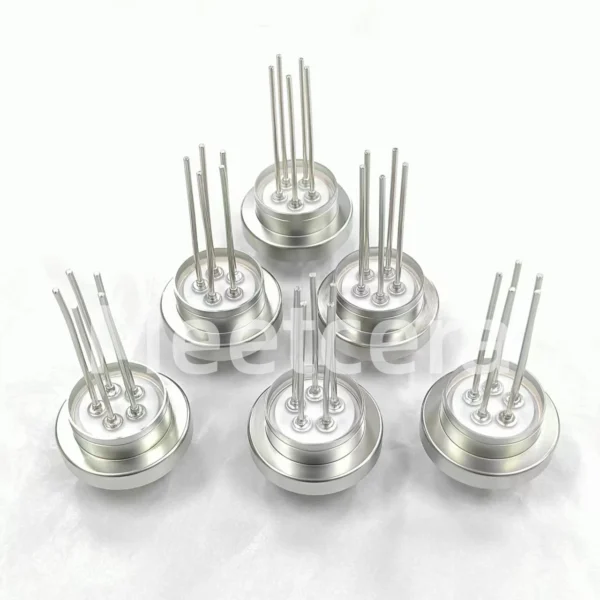
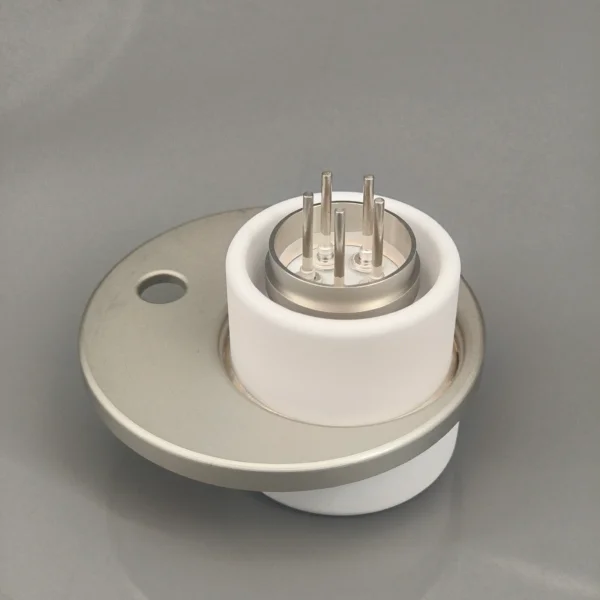
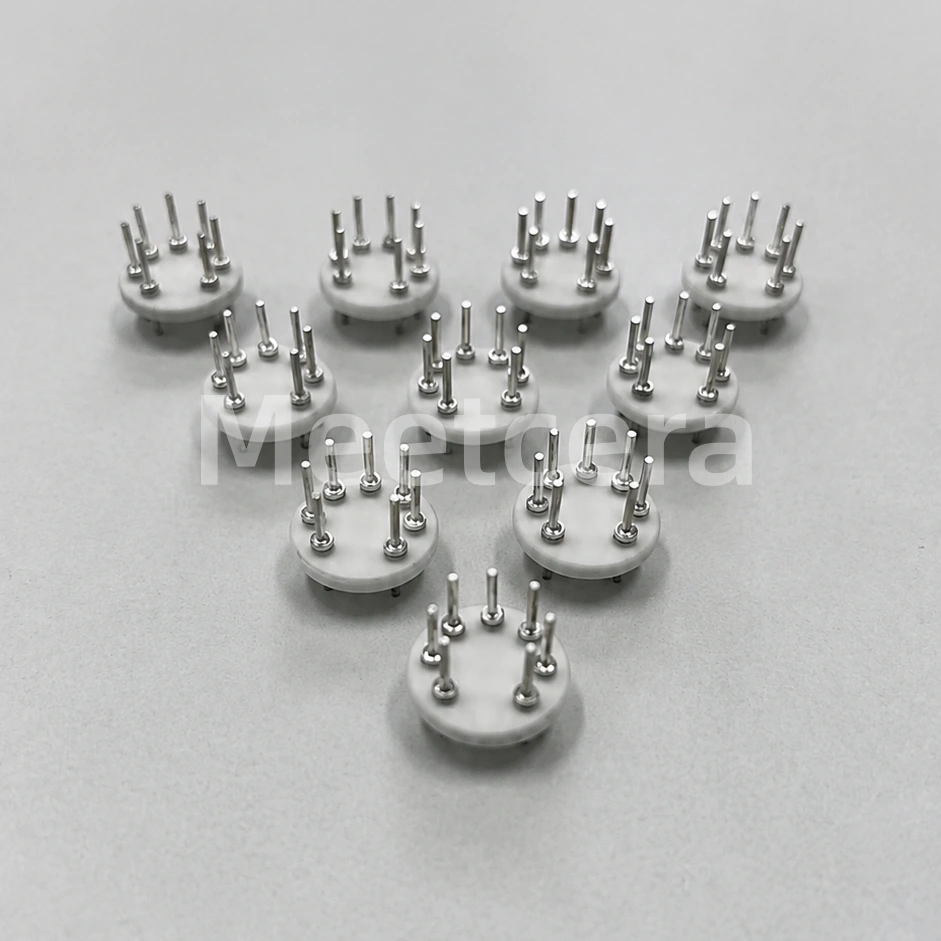
A ceramic-to-metal vacuum feedthrough combines an insulating ceramic body with conductive pins and a metal mounting interface. Alumina ceramic helps provide dielectric isolation, while a properly engineered brazed joint supports vacuum sealing.
For applications requiring a permanent ceramic-metal interface, ceramic-to-metal brazing is an important manufacturing consideration.

Application-Specific Electrical Design
Voltage rating, rated current, conductor diameter, pin spacing, ceramic geometry, and mounting configuration all affect performance. The selected design should account for operating voltage, transient conditions, surface discharge risk, temperature, and the pressure environment.
For other voltage and current requirements, Meetcera’s custom vacuum feedthrough solutions can be evaluated against the actual electrical and mechanical requirements.
Typical Applications
-
Semiconductor plasma processing equipment
-
Vacuum coating and deposition systems
-
Electron microscopy and laboratory equipment
-
X-ray systems and high-voltage vacuum devices
-
Scientific instruments requiring sealed electrical connections

Request a Technical Review
Provide your operating voltage, current, vacuum level, flange type, conductor dimensions, and test requirements. Meetcera can help evaluate the design and determine which performance criteria must be verified before production.
Our ceramic metallization capabilities can also be considered when defining the ceramic-metal joining process.