Alumina Ceramic-to-Metal Brazing
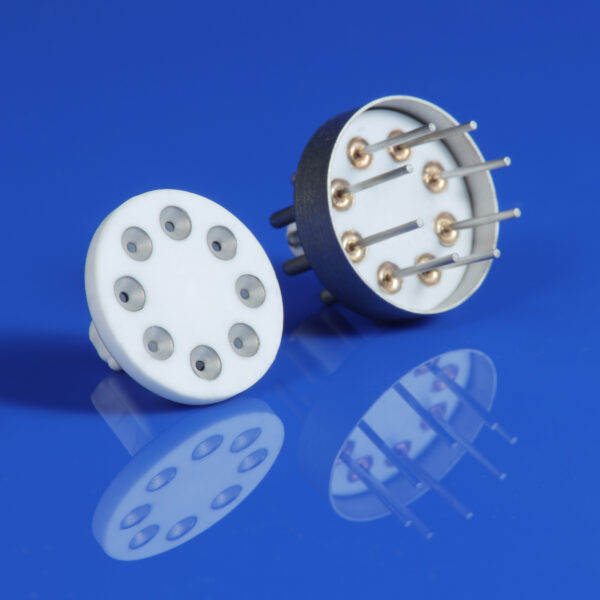
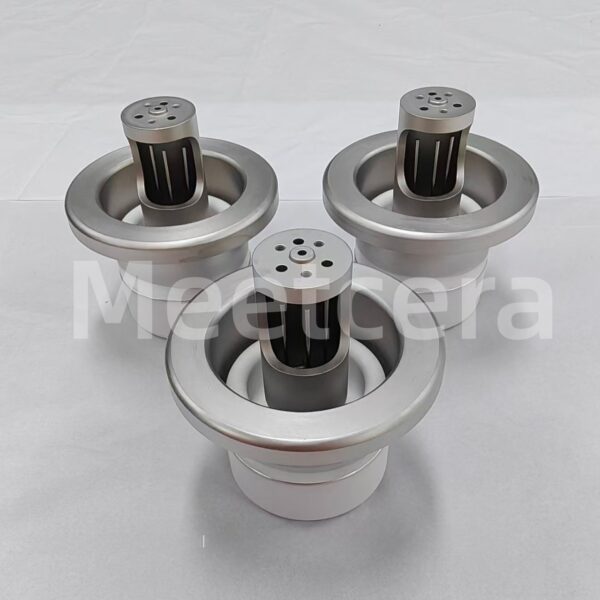
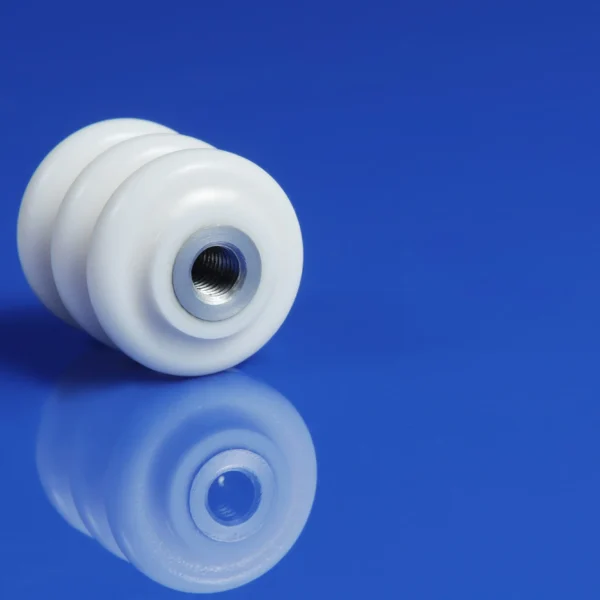
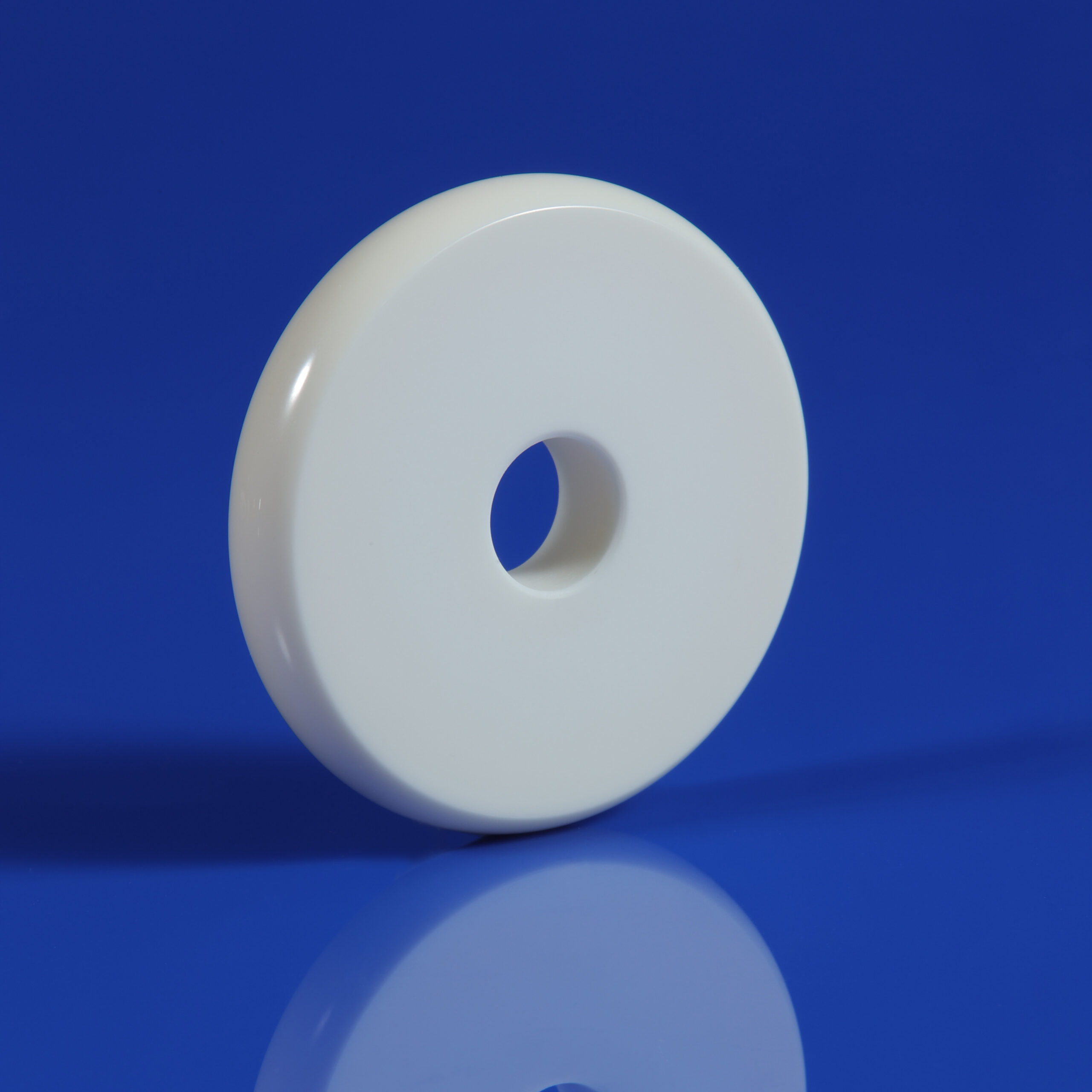
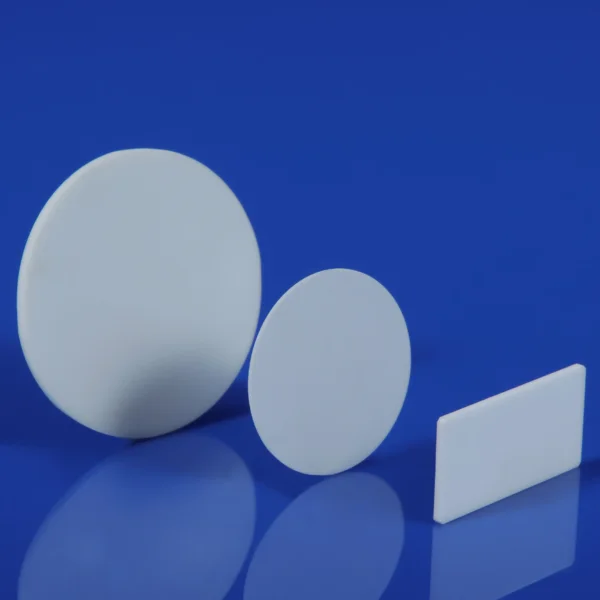
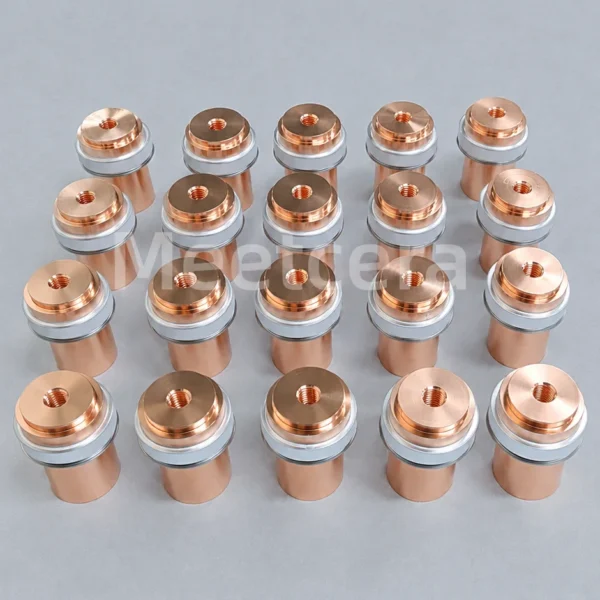
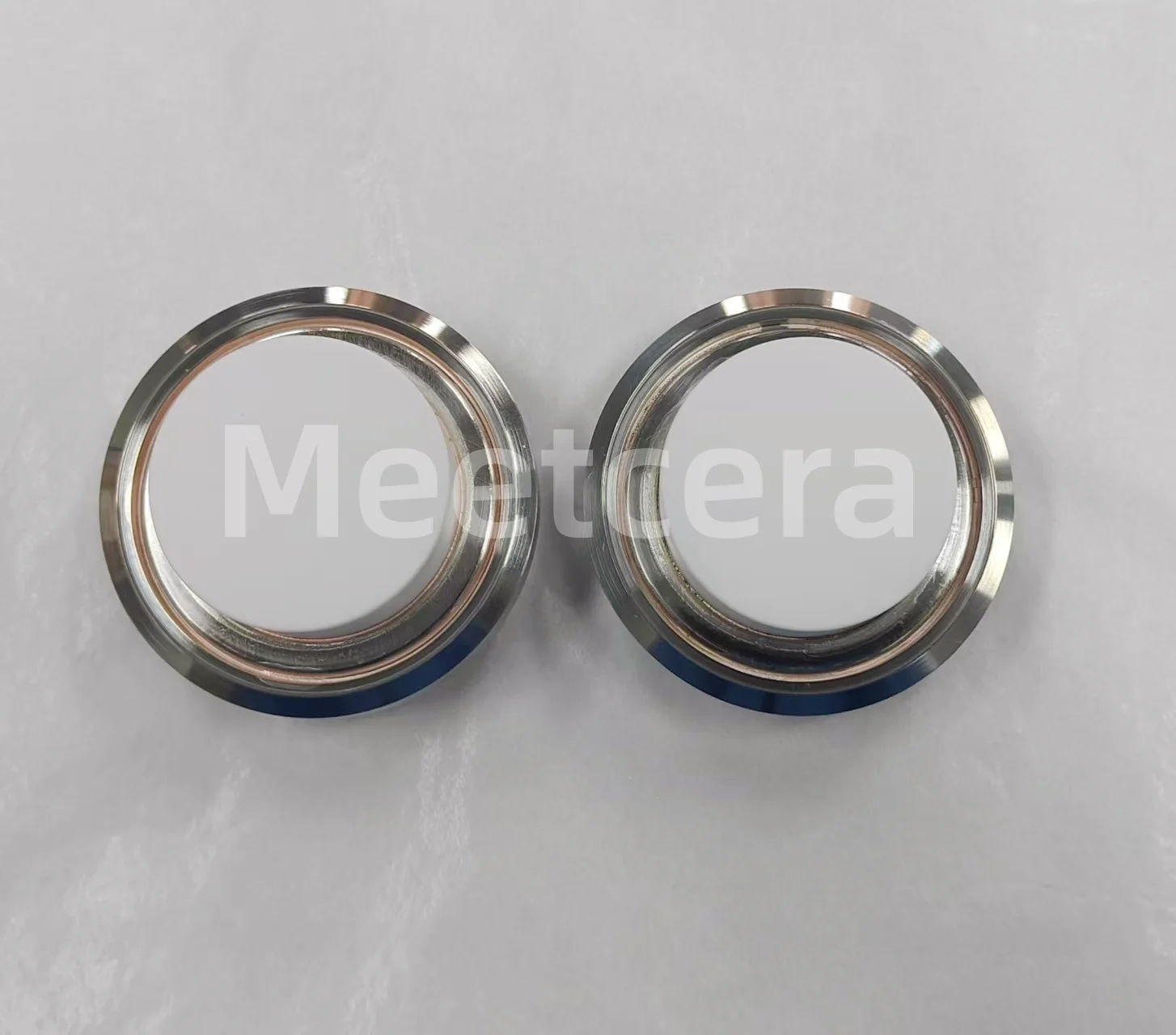
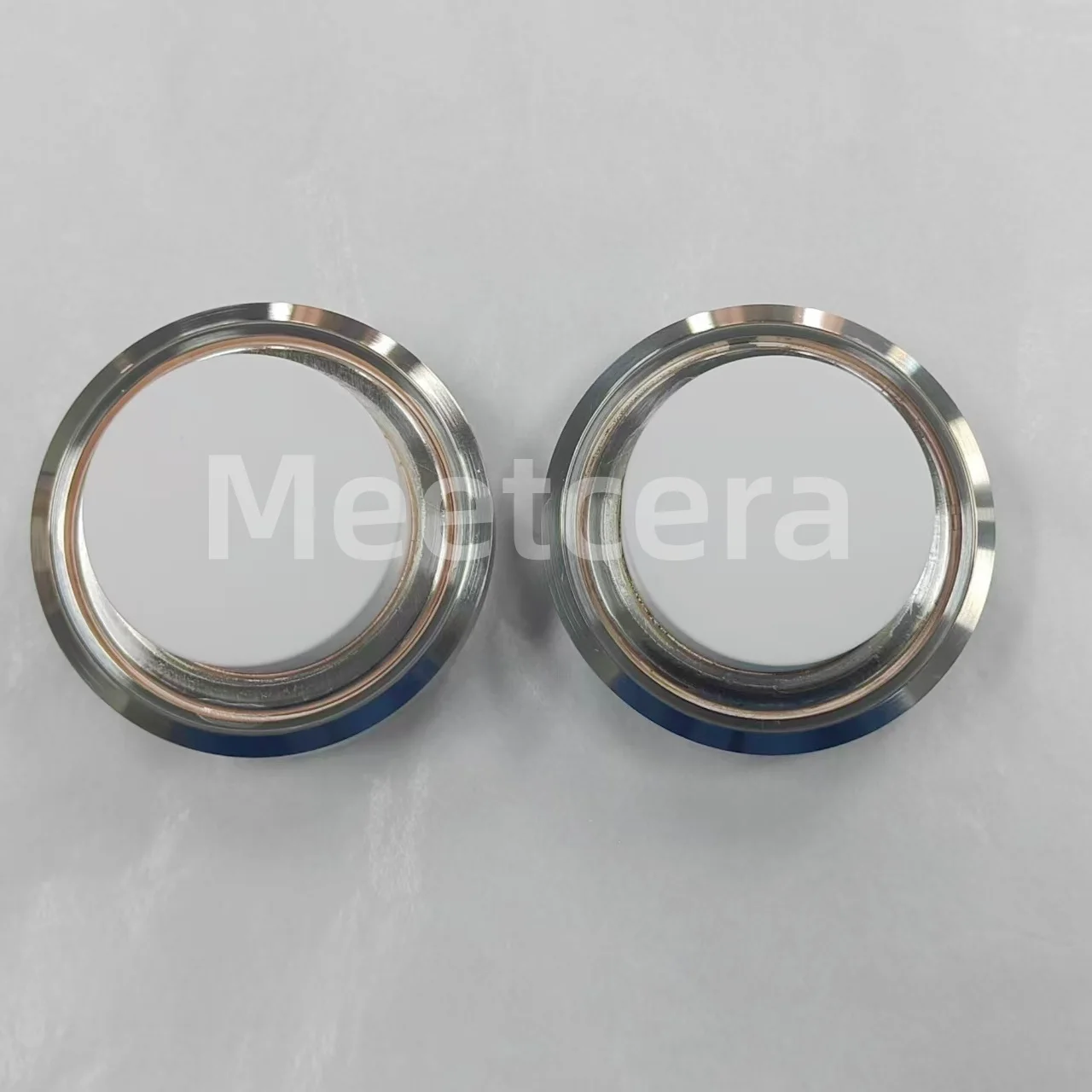
Alumina ceramic-to-metal brazing combines the excellent insulation and temperature resistance of alumina with the mechanical and electrical functions of metal components. It is widely used where stable insulation and airtight ceramic-metal joining are required.
Key Features
- 95%–99% alumina options
- Excellent electrical insulation
- High-temperature stability
- Reliable hermetic sealing
- Suitable for precision ceramic assemblies
Materials
Common combinations include alumina with stainless steel, Kovar, copper, molybdenum, and other compatible metals.
Brazing Process
For high-reliability applications, the ceramic surface can first be metallized using a Mo-Mn metallization layer followed by nickel plating. The metallized ceramic is then brazed to the metal component under controlled furnace conditions.
Applications
Ideal for vacuum feedthroughs, high-voltage insulators, electronic packaging, X-ray tubes, semiconductor equipment, and other electrical insulation assemblies.
If you are unsure which alumina grade or metal combination is suitable, send us your operating temperature, voltage, vacuum level, and drawing for evaluation.