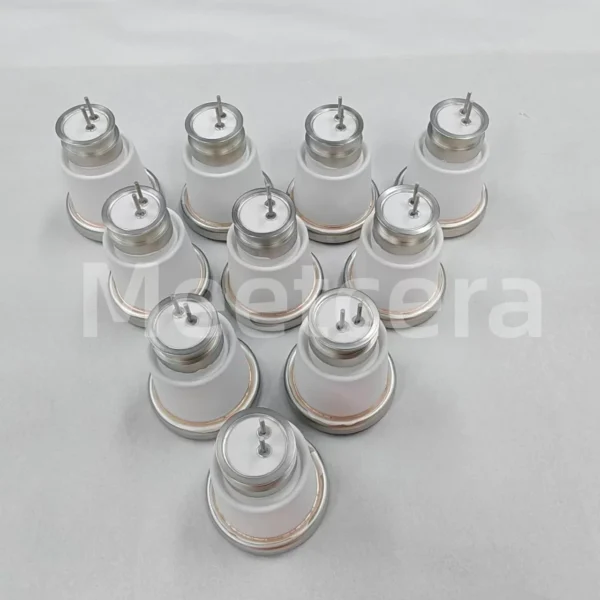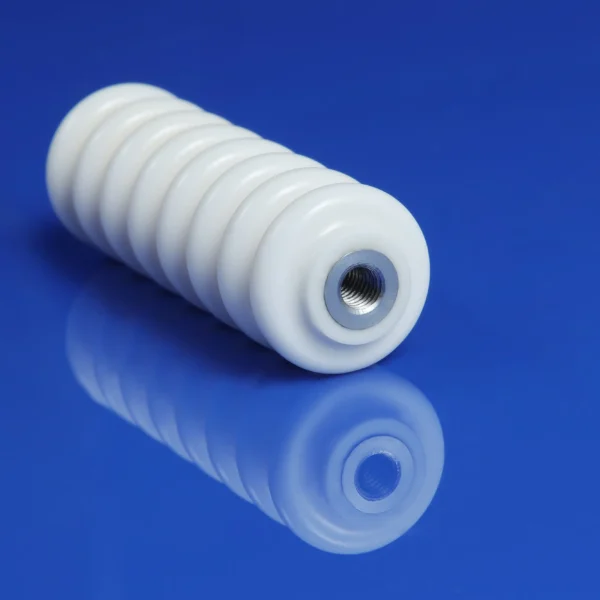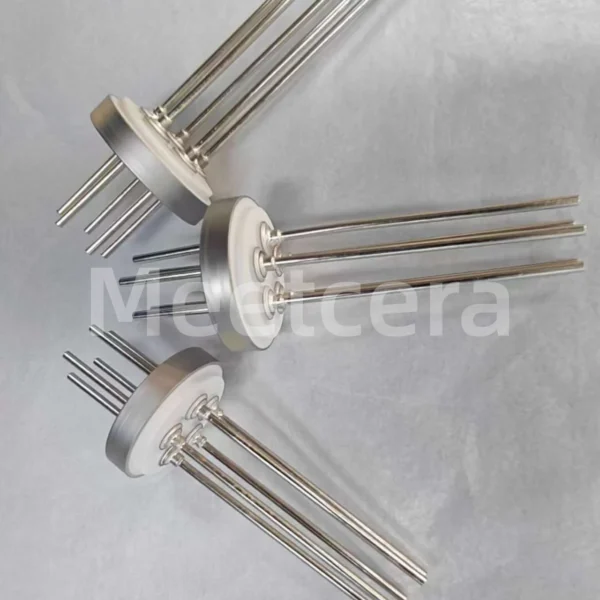
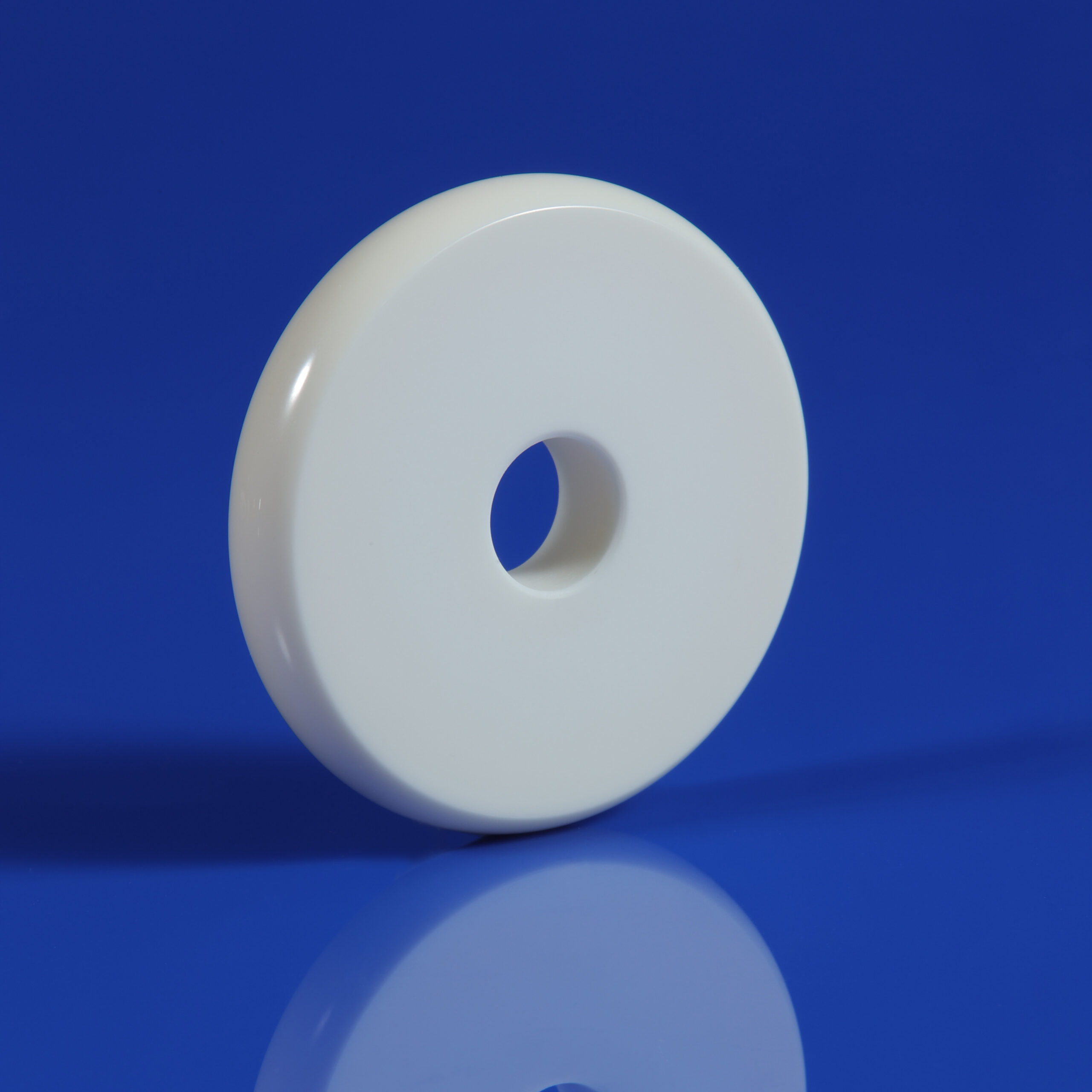
High-Temperature Ceramic Brazing Parts
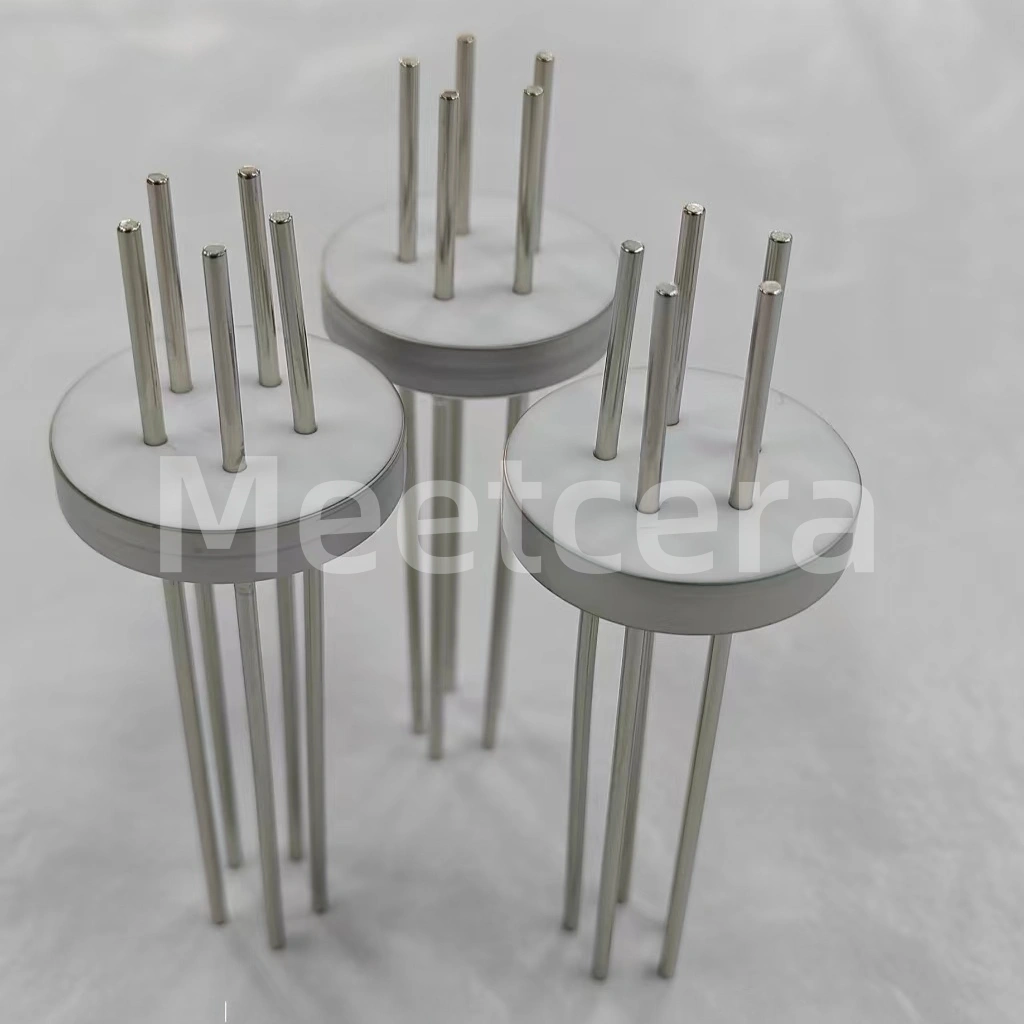
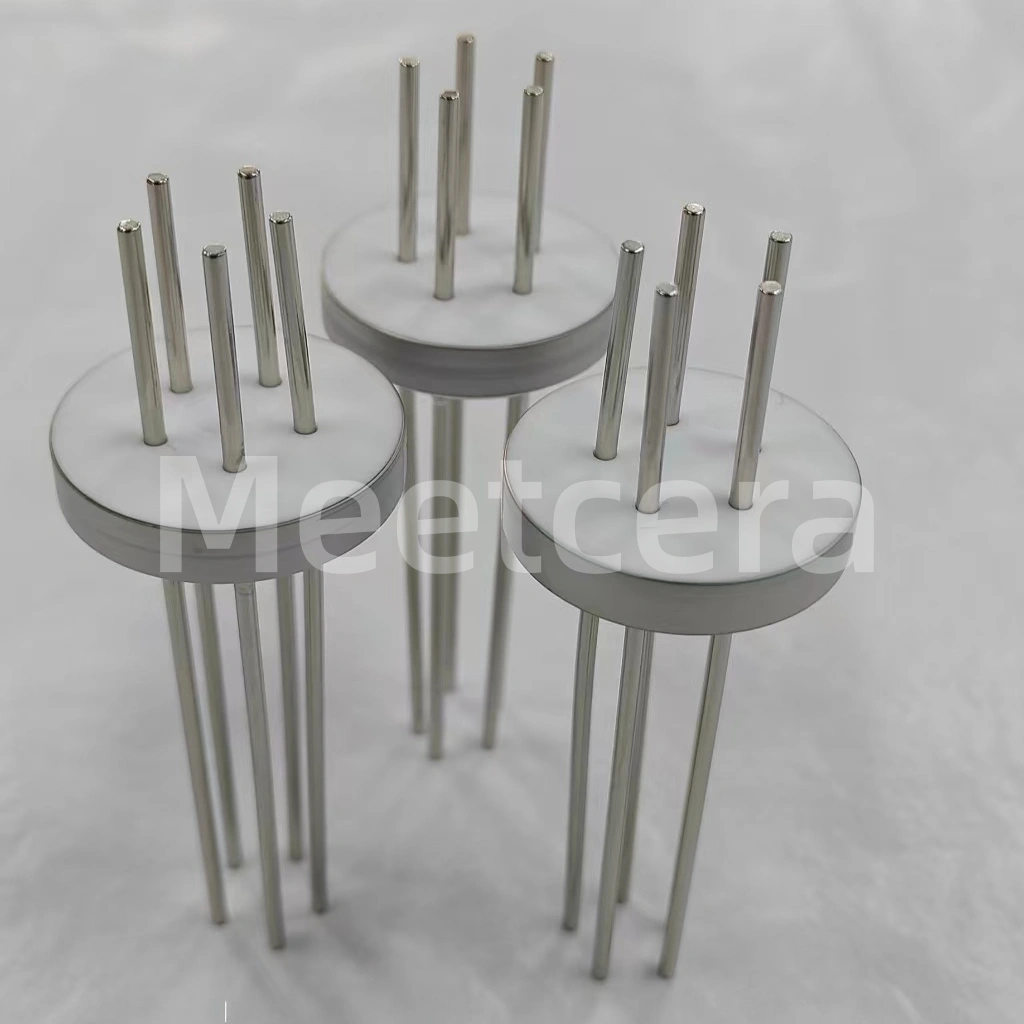
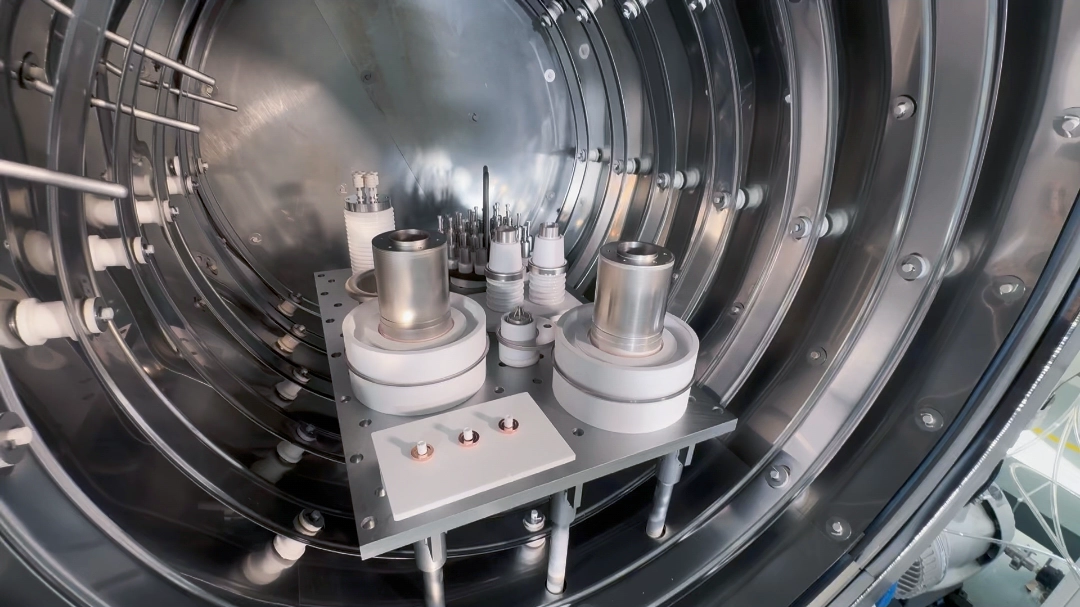
High-temperature ceramic brazing parts are designed for applications where ceramic-to-metal joints must maintain mechanical integrity, electrical insulation, and sealing performance under elevated temperatures. Meetcera manufactures customized brazed ceramic components for vacuum equipment, high-voltage systems, semiconductor equipment, X-ray tubes, and industrial thermal applications.
The ceramic grade, metal alloy, brazing filler, and joint geometry are selected according to the operating temperature, thermal cycling conditions, mechanical loads, and sealing requirements of each application.
Key Features of High-Temperature Ceramic Brazing Parts
- High-temperature joining: Controlled brazing processes for application-specific thermal requirements.
- Technical ceramic options: Alumina and selected advanced ceramics, depending on the application.
- Compatible metal components: Kovar, stainless steel, copper, and selected metal alloys.
- Reliable ceramic-metal interfaces: Appropriate metallization or active brazing based on material compatibility.
- Custom manufacturing: Components produced according to technical drawings, samples, and dimensional specifications.
- Quality verification: Dimensional inspection, interface evaluation, and optional helium leak testing for hermetic assemblies.
Materials and Brazing Process
Reliable high-temperature ceramic brazing requires careful control of material compatibility, surface preparation, filler alloy selection, furnace atmosphere, and cooling conditions. The selected process must account for the thermal expansion differences between ceramic and metal to reduce residual stress and joint failure.
For conventional brazing, Mo-Mn metallization followed by nickel plating can provide a suitable bonding surface for compatible ceramic-metal combinations. Active metal brazing may be appropriate for selected ceramics that require direct joining without conventional metallization.
Related technical resource: Learn more about our ceramic-to-metal brazing capabilities.
Typical Applications
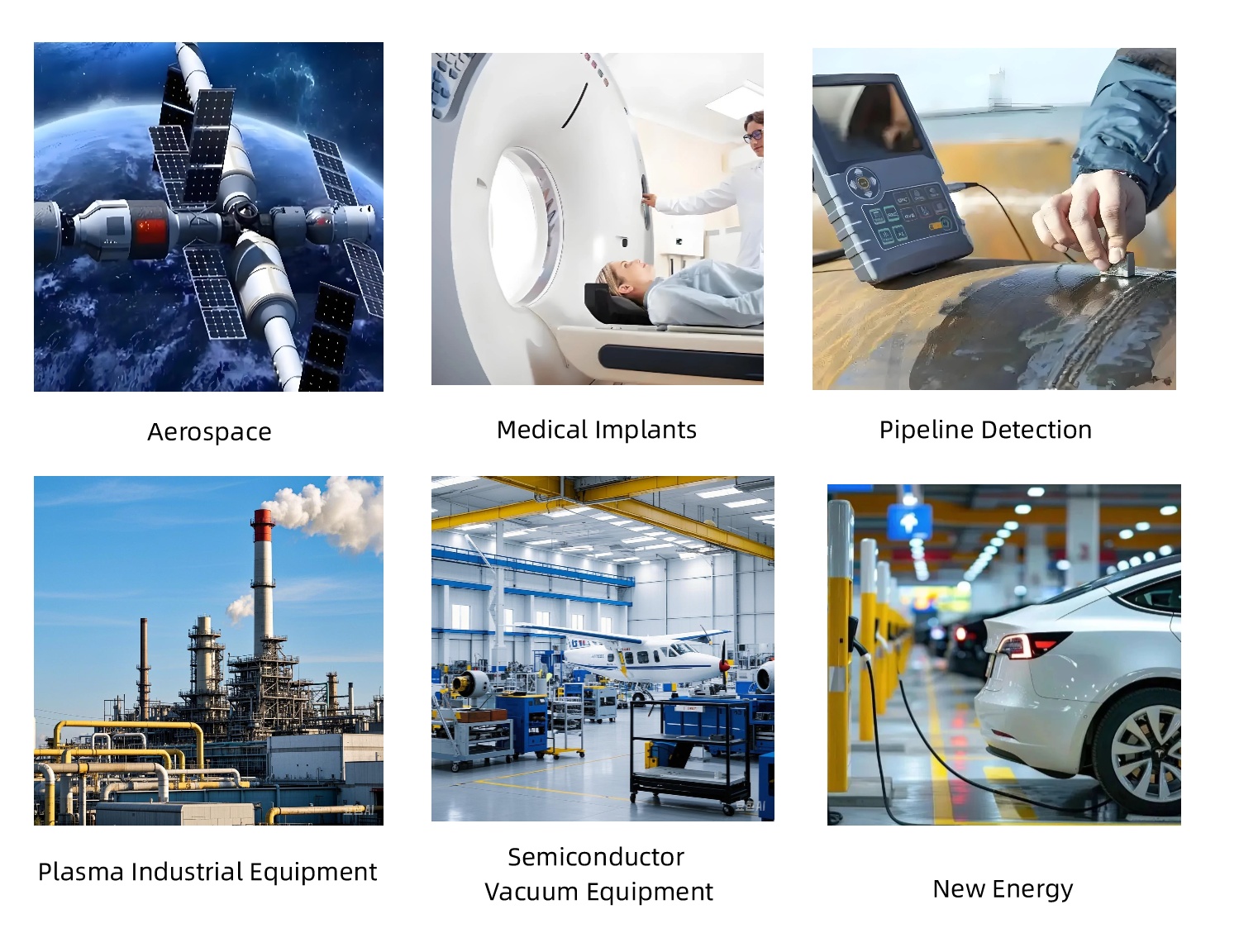
High-temperature ceramic brazing parts are used in:
- Vacuum and high-vacuum equipment
- High-voltage electrical systems
- X-ray tube assemblies
- Semiconductor manufacturing equipment
- Power electronics
- Industrial heating and sensing systems
- Scientific instruments and specialty equipment
Customization and Quality Control
Every high-temperature application has different thermal, mechanical, and electrical requirements. Meetcera can review your ceramic grade, metal alloy, operating temperature, thermal cycling profile, joint dimensions, and leak-rate specification before recommending a manufacturing route.
For projects involving repeated heating and cooling, see our guide to preventing CTE mismatch in metallized ceramic assemblies.
Send us your drawings, samples, or technical requirements for an initial engineering review.
Frequently Asked Questions
What temperature can ceramic brazing withstand?
The maximum service temperature depends on the ceramic, metal alloy, brazing filler, joint design, and operating environment. The brazing process temperature is not the same as the maximum continuous service temperature.
Which ceramics are suitable for high-temperature brazing?
Alumina is widely used, while aluminum nitride, silicon nitride, and other technical ceramics may be suitable for specific joining processes. Material compatibility must be evaluated for each design.
How can high-temperature ceramic brazed joints be made more reliable?
Select compatible ceramic and metal materials, optimize joint geometry and clearance, control the heating and cooling profile, and verify the finished assembly through appropriate inspection and testing.