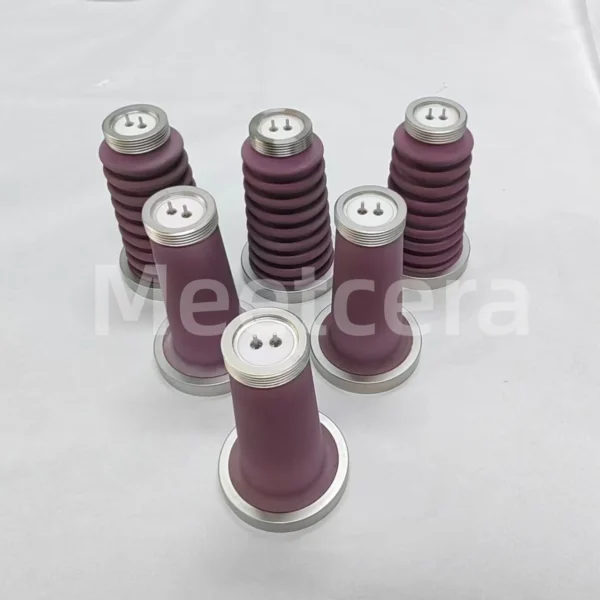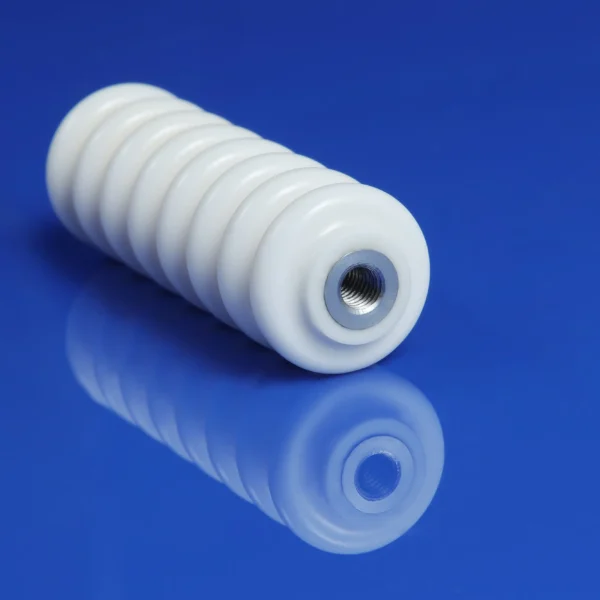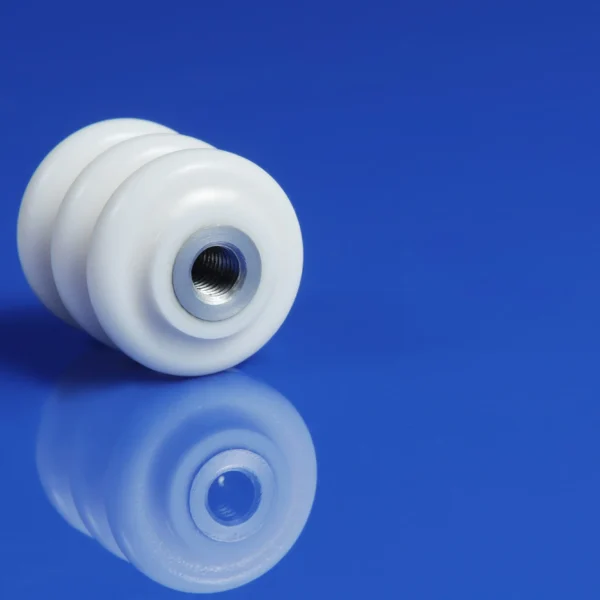
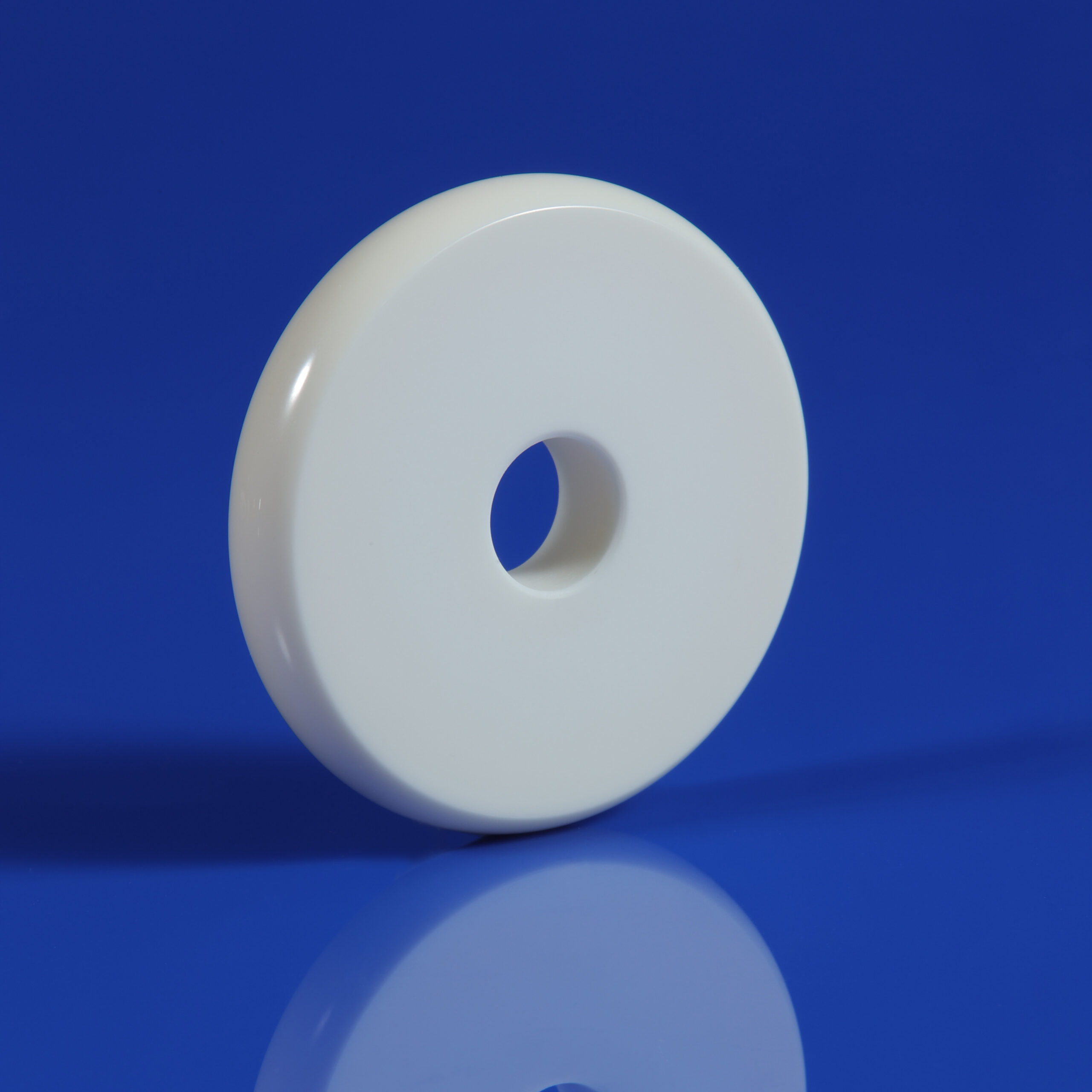
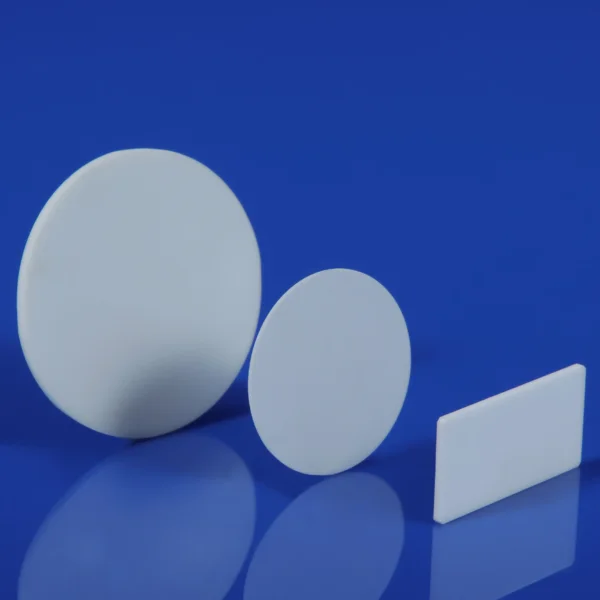
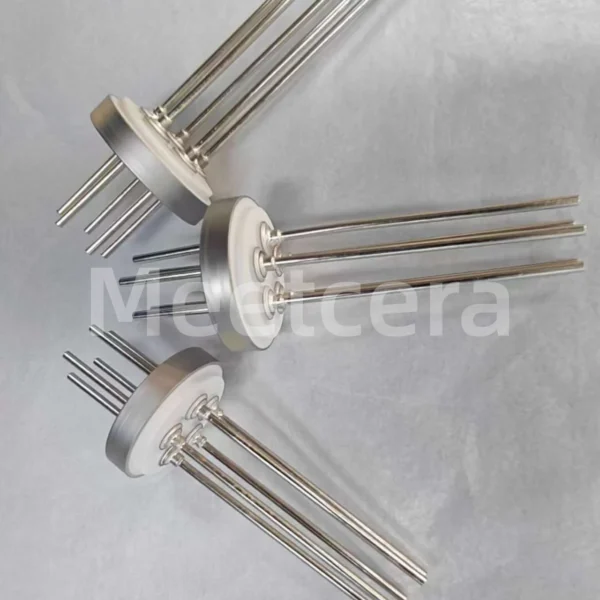
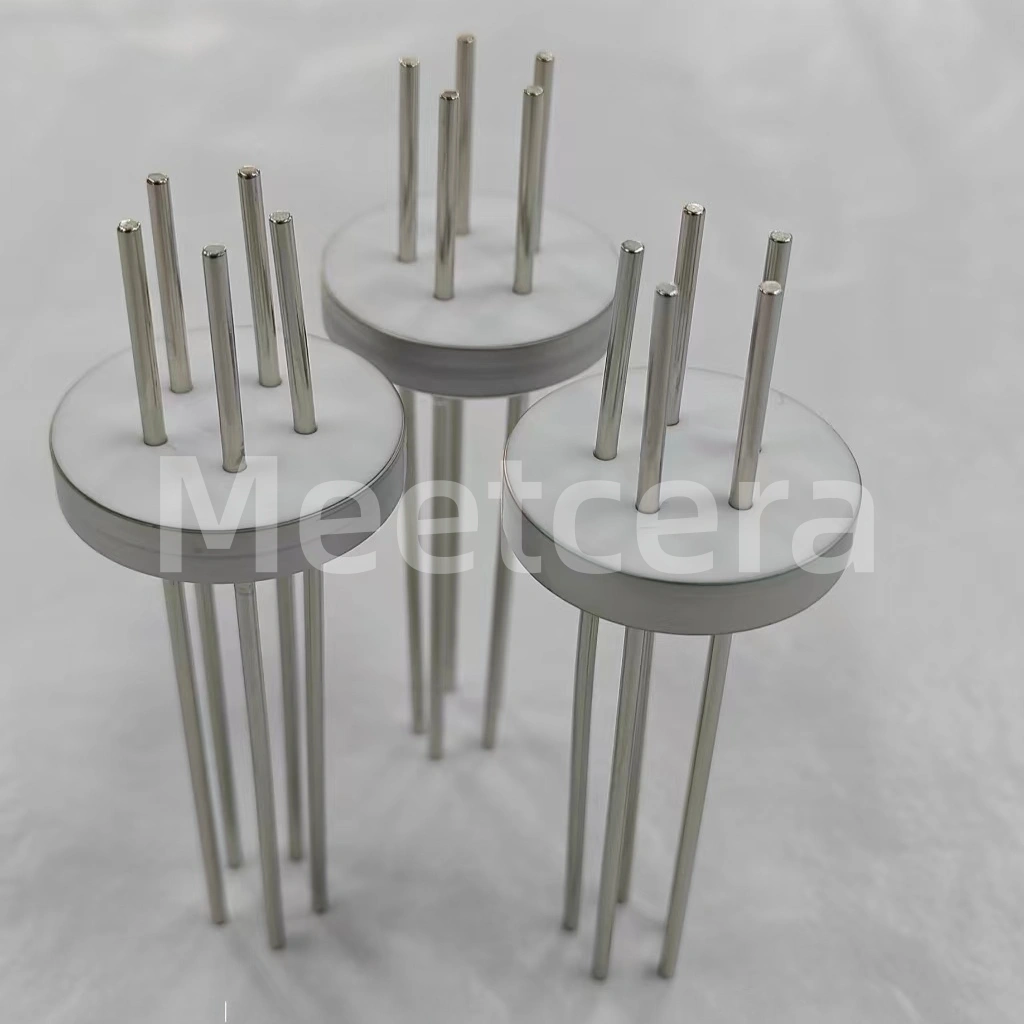
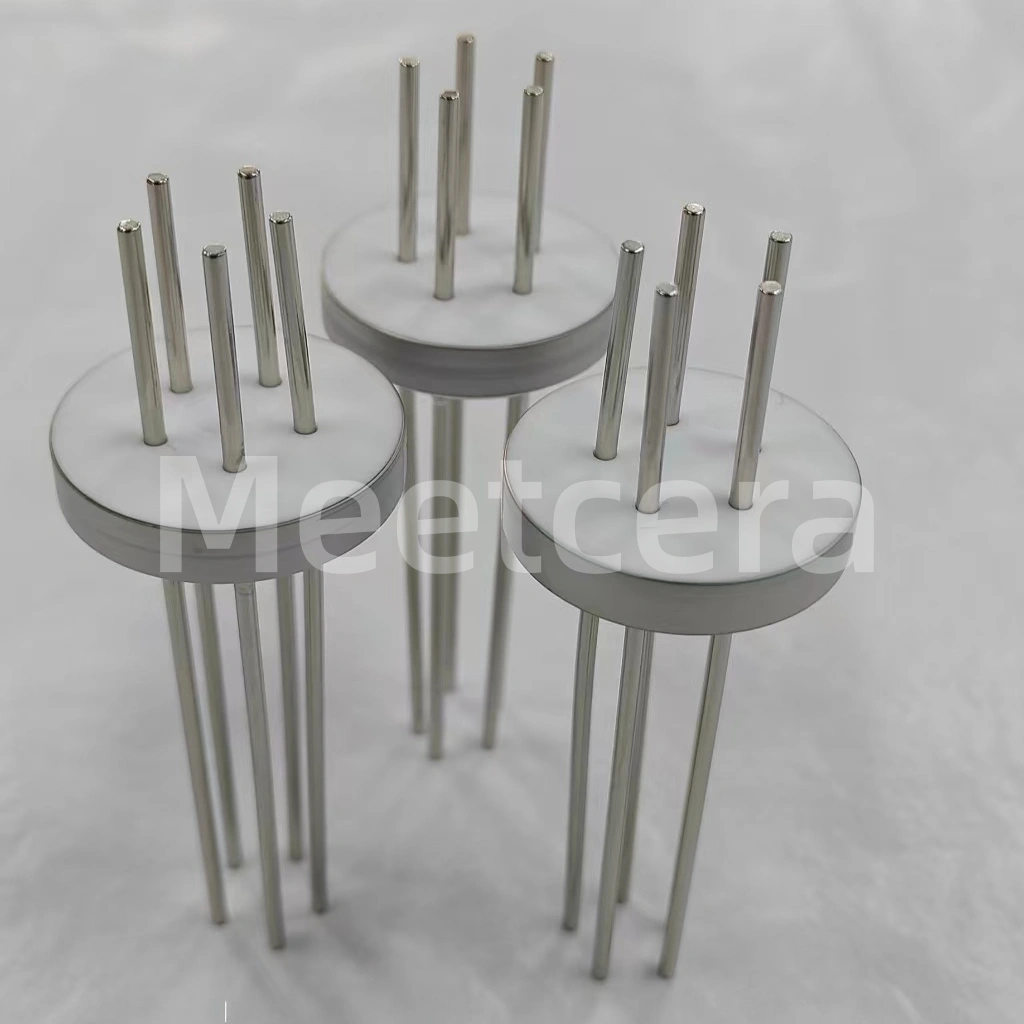
High-Temperature Ceramic Brazing Parts
High-temperature ceramic brazing parts are developed for assemblies exposed to elevated temperatures, thermal cycling, or demanding industrial environments. Proper material matching and brazing process control help reduce joint cracking, delamination, and premature leakage.
Key Features
- High-temperature resistance
- Thermal-cycle stability
- Strong ceramic-metal bonding
- Controlled residual stress
- Custom joint geometry
Materials
Depending on operating conditions, alumina, stainless steel, Kovar, nickel alloys, molybdenum, and other materials may be considered.
Engineering Considerations
The coefficient of thermal expansion is a critical design factor. Joint geometry, intermediate layers, filler selection, brazing temperature, and cooling conditions must work together to control thermal stress.
Applications
Suitable for aerospace equipment, semiconductor systems, vacuum devices, power electronics, sensors, and high-temperature industrial equipment.
If your assembly operates above 500°C or experiences repeated thermal cycling, provide the temperature profile so the ceramic-metal joint can be evaluated before brazing.