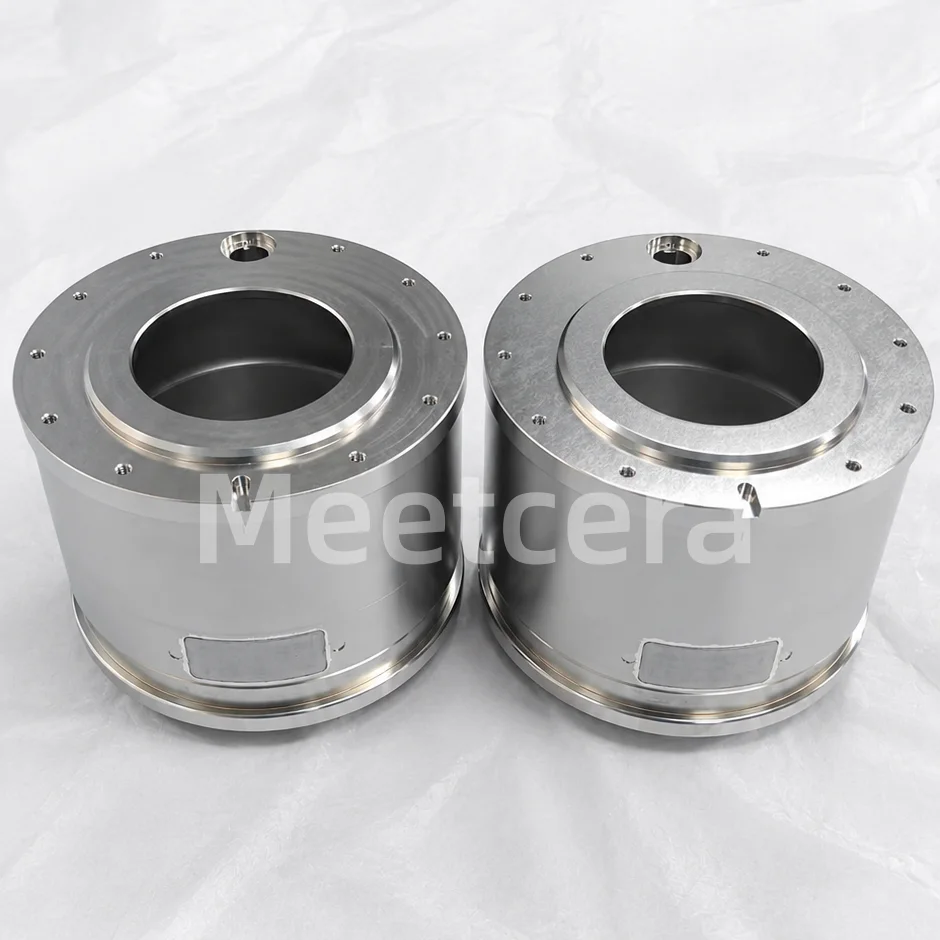
Ceramic Brazing to Stainless Steel
Brazing alumina ceramic to stainless steel requires careful control of material compatibility, joint clearance, filler alloy, brazing temperature, and cooling conditions. Without proper CTE matching and joint design, thermal stress can lead to ceramic cracking, weak interfaces, or loss of hermeticity.
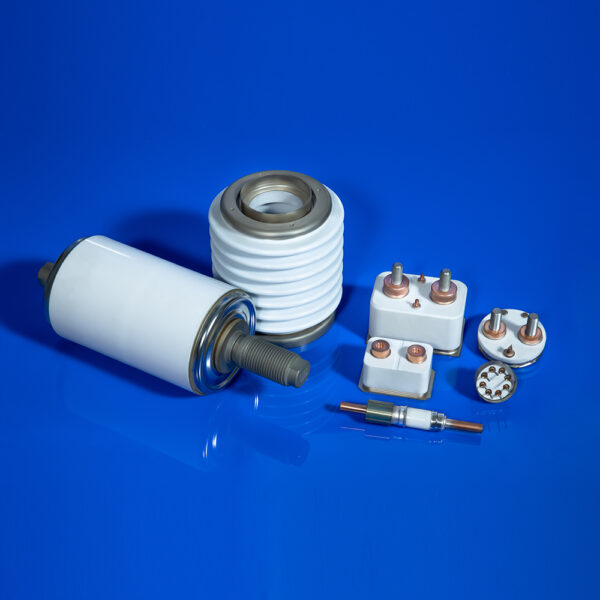
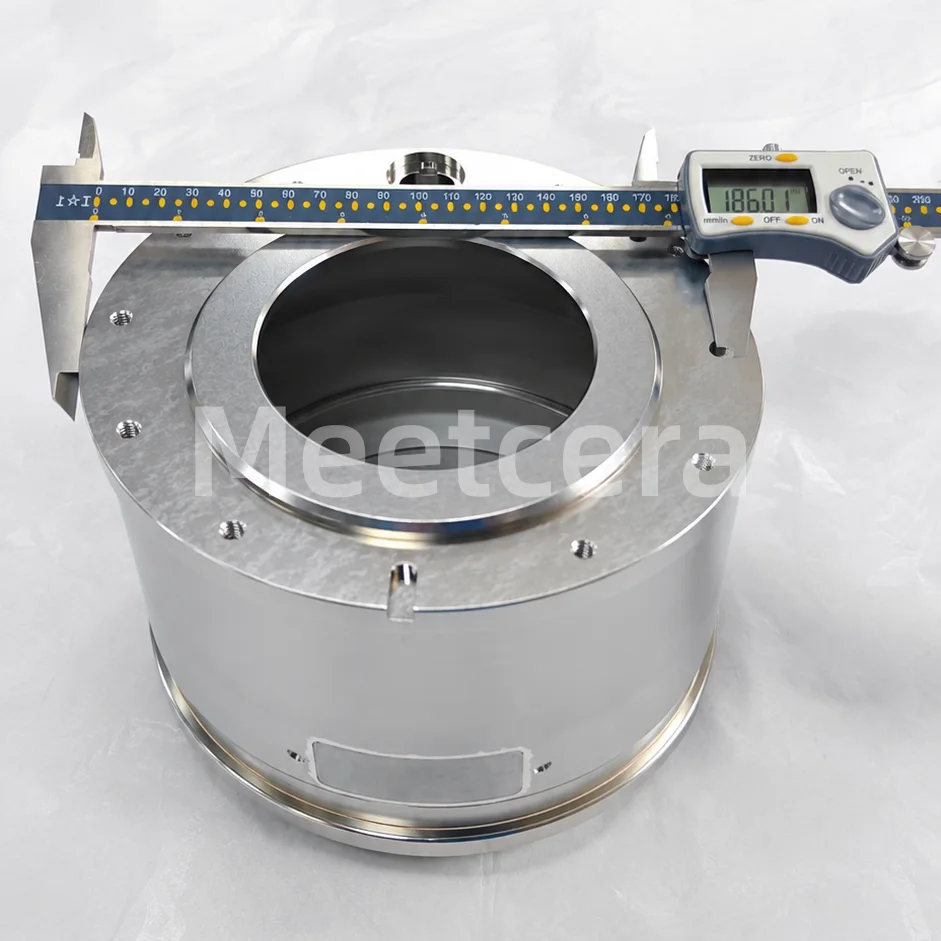
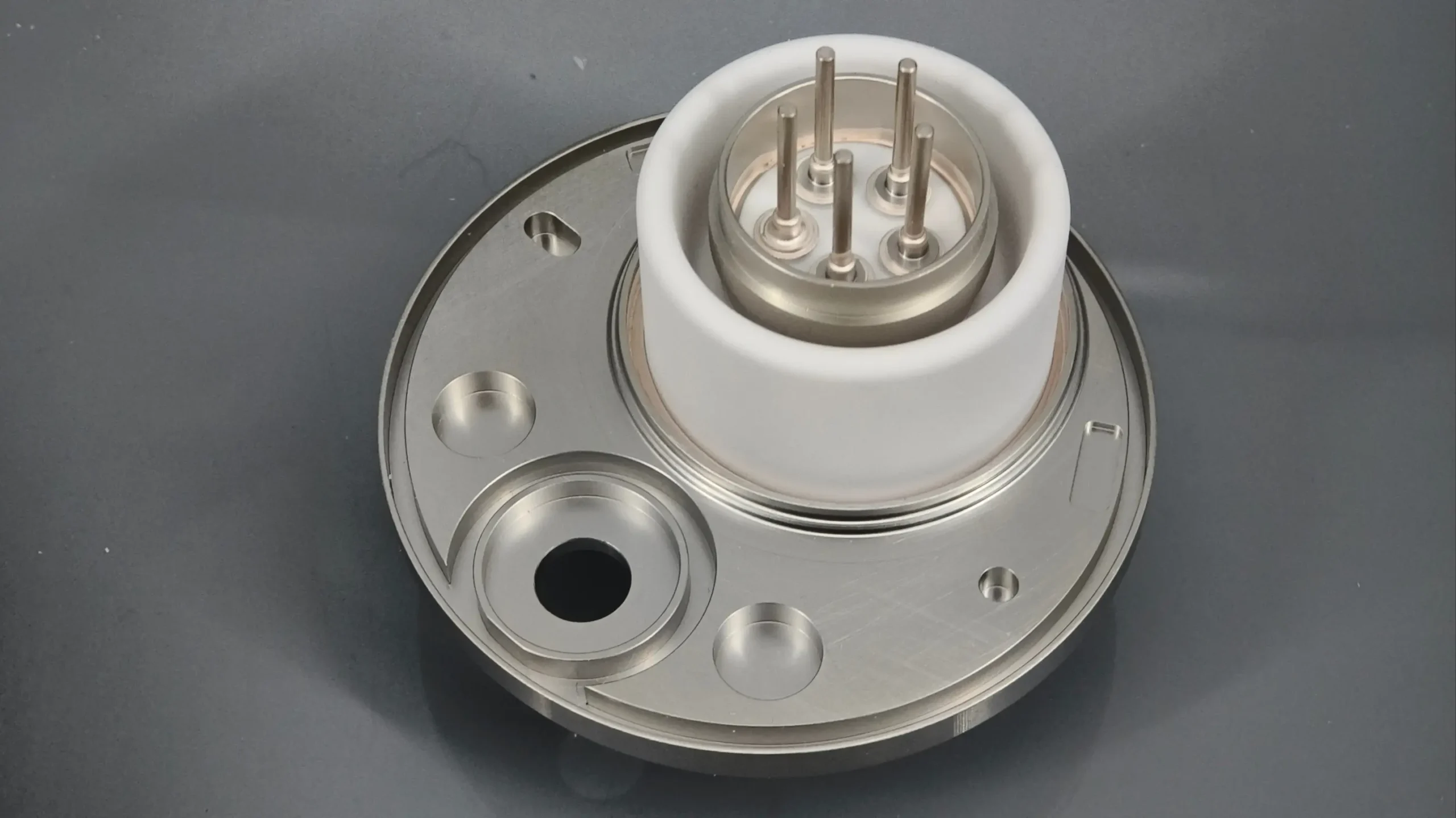
Meetcera manufactures ceramic-to-stainless-steel brazed assemblies for applications that require electrical insulation, mechanical strength, corrosion resistance, and reliable sealing.
Key Features
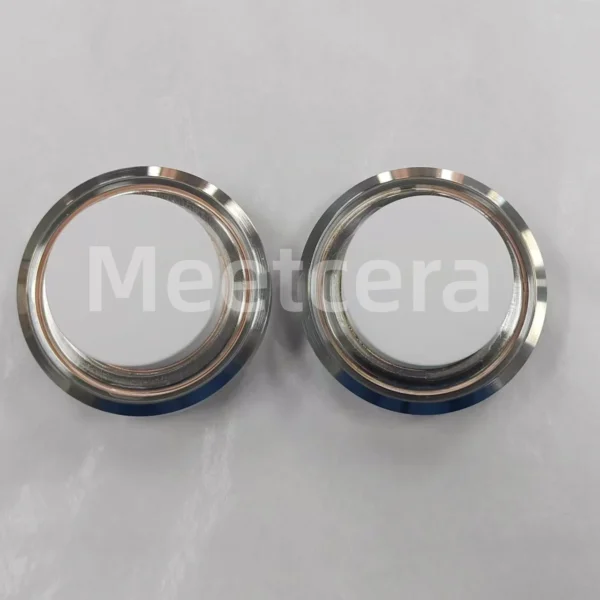
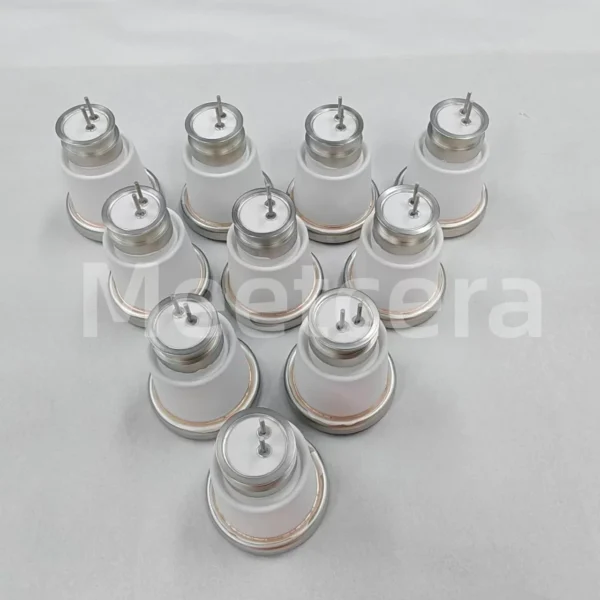
- Alumina ceramic joined to stainless steel
- Customized ceramic and stainless-steel configurations
- Mo-Mn metallization + nickel plating for conventional brazing
- Selected active brazing solutions when appropriate
- Controlled brazing temperature and atmosphere
- Optimized joint clearance and geometry
- Dimensional and interface inspection
- Optional helium leak testing for hermetic assemblies
Before selecting a brazing route, it is important to understand the material compatibility between alumina and stainless steel. Read our guide on brazing aluminum oxide ceramics to stainless steel.
CTE Matching and Joint Reliability
Alumina and stainless steel have different thermal expansion characteristics. During heating and cooling, this difference can generate residual stress at the ceramic-metal interface.
Material selection, joint geometry, brazing clearance, and controlled cooling are therefore important factors in reducing thermal stress. For a deeper explanation, see our guide to preventing CTE mismatch in metallized ceramic assemblies.
Typical Applications
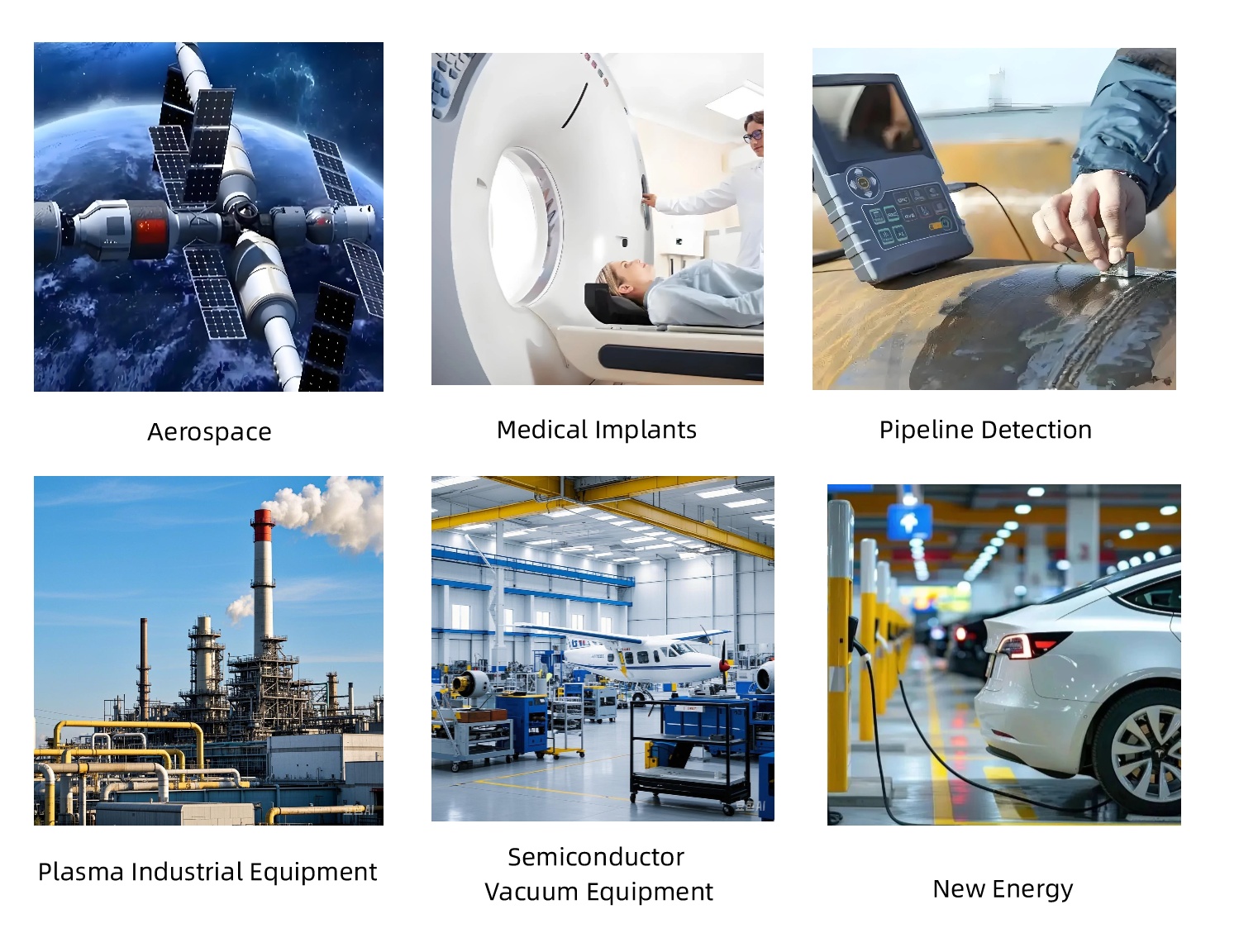
Ceramic-to-stainless-steel brazed components are used in:
- Vacuum equipment
- Electrical feedthroughs
- Semiconductor equipment
- Medical devices
- High-temperature assemblies
- Sensors and instrumentation
- Industrial vacuum systems
- Hermetic electrical packages
Custom Ceramic-to-Stainless-Steel Brazing
We can manufacture components according to customer drawings, samples, or defined material specifications. Our engineering team can evaluate the ceramic grade, stainless-steel alloy, joint geometry, metallization route, filler alloy, and required leak rate.
For applications requiring a complete ceramic-to-metal joining process, see our ceramic-to-metal brazing capability.
Send your drawing or sample to discuss material compatibility and brazing feasibility.