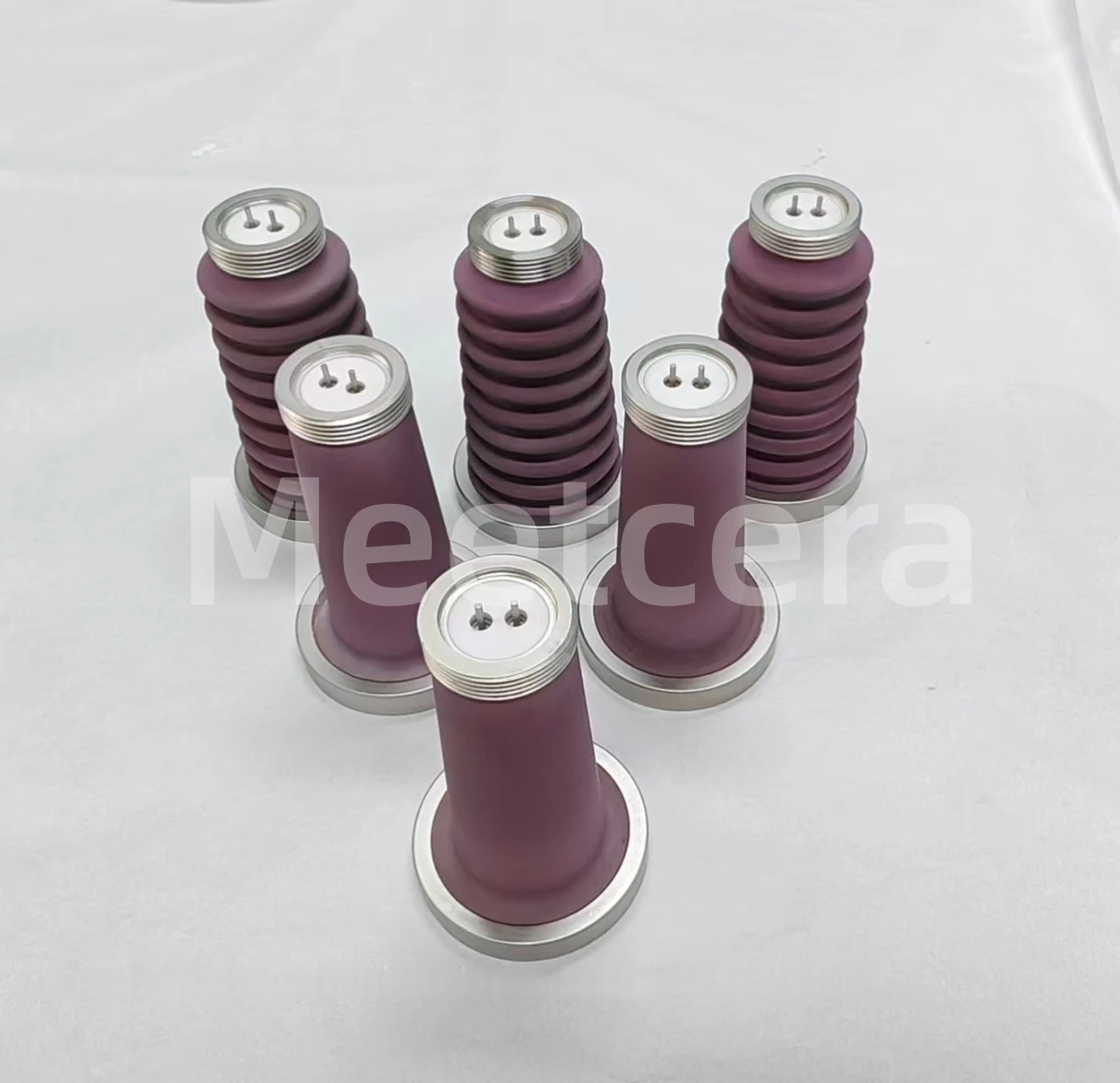
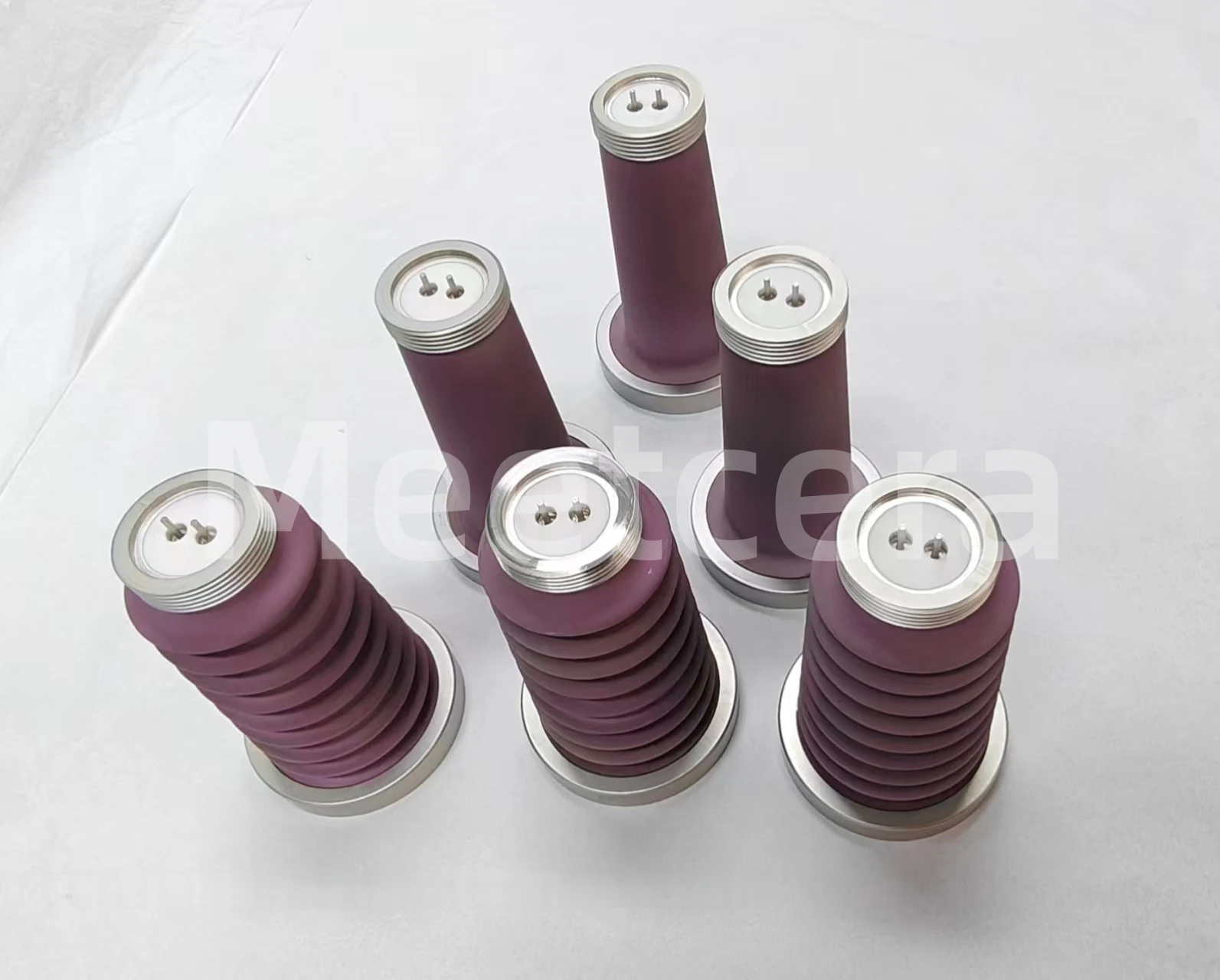
Vacuum Ceramic Brazing Components
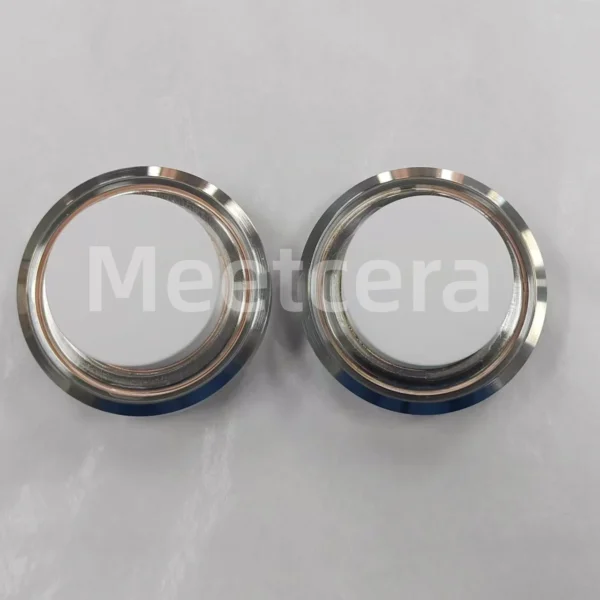
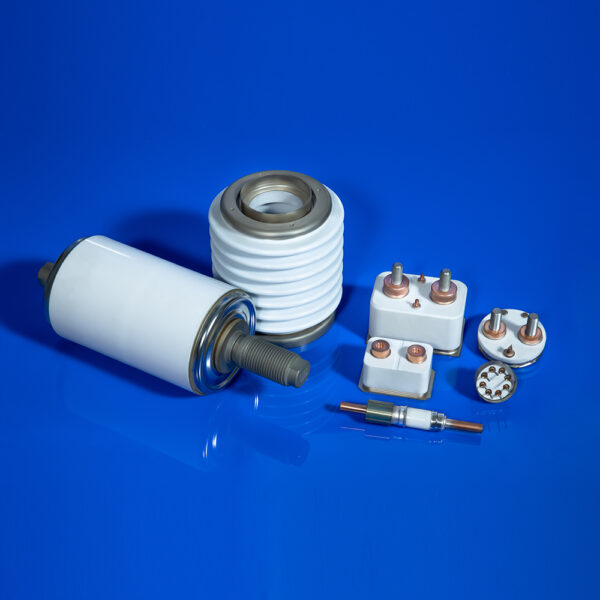
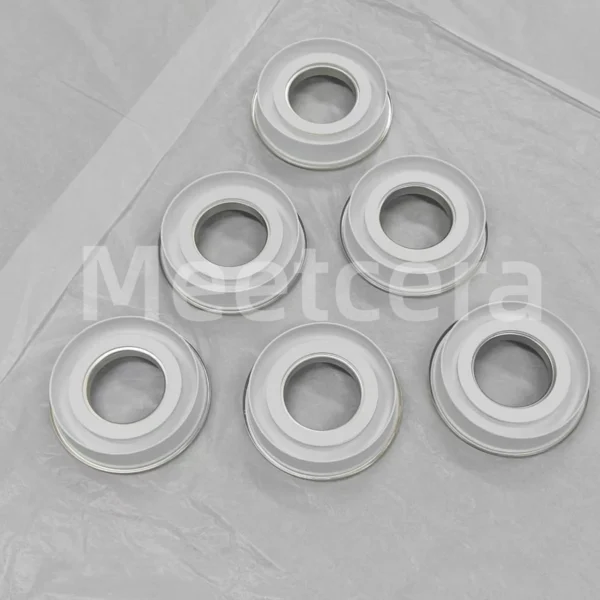
Vacuum ceramic brazing components are designed for systems where electrical insulation, mechanical stability, and hermetic sealing must be maintained under vacuum conditions. Meetcera manufactures ceramic-to-metal brazed assemblies for vacuum equipment, feedthroughs, semiconductor systems, X-ray equipment, and other high-reliability applications.
Our process combines ceramic preparation, metallization when required, metal assembly, controlled brazing, dimensional inspection, and helium leak testing.
Key Features
- Vacuum-compatible ceramic-to-metal brazed assemblies
- 95–99% alumina ceramic options
- Kovar, stainless steel, copper, and selected metal alloys
- Mo-Mn metallization + nickel plating
- Controlled furnace brazing
- Hermetic sealing for vacuum applications
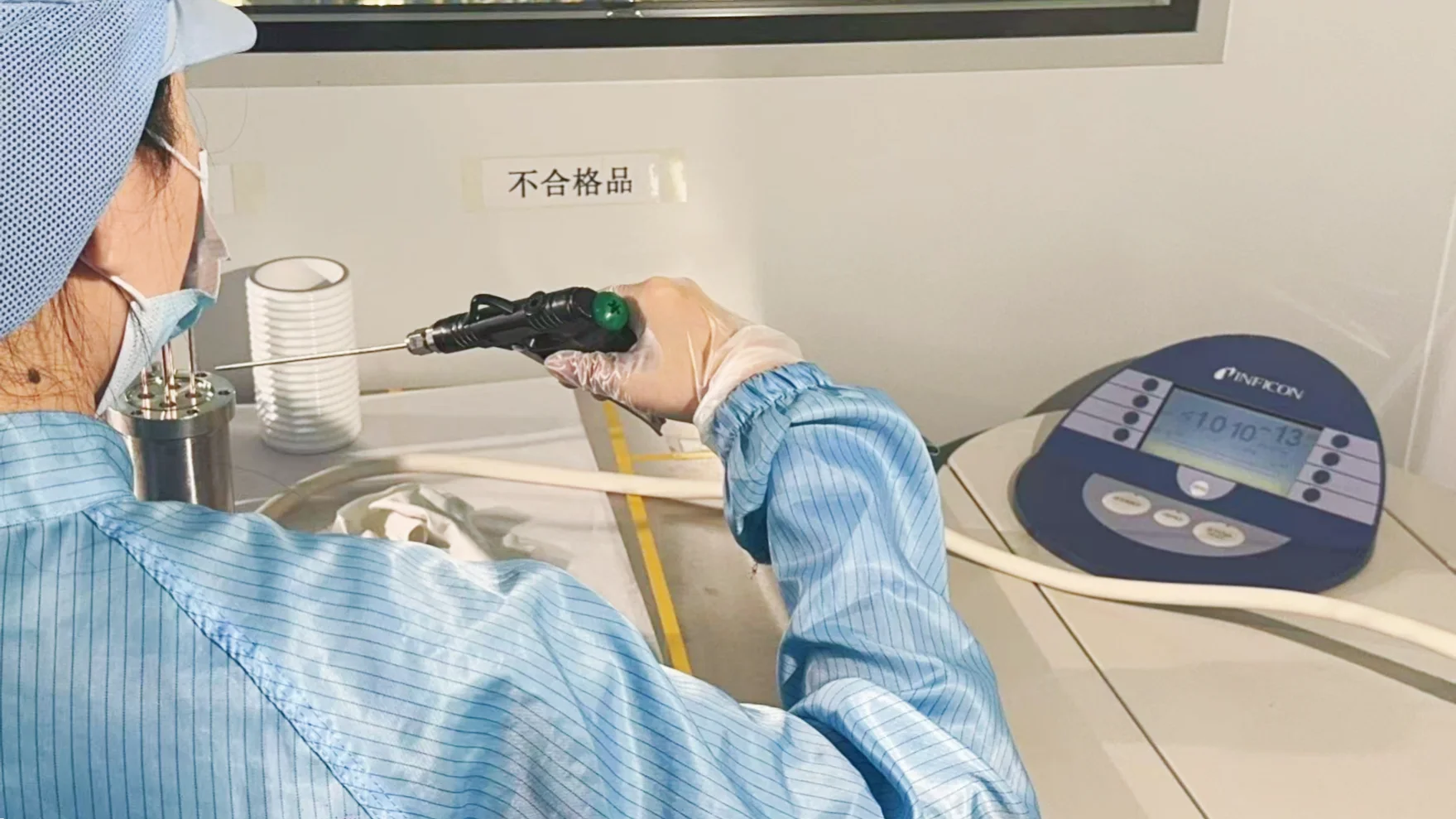
- Helium mass spectrometer leak testing
- Customized feedthrough and assembly configurations
The reliability of a vacuum ceramic assembly depends heavily on the ceramic-metal interface and sealing design. Learn more about ceramic-to-metal seals in vacuum feedthroughs.
Vacuum Brazing and Hermetic Sealing
A reliable vacuum seal requires more than simply joining ceramic and metal. Material compatibility, joint clearance, filler alloy, surface preparation, brazing atmosphere, and cooling profile all affect the final sealing performance.
For applications with strict leakage requirements, our process can include helium leak testing to verify hermeticity. You can also review our ceramic-to-metal brazing capability for details on metallization, brazing, and inspection.
Typical Applications
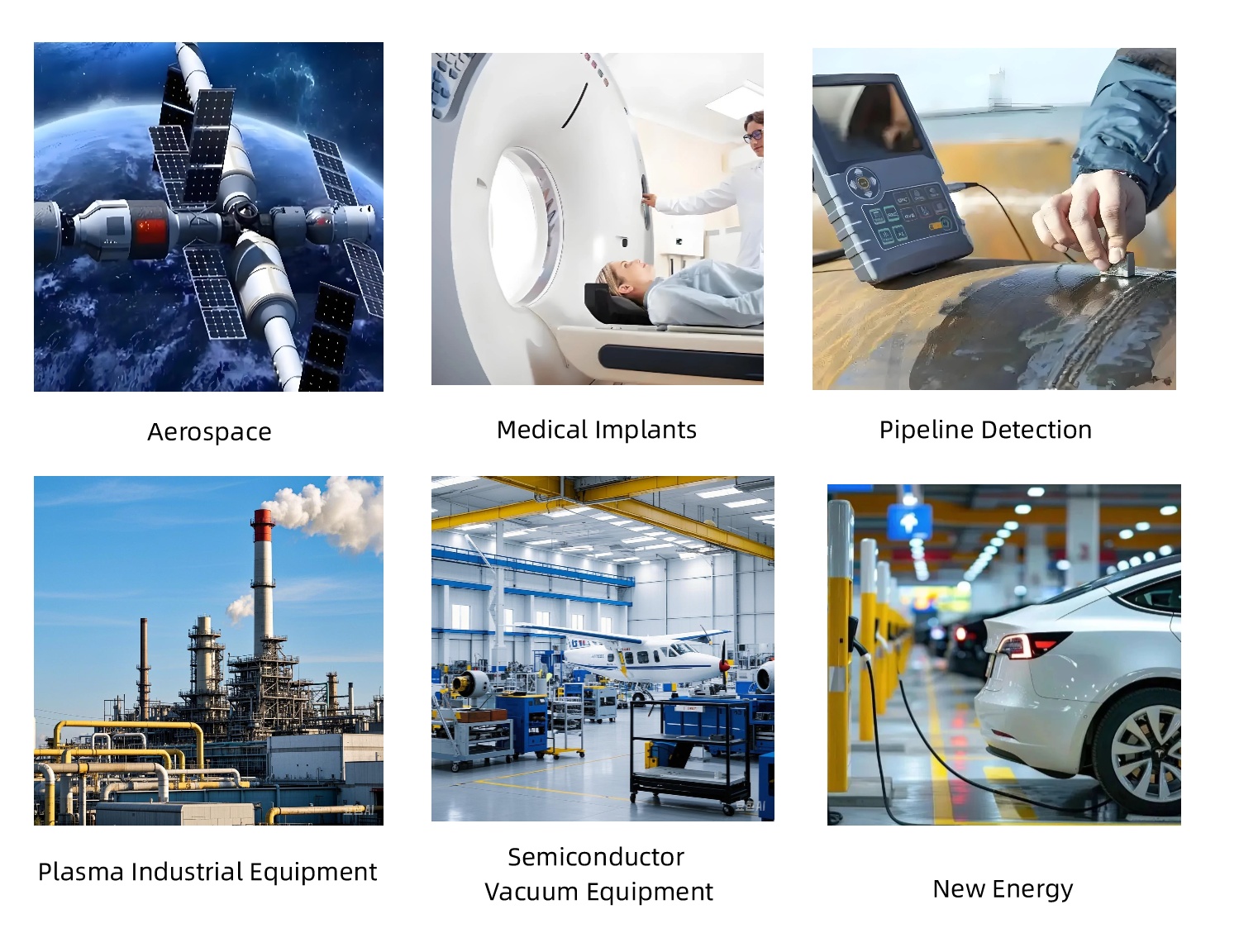
Vacuum ceramic brazing components are commonly used in:
- Vacuum feedthroughs
- Semiconductor manufacturing equipment
- X-ray tubes
- High-voltage vacuum devices
- RF and microwave equipment
- Vacuum interrupters
- Scientific instruments
- High-temperature vacuum systems
Custom Vacuum Ceramic Components
Vacuum applications often require customized electrical configurations, flange dimensions, ceramic geometry, conductor positions, and leak-rate specifications.
We can manufacture components according to drawings or samples and evaluate the ceramic, metal, brazing route, and hermeticity requirements before production.
For customers selecting a feedthrough structure, see our vacuum ceramic feedthrough selection guide.
Send us your drawing, sample, operating vacuum level, voltage, temperature, and leak-rate requirement for an initial technical review.
Metallized Ceramic Catalog Download PDF