
What Causes Ceramic-to-Metal Joint Failure?
Ceramic-to-metal joints can fail through cracking, metallization peeling, poor wetting, or leakage when thermal stress and joining conditions are not properly controlled.
The solution is to control the complete process, including ceramic selection, metallization, brazing, cooling, and final inspection.
For vacuum feedthroughs, X-ray tubes, high-voltage components, and hermetic ceramic assemblies, understanding these failure factors can help prevent costly production problems.
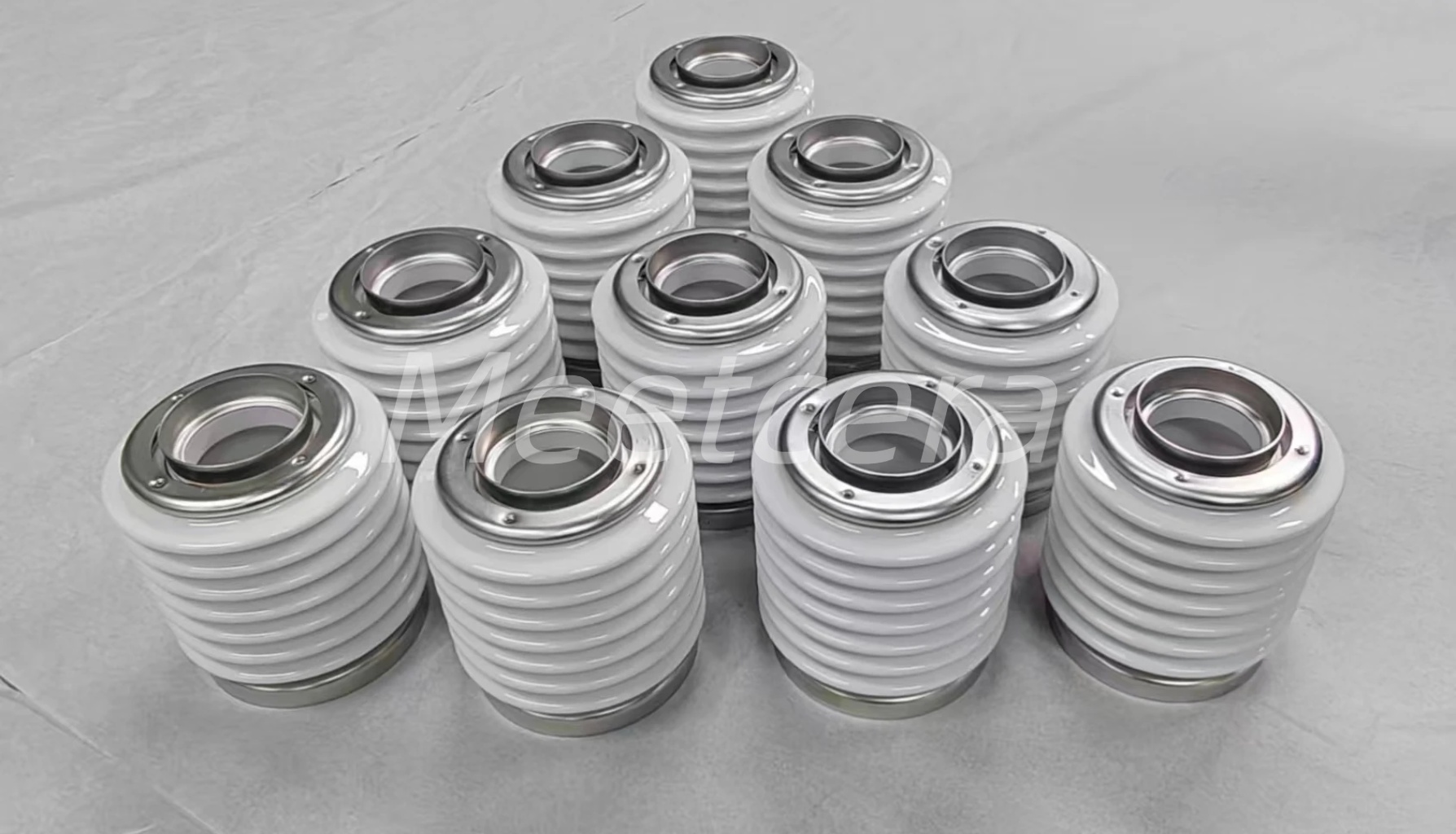
Ceramic-to-metal brazing and metallized ceramic component
What Are the 5 Main Causes of Ceramic-to-Metal Joint Failure?
The five common causes are CTE mismatch, poor metallization, incorrect brazing parameters, ceramic defects, and unsuitable joint design.
| Failure Factor | Typical Problem | Possible Result |
|---|---|---|
| CTE mismatch | Residual stress | Ceramic cracking |
| Poor metallization | Weak adhesion | Peeling or brazing failure |
| Incorrect brazing | Poor wetting | Weak joint |
| Ceramic defects | Microcracks or pores | Leakage or fracture |
| Poor joint design | Stress concentration | Premature failure |
These factors are closely connected. A joint may pass initial inspection but fail later during thermal cycling because of residual stress at the ceramic-metal interface.
1. How Does CTE Mismatch Cause Ceramic-to-Metal Failure?
Different coefficients of thermal expansion can create residual stress during cooling and increase the risk of ceramic cracking.
The solution is to select compatible ceramic and metal materials and optimize the joint structure.
During brazing, ceramic and metal are heated together. As the assembly cools, they attempt to contract at different rates. Because they are joined, this movement is restricted and stress develops at the interface.
For alumina-to-metal assemblies, controlling CTE mismatch is therefore an important part of joint design.
2. Can Poor Metallization Cause Ceramic Brazing Failure?
Yes. Poor metallization can cause weak adhesion, peeling, poor wetting, and premature joint failure.
A properly prepared metallized surface provides a suitable interface for subsequent plating and brazing.
A typical alumina process is:
Alumina Ceramic → Mo-Mn Metallization → Nickel Plating → Brazing
Contamination, poor firing conditions, uneven metallization, or insufficient adhesion can weaken the joint before brazing even begins.
This is why metallization quality directly affects ceramic-to-metal brazing reliability.
Explore Meetcera metallized ceramic solutions.
3. How Do Incorrect Brazing Parameters Damage Ceramic Joints?
Incorrect brazing temperature, heating rate, or cooling conditions can cause poor wetting, excessive residual stress, and ceramic cracking.
The solution is to establish a controlled brazing cycle based on the ceramic, filler metal, metallization, and metal substrate.
Important parameters include:
- Brazing temperature
- Heating rate
- Holding time
- Atmosphere
- Joint clearance
- Cooling rate
Correct brazing is not simply about reaching the required temperature; the complete thermal cycle matters.
Learn more about ceramic-to-metal brazing.
4. Can Ceramic Defects Cause Cracking and Leakage?
Microcracks, pores, surface contamination, and dimensional defects can become stress-concentration points during brazing and thermal cycling.
The solution is to inspect ceramic components before metallization and brazing.
This is especially important for hermetic applications. A small ceramic crack can become a leakage path in:
- Vacuum feedthroughs
- X-ray tube components
- High-voltage assemblies
- Hermetic electrical connectors
Good ceramic quality is therefore the foundation of reliable ceramic-to-metal joining.
5. How Does Joint Design Affect Ceramic-to-Metal Reliability?
Even good materials can fail if the joint geometry concentrates excessive stress in the ceramic.
The solution is to consider thermal stress during the component design stage.
Important factors include:
- Ceramic wall thickness
- Joint width
- Braze clearance
- Metal thickness
- Corner geometry
- Material combination
Avoiding sharp corners and abrupt changes in section can help reduce local stress concentration.
A reliable ceramic-to-metal joint starts at the drawing stage—not only in the brazing furnace.
How Can Ceramic-to-Metal Joint Failure Be Prevented?
The most reliable approach is to control the entire manufacturing chain rather than trying to correct failures after brazing.
A typical process is:
Ceramic Manufacturing
→ Surface Preparation
→ Mo-Mn Metallization
→ Nickel Plating
→ Metal Preparation
→ Ceramic-to-Metal Brazing
→ Controlled Cooling
→ Inspection & Leak Testing
For hermetic applications, final leak testing is particularly important because a visually acceptable joint may still contain a microscopic leakage path.
If you are developing a new component, you can send a drawing, sample, 3D model, or failed part for an initial technical discussion before mass production.
Frequently Asked Questions
Why do ceramic-to-metal joints crack?
The main causes include CTE mismatch, residual stress, ceramic defects, poor joint design, and excessive thermal gradients.
Why does metallization peel from ceramic?
Common causes include poor surface preparation, contamination, insufficient adhesion, improper firing, and excessive thermal stress.
What causes poor wetting during ceramic brazing?
Poor surface preparation, unsuitable filler metal, incorrect brazing temperature, and contamination can cause poor wetting.
Can alumina be brazed to stainless steel?
Yes. Alumina can be joined to stainless steel using suitable metallization methods, but the material combination requires careful joint design.
Need Help With a Ceramic-to-Metal Joining Project?
Reliable ceramic-to-metal joining depends on the ceramic, metallization, metal, brazing process, joint design, and inspection working together.
With more than 15 years of experience in the metallized ceramics industry, Meetcera focuses on ceramic metallization, ceramic-to-metal brazing, hermetic sealing, and customized ceramic assemblies.
If you are dealing with ceramic cracking, metallization peeling, weak brazing, or leakage, send us your drawing, sample, or technical requirements.
A technical consultation or small-sample evaluation can be a practical first step before mass production.
References
-
ScienceDirect, research on residual stress in alumina-steel brazed joints.
View the research -
ScienceDirect, research on alumina-stainless steel braze joint interfaces.
View the research -
Ceramic Industry, ceramic material design considerations.
View the industry reference